Buying a home before 2030 remains one of the biggest financial decisions for U.S. households, with more than 66% of Americans still prioritizing homeownership, according to national housing sentiment surveys. But rising mortgage rates above 6%–7% in recent cycles, combined with uneven local economies, mean not every “cheap” city is a smart long-term bet.
Some markets carry hidden risks tied to job growth, population shifts, climate stress, or weak resale demand.
We analyzed broad housing trends, economic indicators, and long-term demographic signals across multiple metros. What emerges is a pattern: cities with low prices today can still struggle with appreciation, stability, and buyer demand by 2030.
Why a “Cheap Home” Can Still Be a High-Risk Purchase
In 2026, U.S. home affordability remains stretched in nearly 9 out of 10 metro areas, based on recent housing affordability indexes. According to the U.S. Census Bureau, while buyers may be looking to lower-cost cities in hopes of future price gains, recent population data shows that smaller cities on the outskirts of major metros are often growing faster than the largest cities.
According to research from the Federal Reserve Bank of St. Louis, the decline in housing market liquidity during the Great Recession affected all price tiers similarly, which means that even modest decreases in demand can significantly reduce the ease of reselling homes, particularly in older housing markets. Before listing the cities, it is important to remember that affordable homes without strong demand can present risks rather than opportunities.
Fresno, California — Affordable California Entry, But Air and Income Pressure Remain
Fresno homes often sell for 40%–60% less than the California coastal average, but the Central Valley continues to rank among the most polluted regions in the U.S., with elevated particulate matter levels reported in multiple EPA-linked studies.
The local economy is heavily weighted toward agriculture, which accounts for a significant share of employment but is vulnerable to climate variability, water restrictions, and seasonal labor fluctuations, affecting tens of thousands of workers annually.
For buyers, the concern is not only price stability but also long-term livability costs, including healthcare, utilities, and resale demand, in a region where population growth has slowed to below 1% annually in recent years.
Phoenix, Arizona — Rapid Growth Meets Extreme Climate Pressure
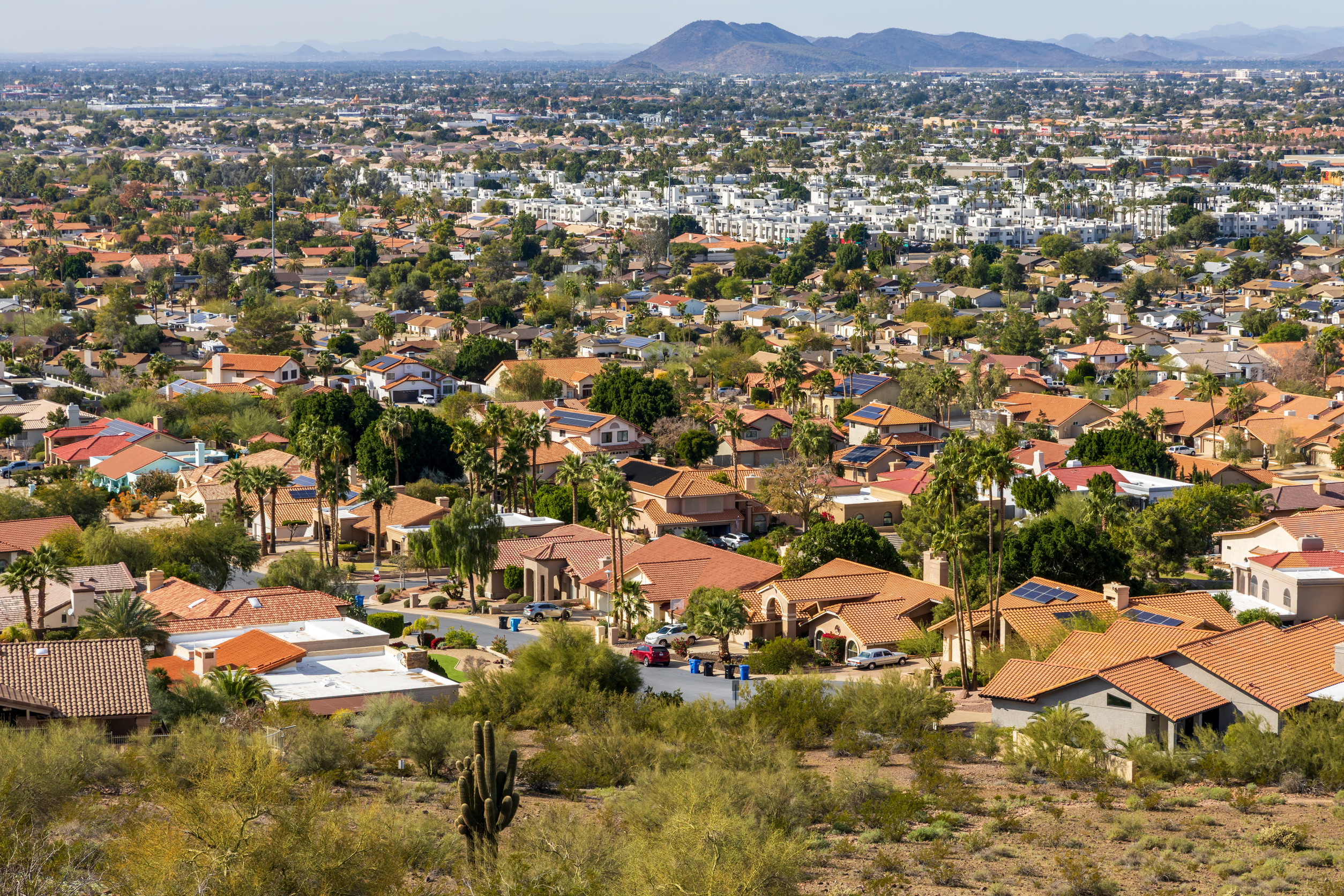
Phoenix remains one of the fastest-growing metros, adding more than 100,000 new residents in recent peak years, but it also ranks among the top U.S. cities for extreme heat exposure, with summer temperatures frequently exceeding 110°F for multiple weeks annually.
According to Arizona State University, housing expansion in Phoenix has tended to outpace infrastructure planning, contributing to cyclical pricing patterns. During the 2008 downturn, homes in the Phoenix area lost about a third of their value, illustrating the city’s sensitivity to broader economic changes.
Water supply constraints across the Colorado River basin add another long-term variable, with projected reductions impacting millions of residents across the Southwest.
Detroit, Michigan — Recovery Story Still Marked by Vacancy and Uneven Demand
Detroit’s population has declined by more than 60% since its mid-20th-century peak, and while revitalization efforts have improved downtown and select neighborhoods, vacancy rates in some areas still exceed 20%+.
Home prices can appear extremely low, but renovation costs often exceed the purchase price by 2x to 3x, especially for older housing stock that requires structural repairs, roofing, and utility upgrades.
The biggest challenge remains hyper-local variability, where property value can change drastically within just a few blocks.
Toledo, Ohio — Stable Affordability, Weak Appreciation Outlook
Toledo remains one of the more affordable midwestern markets, with median home prices still well below the national average of roughly $400,000+ in 2026.
However, population decline trends of roughly 0.3%–0.7% annually and slow manufacturing recovery limit strong price appreciation. For buyers, this often translates into low entry cost but also low equity growth.
Buffalo, New York — Strong Identity, But High Maintenance Reality
According to Realtor.com, Buffalo’s housing market features a median listing price of $209,900 and a median rent of $1,600 per month, with 1,428 active listings as of March 2026. While the city’s identity remains strong and its population has stabilized, many homes are quite old, with a significant portion built between 70 and 100 years ago. In ongoing maintenance.
Winter weather adds cost pressure, with heating bills in cold months increasing household utility expenses by 25%–40%.
While demand has improved in certain neighborhoods, affordability is often offset by upkeep and tax burdens that vary significantly by district.
Las Vegas, Nevada — Boom Cycles and Tourism Dependency
Las Vegas continues to grow, with tourism generating over $50 billion in annual economic impact, but the housing market remains closely tied to cyclical demand in travel and entertainment.
According to a report from Federal Reserve Economic Research, housing absorption tends to slow quickly during downturns in areas that depend heavily on hospitality jobs, as this sector has seen significant fluctuations and has not fully recovered to pre-pandemic employment levels even as of May 2023. Rapid expansion also raises concerns about overbuilding in suburban developments, particularly in times of high migration.
Cleveland, Ohio — Affordable Market, But Slow Equity Growth

Cleveland offers some of the lowest median home prices among large U.S. cities, often under $200,000, but appreciation rates remain among the slowest in the Midwest.
According to the U.S. Census Bureau, some neighborhoods have rental vacancy rates that exceed 15 percent, which may affect resale competition and reduce long-term demand. While stable employment in healthcare and education helps the local economy, overall job growth has lagged behind the national average.
Gary, Indiana — Extreme Affordability Comes With Structural Decline
Gary remains one of the most affordable housing markets in the country, with some properties priced below $100,000, but it also faces some of the highest vacancy rates in the region.
A population decline exceeding 70% from historic highs has significantly reduced buyer liquidity.
Even renovated homes can face limited resale pools, making an exit strategy a critical factor for any buyer.
Jackson, Mississippi — Infrastructure Risk Shapes Housing Stability
Jackson has faced documented infrastructure challenges, particularly water system failures that have impacted hundreds of thousands of residents in recent years.
Combined with poverty rates above 20%, the housing market remains sensitive to public service reliability and economic stability.
Buyers often benefit from low prices but must factor in long-term infrastructure uncertainty.
Seattle, Washington — High Demand, But Pricing Stress Is Extreme
Seattle remains one of the most expensive U.S. housing markets, with median prices frequently exceeding $800,000–$900,000 in many neighborhoods.
Even with strong tech-sector wages, affordability ratios remain stretched, with many buyers spending 40%+ of income on housing costs.
High entry prices reduce margin for error if job conditions or tech cycles soften.
St. Louis, Missouri — Hyper-Local Market Divides Risk and Value
St. Louis continues to show strong contrasts between revitalized areas and struggling neighborhoods.
Some ZIP codes show stable appreciation, while others remain flat for over 10–15 years, highlighting extreme fragmentation.
This makes due diligence essential at the block level rather than at the citywide level.
Baltimore, Maryland — Strong Location Advantage, Uneven Housing Outcomes
Baltimore benefits from its proximity to Washington, D.C., but housing results can vary widely from one block to another, with commute access influencing demand. However, neighborhood disparities remain significant, with some areas seeing appreciation while others stagnate.
Property tax rates and renovation costs can also exceed 1.5%–2% of home value annually, adding long-term cost pressure.
For buyers, success depends heavily on neighborhood selection rather than citywide trends.
The Real Risk Is Not the City, It Is the Timing
Across all 12 cities, the same pattern emerges: affordability alone is no longer enough in a high-rate housing cycle. With mortgage rates remaining elevated in recent years and national affordability stretched in nearly every metro, buyers must think in terms of 2030 resale conditions, not just 2026 entry prices.
The strongest opportunities will come from markets where jobs, population stability, infrastructure resilience, and income growth align. The weakest outcomes come from markets where buyers rely on low prices alone to justify long-term ownership.
Smart buyers will not avoid entire cities. They will avoid mismatched timing, weak demand zones, and emotionally driven purchases.