Respect rarely leaves a sanctuary all at once. It slips out slowly, through side doors and quiet conversations in parking lots. One family stops attending. One volunteer stops answering texts. One longtime member still smiles on Sunday, but no longer trusts what is said from the front.
In America, faith communities still matter deeply to millions of people. They feed families, visit hospitals, comfort the grieving, mentor children, and give lonely people somewhere to belong. But the people leading those spaces carry a fragile kind of influence. Once that influence feels careless, respect can fade faster than leaders realize.
That is why religious leaders lose respect in ways that often look small at first. A dismissive comment. A vague budget answer. A political rant. A pattern of favoritism. A sermon that shames more than it heals.
People may not confront the leader right away. They may stop listening.
They Confuse Authority With Trust
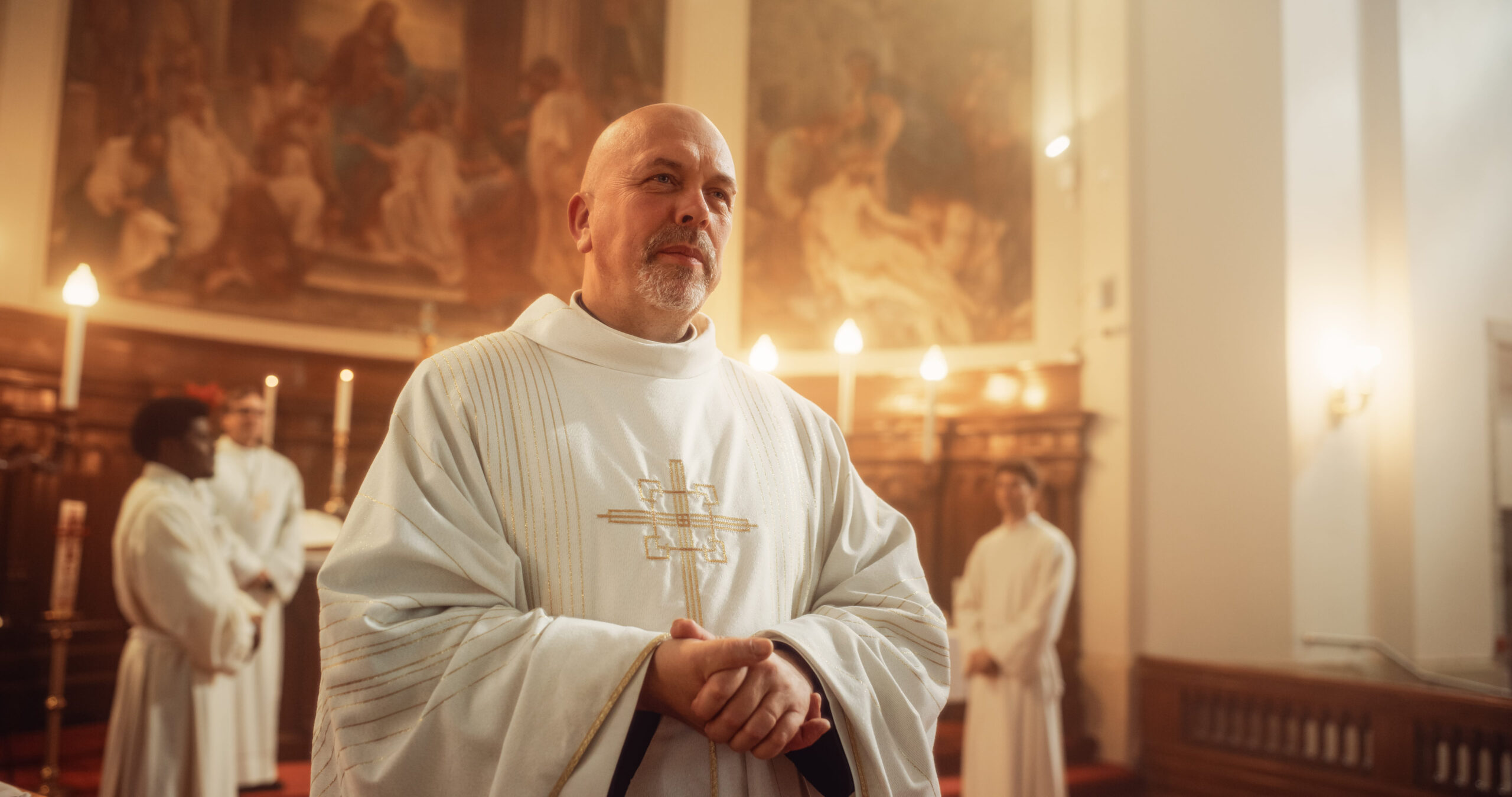
A title can open the door, but it cannot keep people in the room forever. Pastor, priest, rabbi, imam, bishop, elder, minister, or spiritual director may carry weight, but respect grows through consistency, humility, and care. When leaders assume the title is enough, people begin to pull back.
That shift is easy to miss because members may stay polite. They may still shake hands, attend services, and nod during messages. But public confidence in religious institutions has been under pressure for years, and trust in organized religion is no longer something leaders can take for granted. People now watch behavior as closely as belief.
They Talk More Than They Listen
Some leaders become so comfortable speaking that they forget how to hear. They preach, advise, correct, announce, and explain, but they rarely pause long enough to understand what people are actually carrying. Over time, members begin to feel managed instead of known.
Listening is not a weakness. It is pastoral intelligence. A tired single mother, a grieving widower, a doubting teenager, or a burned-out volunteer may not need a lecture first. They may need one honest moment when a leader stops performing as a source of wisdom and pays attention.
They Let Politics Swallow the Pulpit
Many Americans expect faith to shape values. Fewer want every worship space to feel like a cable news panel. When religious leaders turn every sermon, prayer, event, or newsletter into a political battlefield, people who came looking for meaning may leave feeling used.
The issue is not that leaders should avoid moral courage. The issue is when spiritual formation becomes partisan performance. Surveys show many people want religion out of politics, especially when worship begins to sound like a campaign stop. The more a leader sounds owned by a party, the harder it becomes to trust their spiritual judgment.
They Dodge Money Questions
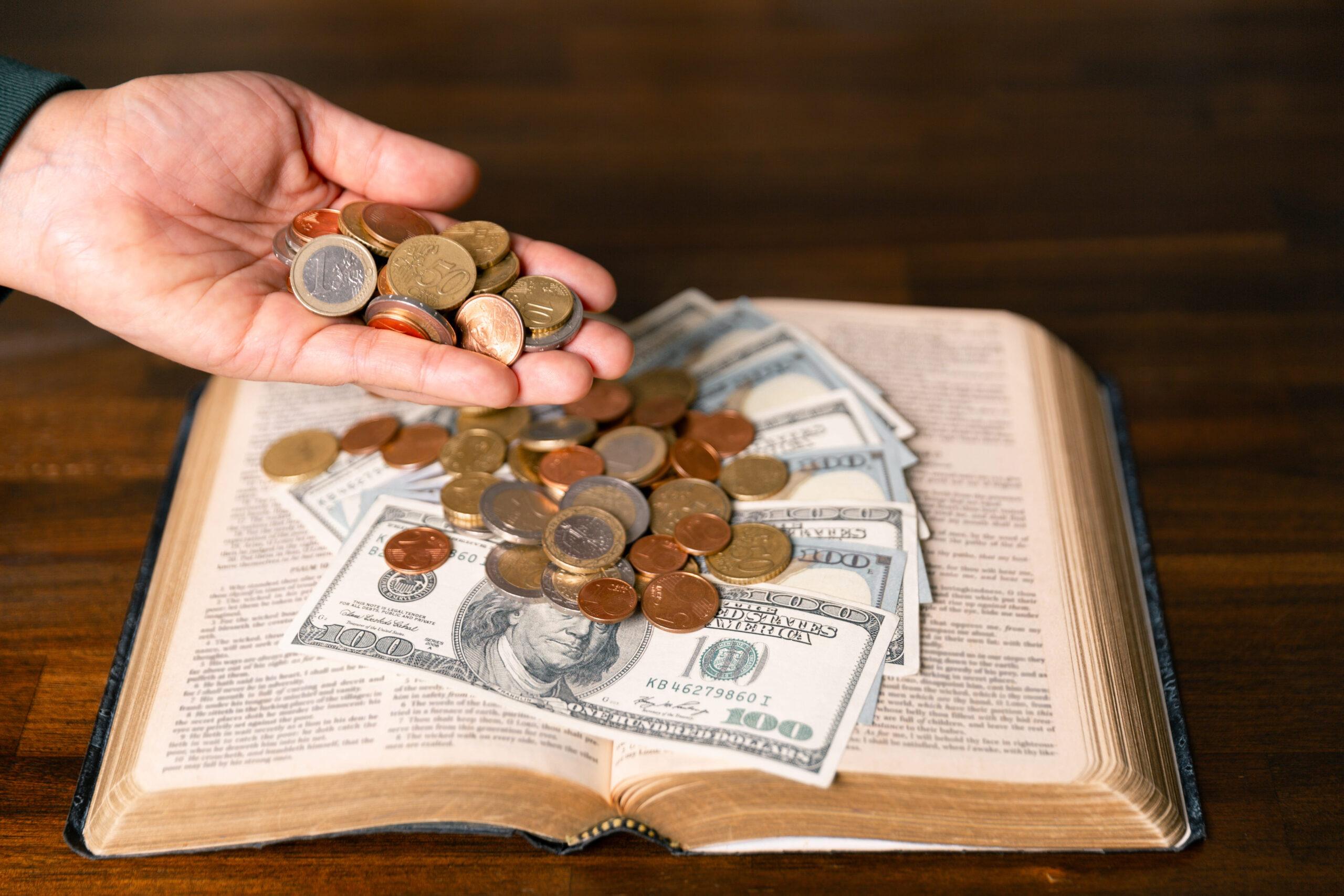
Few things damage respect faster than mystery around money. People may give sacrificially from paychecks already squeezed by rent, groceries, medical bills, and gas. If leaders seem vague, defensive, or secretive about how funds are used, suspicion grows quickly.
Transparency does not mean every member controls every decision. It means people can see responsible stewardship, clear records, fair processes, and honest communication. Respect rises when leaders welcome financial transparency and accountability rather than treating budget questions as personal attacks.
They Shame People Instead of Shepherding Them
Some leaders mistake humiliation for holiness. They call people out publicly, weaponize private confessions, mock weakness, or make struggling members feel like spiritual disappointments. That kind of leadership may create fear, but fear is not the same as respect.
A faith community should be able to correct without crushing. When leaders use sacred language to control, isolate, or demean people, the damage goes deeper than hurt feelings. Guidance on abuse recognizes that spiritual abuse involves control, and people eventually notice when leadership feels more like domination than care.
They Play Favorites Too Openly
Favoritism can poison a congregation without making noise. Certain families get quick access. Certain donors get softer treatment. Certain volunteers receive public praise, while others shoulder invisible labor. People may not say anything at first, but they see it.
Respect fades when members believe closeness to power matters more than character, service, or need. A leader does not have to treat everyone identically, but they should treat people fairly. Once the community senses an inner circle, the message of unity begins to sound hollow.
They Burn Out and Call It Dedication

A worn-out leader can still sound spiritual on stage while becoming impatient, distant, reactive, or careless behind the scenes. Burnout can make even well-meaning leaders short-tempered with staff, unavailable to members, and blind to their own emotional decline.
People respect leaders who serve faithfully. They also respect leaders who know when they need rest, counseling, accountability, and healthier rhythms. When burnout becomes a badge of honor, everyone pays for it. Concerns around pastor burnout and quitting show how heavy leadership can become when support and self-awareness fall behind responsibility.
They Refuse to Admit Mistakes
Nothing makes a leader look smaller than refusing to say, “I was wrong.” People can forgive mistakes when they see honesty. They struggle to forgive denial, blame-shifting, and the use of spiritual language to escape accountability.
A sincere apology does not weaken leadership. It strengthens it. Members know leaders are human. What they cannot respect is a leader who demands repentance from everyone else while treating personal correction as an insult. Humility often restores more trust than a perfect explanation ever could.
They Treat Personal Pain Like a Side Issue
People may respect a religious leader’s teachings but still hesitate to put them into practice. Marriage problems, depression, addiction, grief, financial stress, family conflict, and doubt require tenderness. If people feel judged, rushed, or exposed, they stop bringing their hearts.
That matters because many congregants trust clergy most on religious issues, but trust can drop when advice becomes more personal. When people seek clergy advice on personal matters, they need care that is wise, humble, and aware of limits. A respected leader knows when to listen, when to pray, and when to refer someone to trained help.
They Forget Their Public Life Still Speaks

A leader’s influence does not end after the closing prayer. Social media posts, restaurant behavior, staff meetings, parking lot conversations, family interactions, and offhand jokes all become part of the message. People notice when the public sermon and private attitude do not match.
This is especially true in a country where institutional trust feels fragile. Many Americans are already skeptical of powerful people and organizations, and their mistrust of institutions continues to shape how they read leadership behavior. Religious leaders lose respect when they forget that character is not only preached but also practiced. It is watched.
Conclusion
Religious leaders lose respect quietly because most people do not announce the exact moment they stop trusting someone. They listen less. They give less. They serve less. They stop inviting friends. Eventually, they leave, emotionally or physically.
The tragedy is that many of these losses are preventable. People do not expect perfect leaders. They expect honest ones. They respect humility, transparency, fairness, compassion, consistency, and the courage to admit when something needs to change.
Faith communities can survive hard seasons, difficult questions, and imperfect leadership. What they cannot survive forever is leadership that confuses silence with loyalty. Respect is not maintained by position alone. It is rebuilt daily in the small choices people remember long after the sermon ends.