The grocery line is already long. The rent is already high. The family group chat is already one awkward comment away from disaster.
Then politics walks in like it owns the room. A school board issue becomes a neighborhood war. A holiday dinner becomes a debate stage. A headline turns coworkers into enemies before lunch. They are not just happening in Washington. They are changing how Americans talk, parent, worship, work, shop, scroll, and trust each other.
Most people are not looking for another fight. They are trying to live, pay bills, protect their families, and feel sane in a country that often seems addicted to conflict.
Treating Neighbors Like Enemy Teams
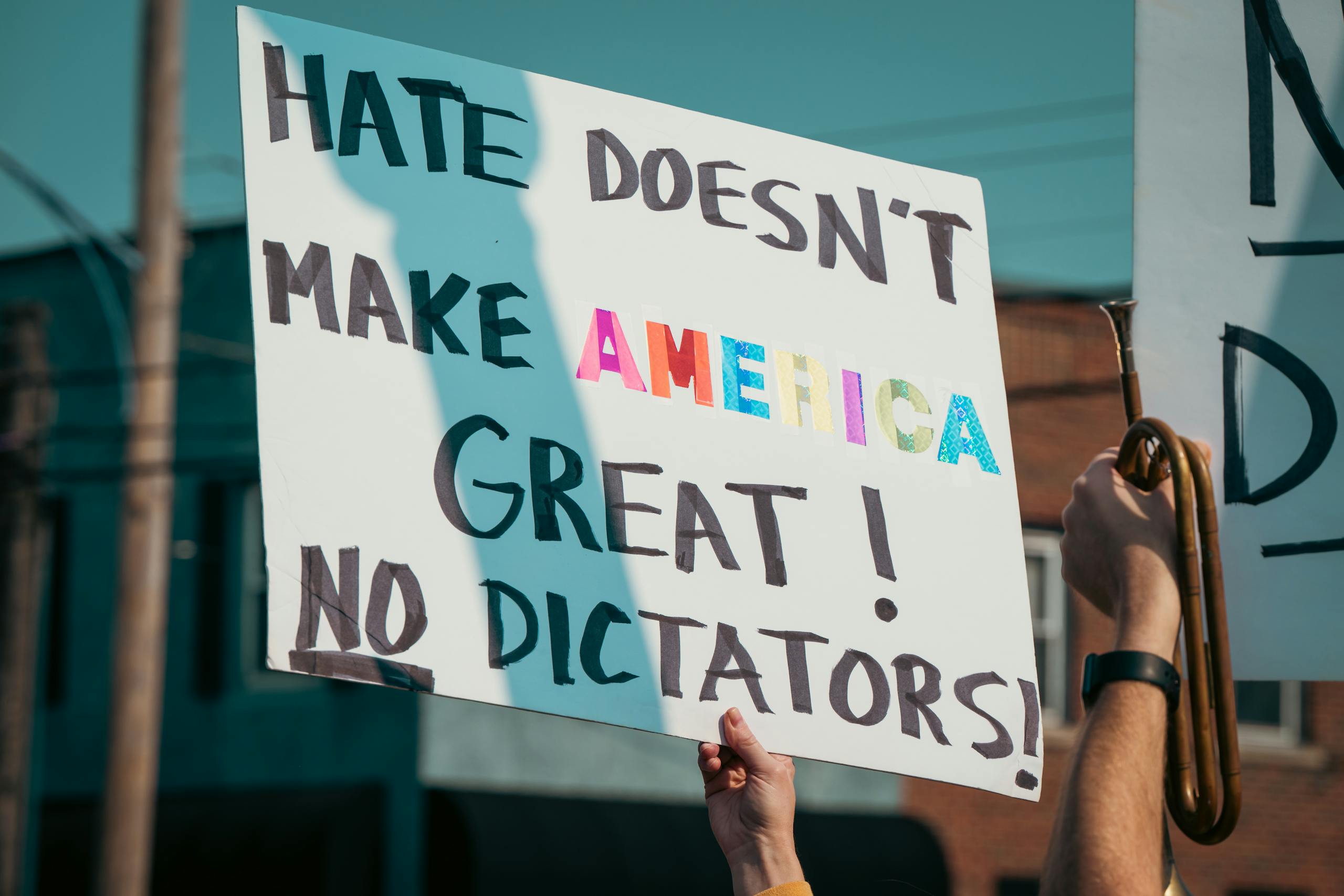
Politics becomes dangerous when people stop seeing neighbors and start seeing enemy colors. A yard sign, bumper sticker, school opinion, or social media post can suddenly erase years of ordinary kindness.
That habit makes daily life colder. People stop chatting at the mailbox, avoid certain families at school events, and assume the worst before asking one honest question. A country cannot feel livable when every block feels like a battlefield.
Turning Every Local Issue Into a National War
A library policy, school meeting, zoning fight, or town budget should be local enough for real problem-solving. Instead, many small issues now get pulled into national outrage machines before the people affected can even talk.
The result is exhausting for ordinary families. Parents show up worried about bus routes, books, safety, or teacher shortages, only to find themselves trapped in a larger culture war. Local life gets harder when every practical question becomes a loyalty test.
Mistaking Outrage for Civic Engagement
Outrage feels powerful because it gives people a fast emotional hit. A viral clip, angry post, or sharp comment can make someone feel informed, brave, and involved. But anger alone rarely fixes potholes, lowers bills, improves schools, or builds safer neighborhoods.
Many Americans are already strained by political stress levels. Turning every issue into a daily rage ritual only adds to the weight of lives already overloaded. Real civic engagement takes patience, not just volume.
Rewarding Politicians Who Never Solve Anything
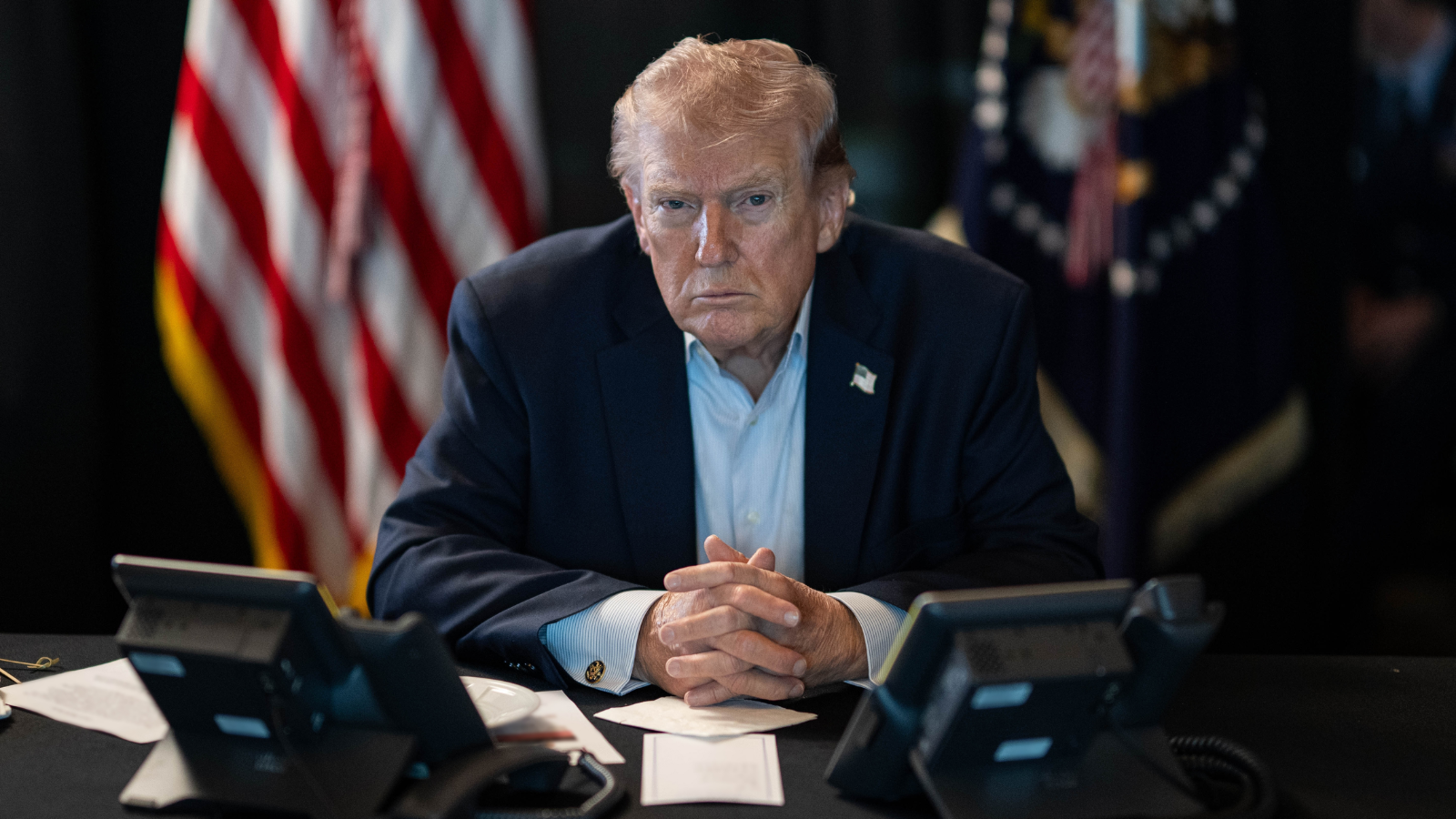
Some politicians get more attention for fighting than fixing. They learn that insults travel faster than policy, and outrage gets more clicks than boring competence. Ordinary people pay the price when performance replaces results.
This habit makes America harder to live in because real problems keep stacking up. Housing, healthcare, childcare, wages, roads, crime, immigration, education, and debt all need serious work. Families cannot live inside speeches. They need systems that function.
Sharing Headlines Before Checking Them
A dramatic headline can move across America before the truth has put on its shoes. People share it because it confirms what they already fear or dislike. Then relatives argue, friends block each other, and the correction arrives too late to matter.
This gets worse when trust in the media keeps sinking. When people distrust almost everything, they often believe the loudest thing rather than the most accurate. That turns confusion into a national way of life.
Ignoring Local Government Until Something Breaks
Many Americans follow national politics closely but know little about who runs their city council, county board, sheriff’s office, school board, or state legislature. That habit creates a strange gap. People rage at Washington while missing decisions made five miles from home.
Local government touches daily life in blunt ways. It affects roads, policing, permits, schools, trash pickup, housing rules, parks, taxes, and emergency services. When citizens ignore those rooms, organized groups with louder voices fill the silence.
Letting Broken Trust Become a Personality

Distrust can start as wisdom. People should question leaders, check claims, and stay alert. But distrust becomes toxic when it becomes a permanent identity in which every institution is corrupt, every expert is lying, and every disagreement is proof of betrayal.
Low trust in government feeds that mood. Once people believe nothing works and nobody can be trusted, they stop building and start bracing for collapse. That kind of fear makes daily life feel smaller.
Treating Compromise Like Betrayal
Compromise used to sound practical. Now, it’s often treated like a weakness. Politicians fear being punished by their own side, and ordinary people copy the same pattern in families, churches, workplaces, and community meetings.
That habit makes problem-solving nearly impossible. America is too large and diverse for one side to get everything forever. A livable country needs people who can lose one argument without burning down the whole relationship.
Making Voters Feel Powerless on Purpose
When people believe their vote barely matters, they disengage. Some stop showing up. Others become bitter. Many quietly decide politics is a game controlled by insiders, donors, maps, and parties.
That feeling grows when voters hear about gerrymandered district maps or see elections where competition seems almost impossible. Even so, voting and registration data show millions still participate because the stakes feel real. Democracy gets harder when people must fight cynicism before they even reach the ballot box.
Conclusion
The worst political habits not only damage campaigns but also undermine democracy. They damage kitchens, classrooms, friendships, marriages, churches, workplaces, and neighborhoods. They turn normal life into a constant emotional weather alert.
America does not become easier to live in by pretending politics does not matter. It becomes easier when people stop using politics as a weapon for every conversation, every disagreement, and every fear.
A healthier country needs more honesty, more patience, better local involvement, and fewer people treating outrage like a public service. Ordinary families deserve a nation where solving problems matters more than winning the next argument.