Halloween is getting expensive, but it hasn’t stopped Americans from filling their shopping carts with chocolate bars, gummy worms, and bags of candy corn. According to the National Retail Federation (NRF), Americans are expected to spend $13.5 billion on Halloween in 2026, including an astonishing $4.1 billion on candy alone. With nearly every Halloween shopper planning to buy sweets, the annual tradition remains remarkably strong despite rising prices. So what makes Halloween candy such a big business, and how can families enjoy the holiday without emptying their wallets?
Halloween Candy Spending Is Reaching Extraordinary Levels
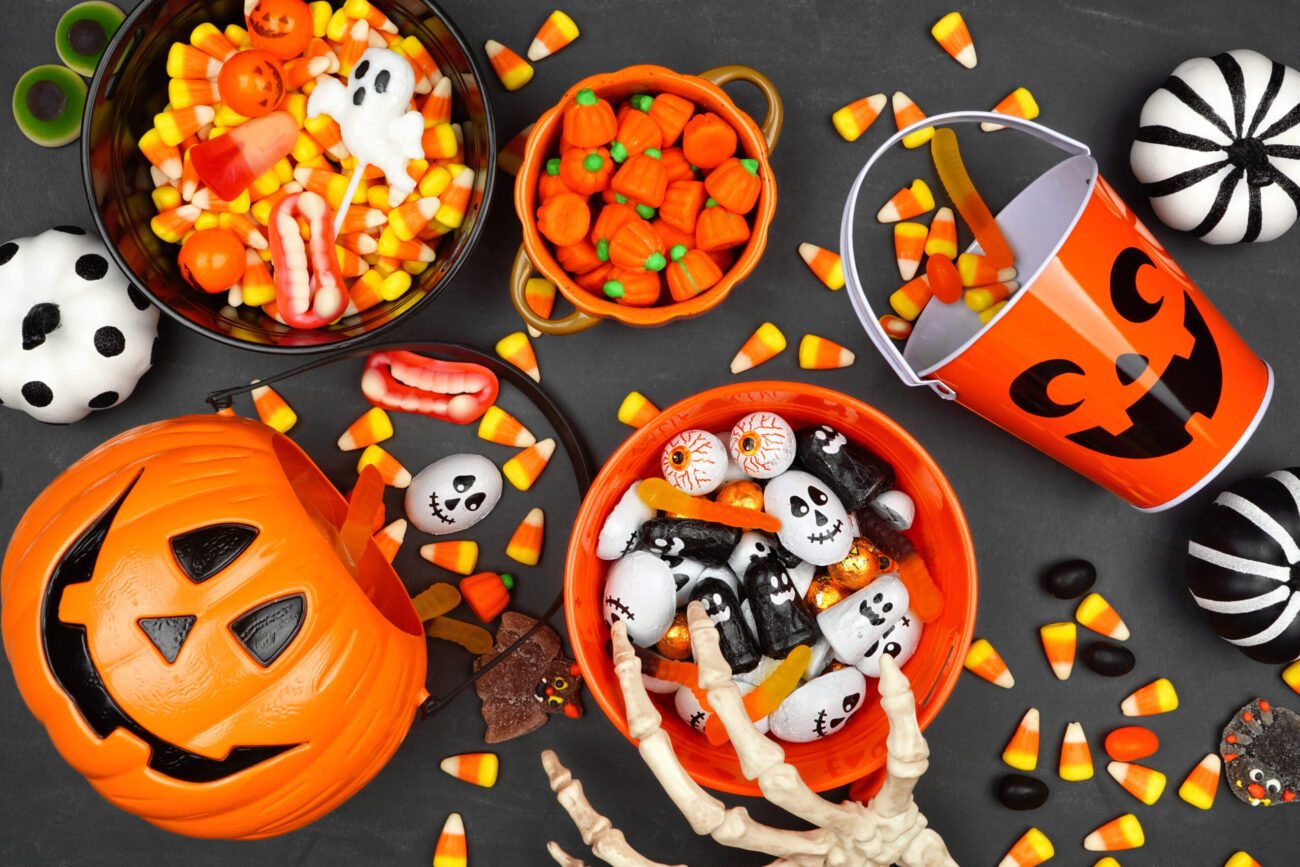
That innocent-looking bowl of miniature chocolate bars represents a surprisingly enormous business.
The NRF’s 2026 survey estimates that Americans will spend $4.1 billion on Halloween candy, making sweets one of the holiday’s biggest shopping categories. About 96% of Halloween shoppers plan to buy candy, showing how closely treats are tied to the celebration. Overall Halloween spending is expected to exceed the previous year’s $13.1 billion record.
Candy is more than something children collect while trick-or-treating. Families purchase sweets for parties, office celebrations, school events, and neighborhood gatherings. Even adults who no longer dress up often buy their favorite treats simply because Halloween gives them an excuse.
Why Miniature Candy Bars Are Such a Big Deal
Small chocolate bars make it easier to share the sweetness without handing out an entire dessert.
Miniature versions of familiar brands have become Halloween staples because they are convenient, individually wrapped, and easy to distribute. A bag with several varieties also lets households offer something for different tastes.
For candy manufacturers, these smaller portions create another opportunity to showcase established products. Someone who receives a miniature peanut butter cup or caramel-filled chocolate might decide to purchase the full-size version later.
The appeal is also emotional. Many adults remember collecting candy as children, and buying the same sweets for today’s trick-or-treaters helps recreate those familiar experiences.
Candy Prices Are Making Shoppers Think Twice
Even the sweetest Halloween tradition feels different when the grocery receipt keeps climbing.
Candy prices have become an important consideration for households planning their Halloween budgets. The NRF reports that consumers expect to spend an average of $115.14 per person on the holiday in 2026, compared with $114.45 in 2025.
Although the overall spending forecast has increased, that does not mean every household will spend more. Families compare prices, look for promotions, and decide which purchases matter most.
One practical approach is to compare the cost per ounce rather than automatically choosing the largest bag. A smaller package on sale may provide better value than a larger one at its regular price.
Why Halloween Candy Appears in Stores So Early
By October, some shoppers have already stocked their cupboards with Halloween treats.
Halloween shopping has gradually expanded beyond the final weeks of October. The NRF found that 49% of consumers planned to begin shopping in September or earlier in 2026. Some shoppers enjoy the excitement of autumn, while others prefer spreading their expenses across several paychecks.
Shopping early can help families avoid last-minute crowds and secure popular products before shelves fill with competing shoppers.
However, buying candy early requires a little discipline. Keeping too much chocolate within easy reach for several weeks can make it difficult to save enough for Halloween night. Choose a sensible storage spot and set aside the treats intended for visitors.
Related: 9 Things You Should Never Do When Handing Out Halloween Candy
Not Every Halloween Treat Has to Be Expensive
A memorable Halloween depends more on the experience than the price of the candy.
Families can keep costs manageable by setting a budget before they go to the supermarket. Buying a few well-priced multipacks, comparing store brands, and checking weekly promotions can help stretch your money.
Also consider how many trick-or-treaters are likely to visit. Households in busy neighborhoods may need more supplies than those in quieter areas, so buying based on experience can prevent unnecessary spending.
For more ideas, the USDA’s MyPlate budget guide offers practical advice on planning purchases and making food budgets work harder.
Candy Is Competing With Costumes and Decorations
Chocolate is a Halloween favorite, but it is no longer the only thing demanding space in shoppers’ carts.
The NRF expects costume spending to reach $4.4 billion in 2026, while decorations are forecast to account for $4.3 billion. Candy spending, at $4.1 billion, remains a major part of the holiday economy.
These figures show how Halloween has evolved into a shopping season rather than just one evening of trick-or-treating. Families decorate their homes, organize parties, dress up pets, and plan activities throughout October.
That variety also gives shoppers more choices. Someone who wants to reduce candy spending can focus on reusable decorations, homemade costumes, or inexpensive party activities instead.
The Best Halloween Candy Strategy Is Planning Ahead
A little preparation can save money without making Halloween any less fun.
Start by deciding how much you can comfortably spend on candy. Compare multipacks, look for discounts, and avoid buying extra products simply because their packaging looks festive.
If you expect many visitors, consider setting aside a specific quantity for trick-or-treating rather than opening every bag in advance. For parties, offer a mix of sweets and inexpensive homemade treats to add variety without requiring an enormous candy budget.
The goal is not to eliminate the treats that make Halloween enjoyable. It is to spend intentionally so the holiday stays fun long after the last chocolate wrapper disappears.
Is Halloween Candy Worth the Splurge?
Sometimes, a handful of familiar sweets is part of what makes October memorable.
Americans are expected to spend billions on Halloween candy in 2026 because the tradition combines nostalgia, convenience, neighborhood celebrations, and the simple pleasure of sharing something sweet. Rising costs may encourage shoppers to be more selective, but they haven’t erased the holiday’s appeal.
Whether you prefer peanut butter cups, chewy fruit sweets, or classic chocolate bars, Halloween offers a chance to enjoy familiar favorites and create new memories.
Now tell us: Which Halloween candy disappears fastest in your household, and have rising prices changed how much you buy each October?