Aging does not always arrive with a birthday candle or a gray hair in the mirror. Sometimes it slips in through the softest parts of the day. The couch after work. The sweet coffee on the commute. The late-night scroll under warm blankets. The “just one glass” pour after a stressful Tuesday.
Most Americans are not trying to sabotage their health. They are trying to survive busy jobs, high grocery bills, long commutes, family pressure, and a world that rarely seems to slow down. Comfort becomes a small reward. A little break. A tiny piece of control.
But some daily comforts aging the body do their damage quietly. They feel soothing in the moment, then slowly chip away at sleep, skin, metabolism, mood, muscle, and energy.
The point is not to fear pleasure. Life should still have soft chairs, good food, movie nights, and lazy Sundays. The trick is knowing when comfort starts acting like a disguise.
The Couch Time That Feels Earned
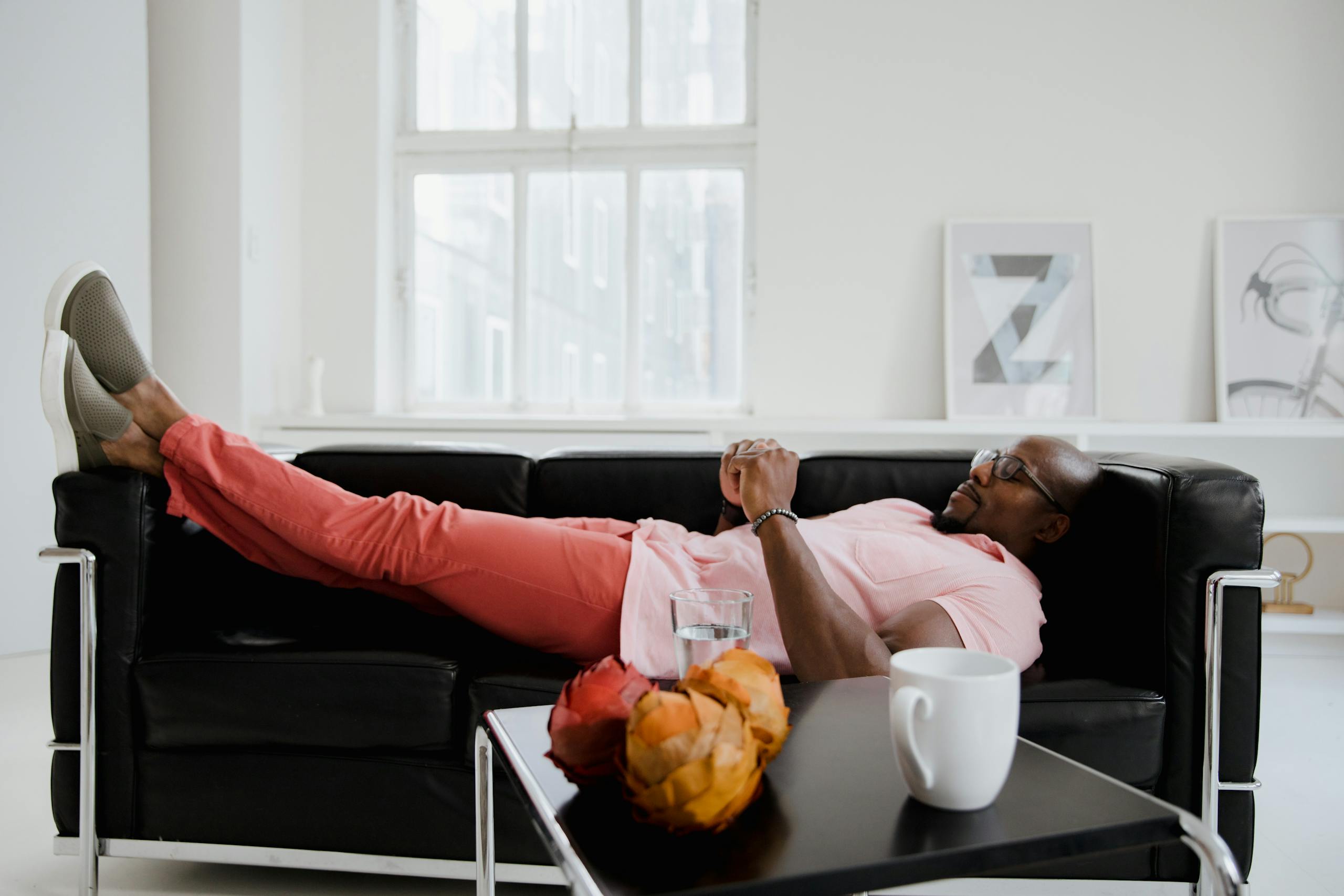
After a long workday, collapsing on the couch can feel like a national ritual. Shoes off. Phone nearby. TV glowing. Dinner is balanced on a plate while another episode starts before you even decide.
Rest matters, but hours of stillness can slowly wear the body down. Long sitting is linked with higher risks for heart disease, diabetes, and early death, especially when movement is pushed to tomorrow. That is why even a comfortable evening feels different when you interrupt too much sitting with short walks, stretching, or light chores.
The Late-Night Scroll That Steals Recovery
Scrolling in bed feels harmless because everyone does it. One video becomes ten. One text becomes a rabbit hole. One quick check of the news turns into twenty minutes of outrage, comparison, and blue light in the dark.
The problem is not just lost time. Poor sleep can affect weight, mood, heart health, memory, and the body’s repair systems. When the brain does not get enough deep rest, the next day feels heavier before it even begins. Chronic lack of sleep is not just a feeling of tiredness. It can become a quiet tax on the whole body.
The Sweet Coffee That Acts Like Dessert
A morning coffee can feel like motivation in a cup. For many Americans, it is the first comfort of the day, especially during early commutes, school drop-offs, or inbox-heavy mornings. The trouble begins when the daily drink turns into a liquid dessert with whipped cream, flavored syrup, and more sugar than people realize.
Sugar-heavy drinks can push cravings, energy crashes, and weight gain when they become routine. They can also train the body to expect sweetness whenever stress arises. Coffee itself is not the villain. The hidden problem is turning a daily lift into a habit that keeps blood sugar and appetite on a roller coaster.
The Comfort Meals That Come From Boxes

Frozen dinners, chips, fast food, packaged pastries, and microwave meals are popular because they solve real problems. They are quick, cheap, predictable, and comforting after a long day. Nobody wants to chop vegetables at 9 p.m. after traffic, work stress, and a sink full of dishes.
Still, highly processed comfort foods can age the body from the inside when they crowd out fiber, protein, healthy fats, and fresh ingredients. Diets high in ultra-processed foods have been linked with obesity, heart disease, diabetes, and other long-term health risks. Convenience helps on hard days, but it should not become the main food group.
The Glass of Wine That Becomes a Routine
A drink after work can feel sophisticated, calming, and adult. A beer during the game. Wine while cooking. A cocktail after a brutal meeting. Alcohol often enters the evening as a reward, then quietly becomes part of the furniture.
The body still has to process it. Alcohol can affect sleep, the liver, the brain, mood, blood pressure, and metabolism, especially when “moderate” keeps stretching. Regular drinking can also make the face look puffier and the mornings feel slower. Over time, alcohol affects aging in ways that are easier to ignore when the pour feels normal.
The Sunny Errand Without Sunscreen
Many people save sunscreen for beach days, vacations, or pool parties. But the skin does not only age during dramatic sun exposure. It also takes hits during school pickup, yard work, dog walks, commutes, outdoor lunches, and quick errands that do not feel like “sun time.”
That quiet exposure adds up. Sun damage can contribute to wrinkles, dark spots, sagging, and uneven texture. The frustrating part is that many people notice the damage years later, after thousands of casual exposures. Protecting against premature skin aging is less about vanity and more about daily protection becoming automatic.
The Hot Shower That Feels Like Therapy

A long, hot shower can feel like the closest thing to peace after a rough day. Steam fills the bathroom, shoulders drop, and for a few minutes, nobody is asking for anything. It is easy to see why people stay underwater longer than planned.
The skin may not love it as much as the mind does. Very hot water can strip natural oils, leaving skin dry, tight, itchy, or more irritated. That dryness can make the body look older than it feels, especially during winter or in dry homes with indoor heat blasting. Warmth is comforting. Scalding is where comfort starts taking more than it gives.
The Weekend Sleep-In That Breaks the Rhythm
Sleeping late on the weekend feels like justice. After five days of alarms, traffic, deadlines, and packed schedules, the body wants revenge. A few extra hours can feel delicious.
But wild sleep swings can confuse the body’s rhythm. Going to bed very late and waking up much later can make Monday feel like emotional jet lag. Better comfort comes from steady rest, not chaotic catch-up. The body tends to age better with regular sleep, morning light, and a schedule that treats weekdays and weekends as different planets.
The Soft Life With No Strength Work
Comfort often means avoiding strain. Elevators instead of stairs. Delivery instead of walking. Sitting instead of stretching. Outsourcing every physical task until the body barely has to push, pull, squat, lift, reach, or balance.
That can quietly accelerate the aging process. Muscle helps protect joints, metabolism, posture, balance, and independence. Without regular strength training, the body may become softer, weaker, and more prone to injury. A comfortable life is not the enemy, but the body still needs challenge to stay capable.
Conclusion
Daily comforts aging the body are tricky because they rarely feel dangerous in the moment. A couch, a sweet drink, a late bedtime, a hot shower, or a packaged meal does not seem like a big deal on its own. The risk comes from repetition.
Small habits become the background music of the body. They shape sleep, skin, energy, weight, strength, mood, and long-term health before most people notice the bill.
The answer is not to live like a joyless machine. Keep the comforts that make life feel human, but add boundaries. Move during TV time. Protect your skin on errands. Sleep as it matters. Treat alcohol and sugar like extras, not emotional support systems. Choose convenience without letting it run the whole kitchen.
Aging is natural. Quietly helping it along every day is optional.