The fireworks are being planned. The flags are going up. The speeches are being written. But underneath America’s 250th birthday celebration, a hard question is hanging in the air: how many Americans still believe the country is truly number one?
A new AP-NORC poll found that only 25% of U.S. adults say America stands above every other nation. Another 44% call the U.S. one of the greatest countries, but not the only one. A striking 30% say other countries are better.
That is a bruising number for a country raised on the idea of exceptionalism. It also lands at a deeply symbolic moment. The U.S. will mark the 250th anniversary of the Declaration of Independence on July 4, 2026, and official anniversary organizers say the milestone is meant to honor the past while looking toward the future.
The problem is that many Americans seem unsure whether the future still works for them.
The Birthday Party Meets the Bad Mood
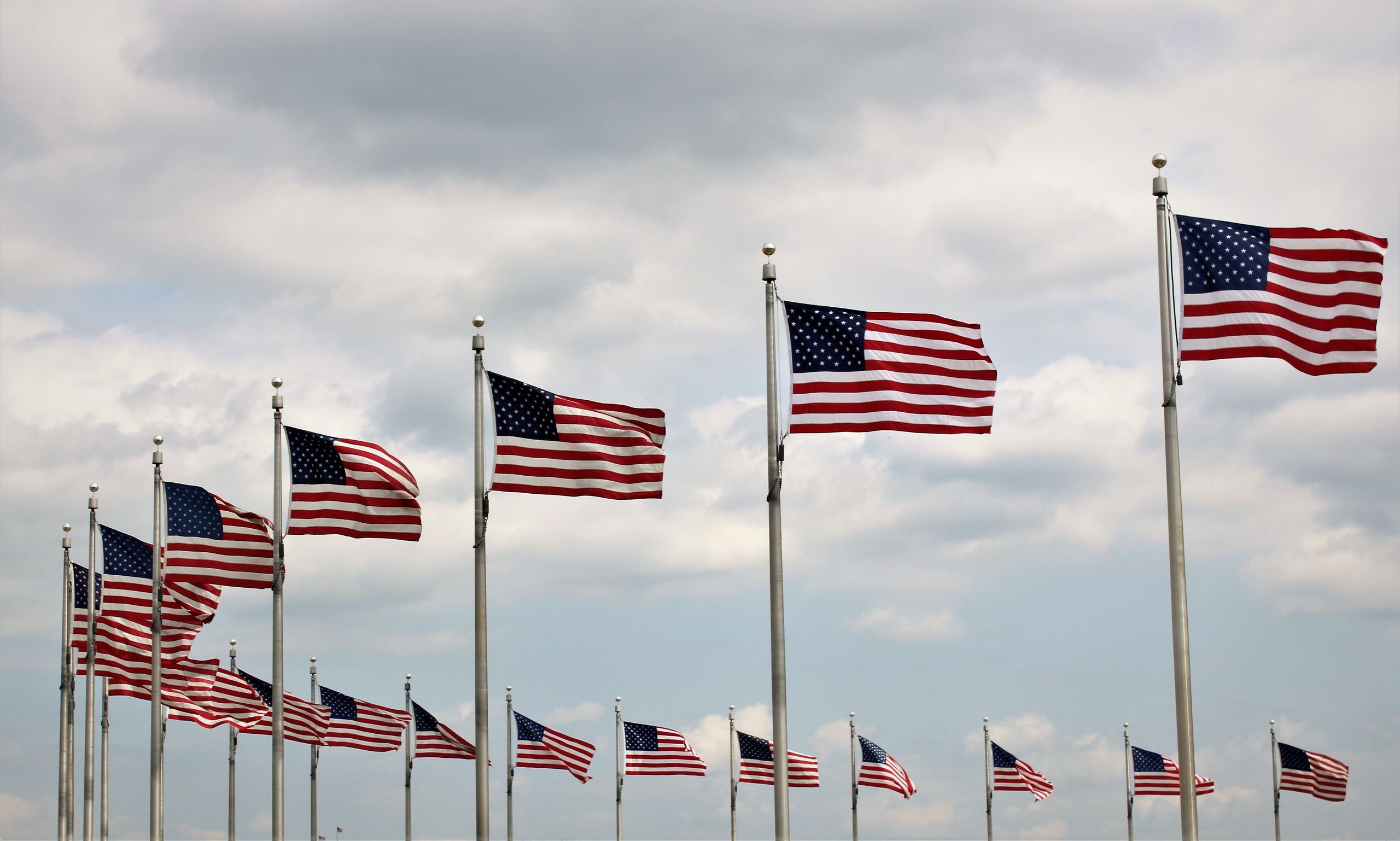
America’s 250th anniversary should be an easy patriotic moment. It has history, symbolism, and a ready-made national script. Every town can hang flags. Every politician can praise freedom. Every broadcast can roll the old footage and cue the music.
But this poll suggests the country is walking into its own birthday party with a split heart.
Many Americans still love the country. That part should not be ignored. The 44% who say America is one of the greatest nations still see value, power, freedom, culture, and possibility here. They are not rejecting the U.S. outright.
Still, the old reflex is fading. For decades, many Americans could say “greatest country on Earth” without pausing. Now, more people seem to pause, compare, and ask what greatness is supposed to mean when rent, groceries, medical bills, and politics feel heavier every year.
The American Dream Looks Expensive Now
The poll’s sharpest finding may not be about national pride. It may be about the American Dream.
Only 34% of adults say the dream still holds true. A majority (51%) say it once worked but no longer does. Another 15% say it was never true.
That is not just a political talking point. It is a warning flare from people who feel the old bargain has broken. Work hard. Stay patient. Follow the rules. Move ahead. That promise has powered American identity for generations.
Now, many families see something different. They see full-time workers struggling with rent. They see younger adults delaying homeownership. They see parents juggling childcare costs that can feel like a second mortgage. They see emergencies that can wreck a household budget in one week.
The anger is not abstract. It lives in bank accounts, credit card balances, job searches, and kitchen counters covered with bills.
Young Americans Are Not Buying the Old Slogan
The age split is brutal. Adults under 30 are far more skeptical about America’s place in the world. AP reported that 44% of adults under 30 say other countries are better than the U.S., compared with 22% of adults 60 and older.
That gap says a lot. Older Americans often came of age with a stronger belief in upward mobility, homeownership, and American dominance. Younger adults grew up with recession trauma, student debt, unaffordable housing, political chaos, school shooting fear, and a constant online comparison with other developed nations.
They are not just asking whether America is powerful. They are asking whether it is livable.
That question can sound disrespectful to some older voters. But for many younger people, it feels practical. If the country claims to be the best, they want to know why so many basics feel so hard.
Washington Keeps Selling Pride While People Count Bills
Politicians love patriotism because it is cheaper than results. A flag pin costs less than affordable housing. A speech about freedom is easier than fixing healthcare costs. A campaign ad about greatness requires less courage than admitting why so many people feel stuck.
That is why this poll should make Washington nervous.
Economic frustration is feeding the national mood. A recent Gallup economic survey found that just 16% of Americans rated current economic conditions as excellent or good in May 2026. Nearly half rated conditions as poor.
That kind of pessimism changes how people hear patriotic language. When a politician says America is thriving, a voter may look at the grocery receipt. When a leader praises opportunity, a renter may consider another rent increase. When officials talk about greatness, a parent may wonder why one medical bill can still feel financially dangerous.
Pride does not disappear overnight. It gets worn down by daily pressure.
Republicans and Democrats See Different Countries
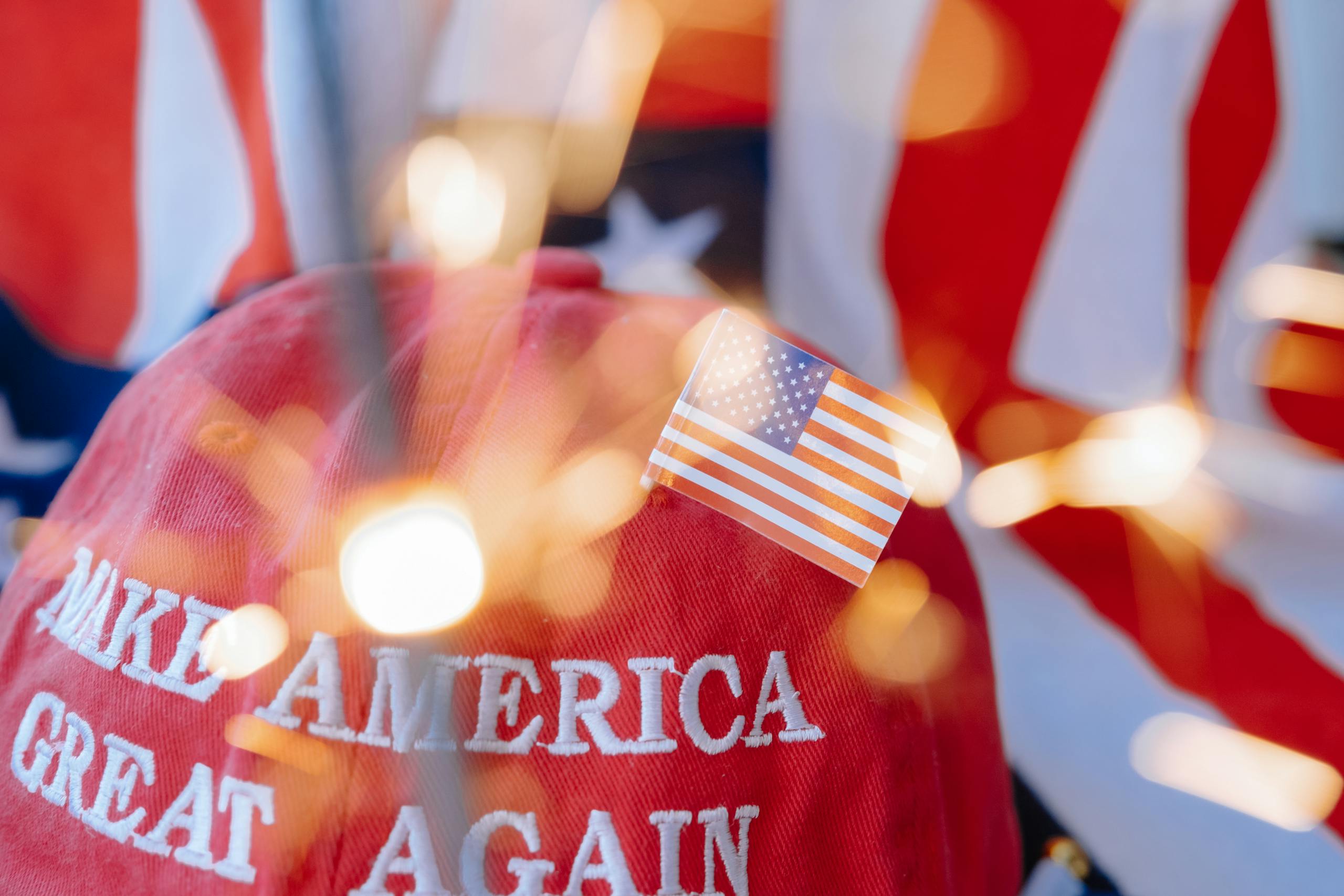
The poll also shows a sharp partisan split.
Republicans are far more likely than Democrats to say the American Dream still works. They are also more likely to call the U.S. exceptional. Democrats and independents show much deeper skepticism.
This is where the debate turns explosive. One side often sees criticism as defeatism. The other sees constant praise as denial. One side says the country needs confidence. The other says confidence without honesty becomes propaganda.
Both sides claim they are defending America.
That is why the 250th anniversary could become less of a shared celebration and more of a national argument. Some Americans will see it as proof that the country endured. Others will see it as a reminder that endurance is not the same as justice, affordability, or trust.
Democracy Is Losing Its Shine Too
The concern goes beyond money.
AP reported that fewer Americans now see democratically elected government as central to the nation’s identity than did several years ago. That should alarm people across the political spectrum.
A country can survive an argument. America has always argued. But it becomes harder to function when people start to believe that the system itself no longer responds to them.
Many voters feel politicians protect their careers before citizens. They see Congress as performative. They see courts as partisan. They see agencies as slow. They see elections as endless warfare. Whether every complaint is fair or not, the distrust is real.
Once people lose faith in the system, patriotic branding cannot fix it. Trust has to be earned in public, repeatedly, and through results that people can feel.
Even Fox Polling Shows the Same Unease
This is not just one poll telling one uncomfortable story.
A recent Fox News survey found that two-thirds of voters described the U.S. in negative terms as the nation approaches its 250th anniversary. Words like divided, struggling, failing, and corrupt appeared in the findings.
That does not mean Americans have given up. It means many are attached to the country but frustrated by its direction. That combination is politically powerful because it can move voters in unpredictable ways.
People who hate a country usually disengage. People who love a country and feel betrayed by it often get loud.
That is the emotional center of this story. The anger is not always anti-American. Sometimes it is disappointed patriotism with nowhere clean to go.
The “Greatest Country” Line Now Comes With Conditions
The phrase “greatest country in the world” still moves many Americans. It carries family stories, military sacrifice, immigrant ambition, religious freedom, civil rights history, business success, and personal pride.
But for more Americans, it now comes with conditions.
Greatest for whom? Greatest compared with what? Greatest in military power, or in daily quality of life? Greatest in wealth, or in how easily working people can build stable lives? Greatest in freedom, or in trust, safety, affordability, and opportunity?
Those questions make some people uncomfortable. They also explain why the poll feels bigger than a headline.
America is not losing its entire sense of self. It is being forced to defend claims it once expected people to accept automatically.
The Real Warning Is Not the 25%
The most dangerous number may not be the 25% who say America stands above every other nation. It may be the 51% who say the American Dream used to be true, but no longer is.
That is the sound of people who still remember the promise but no longer believe the promise reaches them.
The country can survive criticism. It can survive ugly polls. It can survive a bruising anniversary year. What it cannot afford is a growing belief that hard work no longer leads anywhere, that leaders no longer listen, and that national pride is being used to mask private struggle.
America’s 250th birthday will bring flags, music, speeches, and fireworks. But after the smoke clears, the question will still be there: can a country keep calling itself exceptional if millions of its own people feel priced out of the dream?