You decide to eat less sugar, then remember your morning coffee, favorite cereal, and the chocolate you enjoy after dinner. Suddenly, a simple goal feels like a long list of things you cannot have.
There is a more practical approach. Focus on reducing added sugar in your everyday routine while leaving room for foods you enjoy. Fruit and plain milk do not need to disappear. Small changes to drinks, breakfast, snacks, and shopping habits give you somewhere useful to start.
Start With the Sugar in Your Cup
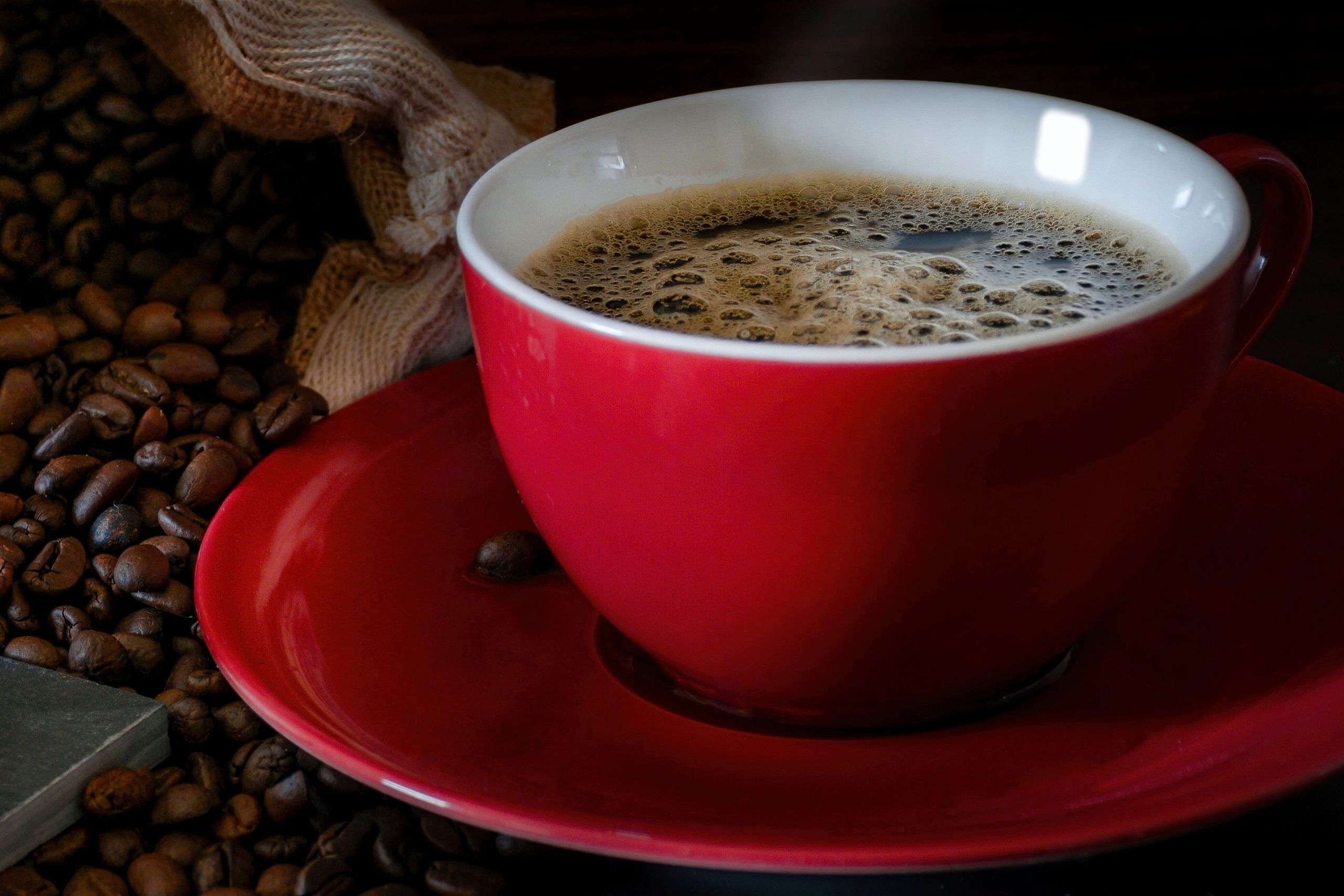
Before changing every meal, look at what you drink. Soda, sweetened tea, flavored coffee, and energy drinks are worth checking. The CDC identifies sugary beverages as a leading source of added sugar in American diets. www.cdc.gov
Choose one drink you have regularly and adjust it. Ask for less syrup in coffee, buy unsweetened tea, or replace your lunchtime soda with sparkling water.
If you add two teaspoons of sugar to tea, try one. Reduce it further when you feel ready. The NHS recommends gradually cutting the sugar you add to hot drinks. www.nhs.uk
Related:7 Best Diet Sodas for Zero Sugar Drinkers
Give Your Usual Breakfast a Small Upgrade
You do not need an entirely new breakfast menu. Keep the foods you like, and change how you sweeten them.
Try plain yogurt with chopped fruit, plain oats with banana and cinnamon, or wholegrain toast with a thinner layer of jam. These are among the breakfast changes the NHS suggests. www.nhs.uk
If plain cereal feels like too big a jump, mix it with your usual sweetened cereal. Gradually increase the plain portion.
Choose a breakfast that fits your morning. A simple option you enjoy is easier to return to than an elaborate recipe you rarely make.
Read Past the Front of the Package
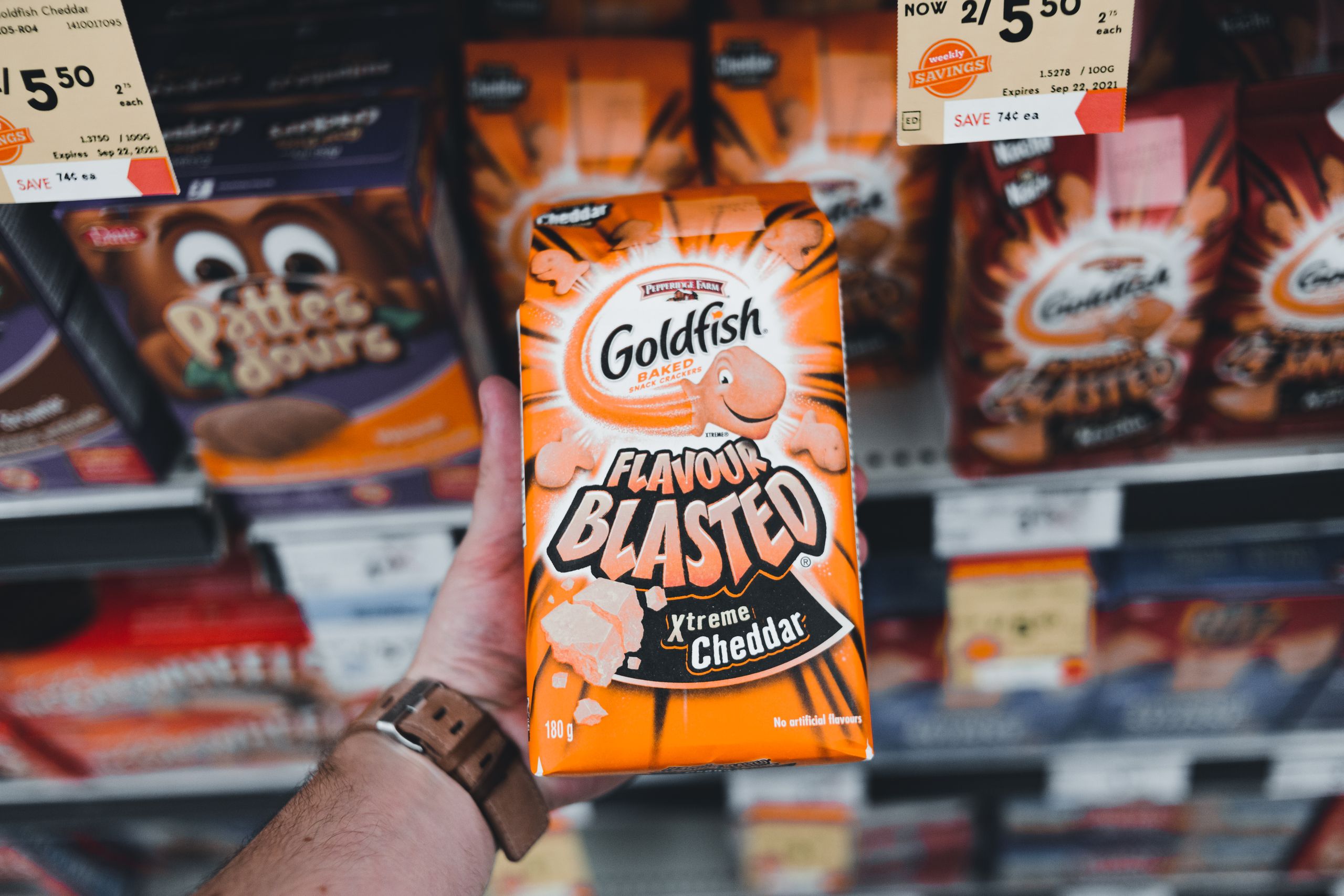
Words like “natural” don’t tell you how much added sugar a product contains. Turn the package around and compare the details.
On American labels, look for “Added Sugars” beneath “Total Sugars.” The FDA explains the difference: total sugars include naturally occurring sugars, such as those in milk and fruit, alongside any added sugars. www.fda.gov
Check serving sizes before comparing products. Start with foods you buy repeatedly, including yogurt, cereal, snack bars, and coffee creamers. Finding an alternative you like can simplify future shopping.
Look Beyond the Dessert Aisle
Your attention might go straight to cookies and cake, but check your everyday sauces too. Some ready-made sauces, dressings, and condiments contain sugar, even when the finished food tastes savory. www.nhs.uk
Compare similar products and choose one with less added sugar when it suits your taste and budget. You can also use less of your usual sauce.
Honey and maple syrup still count as added sugars. Replacing white sugar with either does not automatically reduce your intake. Measure the amount you use rather than assuming a different sweetener gives you unlimited room. www.fda.gov
Prepare a Snack You Actually Want
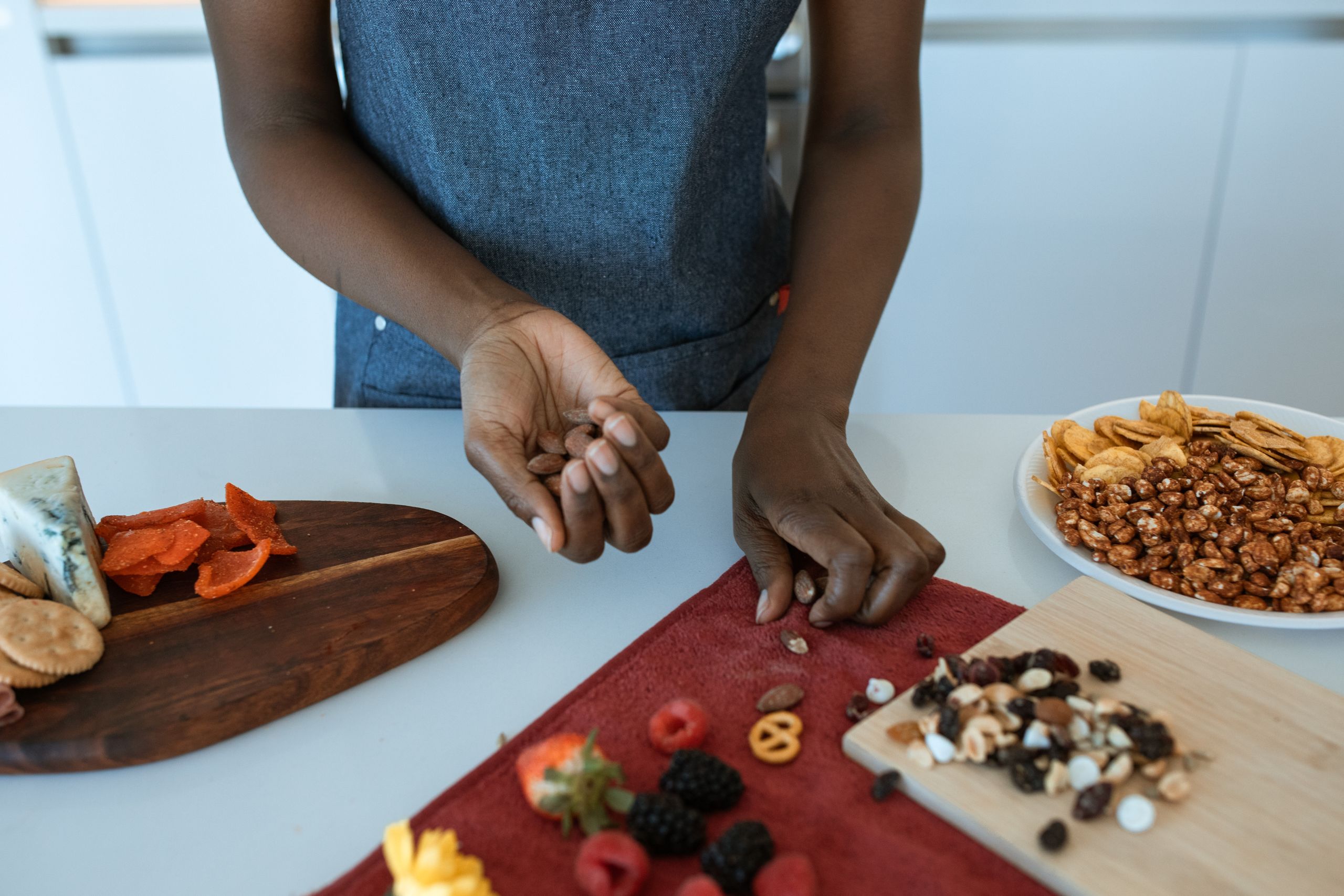
Think about what you enjoy in your usual snack. Is it sweetness, crunch, convenience, or simply having something beside your afternoon tea?
Keep an alternative ready: fresh fruit, unsalted nuts, plain popcorn, or crackers with cheese. The NHS includes these among its suggestions for cutting back on sugary snacks. www.nhs.uk
You can also keep your favorite biscuit and have one instead of two. Put your portion on a plate, then put the packet away. Make the change specific enough that you know what you’ll choose next time.
Leave Room for Your Favorite Dessert
Reducing added sugar doesn’t mean giving up every food that contains it. The CDC notes that favorite foods with added sugars do not need to be eliminated. www.cdc.gov
Decide which treats you value most. Enjoy a smaller serving of the dessert you love, and reconsider the sweets you eat mainly because they are nearby.
Start this week with one drink change. Next, adjust breakfast or your usual snack. Check sauces and other staples the next time you shop. Give each change time to fit your routine, and keep building from choices you can comfortably repeat.