Living alone comes with a kind of freedom that’s difficult to explain until you’ve experienced it. You can decorate however you like, eat dinner whenever you want, leave the television on your favorite channel, and enjoy complete control over your personal space.
There’s no arguing over household chores, negotiating bathroom schedules, or explaining why you want to spend an entire Saturday doing absolutely nothing.
But that independence also comes with responsibilities that are easy to overlook.
When you live alone, no roommate notices a leaking faucet, reminds you about an unpaid bill, or checks whether you’ve locked the front door. Small mistakes that might go unnoticed in a shared household can become expensive, inconvenient, or even dangerous.
The good news? Most of these problems are avoidable with a little planning and a few sensible habits.
Here are nine things to avoid when you live alone.
Never Assume Your Home Is Secure Just Because You Live in a Good Neighborhood
It’s tempting to believe that living in a quiet neighborhood means you don’t have to worry much about home security.
You might leave your door unlocked while taking out the trash, forget to close a ground-floor window, or assume nobody would bother entering your building.
However, a peaceful neighborhood doesn’t guarantee that every property is protected from theft or unauthorized entry.
Make locking doors and accessible windows part of your daily routine, even when you’re home.
Consider using motion-activated outdoor lighting, reliable door locks, and a video doorbell if your living situation allows it.
You don’t need to turn your apartment into a fortress. A few consistent precautions can make your home more secure without complicating everyday life.
Never Let Everyone Know Exactly When You’re Away From Home
Sharing vacation photos and exciting travel plans online can be fun. But announcing that your apartment will be empty for the next two weeks isn’t always the smartest decision.
Public social media posts can reveal more information than you intended, especially when your location, address, or daily routine is easy to identify.
You might casually mention that you’re leaving town, post photographs showing your departure, or share your exact return date.
Instead, share vacation highlights after you return home.
If you’re traveling for an extended period, ask someone you trust to collect packages, check on the property, or report anything unusual.
There’s nothing wrong with celebrating your adventures. You don’t need to provide strangers with a detailed schedule of when your home will be unoccupied.
Never Ignore Small Maintenance Problems Until They Become Expensive
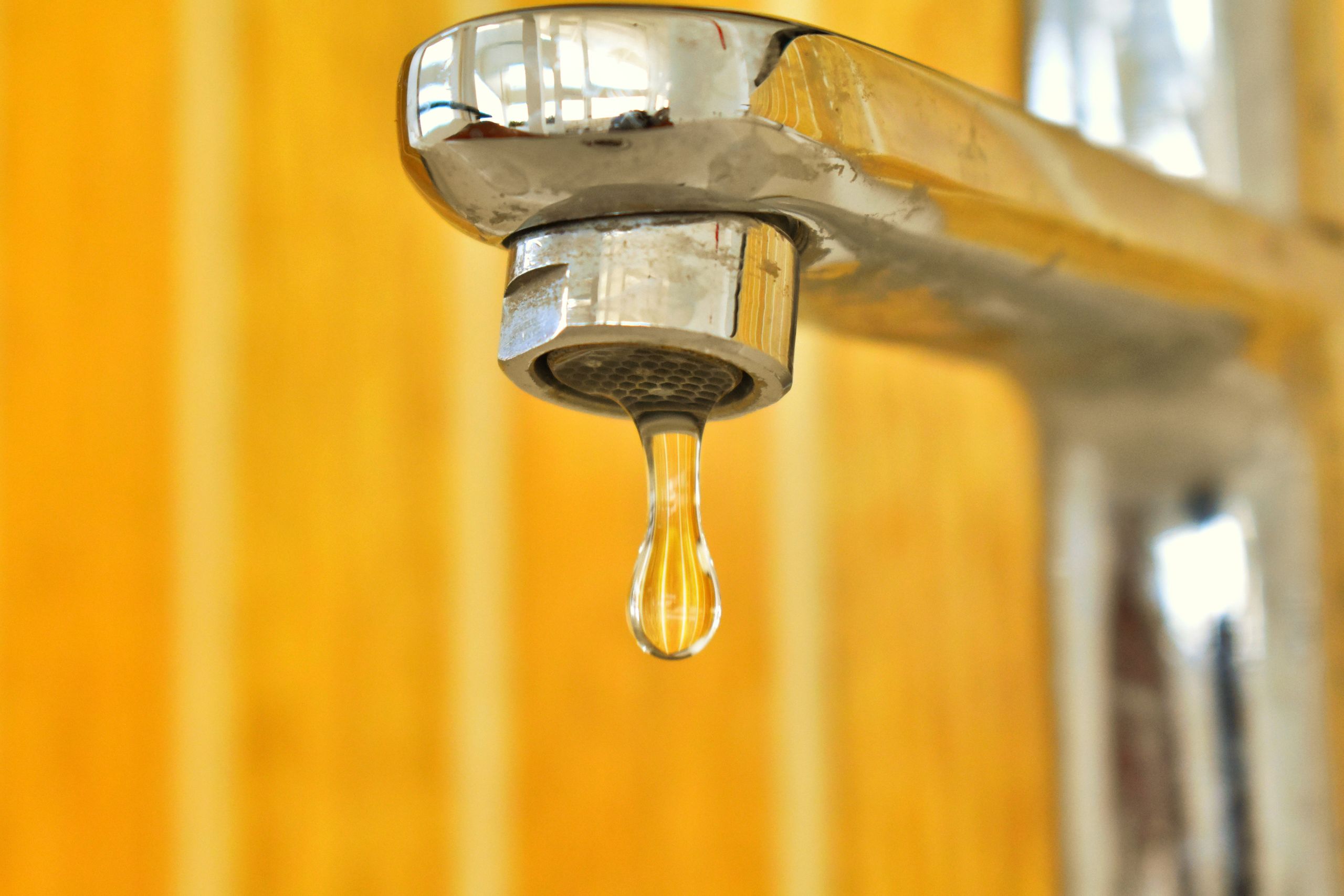
That dripping faucet might seem harmless. So might the strange noise coming from your refrigerator or the small water stain appearing near your ceiling.
When you’re the only person living in a home, it’s surprisingly easy to postpone repairs because nobody else is complaining.
Unfortunately, minor maintenance problems don’t always remain minor.
A slow leak can damage cabinets or flooring. A clogged drain may eventually become unusable, and a malfunctioning appliance might stop working when you need it most.
The practical approach is to address problems early.
If you’re renting, report maintenance concerns to your landlord or property manager promptly. Homeowners should keep a basic maintenance checklist and know when to call a professional.
Fixing something before it becomes a major problem can save considerable time, frustration, and money.
Never Spend Your Entire Paycheck Just Because Nobody Shares Your Bills
Living alone means you have full control over your finances, but it also means you’re responsible for every household expense.
Rent, electricity, internet, groceries, cleaning supplies, furniture, and unexpected repairs can quickly consume your income.
Without a roommate or partner contributing to the bills, financial planning becomes especially important.
One common mistake is treating whatever remains after paying rent as money available for shopping and entertainment.
But irregular expenses tend to show up when you least expect them.
Consider setting aside money for emergencies, annual payments, appliance replacements, and other expenses that don’t occur every month.
Living alone can be wonderfully independent, but that independence becomes much easier to enjoy when your finances have some breathing room.
Never Open Your Door to Strangers Without Knowing Who They Are
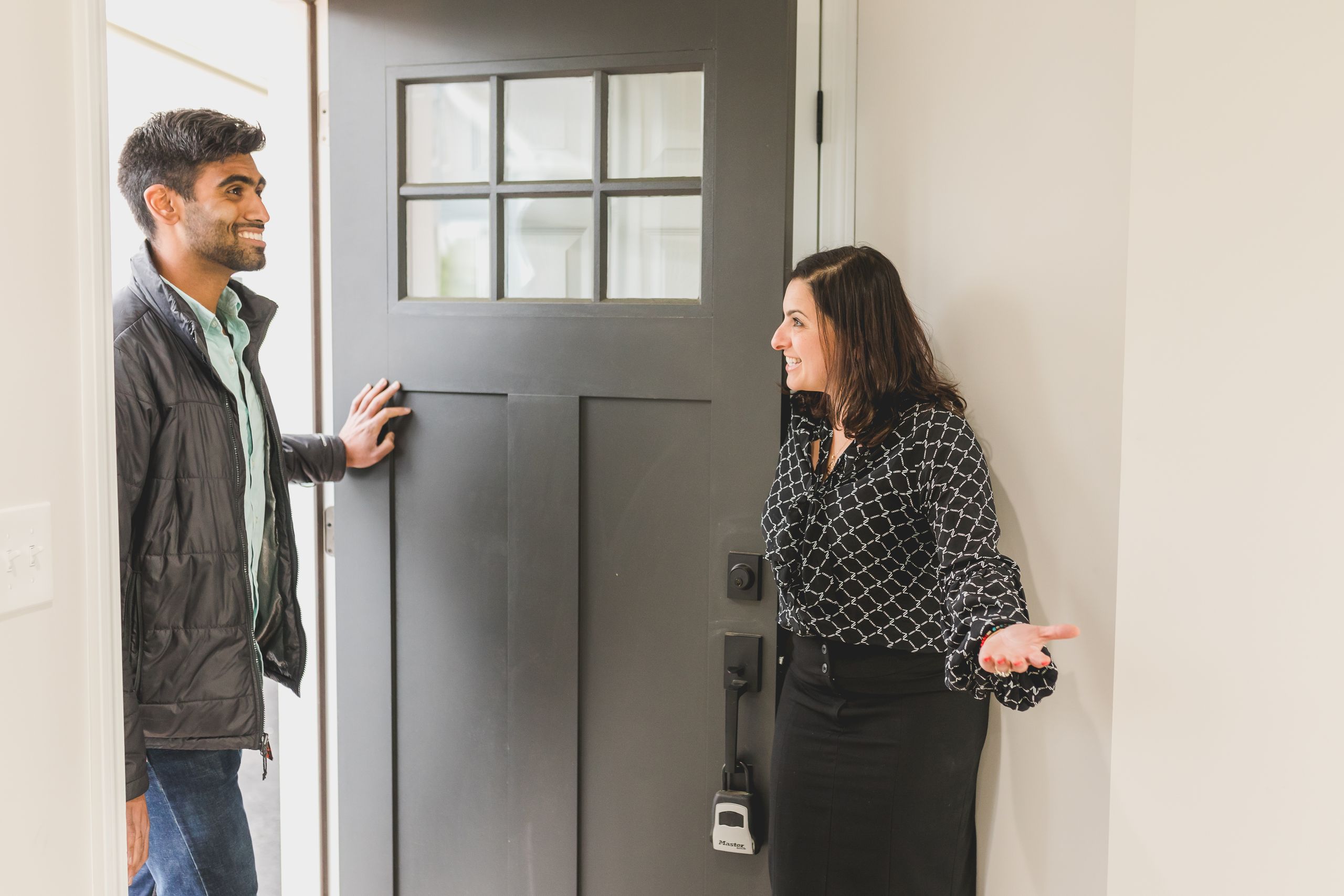
Someone knocks on your door claiming to be from the utility company. Another person says they’re delivering a package you weren’t expecting.
It’s natural to want to be polite, particularly when someone appears to be doing their job.
However, there’s nothing rude about verifying someone’s identity before allowing them inside.
Use a peephole, doorbell camera, or intercom when available. If someone claims to represent a company or building management, contact the organization through an independently verified number.
If you’re expecting maintenance workers, confirm appointments in advance whenever possible.
You can communicate through a closed door while checking the situation.
Being cautious doesn’t mean treating everyone with suspicion. It means understanding that access to your home should always be your decision.
Never Forget About Basic Emergency Preparedness
Imagine waking up during a power outage and realizing you have no flashlight, your phone battery is nearly empty, and you don’t know where your building’s emergency exit is located.
These situations become more stressful when no one else is in the house to help coordinate a response.
Every person living alone should have a basic emergency plan.
Keep essential supplies, including a flashlight, backup phone charger, drinking water, and important contact information, somewhere accessible.
Know how to shut off utilities when appropriate, understand your building’s evacuation routes, and make sure smoke and carbon monoxide alarms are installed where required and functioning properly.
The Ready.gov emergency preparedness guide offers practical recommendations for creating a household emergency kit.
You don’t need an elaborate survival setup. A little preparation can make unexpected situations much easier to manage.
Never Depend Entirely on Food Delivery and Takeout

One of the biggest temptations of living alone is deciding that cooking for one person isn’t worth the effort.
After a demanding day, ordering food can seem easier than preparing dinner and cleaning up afterward.
There’s nothing wrong with enjoying takeout occasionally. The problem begins when convenience becomes an expensive everyday habit that stretches your budget.
Delivery charges, service fees, tips, and repeated restaurant purchases can add up.
Instead, consider keeping a few simple meals in your regular rotation.
Batch cooking, freezing individual portions, and planning meals around ingredients you already own can reduce unnecessary spending and food waste.
You don’t need to prepare elaborate dinners every evening. Even knowing how to make a few affordable, satisfying meals can make living alone more economical.
Never Keep All Your Important Information Where Nobody Else Can Find It
Living independently doesn’t mean you should be the only person who knows every important detail about your household.
Imagine losing your phone while traveling, getting locked out of your apartment, or needing someone to help manage an urgent situation while you’re away.
Would a trusted person know how to contact your landlord, find an emergency spare key, or reach you another way?
Keep important contact information in a secure, accessible place, and identify someone you trust to help during emergencies.
Avoid leaving sensitive account details or passwords in obvious locations. A reputable password manager with appropriate emergency-access features may be useful.
The goal isn’t to give other people unlimited access to your private life.
It’s to make sure a manageable problem doesn’t become a major crisis simply because nobody knows whom to contact.
Living Alone Is About Freedom, but Also Responsibility
Having a place entirely to yourself can be one of life’s most enjoyable experiences.
You decide how your home looks, how your time is spent, and what routines work best for your lifestyle.
However, that freedom also means paying closer attention to the responsibilities of managing a household on your own.
From keeping your home secure and preparing for emergencies to handling your finances and maintaining social connections, small habits can make a significant difference.
You don’t need to become overly cautious or give up the spontaneity that makes independent living enjoyable.
The secret to living alone successfully isn’t doing everything yourself. It’s creating a home and routine that let you enjoy your independence without unnecessary stress, expense, or avoidable problems.