Sen. Lisa Blunt Rochester, D-Del., avoided a direct answer Wednesday when asked where socialism has been beneficial, one day after New York City Mayor Zohran Mamdani’s endorsed candidates won major Democratic House primaries in New York.
The exchange placed the first-term senator in the middle of a growing party debate after three endorsed congressional candidates advanced in Tuesday’s contests. The results gave Mamdani a clear political victory and increased pressure on Democrats to define how far left the party’s economic message should move before the 2026 general election.
Blunt Rochester avoids a direct answer.
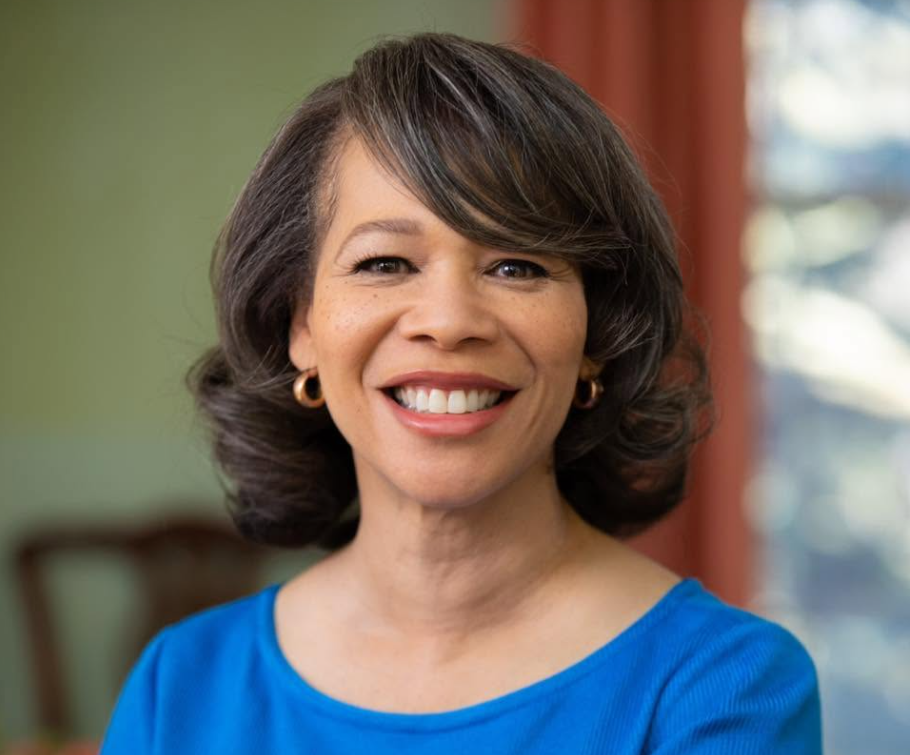
Blunt Rochester appeared on CNBC’s “Squawk Box” after Tuesday’s New York primaries. Host Joe Kernen asked her about the victories by left-wing candidates and then pressed her on socialism.
The Delaware Democrat first focused on voter participation. She said political engagement was positive, especially as the country approaches its 250th anniversary.
She also said Democratic campaigns must reflect local priorities. Her answer pointed to Alaska Senate candidate Mary Peltola, whose campaign message includes “fish, family and freedom.”
Kernen then asked where socialism had worked. Blunt Rochester did not offer an example. She replied by asking whether the question was for that interview or a future one.
Kernen repeated the question. Blunt Rochester said they could discuss “all the races across the country” when she returned for another interview. The senator avoided a direct answer during the televised exchange.
Mamdani allies win key races.
The New York results gave Mamdani a sweep in the races where he placed his political weight. The mayor endorsed Darializa Avila Chevalier, Brad Lander, and Claire Valdez before Tuesday’s Democratic primaries.
Avila Chevalier defeated Rep. Adriano Espaillat in New York’s 13th Congressional District. Lander defeated Rep. Dan Goldman in the 10th District. Valdez defeated Brooklyn Borough President Antonio Reynoso in the 7th District primary.
Those outcomes included two sitting members unseated by candidates aligned with Mamdani’s left-wing coalition. Valdez won the nomination to succeed retiring Rep. Nydia Velázquez, who had endorsed Reynoso.
All three winners are expected to be strong favorites in November because their districts are heavily Democratic. If they win the general election, Mamdani will have three close allies entering Congress in January.
Results expose party tensions.
The victories sharpened a long-running Democratic dispute over economic policy, foreign policy, and party identity.
The winners ran on progressive platforms focused on affordability, housing, health care, and opposition to corporate influence. Their campaigns also reflected anger among many Democratic voters over U.S. support for Israel’s war in Gaza.
Lander’s race against Goldman focused partly on that divide. Lander was more critical of Israel’s conduct in Gaza than Goldman, who has long identified as strongly pro-Israel.
Avila Chevalier’s win was one of the most significant upsets of the night. She challenged Espaillat, a senior New York Democrat and chairman of the Congressional Hispanic Caucus.
Valdez’s victory also showed the strength of the city’s organized left. She won in a district that includes parts of Brooklyn and Queens and has become one of the clearest centers of democratic socialist organizing in New York.
Republicans see a campaign opening.
Republicans are expected to use the New York results to argue that Democrats are moving further left. The CNBC exchange gave them a simple clip involving a Democratic senator and a direct question about socialism.
That attack may carry more weight in competitive districts outside New York. Candidates in swing seats often try to distance themselves from ideological fights in large cities.
Blunt Rochester’s answer reflected that challenge. A direct defense of socialism could create problems for Democrats in moderate districts. A direct criticism of the New York winners could anger progressive voters who helped drive turnout.
Her answer instead moved back to local politics and cost-of-living concerns. She said Democrats must listen to voters and fight for people facing economic pressure.
That argument may work in some places. But the New York results mean Democratic candidates will likely face more direct questions about socialism, democratic socialism, and the party’s economic agenda.
Affordability drove the left’s message.
The New York campaigns centered heavily on affordability. Rent, wages, health care costs, and household expenses remain major concerns for many voters in the city.
Mamdani’s allies argued that establishment Democrats had not done enough to confront those pressures. Their campaigns linked economic frustration to calls for stronger government action.
That message resonated in districts where many voters are renters, younger residents, immigrants, or working-class families. It also appealed to activists who want Democrats to take a harder line against large donors and corporate influence.
The risk for national Democrats is different. Policies that win in deep-blue districts may not translate easily to suburban or rural battlegrounds.
That is why Blunt Rochester’s “politics are local” response matters. It showed how Democrats may try to separate New York’s results from the national party brand.
Mamdani’s influence grows.
Mamdani’s rise has quickly changed New York Democratic politics. His own victory in the 2025 mayoral race proved that a democratic socialist campaign could win citywide.
Tuesday’s primary results showed that his influence now extends beyond City Hall. His endorsements helped shape congressional races across Manhattan, Brooklyn, Queens, and the Bronx.
The candidates were aligned with Democratic Socialists and ran against establishment-backed opponents. Their wins suggest that the city’s left-wing coalition can challenge incumbents and party-backed candidates with disciplined campaigns.
That creates new pressure for House Democratic leaders. If Democrats win the House, leaders may need to manage a caucus with a stronger left-wing bloc from New York.
The immediate challenge is messaging. The longer challenge is governing with members who may push harder on housing, immigration enforcement, Israel policy, and public spending.
General election moves into focus.
The latest known status is that Avila Chevalier, Lander, and Valdez have advanced from their Democratic primaries and are expected to compete in heavily Democratic districts in November.
Blunt Rochester has not issued a more comprehensive public answer to the question of socialism as of the latest available update. A request for additional comment had been sent to her office.
The next test comes in the general election campaign. The New York winners will try to turn primary momentum into congressional seats, while Republicans and centrist Democrats test how far Mamdani’s brand can travel beyond the city.
For now, the political result is clear. New York’s left won a major primary night, and Democrats across the country now face a sharper question about how they define their party before November.