Cooking is one of those skills that looks effortless when someone else is doing it. You watch a chef toss ingredients into a pan, add a few seasonings, and somehow produce a delicious meal. Then you try the same thing at home, and suddenly the onions burn, the chicken dries out, and dinner looks nothing like the recipe photo.
The good news? You don’t need expensive equipment, fancy ingredients, or professional training to cook better.
Most cooking improvements come from small habits that make a big difference. Learning to control heat, season properly, and prep ingredients can transform everyday meals.
Whether you’re just starting or have been cooking for years, these 15 practical tips can help you feel more confident in the kitchen.
Read the Entire Recipe Before You Start
One of the easiest ways to ruin a meal is to start cooking before you understand what comes next.
Imagine discovering halfway through that your sauce needs 30 minutes to simmer, but your pasta is already cooked and sitting in the strainer.
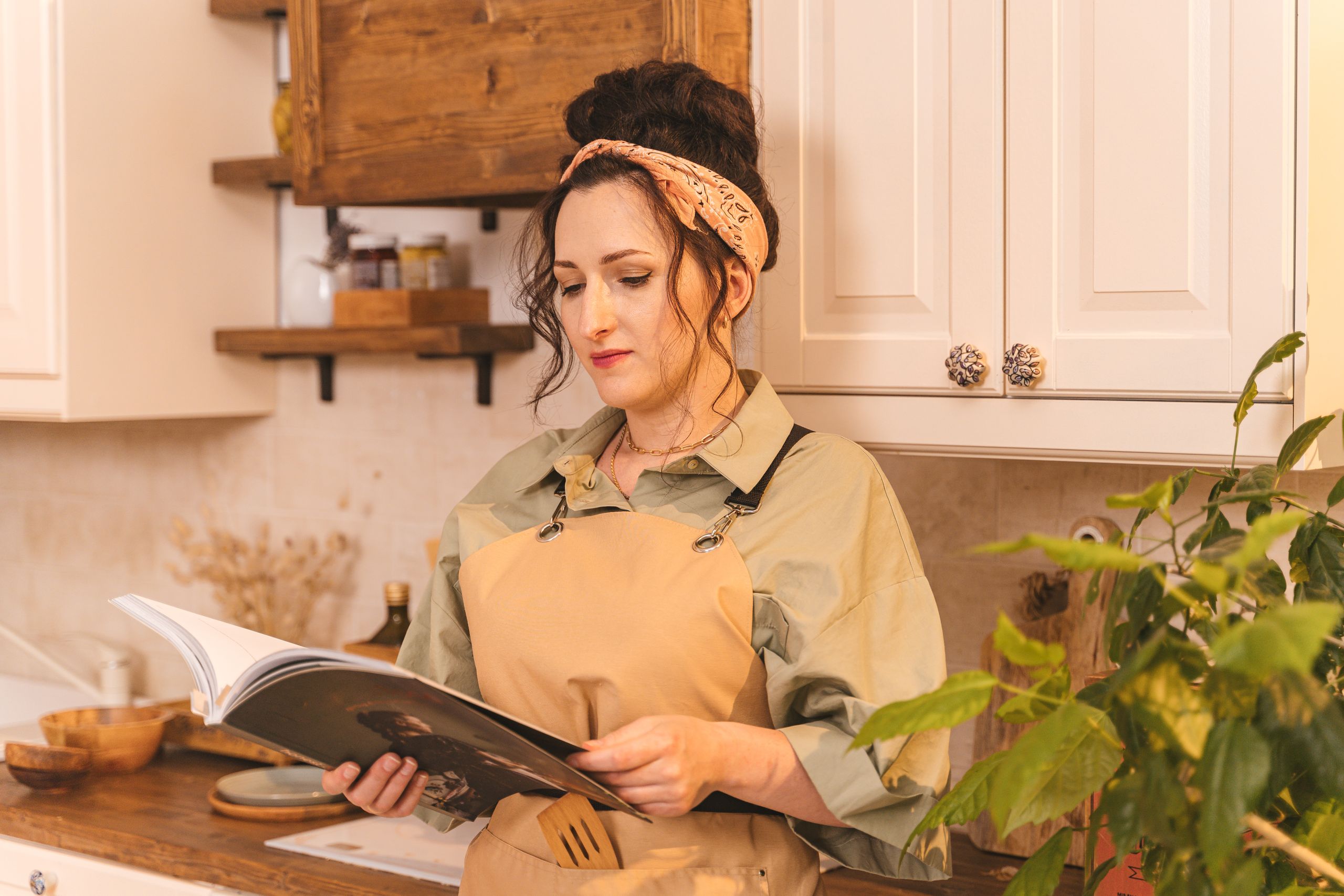
Before turning on the stove, read the recipe from beginning to end. Check the ingredients, cooking times, and equipment required.
Pay attention to instructions like marinating overnight, preheating the oven, or letting ingredients reach room temperature when appropriate.
A few minutes of preparation can prevent unnecessary stress and help everything come together smoothly.
Prepare Your Ingredients Before Cooking
Professional kitchens use a technique called “mise en place,” a French expression meaning “everything in its place.”
It’s a simple habit home cooks can adopt right away.
Before cooking, chop your vegetables, measure your seasonings, and arrange the ingredients where you can easily reach them.
This is especially useful when you’re making stir-fries or other dishes that cook quickly.
Instead of frantically searching for garlic while the onions burn, you’ll have everything ready.
It also makes cleanup easier because you can put away ingredients and packaging before things get busy.
Learn to Control Your Cooking Temperature
Not every dish needs high heat.
In fact, using too much heat is one of the quickest ways to burn the outside while leaving the inside undercooked.
High heat works well for certain tasks, such as searing meat or quickly cooking vegetables in a wok.
Medium heat often works best for sautéing onions, making pancakes, and cooking everyday skillet meals.
Low heat is useful for gently simmering sauces or melting delicate ingredients.
Pay attention to what happens in the pan. If garlic turns dark almost immediately or butter starts burning, reduce the heat.
Understanding your stove’s temperature settings will make cooking much more predictable.
Taste Your Food Throughout the Cooking Process
Ever finish preparing dinner, take one bite, and realize it desperately needs seasoning?
That problem is often avoidable.
Instead of waiting until the meal is finished, taste your food at appropriate stages of cooking.
A sauce might need more salt, a squeeze of lemon, or a little extra spice. Soup might taste flat until you adjust the seasonings.
Make small changes, stir, and taste again.
Use a clean spoon each time, and don’t taste raw meat mixtures or foods that haven’t reached a safe cooking temperature.
Over time, you’ll become better at recognizing what a dish needs without relying entirely on measurements.
Related Posts:
11-essential-life-skills-schools-dont-teach-but-everyone-needs
Keep Your Knives Sharp
A sharp kitchen knife makes meal prep faster and more precise.
Surprisingly, a dull knife can be harder to control because it takes more force to cut through ingredients.
You don’t need a collection of expensive knives.
A reliable chef’s knife, a smaller paring knife, and a suitable cutting board are enough for many everyday tasks.
Learn basic cutting techniques, including keeping your fingertips tucked away from the blade.
Practice slicing onions, dicing tomatoes, and cutting vegetables into evenly sized pieces.
Your chopping speed will improve naturally as your technique develops.
Stop Overcrowding Your Frying Pan
Have you ever tried frying mushrooms or chicken pieces, only to end up with a pan full of liquid?
The problem might be overcrowding.
When too many ingredients are packed into a pan, moisture can accumulate faster than it evaporates.
Instead of developing a nicely browned surface, the food may steam in its own juices.
Give ingredients enough space, especially when browning meat, mushrooms, or potatoes.
If your pan is small, cook in batches.
It may take a little longer, but the improved texture and flavor can make the extra effort worthwhile.
Understand How Salt, Acid, and Fat Affect Flavor
Good cooking isn’t always about adding more spices.
Sometimes, a dish needs better balance in its basic flavors.
Salt enhances ingredients’ natural taste. Acid, such as lemon juice or vinegar, can brighten a sauce that feels heavy or flat.
Fat, including butter and cooking oils, adds richness and helps carry flavors.
For example, if a tomato sauce tastes dull, try a small adjustment of salt or acidity before adding another spoonful of dried herbs.
Learning how these elements work together makes it easier to improve meals without following recipes word for word.
Use a Food Thermometer Instead of Guessing
Cutting into meat to check whether it’s cooked can release juices, and appearance alone cannot tell you whether food is safe.
A digital food thermometer removes much of the guesswork.
According to the USDA, chicken should reach 165°F internally, while ground beef should reach 160°F.
Insert the thermometer into the thickest part of the food, avoiding bones.
This simple tool helps you cook meat safely without relying on uncertain visual clues.
Let Your Pan Heat Properly
A common mistake is adding ingredients before the pan reaches the temperature the recipe requires.
For dishes that require browning, insufficient heat can leave food pale and less flavorful.
However, not every pan should be heated empty. Nonstick cookware, for example, requires extra care to avoid overheating.
Follow the cookware manufacturer’s instructions and watch how the oil behaves.
If it begins smoking excessively, the pan may be too hot.
Learning when your cookware is ready will help you achieve more consistent results.
Learn a Few Basic Cooking Techniques
You don’t need to master complicated restaurant recipes to become a capable home cook.
Start with fundamental techniques such as roasting, sautéing, boiling, steaming, and simmering.
Practice roasting vegetables until their edges turn golden. Learn to cook fluffy rice or scramble eggs without drying them out.
Once you’re comfortable with these basics, combining them becomes easier.
A simple dinner of roasted vegetables, seasoned chicken, and rice can teach you several valuable skills.
Mastering everyday techniques is often more useful than memorizing dozens of elaborate recipes.
Give Meat Time to Rest
It’s tempting to slice into a freshly cooked steak the moment it leaves the pan.
However, resting can help retain juices when the meat is cut.
Resting times vary by cut and cooking method. Large roasts generally require longer than smaller portions.
For whole cuts of beef, pork, veal, and lamb, the USDA specifies a minimum three-minute rest after reaching 145°F.
Use this time to finish your side dishes, set the table, or clean your workspace.
A little patience can make serving dinner much easier.
Experiment With Herbs and Spices
If your meals taste repetitive, start by experimenting with your seasoning collection.
Garlic, paprika, cumin, oregano, rosemary, and black pepper can create noticeably different flavors using familiar ingredients.
Try adding smoked paprika to roasted potatoes or oregano to a tomato-based sauce.
Start with small quantities and adjust gradually.
You can also explore seasoning combinations inspired by different cuisines.
The goal isn’t to add as many spices as possible. It’s to understand which flavors complement one another.
Keep Your Kitchen Clean as You Cook
A messy kitchen can make even a simple recipe feel overwhelming.
Instead of leaving every bowl, utensil, and cutting board until the end, clean as you go.
Wash utensils while a sauce simmers or wipe countertops while something bakes.
Keep raw meat and its juices separate from ready-to-eat foods, and wash surfaces that touch raw ingredients.
The USDA recommends four basic food safety practices: clean, separate, cook, and chill.
These habits make the kitchen safer and help you finish cooking without facing a mountain of dishes.
Cook the Same Recipe More Than Once
Trying a new recipe every evening might sound exciting, but repetition can be one of the most effective ways to improve.
Choose a simple dish you enjoy, such as pasta with tomato sauce, vegetable stir-fry, or roasted chicken.
Prepare it several times, making small adjustments each time.
Your first attempt may need more seasoning. The second could benefit from cooking at a lower heat. By the third, you might discover a preparation method that works perfectly for your kitchen.
Repeating familiar recipes helps you recognize mistakes and understand what produces better results.
Eventually, you may no longer need to check every instruction.
Don’t Be Afraid to Make Mistakes
Every experienced cook has burned something, oversalted a sauce, or forgotten an important ingredient.
Mistakes are part of learning.
If your vegetables come out soggy, consider whether you overcrowded the pan. If your pancakes burn, try lowering the heat next time.
Not every dish can be rescued, and you should never save food that has been handled or cooked unsafely through guesswork.
But ordinary cooking disappointments can teach valuable lessons.
Instead of expecting perfect results, focus on understanding what happened and what you can change.
The more often you cook, the more comfortable you’ll become making decisions without constantly checking a recipe.
Better Cooking Starts With Small Changes
Becoming a better cook doesn’t require transforming your kitchen or learning complicated culinary techniques overnight.
It starts with simple habits: preparing ingredients, controlling heat, tasting and adjusting seasonings, and practicing recipes until they become familiar.
Even small improvements can change how enjoyable cooking feels.
The next time you prepare dinner, choose just one of these tips and put it into practice. Before long, you’ll discover that making satisfying homemade meals feels less like a challenge and more like something you genuinely enjoy.
Posts You May Like:
top-10-cooking-mistakes-you-should-avoid-for-perfect-dishes-every-time
.