Who decided eggs belong in the morning, porridge needs sugar, and leftover bread cannot make a good breakfast? Somewhere along the way, breakfast picked up a collection of unwritten rules that many of us follow without questioning.
But food traditions are not universal instructions, and some of the best morning meals happen when we ignore the usual expectations.
From savory oatmeal to leftover-bread French toast, these five breakfast conventions deserve a little reconsideration.
Breakfast Has to Come From the Breakfast-Food Aisle
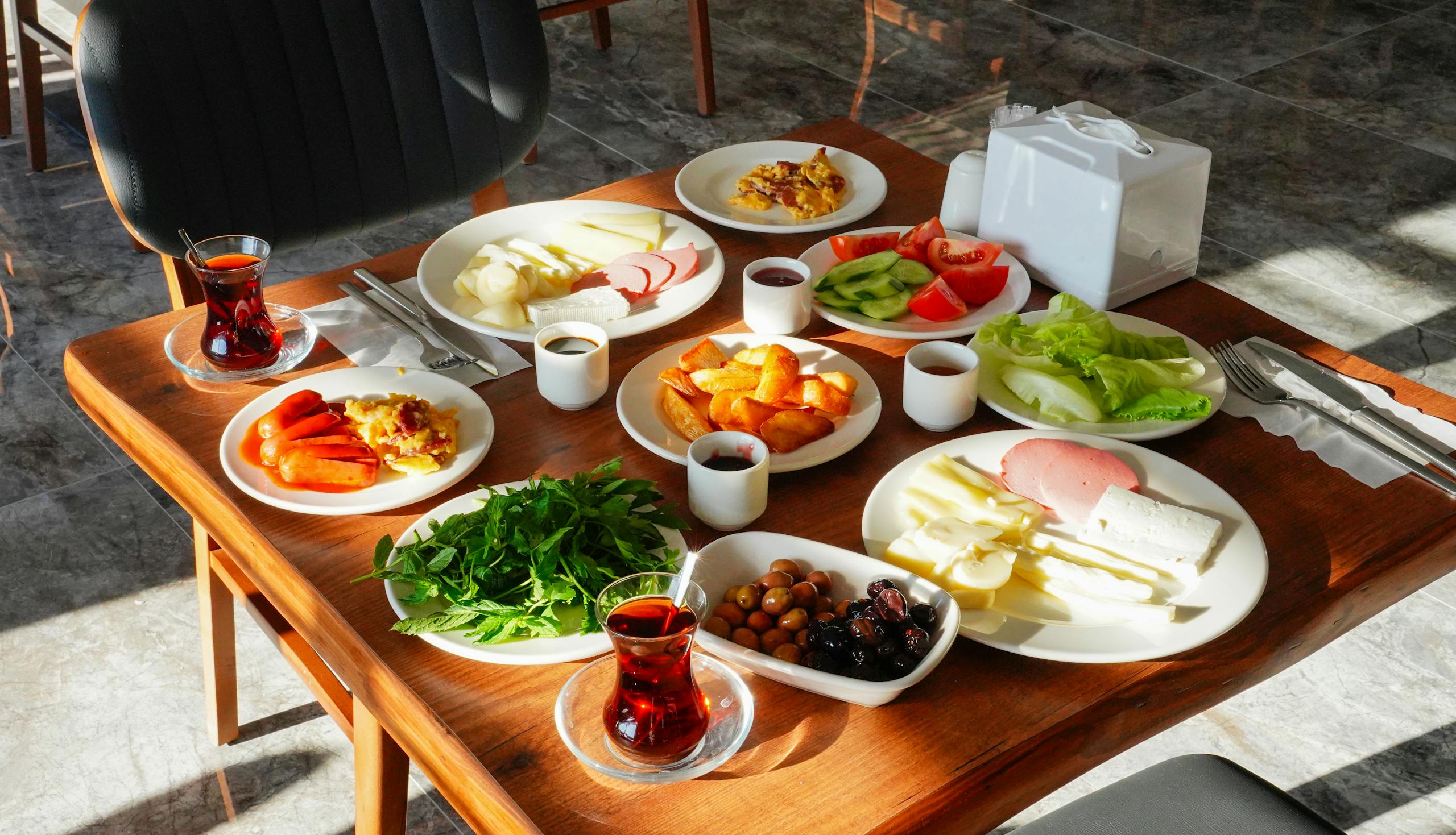
Somehow, we have become accustomed to treating cereal, toast, bacon, pancakes, and pastries as the official breakfast lineup. But a morning meal does not need to follow a supermarket aisle or a familiar American menu to count as breakfast.
Consider a traditional Japanese breakfast, which can include steamed rice, miso soup, fish, pickles, tofu, vegetables, seaweed, and egg dishes. The Japan National Tourism Organization describes it as a collection of smaller dishes, showing just how different breakfast traditions can be around the world.
The interesting part is that these foods are not necessarily special breakfast ingredients. They are familiar foods arranged into a morning meal.
The verdict: Rice, vegetables, fish, and soup deserve a place at the breakfast table just as much as cereal and toast. There is no reason to limit morning cooking to a handful of supposedly approved foods.
Porridge Must Always Be Sweet
For many people, oatmeal means brown sugar, cinnamon, honey, bananas, or berries. That combination is familiar, but it is hardly the only way to prepare a bowl of oats.
Quaker’s Savory Breakfast Bowl offers a different approach, combining oats with spinach, chopped tomatoes, and mozzarella. The recipe uses either quick or old-fashioned oats, with cooking times that vary by type. Quaker also publishes other savory oatmeal preparations featuring ingredients such as Parmesan, peas, stock, sausage, and vegetables. Quaker’s savory oatmeal recipe.
This turns oatmeal into something closer to a savory grain bowl than a traditional sweet porridge. It also gives people another way to use an ingredient they might otherwise reserve for fruit and sugar combinations.
The verdict: Sweet oatmeal is lovely, but savory oats deserve equal consideration. A little cheese, vegetables, or seasoning can take breakfast in a completely different direction.
Related Posts
- How to Make a Savory Breakfast Strata With Bread You Already Have at Home
- 12 Breakfast Classics That Deserve a Delicious Comeback
Eggs Belong Only on the Morning Menu
Eggs have become closely associated with breakfast plates, omelets, and weekend brunch. Yet there is no reason to treat them as ingredients with a morning-only schedule.
Shakshuka is a perfect example. This North African dish features eggs gently cooked in a spiced tomato-based sauce, usually served with bread for scooping up the flavorful mixture. Good Food includes shakshuka among dishes suitable for breakfast, brunch, or supper.
That flexibility reminds us that ingredients don’t have to stay tied to one particular meal. Eggs can become part of a substantial evening dish just as easily as they can be served alongside morning toast.
The verdict: Keep the scrambled eggs and breakfast omelets, but do not reserve every egg in the refrigerator for the morning. Shakshuka makes a convincing case for enjoying them later in the day.
A Proper Breakfast Must Be Hot
There is something comforting about a warm breakfast, especially when it includes freshly cooked eggs, toast, or porridge. Still, the idea that breakfast must arrive steaming from the stove overlooks plenty of enjoyable no-cook preparations.
Overnight oats are a straightforward example. The preparation involves combining rolled oats with liquid and allowing the mixture to soften in the refrigerator before serving. Good Food’s recipe uses rolled oats, water or milk, yogurt, berries, honey, and nut butter.
The appeal is that much of the preparation happens ahead of time. Instead of cooking a bowl of porridge in the morning, you can prepare the mixture the previous evening and serve it chilled.
Other no-cook breakfast ideas include Bircher muesli, yogurt-based fruit pots, and chia bowls, all featured in Good Food’s breakfast collection.
The verdict: Hot breakfasts have their charm, but cold breakfasts deserve a place in the routine too. Temperature is a preference, not a requirement for a satisfying morning meal.
Yesterday’s Bread Has No Place at Breakfast
Freshly baked bread is wonderful, but throwing away yesterday’s loaf just because it’s lost some softness is an unnecessary restriction.
French toast is one of the clearest examples of why slightly stale bread still has a purpose in the kitchen. King Arthur Baking’s French toast recipe specifically calls for somewhat stale bread, explaining that bread a few days old can absorb the egg custard effectively. It recommends sturdy varieties such as challah or English muffin toasting bread.
The same bakery also highlights stale bread as a useful ingredient for other preparations, including bread pudding. Instead of treating yesterday’s loaf as a failed purchase, it can become the starting point for another breakfast or dessert.
Of course, there is a difference between bread that has simply dried out and bread that has spoiled. Leftover bread should still be safe to eat.
The verdict: A fresh loaf is not the only bread worth bringing to the breakfast table. Sometimes yesterday’s bread is exactly what today’s recipe needs.
Breakfast traditions can make mornings enjoyable, but they should leave room for creativity. Keep the dishes you love, experiment with different ingredients, and stop treating every breakfast habit as a rule.