A new baby changes the budget before the crib is assembled, before the first pack of diapers runs out, and long before anyone starts thinking about college tours. The sweet part is obvious. The expensive part usually arrives quietly through hospital bills, childcare deposits, rushed baby purchases, bigger housing costs, and one more subscription or “must-have” gadget that somehow slips into the cart at midnight.
New parents do not need fear-based money advice. They need a calm, practical plan that protects the baby, protects the household, and keeps panic spending from becoming the family’s first financial tradition. The USDA’s most cited estimate found that a middle-income married couple could spend $233,610 raising a child born in 2015 through age 17, and that figure does not include college.
Buying Too Much Baby Gear Before Knowing What the Baby Actually Needs
The first big money trap is emotional shopping. New parents are often told that love looks like a nursery full of matching furniture, bottle warmers, wipe warmers, rocking chairs, swings, monitors, carriers, sterilizers, tiny shoes, and a wardrobe the baby will outgrow before the tags feel old. The baby industry is excellent at making ordinary uncertainty feel like a shopping emergency.
We should separate true essentials from “nice to have” purchases before the baby arrives. A safe sleep space, car seat, diapers, wipes, basic clothing, feeding supplies, and health items matter more than a themed room packed with products that may be used only a few times.
Babies grow fast, preferences vary, and some highly recommended items become useless because one child hates the swing, refuses the bottle, or only settles when held.
Underestimating Childcare Costs Until It Is Too Late

Childcare can become the financial shock that changes everything. Many parents spend months comparing strollers and only a few weeks comparing daycare, nanny shares, family care, waitlists, deposits, and backup care. That order should be reversed because childcare can cost more than many families expect.
Recent childcare data shows how heavy the burden has become. A 2025 American Family Survey highlighted by the First Five Years Fund reported an average annual price of $15,570 for center-based child care. Care.com’s 2026 Cost of Care report found that one in five families spends more than $30,000 per year on child care, and 78% spend at least 10% of household income on it.
New parents should research childcare before the baby arrives, not after parental leave is almost over. We should compare licensed daycare centers, in-home providers, nanny shares, employer childcare benefits, flexible work schedules, nearby relatives, and backup care options.
Choosing the Wrong Health Insurance Plan for a Growing Family
The cheapest monthly premium can become expensive once pregnancy, delivery, pediatric care, prescriptions, and specialist visits are factored in. New parents often look at the monthly payment and miss the deductible, out-of-pocket maximum, hospital network, maternity coverage, pediatric coverage, urgent care access, and prescription rules. That mistake can turn a “cheap” plan into a costly surprise.
Health coverage is especially important because family premiums are already high. KFF reported that annual premiums for employer-sponsored family health coverage reached $26,993 in 2025, with workers contributing an average of $6,850 toward that cost. The average deductible for covered workers in plans with a general annual deductible was $1,886 for single coverage.
Waiting Too Long to Save for Education
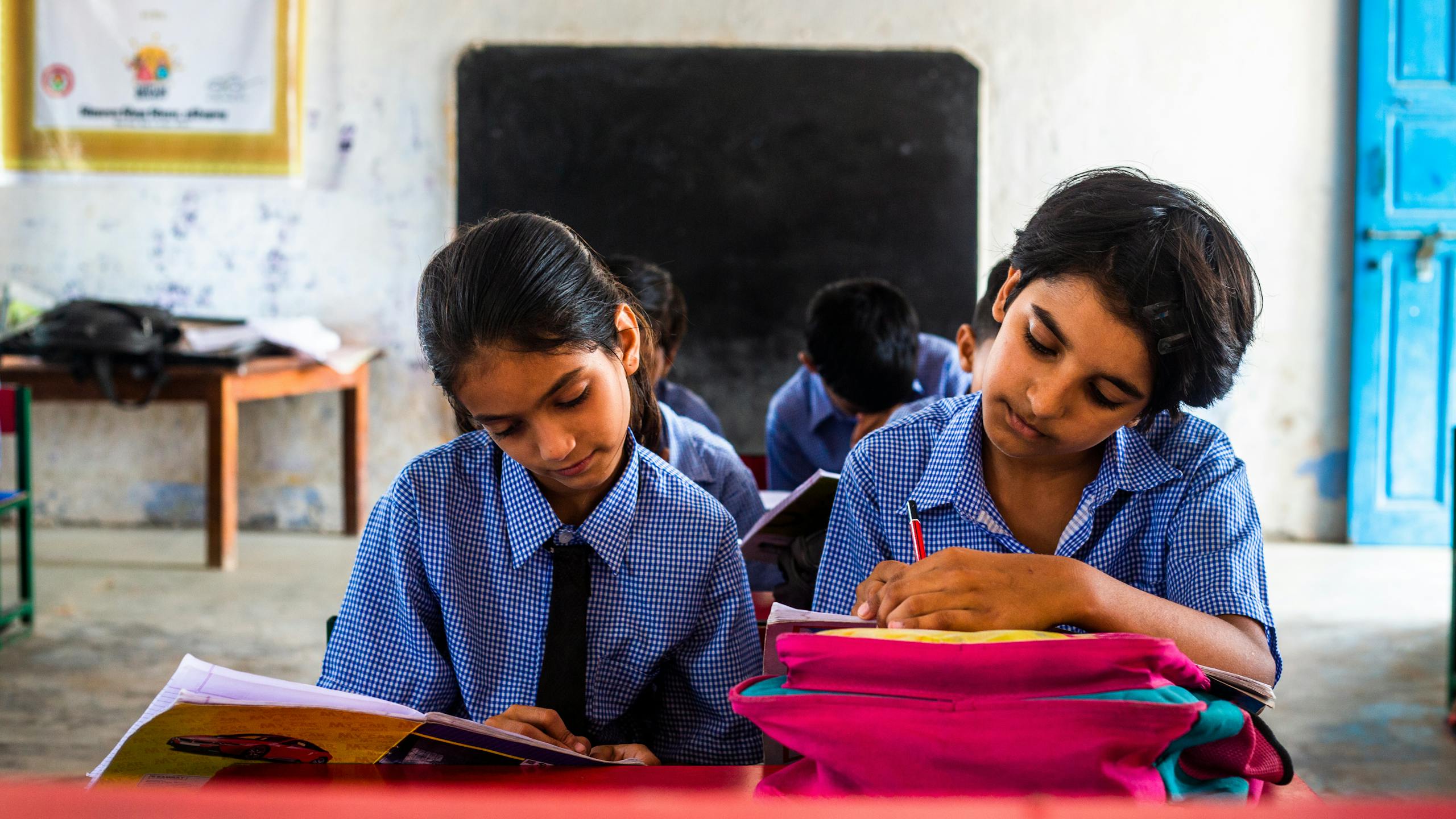
College may feel far away when a baby is still learning to roll over, but time is the strongest advantage parents have. Waiting until middle school or high school forces families to save aggressively during years when other costs may also be rising. Starting early gives even small contributions more room to grow.
College prices remain a major planning issue. College Board’s 2025 pricing highlights show average published tuition and fees of $11,950 for in-state students at public four-year colleges, $31,880 for out-of-state students at public four-year colleges, and $45,000 at private nonprofit four-year colleges for 2025 to 2026. Those figures are tuition and fees, before adding many other costs families often face.
Moving to a Bigger Home Before Running the Full Cost
A new baby can make a small home feel smaller overnight. The temptation is to upgrade quickly, especially when strollers, bassinets, diapers, toys, and visitors start crowding every corner. Still, a bigger home is not just a bigger mortgage or rent payment.
We should calculate the full cost of moving before making the leap. A larger home may bring higher property taxes, insurance, utilities, maintenance, furniture costs, moving expenses, commute costs, and repair bills. Families who buy too soon can become house-poor while paying for daycare, medical costs, and baby supplies.
Skipping Life Insurance and Estate Planning

Many new parents avoid life insurance and estate planning because the topic feels uncomfortable. That discomfort can leave the family exposed. Once a child depends on a parent’s income, caregiving, or household labor, the financial plan should include protection against the worst-case scenario.
Term life insurance is often the practical starting point for young families because it provides coverage for a set period. The National Association of Insurance Commissioners explains that term life insurance pays money to named beneficiaries if the insured person dies during the term and is intended to provide lower-cost coverage for a specific period.
Forgetting About Lost Income During Leave
The baby’s arrival often comes with a hidden income problem. Some parents receive paid leave, some receive partial pay, and others receive little or no paid time off. Even families with good salaries can feel strained when income drops just as expenses rise.
We should calculate parental leave as a cash flow event. How many weeks will be paid? At what percentage of income? Are bonuses, commissions, tips, overtime, or contract payments affected? Will health insurance premiums continue normally? Will the family need to cover more out-of-pocket costs during the leave? Those questions matter before the baby arrives.
Failing to Plan for Everyday Baby Supply Inflation

Parents often budget for the first big purchases and forget the repeat purchases. Diapers, wipes, formula, baby food, detergent, medicine, creams, and clothes are not one-time expenses. They return every week or every month, and price changes can make them more painful over time.
We should build a baby supplies line into the monthly budget instead of treating these purchases as random grocery add-ons. Families can lower costs by comparing unit prices, using subscriptions only when they genuinely save money, buying in bulk when storage allows, and avoiding brand loyalty when generic products work well.
Conclusion
New parents do not need a perfect financial life before the baby arrives. They need a clear plan, honest numbers, and the discipline to avoid expensive decisions made out of fear, pressure, or comparison. The smartest family budget is not the one that buys the most impressive nursery. It is the one that keeps the lights on, the baby cared for, the parents calmer, and the future less fragile.
The biggest financial mistakes new parents make usually start small. One unnecessary purchase becomes a habit, one missed tax benefit becomes lost money, one delayed childcare search becomes a crisis, and one ignored insurance detail becomes a bill that hurts. When we plan early, protect cash flow, and spend according to real family needs, parenthood becomes less financially chaotic and far more manageable.