Food has never been just food. Across history, people have used bread to test loyalty, eggs to chase omens, salt to guard doorways, apples to whisper about romance, and tea leaves to turn an ordinary cup into a small theater of fate. Long before phone apps promised answers in seconds, the kitchen already had its own strange oracle system.
We do not need to believe every old superstition to find it fascinating. These stories reveal how people tried to make sense of danger, love, betrayal, weather, death, luck, and the future using whatever was at hand. The result is a world where dinner could become divination, pantry staples could become protective charms, and a humble onion could carry more drama than a haunted mansion.
Salt Was Treated Like a Tiny White Shield Against Evil

Salt is among the oldest foods associated with protection, purification, and supernatural defense. It preserves meat, cleans wounds in traditional practice, seasons almost everything, and survives where other foods spoil, so it is easy to see why people treated it as something unusually powerful. In many cultures, spilled salt was considered a warning sign, and throwing it over the shoulder was a quick way to break bad luck before it settled in.
In occult folklore, salt often appears as a boundary. People scattered it around rooms, thresholds, ritual spaces, and doorways because it symbolized cleansing and separation from harmful forces. The idea was simple but dramatic: evil could wander, but salt could stop it.
Even today, salt keeps its spooky reputation because it feels both ordinary and sacred, sitting quietly beside the pepper until someone spills it and suddenly remembers centuries of superstition.
Eggs Became Symbols of Life, Death, Fertility, and Hidden Messages
Few foods look as mysterious as an egg. It seems plain from the outside, then breaks open to reveal color, texture, and possibility. That hidden interior made eggs powerful symbols of birth, fertility, the soul, and cosmic beginnings in many traditions. Some creation myths even imagined the universe itself emerging from a great cosmic egg.
Egg divination, often called oomancy or ovomancy, involved reading shapes made by egg whites in water, cracks in shells, or patterns formed after an egg was broken. People looked for symbols that might hint at marriage, illness, danger, or future work. The practice feels strange today, yet it made emotional sense in a world where people wanted answers and had no modern tools for prediction.
The egg became a small, fragile object onto which people projected enormous hopes.
Apples Became the Fruit of Love, Temptation, Health, and Prophecy
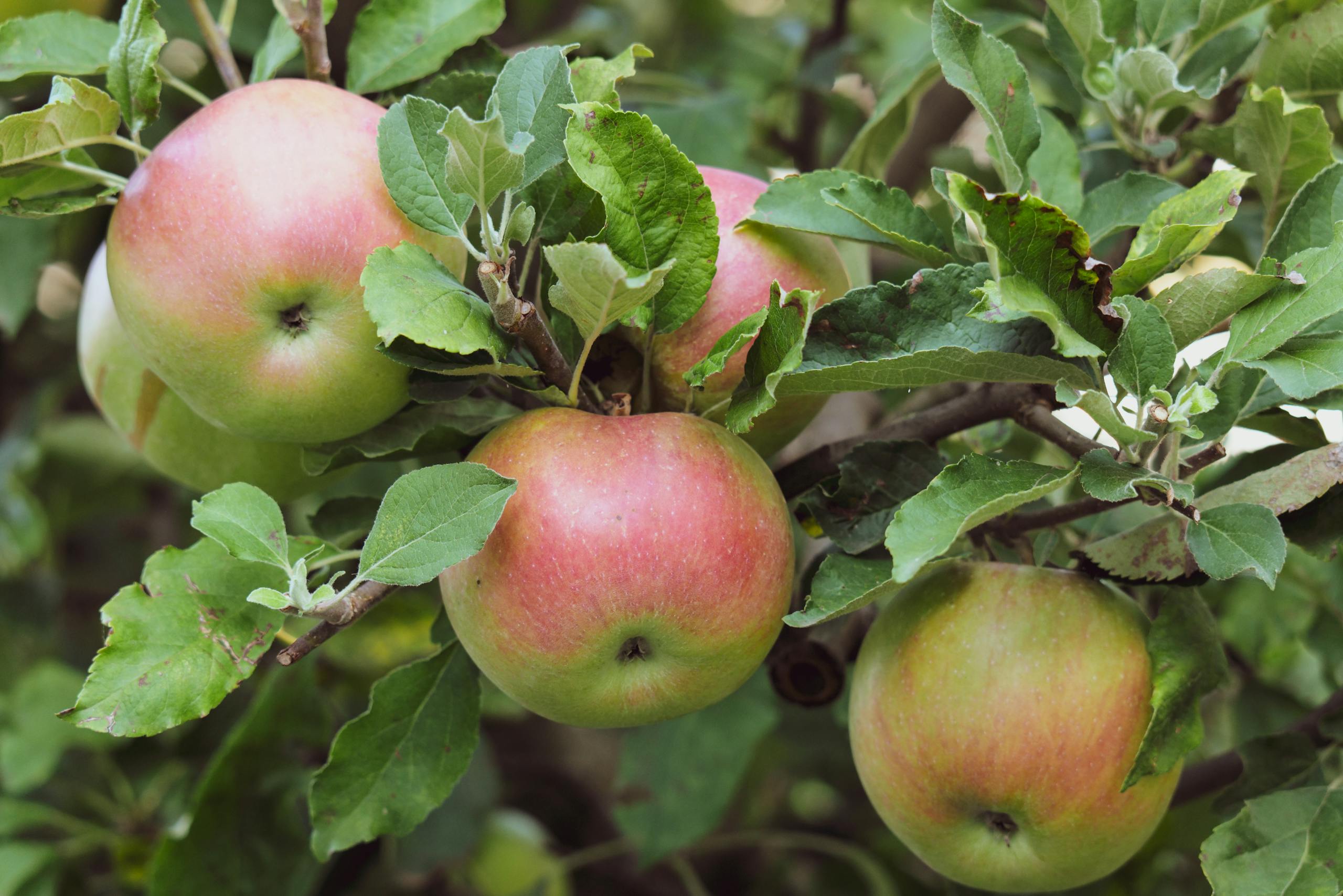
Apples carry an almost unfair amount of symbolism. They have been linked to desire, health, knowledge, youth, temptation, harvest, and romance. Their shape, color, sweetness, seeds, and long storage life made them ideal for folk rituals, especially around autumn and Halloween.
Apple divination often focused on love. People peeled apples into long ribbons and tossed the peel to see whether it formed a letter that would connect to a future spouse. Bobbing for apples also carried romantic associations in some traditions, with the chosen apple hinting at the person one might marry. The apple’s occult reputation comes from its mix of beauty and danger. It looks wholesome, but folklore keeps handing it secrets.
Onions Were Used to Predict Love, Weather, and Protection
Onions are dramatic by nature. They sting the eyes, grow in layers, carry a strong smell, and sprout with visible urgency. Those qualities made them perfect candidates for folklore. In some traditions, onions were believed to repel evil spirits, guard homes, or reveal hidden truths through dreams.
Cromniomancy, or onion divination, involved watching how onions sprouted, changed, or reacted after names, wishes, or questions had been attached to them. Weather prediction with onions also appears in European folk practice, where onion layers or salted onion slices were interpreted as signs for the coming months. The onion became a household oracle because it behaved visibly.
It dried, softened, sprouted, split, and wept, giving observers plenty of signs to interpret.
Corn Was Sacred Because It Fed Bodies and Explained Human Origins
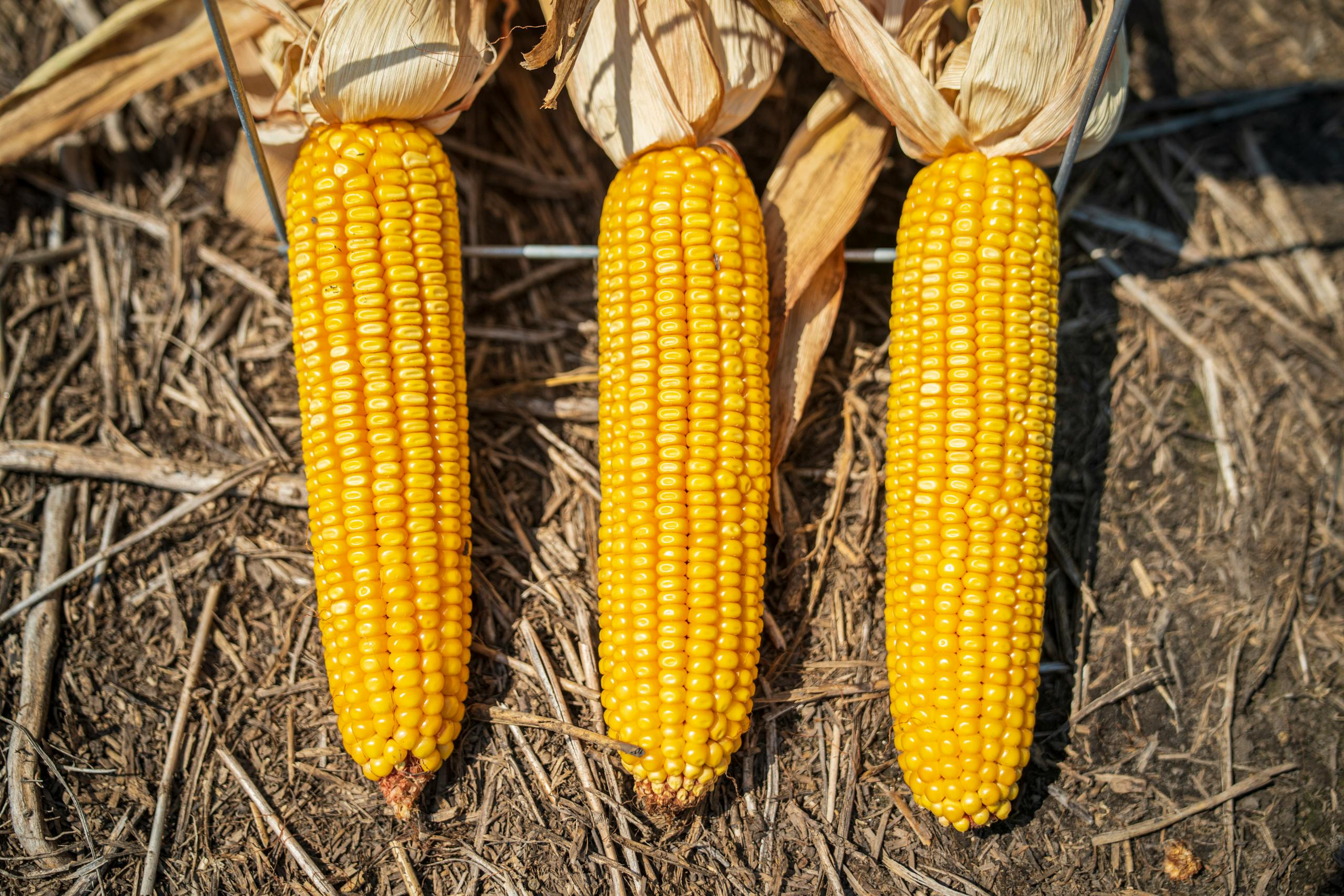
Corn, or maize, holds a much deeper spiritual role than many people realize. In parts of Mesoamerica, maize was not simply a crop. It was identity, survival, myth, and sacred inheritance. The Maya creation story in the Popol Vuh describes humans as formed from yellow and white corn, making maize part of humanity’s origin story.
That belief helps explain why corn became tied to rituals, offerings, divination, and seasonal meaning. Kernels could be cast and interpreted, cobs could symbolize fertility, and harvest cycles could connect people to gods, ancestors, and land. Corn was powerful because it stood at the center of life. When a food keeps a community alive, it naturally becomes more than a meal. It becomes a bridge between earth and spirit.
Garlic Became the Kitchen’s Most Famous Weapon Against Darkness
Garlic may be the most cinematic protective food in folklore. Popular culture connects it with vampires, but its older reputation is broader. Garlic has been associated with protection from evil spirits, illness, curses, envy, and unseen dangers. Its strong smell likely helped build that reputation because it feels aggressive, cleansing, and impossible to ignore.
People hung garlic in homes, carried it, cooked with it, or placed it near vulnerable spaces. In folklore, garlic does not whisper. It announces itself. That boldness made it feel like a food with attitude, the kind that could stand in a doorway and tell bad luck to keep walking. Even without believing the legends, we can understand why garlic became a symbol of defense. It is small, fierce, and unforgettable.
Honey Was Treated as Sweetness With Sacred Staying Power

Honey has always felt slightly magical because it resists spoilage better than many foods, glows like captured sunlight, and comes from bees, creatures surrounded by symbolism. Ancient cultures used honey in offerings, medicine, burial customs, and ritual foods. It represented sweetness, preservation, blessing, abundance, and sometimes immortality.
In occult and religious imagination, honey could soften, attract, bless, or preserve. A sweet substance naturally became linked to sweet outcomes: love, favor, peace, fertility, and prosperity. Honey’s power was not frightening in the way garlic or salt could be. It was persuasive. It suggested that the world might be coaxed rather than conquered, sweetened rather than forced.
Cacao Was Seen as a Sacred Food of Energy, Status, and Ceremony
Before chocolate became a comfort in the candy aisle, cacao carried deep ritual and cultural meaning in Mesoamerica. Cacao beans were valuable, ceremonial, and connected with elite life, offerings, marriage practices, and sacred beverages. The drink could be bitter, spiced, energizing, and far removed from the sweet chocolate most people know today.
Cacao’s alleged power came from its intensity. It affected the body, stimulated the senses, and required careful preparation. That made it feel spiritually charged. In ritual contexts, cacao could represent vitality, exchange, luxury, and connection between visible and invisible worlds.
Modern ceremonial cacao trends borrow from that aura, though the original cultural histories deserve more respect than a trendy wellness label can usually provide.
Wine Was Poured for the gods, Spirits, Ancestors, and Omens

Wine has always lived close to ritual. It changes mood, loosens speech, marks celebration, and appears in religious offerings across the ancient Mediterranean and beyond. Libations, the act of pouring liquid as an offering, often included wine, water, milk, honey, or oil. The pouring itself mattered because it turned liquid into communication.
Wine’s alleged occult power comes from transformation. Grapes ferment into something stronger, and that process alone made wine seem alive. It could cheer, disturb, inspire, or undo people. In ritual use, wine became a bridge: from human to god, living to dead, ordinary time to sacred moment.
It is one of the clearest examples of how food and drink can become a ceremony when people treat consumption as a form of contact with something larger.
Lemons Were Linked to Cleansing, Bitterness, and Spiritual Reset
Lemons appear in many modern folk and spiritual practices because they look bright, smell clean, taste sharp, and seem to cut through heaviness. Their acidity gives them a practical association with cleaning, while their scent suggests freshness and renewal. That made lemons natural symbols for clearing bad energy, breaking stagnant moods, and absorbing negativity in folk belief.
Lemon folklore often treats the fruit as a warning object. A lemon that dries, darkens, spots, or decays unusually may be interpreted as having absorbed trouble. We can view that as symbolic rather than supernatural, but the psychology is interesting. People use visible change to make invisible anxiety feel manageable. A lemon on a table becomes a tiny emotional weather report.
Conclusion
Food’s alleged occult powers reveal more about human imagination than magic. People used ordinary ingredients to explain love, guilt, fear, luck, and the unknown. Salt, onions, tea leaves, and bread became symbols because the kitchen was where daily life met mystery.
These stories still fascinate us because food carries memory, culture, comfort, and fear. Its supernatural powers may be only alleged, but its emotional power is real. The pantry has always held more mystery than it seems.