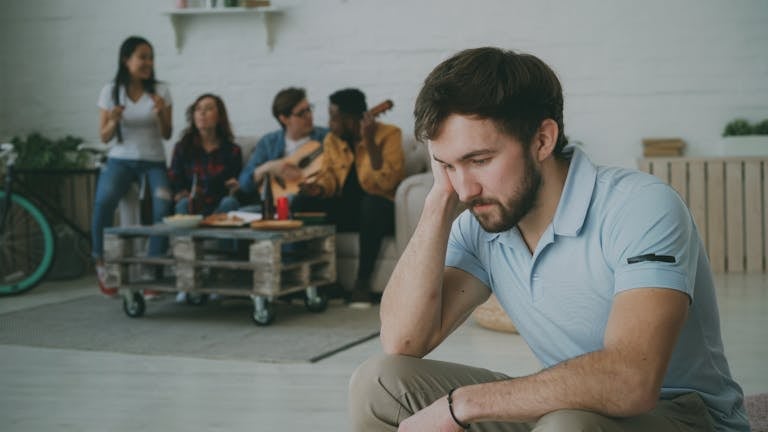
Old beliefs used to sit in American homes like heavy furniture, familiar, trusted, and rarely moved. Now, Americans are questioning old beliefs because daily life keeps proving that some inherited ideas no longer fit. From work to family, money to mental health, the shift is loud enough to notice and personal enough to feel.
Work No Longer Feels Like A Life Plan
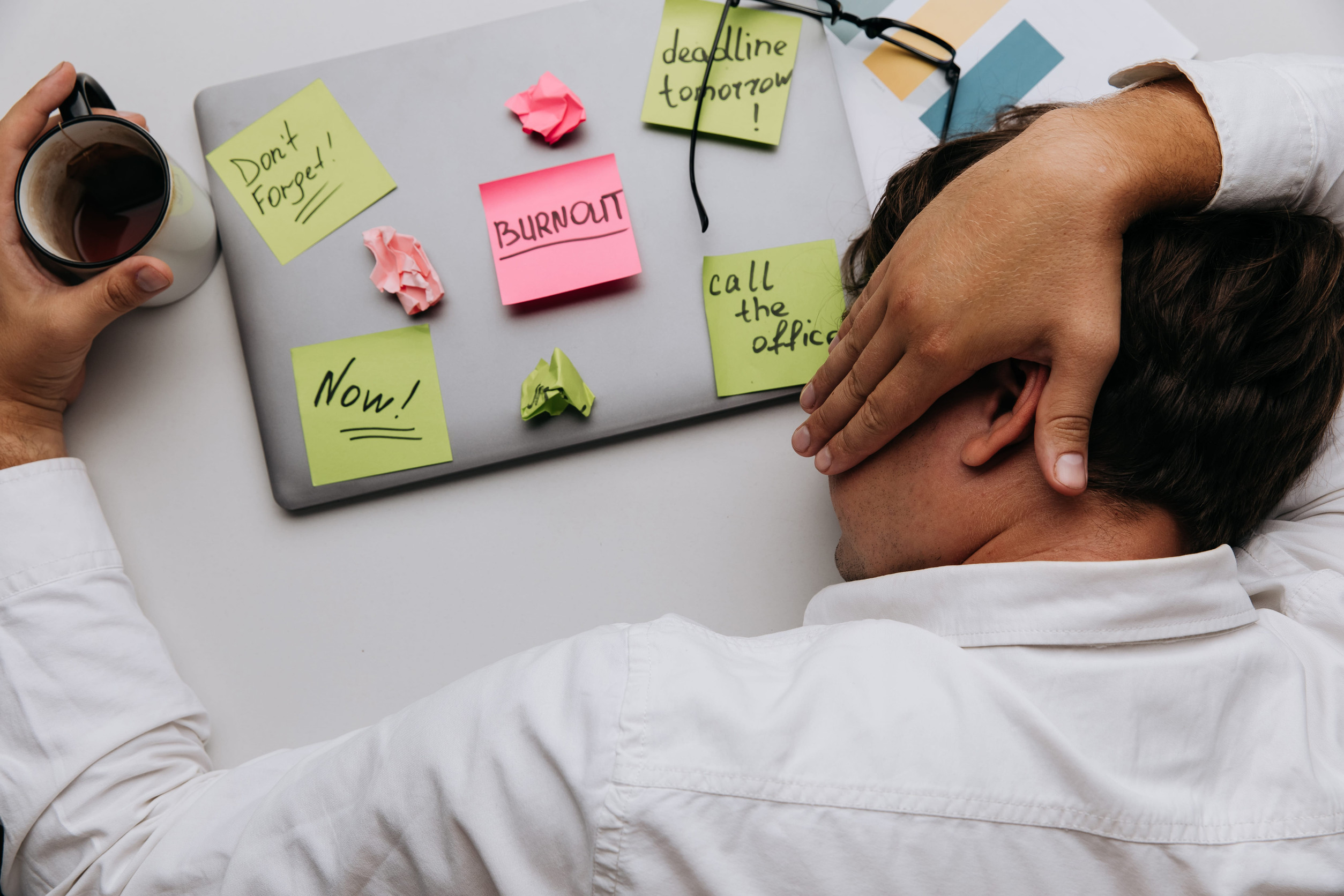
For years, many people believed a steady job could solve almost everything. Work promised identity, security, pride, and maybe a decent retirement if everyone played nice. Now, workers look at burnout and ask, ” Is this really the grand prize?
Remote work changed the way people think about time. Long commutes now feel less like a responsibility and more like a daily tax on peace. Flexible work made many Americans question why old office rules were treated like sacred law.
People still want purpose, income, and growth. They just want those things without sacrificing every dinner, birthday, and quiet morning. FYI, the hustle culture crown is looking a little rusty.
Money Rules Feel Outdated
Many Americans grew up hearing that hard work always leads to comfort. That belief feels weaker when groceries, rent, medical bills, and childcare keep stretching family budgets. People now question old money advice that sounds simple but feels impossible.
Saving matters, but saving gets harder when basic life costs keep rising. Buying a home once felt like a normal milestone, yet many families now see it as a distant fantasy. Even responsible adults feel like they are playing a game with moving goalposts.
This pressure changes how people think about success. A smaller home, rented space, side income, or delayed milestone no longer feels like failure. It feels like survival with better branding.
Family Roles Are Being Rewritten
Old beliefs about family roles used to sound very certain. Men earned, women managed the home, and everyone pretended the arrangement worked smoothly. Now, many families look around and ask, ” Who exactly voted for that script?”
Modern households often need more teamwork. Parents share childcare, bills, chores, and emotional labor because life demands it. The old division of roles can feel unfair, impractical, and honestly exhausting.
This shift does not destroy family values. It challenges the idea that one model fits every home. Families now build systems around fairness, not just tradition.
Health Advice Feels More Personal

Americans have heard every food rule imaginable. Fat was the villain, carbs took a turn, sugar got exposed, and wellness influencers entered the chat. No wonder people now question old health beliefs with one eyebrow raised.
More families want health advice that fits real life. They care about energy, sleep, stress, movement, and food they can actually afford. Extreme plans feel less impressive when they collapse by Thursday.
The new mindset feels more practical. People want steady habits instead of dramatic rules. Health now looks less like punishment and more like daily support.
Education No Longer Guarantees Security
For generations, college stood as the golden door to a better life. Parents told children to study, graduate, and step into stability. Today, many Americans question that belief because degrees can come with debt and uncertain returns.
Skills, trades, online learning, and career certificates now carry more respect. Young adults want paths that make sense financially and personally. They are less willing to chase prestige just because older generations praised it.
College still matters for many careers. Yet people now ask sharper questions before signing up for years of bills. That kind of caution is not rebellion; it is math with anxiety.
Technology Has Changed Trust
People once trusted information from a few familiar places. Now, social feeds, podcasts, videos, and comment sections compete for attention every minute. Americans are questioning old beliefs because they see more views than any single community once offered.
This access can be messy. Some information helps, some misleads, and some belongs in the internet dumpster with glitter on it. Still, exposure to different stories makes people rethink what they learned growing up.
Technology also changed who gets heard. Ordinary people share experiences that once stayed private. That makes old assumptions harder to protect.
Mental Health Is No Longer A Whisper

Many families once treated stress like a private weakness. People were told to toughen up, stay busy, and keep smiling through pain. Now, Americans question old beliefs about silence because emotional strain keeps showing up everywhere.
Mental health conversations feel more normal today. People talk about burnout, anxiety, therapy, boundaries, and loneliness with less shame. That openness gives families better language for the pain they once ignored.
This shift does not make people fragile. It gives them tools. IMO, pretending everything is fine has never been a strong treatment plan.
Religion And Morality Feel More Debated
Old beliefs about faith, morality, and public life once felt settled in many communities. Today, Americans hold more complicated views about religion, identity, politics, and personal values. People still seek meaning, but they ask more questions about authority.
Some want faith to guide private life. Others worry when religious views shape public rules too strongly. These debates make many people examine what they believe and why.
Questioning does not always mean rejecting. Sometimes it means separating inherited fear from real conviction. That process can feel uncomfortable, but it can also feel honest.
Community Feels Harder To Define
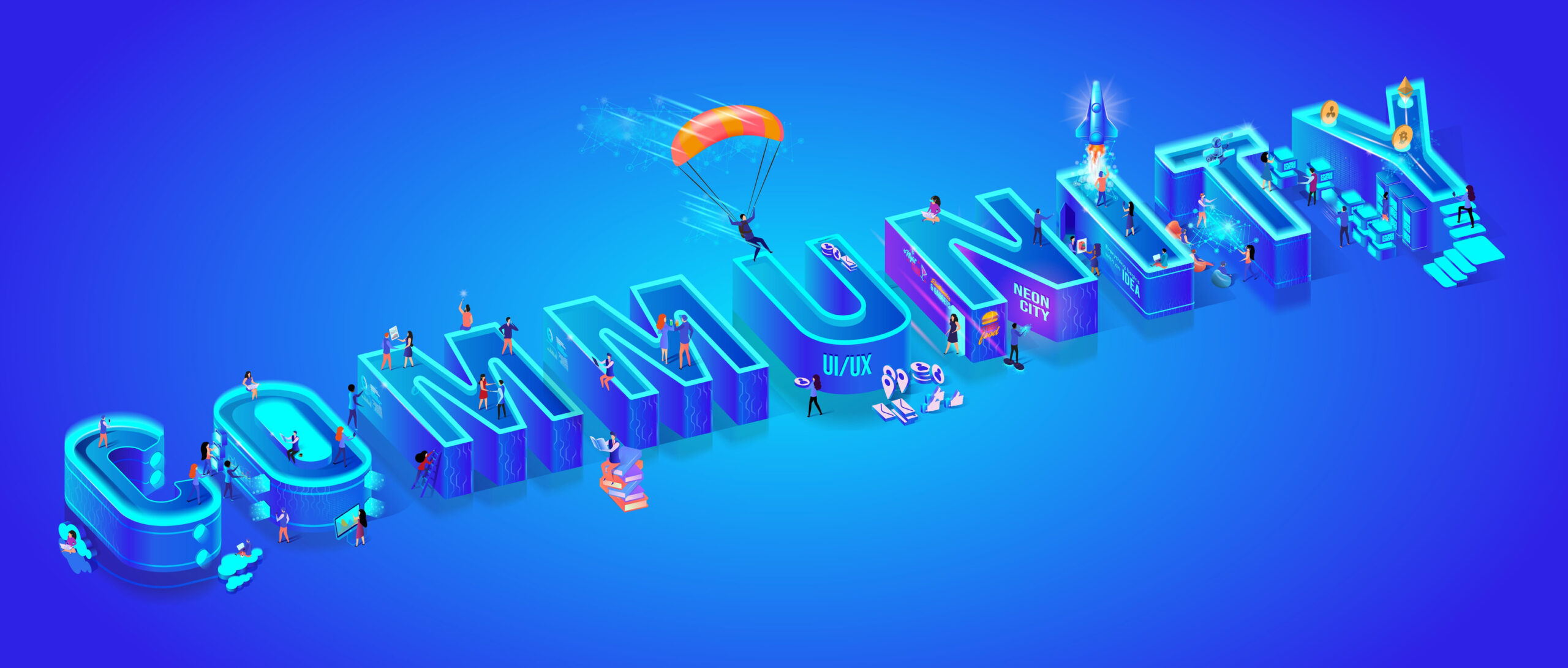
The American community used to center on neighborhoods, churches, schools, and extended family. Many people now feel more connected online than on their own street. That change makes old beliefs about belonging feel shaky.
Loneliness has become a quiet part of modern life. People can message all day and still feel emotionally unseen. Isn’t that the weirdest modern trick of all?
This pushes Americans to rethink connection. Some build chosen families, local groups, hobby circles, and online communities with real care. Belonging now depends less on tradition and more on intention.
Conclusion
Americans are questioning old beliefs because daily life keeps challenging what once felt certain. Work changed, money changed, family changed, and even private identity changed. When reality shifts this much, old answers can start sounding thin.
This does not mean every tradition deserves to disappear. Some beliefs still offer comfort, structure, and wisdom. The real challenge is knowing which ideas still help and which ones only survive because nobody questioned them.
A healthier future may come from honest reflection, not automatic rejection. Families can keep what grounds them and release what limits them. In the end, questioning old beliefs may be less about rebellion and more about growing up together.