The United States is witnessing a massive surge in artificial intelligence data center construction as companies race to meet growing demand for high-performance computing. Billions of dollars are being poured into these facilities nationwide, creating a wave of new infrastructure. Yet despite the scale of investment, the impact on permanent employment for local communities remains surprisingly small.
Massive Investment Drives Growth
Corporate spending on AI data centers has accelerated sharply, reflecting the technology’s growing footprint across. Yet despite the scale of investment, the impact on permanent employment for local communities remains surprisingly small. sive data processing. These multi-billion-dollar projects are concentrated in regions with favorable land, energy resources, and tax incentives, marking a significant shift in the U.S. digital infrastructure landscape.

Expansion Across Multiple Regions
While traditional tech hubs still host many data centers, developers are increasingly looking to secondary markets such as Texas, Georgia, Ohio, and Indiana. This broader geographic distribution allows companies to diversify energy use, reduce risk, and strategically position AI compute power near key cloud users and enterprise clients. The expansion also reflects growing national demand for AI services, from large-scale model training to real-time data processing.
Construction Jobs vs. Long-Term Roles
The AI data center boom generates thousands of temporary construction jobs during the building phase. Workers in trades such as electrical, plumbing, and logistics see immediate employment opportunities. However, once facilities become operational, staffing requirements drop dramatically. Permanent positions often include maintenance, security, and technical monitoring, typically numbering in the dozens rather than hundreds.

Skills Development and Workforce Programs
To address staffing needs, some companies have launched programs to train workers in specialized trades relevant to data center construction and operation. These programs aim to provide career pathways for local communities, yet the gap between construction-phase employment and long-term operational roles remains wide. This discrepancy has raised questions about the true economic benefit of these high-investment projects for host regions.
Limited Local Employment Impact
Despite the impressive capital outlays and new facilities, AI data centers produce relatively few permanent jobs. Analysts note that while construction boosts short-term employment, the ongoing workforce is lean, reflecting the automation and efficiency inherent in modern data centers. Communities expecting significant job creation may find the economic returns concentrated in ancillary sectors such as logistics, food services, and local supply chains rather than in direct operations.
Energy and Resource Demands
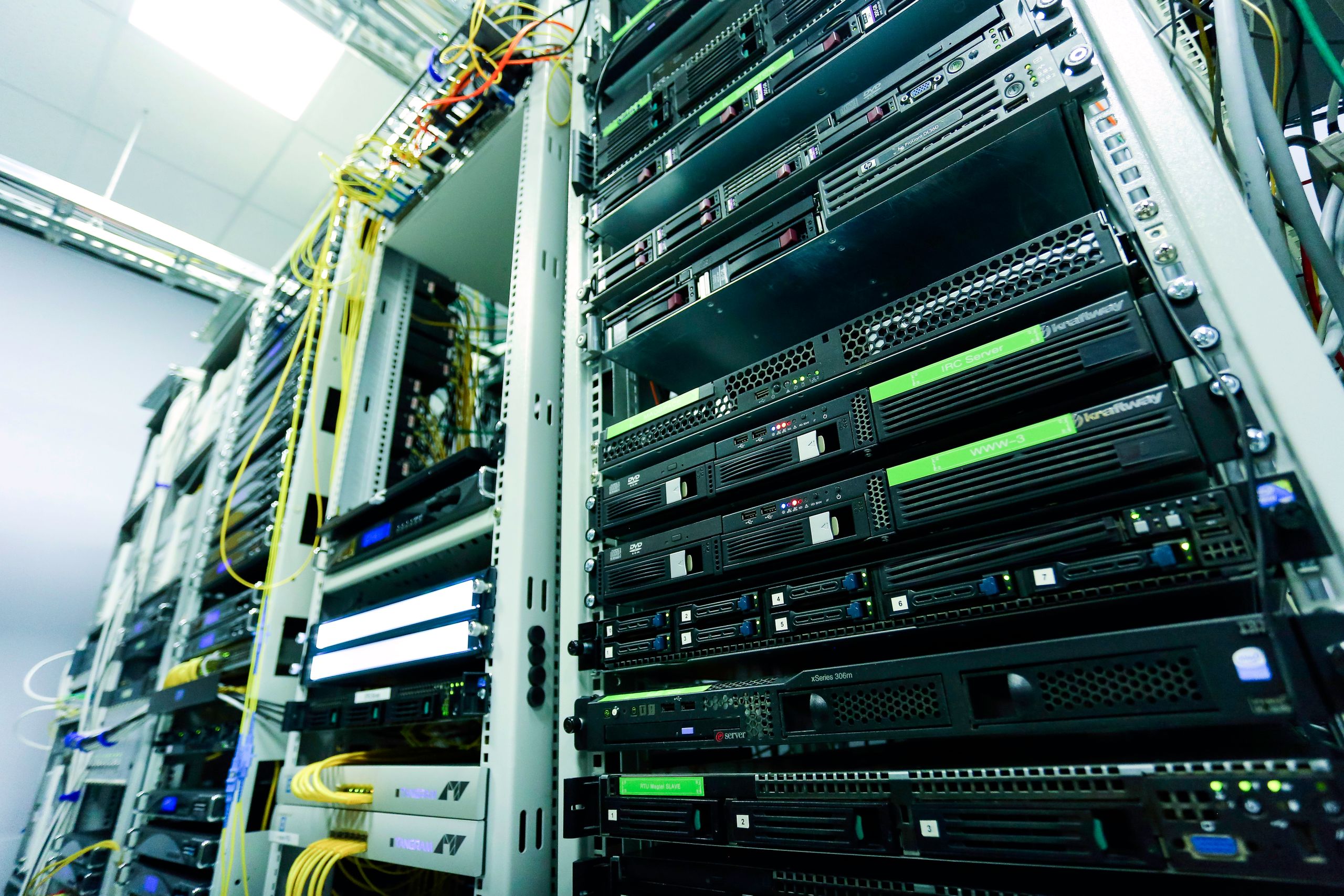
AI data centers require substantial amounts of power and water, adding pressure on local utilities. Large-scale compute clusters consume significant electricity, and cooling requirements often draw heavily from water systems. The rapid pace of expansion has sparked concerns that AI data centers require substantial amounts of power and water, adding pressure on local utilities. However, facilities operate efficiently without straining community resources. community resources.
Balancing Growth With Community Expectations
Municipalities hosting AI data centers face a challenge: reconciling massive investment with limited long-term employment. While companies tout technological advancement and infrastructure growth, local leaders and residents are increasingly concerned about tangible benefits, particularly jobs and economic diversification. Effective planning and communication are critical to ensure the capacity to compute in each facility is substantial, yet the jobs created may not match community expectations.
Future Considerations
As AI adoption accelerates, the demand for additional compute power will continue to drive data center construction. Policymakers and planners must weigh the benefits of infrastructure expansion against the limited employment impact, energy requirements, and challenges of community adaptation. Strategic incentives and workforce development programs could help bridge the gap between investors. Policymakers and planners must weigh the benefits of infrastructure expansion against the limited employment impact, energy requirements, and challenges of community adaptation. Massive investments and cutting-edge facilities are reshaping digital infrastructure, yet long-term job creation remains modest. For local economies, the challenge will be leveraging these investments to foster broader economic growth while accommodating the demands of an energy-intensive, capital-heavy industry.