Juice has been sitting in American kitchens for decades with a clean little halo over its head. It shows up beside cereal bowls, hotel waffles, school lunches, brunch pitchers, and those tiny plastic cups at kids’ birthday parties. It looks cheerful. It tastes fresh. It feels like the responsible cousin of soda.
That is exactly why juice gets away with so much.
The problem is not fruit. Fruit is still one of the best things you can eat. The problem starts when fruit gets stripped of much of its fiber, squeezed into a sweet liquid, and poured into a glass big enough to finish before your toast pops up. Juice may come from fruit, but your body does not treat it the same way it treats an orange, apple, or handful of berries.
Juice Turns Fruit Into Fast Sugar
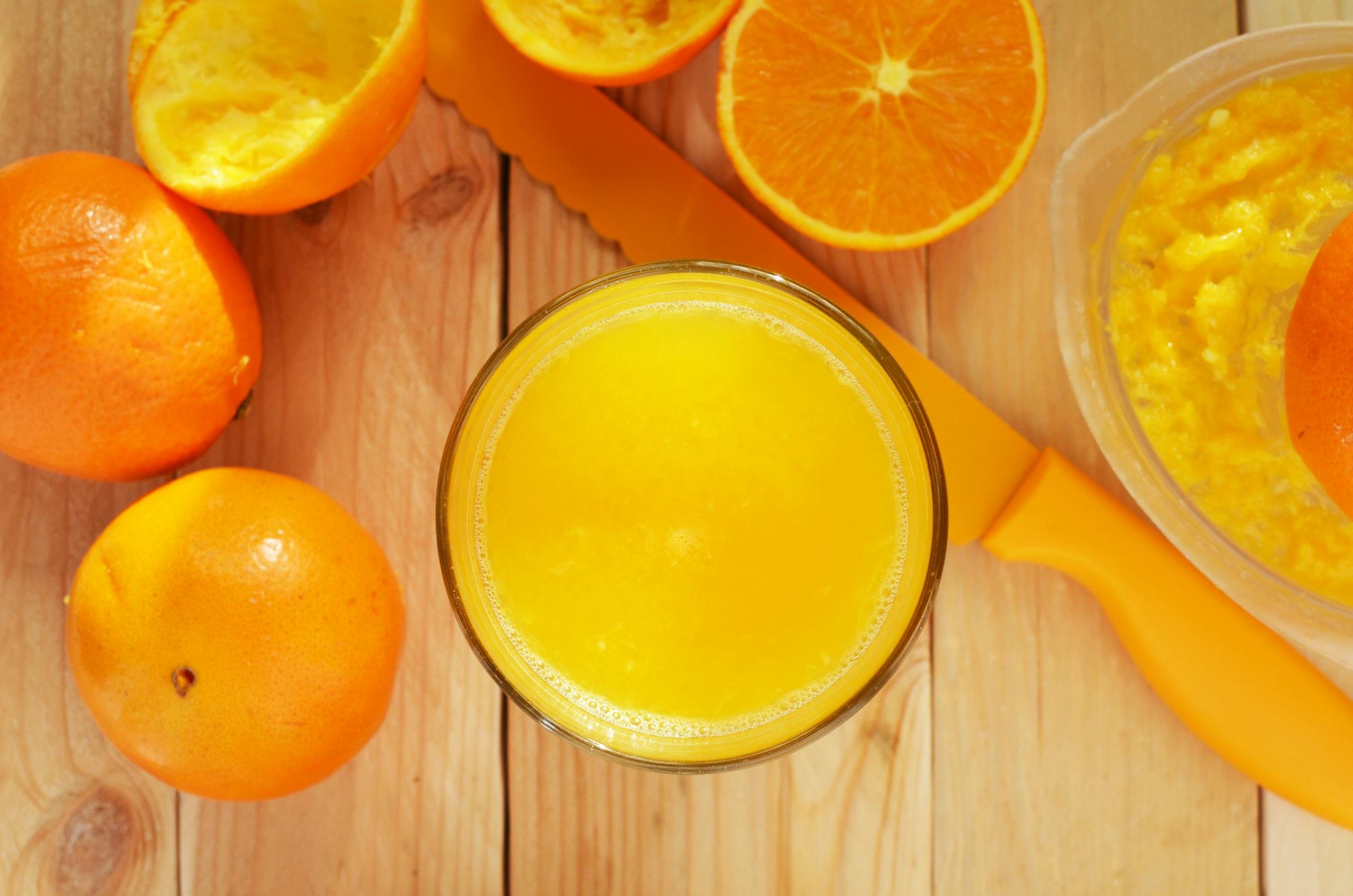
Whole fruit makes you slow down. You chew it, swallow it, digest the fiber, and usually feel full before you overdo it. Juice removes much of that built-in brake system. It delivers the sweet part quickly, making it easier to consume more sugar than you would in whole fruit.
That matters because health groups do not treat fruit juice as a free pass. The WHO sugar guideline includes naturally occurring sugars in fruit juices under the “free sugars” category, the same category people are advised to limit for better health. That does not mean juice is poison. It means the body still has to deal with the sugar load, even when the sugar comes from fruit.
The 100% Juice Label Can Fool You.
“100% juice” sounds almost saintly on a carton. It makes shoppers feel as if they are choosing something pure, clean, and miles away from soda. The label may mean there is no added sugar, but it does not mean the drink is low in sugar or as filling as whole fruit.
That is the marketing trap. A glass of apple juice may look more natural than a can of cola, but it can still deliver a concentrated hit of sugar without the same chewing, fiber, or fullness. The word “natural” can make people lower their guard, especially when the bottle features leaves, fruit slices, or a farmhouse-style font on the front.
Juice Does Not Fill You Up Like Food

Liquid calories are sneaky because they do not feel like a meal. You can drink a full glass of juice and still eat the same breakfast you were planning to eat anyway. Your stomach may register the drink, but your appetite may not respond with the same “we are done here” signal it gets from whole fruit.
That is why juice can quietly add calories to the day. A 2024 review in JAMA Pediatrics found that one serving per day of 100% fruit juice was linked with BMI gain in children, while adult findings depended more on how studies adjusted for total calories. The fruit juice review supports the same practical warning many parents already suspect: juice is easy to overdrink because it goes down too fast.
Fruit Drinks Are Even Worse Than They Look
Not every bottle labeled “fruit” is real juice. Many fruit drinks, punches, cocktails, lemonades, and flavored beverages contain added sugars and little actual fruit juice. They borrow the health reputation of fruit while acting more like a dessert in a bottle.
This is where parents and busy shoppers get tricked. A drink can have a strawberry, orange, or mango on the label and still be loaded with added sugar. The CDC says sugary drinks are leading sources of added sugars in the American diet, and the sugary drink risks include weight gain, obesity, type 2 diabetes, heart disease, tooth decay, cavities, and gout.
Kids Can Get Too Much Juice Fast

Juice feels like childhood in a box. It shows up at soccer games, lunch tables, daycare centers, birthday parties, and back seats full of crumbs. Because it looks safer than soda, adults often hand it to kids without thinking too much about the serving size.
Children do not need big cups of juice. The American Academy of Pediatrics recommends that infants under 1 year old not drink juice, and that children ages 1 to 6 have no more than 4 to 6 ounces per day. That fruit juice guidance is much smaller than the amounts in many bottles, restaurant cups, and “healthy” breakfast servings.
Juice Can Be Hard on Teeth
Juice can cause trouble before it even reaches the stomach. Many juices are sweet and acidic, which is not a friendly combination for teeth. The real problem gets worse when someone sips juice slowly over time instead of drinking a small serving with a meal.
This is especially risky for kids who carry juice cups around for hours. Their teeth keep getting washed in sugar and acid again and again.
Dental experts warn that sugary drinks, including fruit juices, can sit between teeth and contribute to decay, while acidic drinks can erode enamel and raise the risk of cavities. The ADA tooth warning makes this point clear without pretending juice is the same as whole fruit.
Whole Fruit Is the Better Deal

The best swap is painfully simple. Eat the fruit instead of drinking it. An orange gives you chewing, fiber, scent, texture, and a slower eating experience. An apple takes time. Berries give volume. Grapes make you pause between bites. Whole fruit behaves like food because it is food.
For drinks, water should do the heavy lifting. Sparkling water, unsweetened iced tea, fruit-infused water, or water with a small splash of juice can give flavor without turning the glass into a sugar rush. Juice does not have to disappear forever, but it should stop pretending to be the hero of breakfast.
Conclusion
Juice is not poison. A small glass once in a while will not wreck a healthy diet. The real issues are the daily habit, the oversized serving, the “100% juice” health halo, and the way people treat juice as if it were equal to whole fruit.
That is where juice becomes a problem. It takes something healthy, removes part of what makes it filling, concentrates the sweet part, and makes it easy to drink too much in seconds. It may look innocent in the fridge door, but once you understand what is missing from the glass, the juice starts looking a lot less like fruit and a lot more like sugar with better public relations.