A hotel room can trick you fast. The bed is tucked tight enough to impress your grandmother, the towels are folded like a spa commercial, and the bathroom mirror is so clean you start believing someone personally prepared the room for your vacation glow-up.
Then you remember the hard truth: strangers were eating fries, sneezing, walking barefoot, touching everything, and sleeping in that same room before your suitcase rolled in.
That is why hotel dirt feels so sneaky. It does not always look dirty. It hides on the remote you grab after a long flight, the comforter you flop onto after check-in, the coffee maker you trust before sunrise, and the bathroom counter where your toothbrush lands like it owns the place. Most hotels are not horror movies, but some spots warrant far more suspicion than travelers give them credit for.
TV Remotes That Everybody Touches
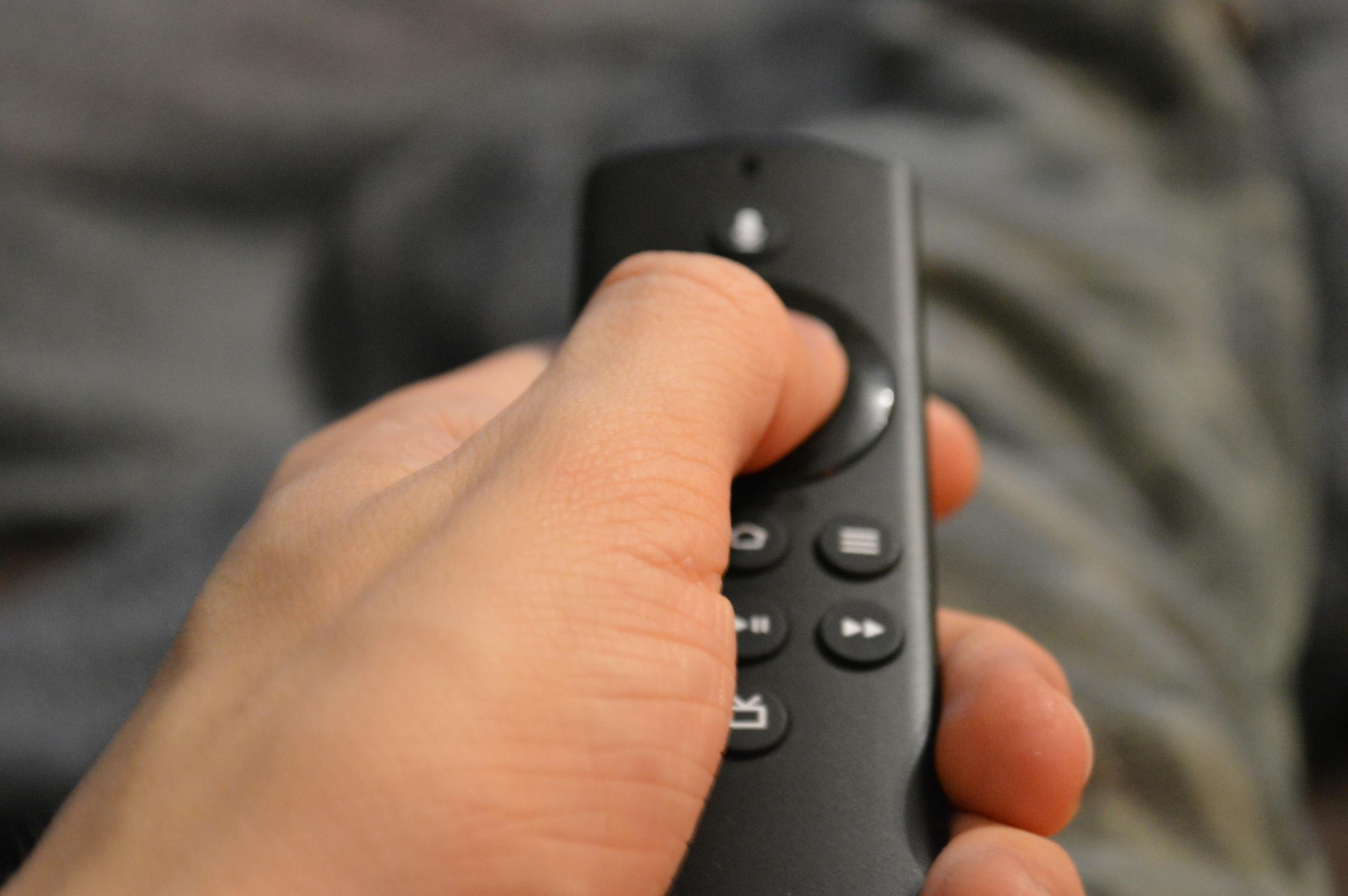
The TV remote is basically the hotel room’s unofficial handshake. Every guest grabs it after touching luggage, elevator buttons, restaurant menus, rental car handles, airport trays, and who knows what else. Then it gets tossed onto the bed like it just came out of a fresh laundry cycle.
That little remote may be one of the first things worth wiping down. Hotel-room testing found TV remotes among the most contaminated objects in the rooms tested, along with bedside lamp switches. After a road trip, an airport delay, or a late-night check-in, nobody wants to imagine every previous guest sharing the same channel-button history.
Light Switches Near the Door
The first thing many guests touch after walking into a hotel room is the light switch. That means it catches airport hands, gas station hands, fast-food hands, suitcase hands, and “I just drove six hours with kids in the back seat” hands. It is small, boring, and easy to forget, which is exactly why it matters.
High-touch surfaces require more cleaning because they are handled so often, and hygiene guidance emphasizes cleaning and disinfecting them. In a hotel room, there are switches, door handles, faucet handles, phones, and the tiny objects guests touch before they have even unpacked.
Bed Comforters and Decorative Pillows
The bed may look like the safest place in the room because hotels know how to make sheets look dramatic. But the danger zone is not always the sheet. The comforter, bed runner, throw pillow, and decorative cushion may not be washed as often as the linens.
Those pieces can sit on floors, under luggage, beside takeout, and against clothes worn through airports, Ubers, and rest stops. A crisp pillow arrangement may look classy, but decorative bedding can carry more of a guest’s history than anyone wants to picture. The safest move is simple: remove the decorative pieces before you settle in.
Bathroom Counters That Look Too Clean to Question
Hotel bathroom counters are masters of deception. They shine under bright lights, hold tiny bottles, and make you feel like the room is fresh enough for a skincare routine. Then, travelers set down toothbrushes, razors, makeup bags, contact lens cases, pill bottles, and phones without a second thought.
The bathroom is one of the easiest places for moisture and grime to linger. Hotel-room sampling has previously flagged bathroom areas, including sinks and floors, as germier spots in tested rooms, suggesting that bathroom surfaces warrant a little caution. A quick wipe before your toothbrush touches the counter is not being dramatic. It is just refusing to trust a shiny surface too quickly.
Ice Buckets Without Liners
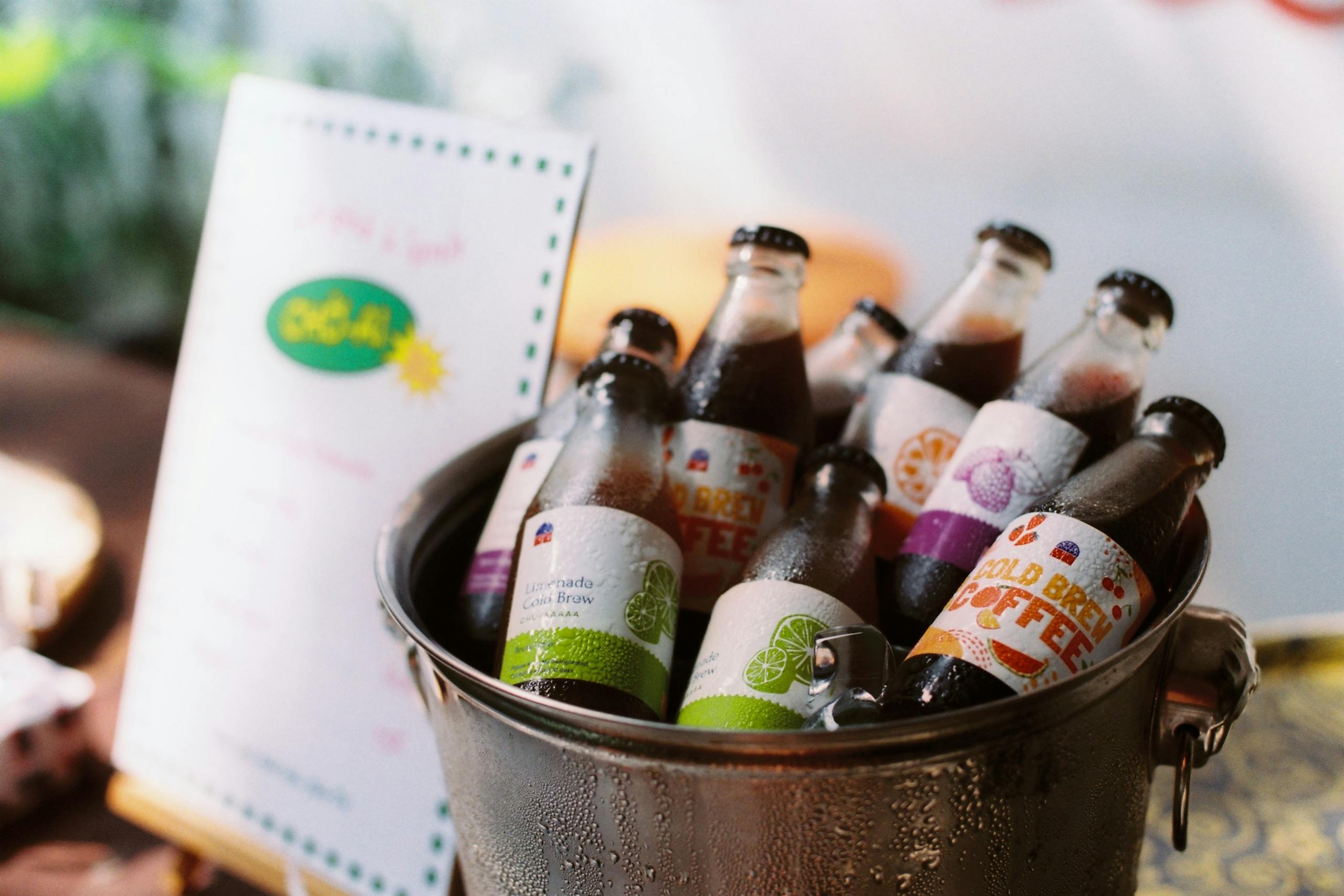
The ice bucket looks harmless, almost cute. It sits there, existing only for soda, cocktails, and people who still believe hotel ice machines are part of the vacation experience. The problem is that travelers have used ice buckets for all kinds of things that have absolutely nothing to do with ice.
This is one hotel item that should always come with a liner. Even if it looks clean, you do not really know where it has been, what was inside it, or how carefully it was washed after the last guest. If there is no liner, let that bucket sit there and mind its business.
In-Room Coffee Makers
The hotel coffee maker feels like a blessing at 6:30 a.m. when you are jet-lagged, underslept, and trying to act human before checkout. But the water reservoir can be a questionable little cave of moisture, heat, and mystery. Guests use it, spill near it, leave water sitting inside it, and move on.
Moist areas can become conducive to buildup if they are not cleaned thoroughly. One household germ study found yeast and mold in 50% of tested coffee maker reservoirs. That does not prove every hotel coffee maker is a biohazard, but it does make lobby coffee look a lot more attractive.
Carpet That Has Seen Too Much
Hotel carpet has lived a full life. It has met airport shoes, street shoes, bathroom slippers, spilled drinks, dropped fries, rolling suitcases, beach sand, pet hair, and children who treat floors like playgrounds. It may be vacuumed often, but that does not mean you should walk barefoot as if you were in your own bedroom.
Carpet can hide what hard floors reveal. Stains, dust, crumbs, hair, allergens, and old spills can settle in without making the room look terrible. This is where socks or slippers become less of a preference and more of a personal boundary.
Hotel Phones Nobody Wants to Touch
Most travelers barely use the hotel phone anymore, which somehow makes it feel even more suspicious. It sits there quietly beside the bed, waiting for someone to call the front desk, order towels, ask about Wi-Fi, or complain that the air conditioner sounds like a lawn mower.
Phones sit near faces, hands, snacks, tissues, and nightstands. They may also not receive the same level of cleaning attention as the sink or toilet because they are not the first things guests inspect. If you must use it, wipe it first. If you do not need it, let it remain a relic from the era before smartphones took over everyone’s lives.
Shower Curtains and Tub Corners
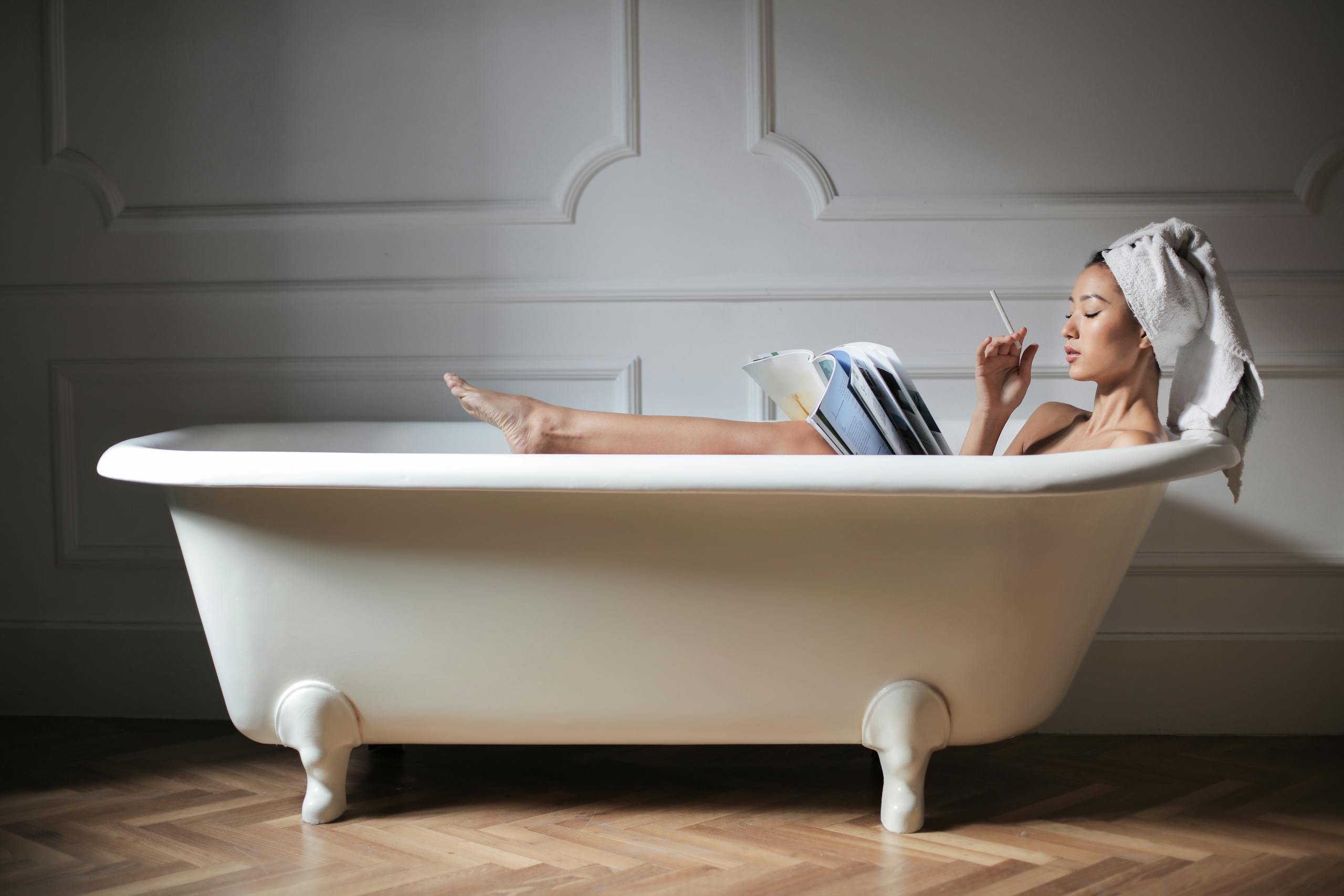
A hotel shower is supposed to wash away the airport, the road trip, the conference room, or the theme park sweat. But bathrooms are damp spaces, and damp spaces can hide mildew, soap scum, and grime in curtain edges, tub corners, drains, and grout lines. A shiny faucet does not automatically mean the whole shower is spotless.
The best move is to scan before stepping in. Look at the curtain edge, the tub corners, the drain area, and the floor. If anything looks off, ask for housekeeping or a room change. Nobody should have to discover bathroom neglect after they are already barefoot and committed.
Door Handles and Drawer Pulls
Door handles are touched by everyone who comes through the room. Guests, housekeepers, maintenance workers, room service staff, and maybe a tired traveler balancing a suitcase, coffee, and a phone charger all grab the same handles. Drawer pulls and closet handles get similar treatment.
These small surfaces are easy to overlook because they do not look dirty. But a hotel room is a chain of touchpoints, not just a bed and a bathroom. If you wipe the remote but ignore the bathroom door handle, you have only fought half the tiny war.
Desks and Nightstands
The desk becomes a drop zone the moment guests arrive. Laptops, wallets, fast food, boarding passes, makeup, medicine, chargers, keys, receipts, and half-finished coffee cups all land there. The nightstand gets even more personal, holding phones, glasses, tissues, snacks, jewelry, earplugs, and whatever someone was too tired to put away.
These surfaces look trustworthy because they are flat and neat. But they are also where guests unload the chaos of travel. A quick wipe before setting down food, medicine, glasses, or your phone is not extra. It is just understanding that hotel furniture has seen more plot twists than the average suitcase.
Mattresses and Bed Bug Hiding Spots
Bed bugs are the hotel nightmare that makes even calm travelers turn into detectives. They do not care whether the hotel is cheap, fancy, urban, rural, old, or new. They travel with people, luggage, clothing, and bedding, which makes hotels one of the places where checking matters.
Look for rusty stains, dark spots, shed skins, tiny eggs, or live bugs around mattress seams, headboards, and nearby furniture. Those signs can help travelers find bed bugs before the problem becomes an unwanted souvenir. The smartest time to check is before you unpack, not after your clothes are already spread across the room.
Conclusion

The dirtiest things in a hotel room are often the objects that look the most ordinary. The remote, switch, comforter, coffee maker, ice bucket, carpet, phone, bathroom counter, nightstand, and mattress seams all blend into the background because travelers are tired and ready to relax.
That does not mean you need to travel as if you were entering a crime scene. It means a few small habits can protect your peace. Wipe the remote. Move the decorative pillows. Keep your suitcase off the bed. Wear socks. Use an ice bucket liner. Check the mattress. Be careful where you place your toothbrush.
A hotel room can still feel comfortable, but comfort shouldn’t require pretending no one was there before you.