History class often gives us the polished version of the past. We learn about the famous wars, presidents, revolutions, inventions, and victories, but many of the ugliest chapters get squeezed into one sentence or skipped completely.
That is where the real shock begins. Some of history’s darkest moments were not rare accidents or distant tragedies. They were planned, defended, ignored, or covered up by powerful people who knew exactly what suffering looked like. These 11 chapters show how cruel the past can become when greed, racism, empire, fear, and silence take control.
The Irish Great Famine Was More Than Bad Luck

The Irish Great Famine began in 1845 when potato blight destroyed crops across Ireland. Since many poor Irish families depended heavily on potatoes, the crop failure became catastrophic. Around one million people died from starvation and disease, while many more fled the country in desperate waves of emigration.
The darkest part is that famine was not only caused by a plant disease. British policy, poverty, land ownership, and food exports all shaped the disaster. Many Irish people starved while food still moved out of the country, which made the suffering feel even more cruel. The famine permanently changed Ireland’s population, culture, and relationship with Britain.
The Bengal Famine Showed How Policy Can Starve Millions
In 1943, Bengal suffered a devastating famine under British colonial rule during World War II. Millions of people died, but the disaster was not simply caused by a total lack of food. Wartime policies, inflation, panic buying, disrupted trade, and poor relief efforts made food unreachable for ordinary people.
This chapter is disturbing because it proves that famine can happen even when food exists. If people cannot afford food or access it, hunger becomes deadly anyway. The Bengal Famine exposed the brutal weakness of colonial rule, where military priorities and political decisions carried more weight than civilian survival. It remains one of the most painful examples of hunger shaped by human choices.
The Herero and Nama Genocide Was Nearly Erased
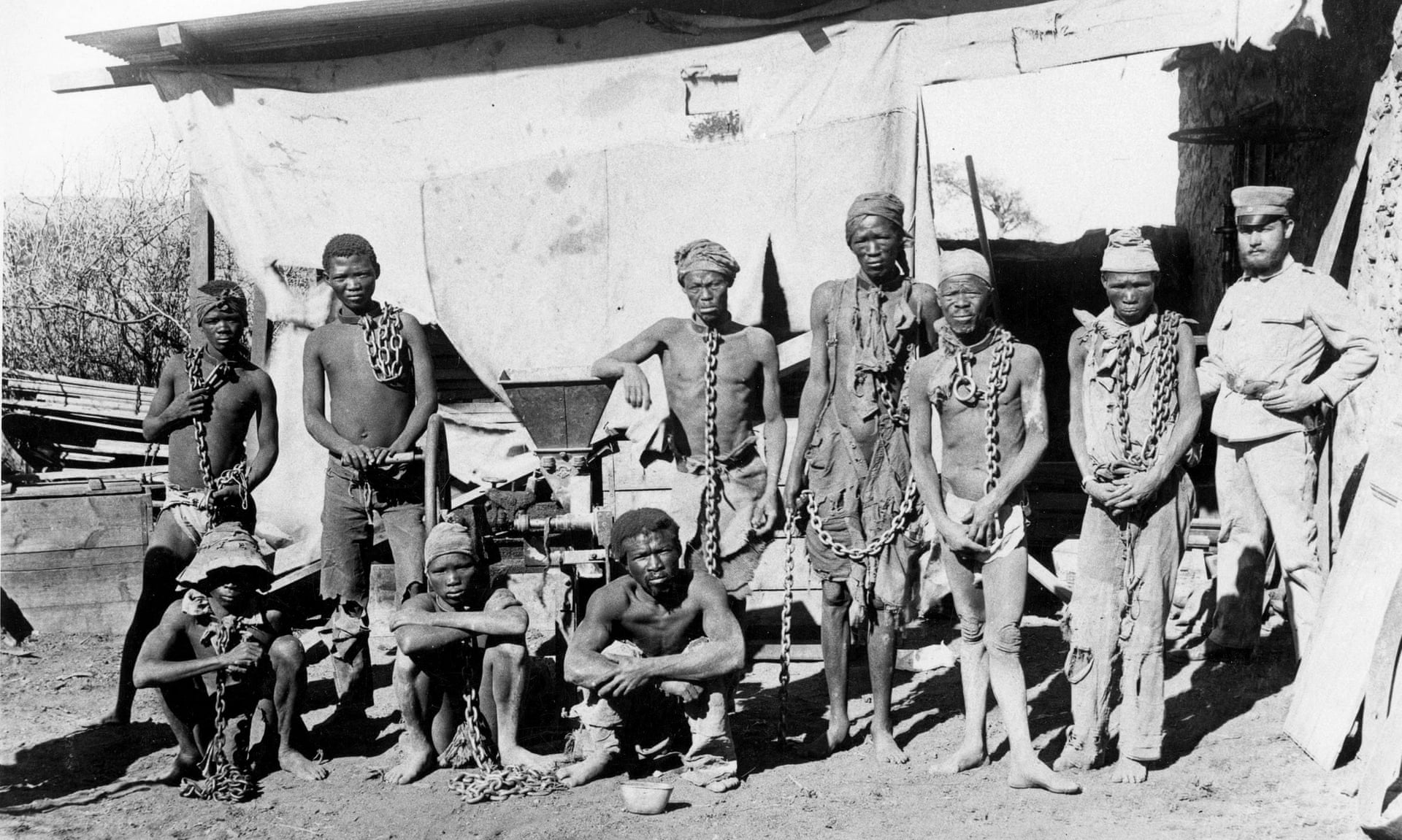
Between 1904 and 1908, German colonial forces targeted the Herero and Nama peoples in what is now Namibia. After resistance to German rule, many Herero people were driven into the desert, where they died from thirst, hunger, and exposure. Survivors were later forced into camps where abuse, disease, and labor continued the devastation.
This tragedy is now widely regarded as one of the first genocides of the 20th century. Yet many people still never hear about it in school, even though it shaped later conversations about empire, race, and mass violence. The horror did not end with the deaths. Land loss, trauma, and inequality continued to affect descendants long after the soldiers left.
The Congo Free State Was a Private Empire of Terror
The Congo Free State was not a normal colony. From 1885 to 1908, it was controlled as the personal possession of Belgium’s King Leopold II, who used the land and people to extract rubber and ivory for profit. Behind the polished language of “civilization,” Congolese communities faced forced labor, punishment, hostage-taking, mutilation, and death.
What makes this chapter so horrifying is the scale of suffering behind the wealth. Villages were terrorized so rubber quotas could be met, and families paid the price for European greed. Millions of Congolese people are believed to have died from violence, disease, starvation, and population collapse. It remains one of the clearest examples of colonial profit built on human misery.
The Holodomor Turned Hunger Into a Weapon
The Holodomor was a man-made famine in Soviet Ukraine from 1932 to 1933. Millions of Ukrainians died as Soviet policies seized grain, forced collectivization, punished resistance, and restricted movement. Starving communities were trapped while the state denied the scale of the disaster.
The horror of the Holodomor lies in its deliberate cruelty. People did not die because nature failed them alone. They died because food was taken, truth was buried, and suffering was treated as a political tool. For decades, Soviet authorities tried to silence the memory of the famine, but the trauma remained alive in families and communities.
The Partition of India Split Families Overnight
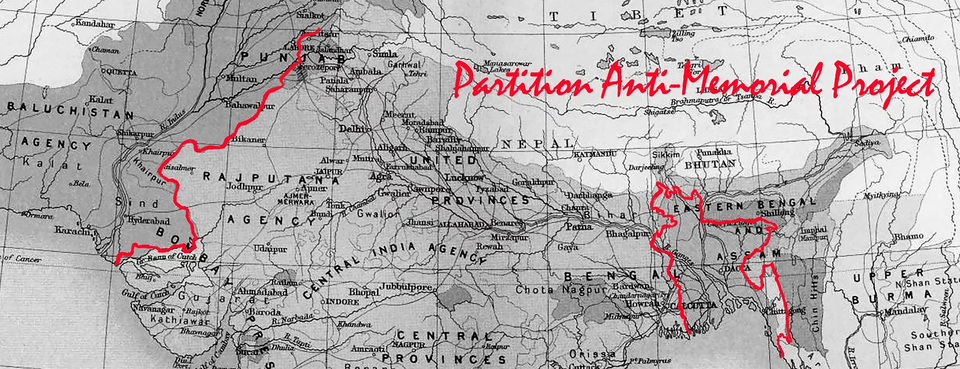
In 1947, British India was divided into India and Pakistan. The rushed partition triggered one of the largest human migrations in history, as Hindus, Muslims, and Sikhs crossed new borders in fear. Families abandoned homes, farms, businesses, and neighborhoods they had known for generations.
The violence that followed was terrifying. Trains arrived filled with bodies, villages were attacked, and women suffered horrific abuse during the chaos. Estimates of the dead vary widely, but the emotional damage is impossible to measure. Partition was not just a political event. It was a wound that cut through millions of families at once.
The Armenian Genocide Still Carries the Pain of Denial
During World War I, the Ottoman government targeted Armenians through deportations, killings, starvation, and forced marches. Beginning in 1915, Armenian families were removed from their homes and pushed into deadly conditions. Many died from execution, disease, exhaustion, and hunger.
What makes this chapter especially painful is the long struggle over recognition. Survivors carried the memory into communities around the world, while denial and political resistance made healing harder. The Armenian Genocide reminds us that mass violence does not end when the killing stops. It continues when victims are forced to fight for the truth.
Canadian Residential Schools Tried to Break Indigenous Identity
For more than a century, Indigenous children in Canada were taken from their families and placed in residential schools. These schools were designed to force First Nations, Métis, and Inuit children to abandon their languages, traditions, families, and identities. Many were punished for speaking their own languages or practicing their culture.
The damage was serious and generational. Children suffered neglect, hunger, physical abuse, emotional abuse, sexual abuse, and, in many cases, death. Families lost children, communities lost cultural knowledge, and survivors carried trauma into adulthood. This was not education in any honest sense. It was forced assimilation dressed up as schooling.
The Tulsa Race Massacre Destroyed Black Wall Street
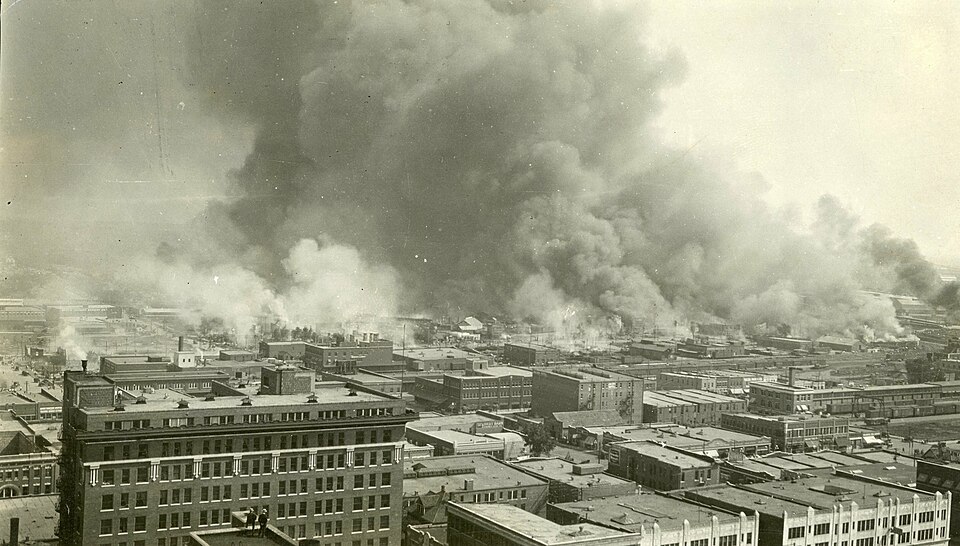
In 1921, a white mob attacked the Greenwood District of Tulsa, Oklahoma, one of the most successful Black communities in America. Greenwood was filled with Black-owned businesses, homes, churches, theaters, newspapers, and professional offices. In less than two days, much of it was burned, looted, and destroyed.
The massacre left Black families dead, displaced, and financially ruined. Survivors were blamed, insurance claims were denied, and the story was buried for decades. Tulsa was not just a riot, as it was wrongly called for years. It was an attack on Black prosperity, Black safety, and Black independence.
Japanese American Incarceration Violated Citizens in the Name of Fear
During World War II, the U.S. government forcibly removed and incarcerated about 120,000 people of Japanese ancestry. Many were American citizens who had committed no crime. Families lost homes, businesses, farms, schools, and freedom because fear and racism became government policy.
This chapter is often softened with words like “relocation,” but the reality was imprisonment. People were held in camps because of their ancestry, not for proven wrongdoing. The government later apologized, but the apology could not fully repair what families lost. Japanese American incarceration remains a warning about how quickly civil rights can collapse during national panic.
The Trail of Tears Forced Native Nations From Their Homelands
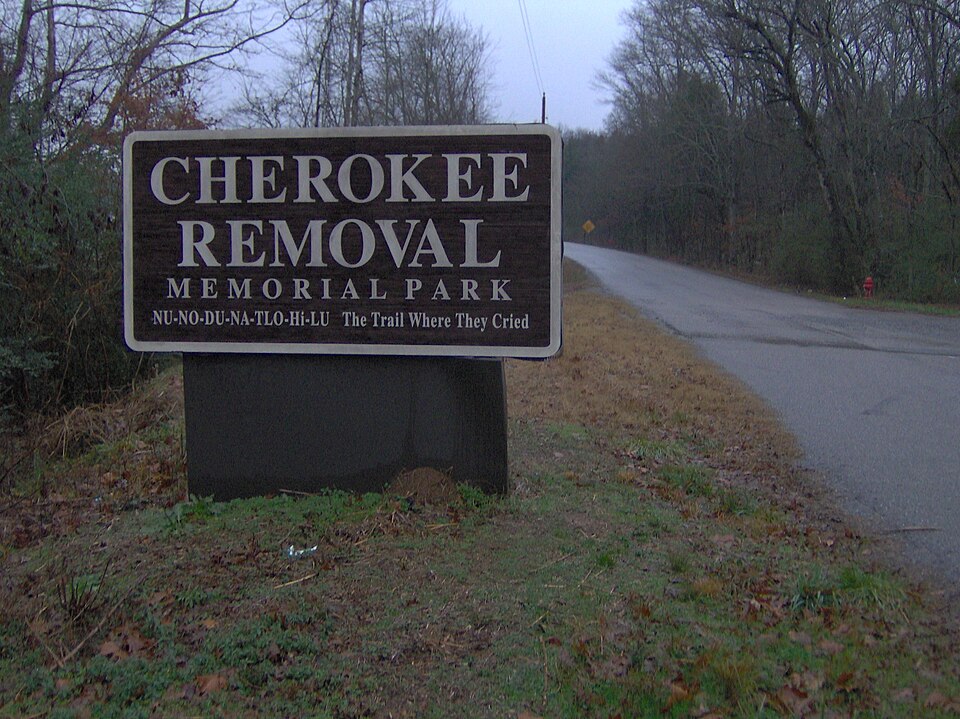
During the 1830s, the United States forced Cherokee, Creek, Chickasaw, Choctaw, Seminole, and other Native peoples from their ancestral lands. These removals followed the Indian Removal Act era and pushed communities west of the Mississippi River. Thousands suffered from hunger, disease, exposure, and exhaustion during the forced marches.
The Trail of Tears is often taught as a sad migration, but that softens the truth. It was forced displacement driven by land hunger, racism, and political power. Native nations lost homes, burial grounds, farms, towns, and sacred places. The consequences still echo through questions of land, sovereignty, memory, and justice.
Final Takeaway
The darkest parts of history are often the ones people prefer to avoid. They make nations uncomfortable, challenge heroic myths, and force us to see how ordinary policies can become cruel when power goes unchecked.
Learning these chapters does not mean living in the past. It means refusing to let suffering disappear just because it is inconvenient. History becomes more honest when we remember the people who were erased, displaced, starved, silenced, or blamed for their own pain. The past cannot be changed, but it can still teach us how dangerous silence becomes when the truth is left out.