Famous people often look simple after history gets done with them. A painter becomes a genius. A president becomes a symbol. A queen becomes a legend. A scientist becomes a tragic hero. But the real stories are usually messier than the statues, portraits, and school lessons suggest.
Over time, private letters, old notebooks, DNA evidence, declassified files, and modern research have pulled hidden details into the light. Some secrets made these figures seem more brilliant. Some made them more human. Others made their legacies much harder to praise without asking uncomfortable questions.
Cleopatra was not just the beauty myth that history sold us.
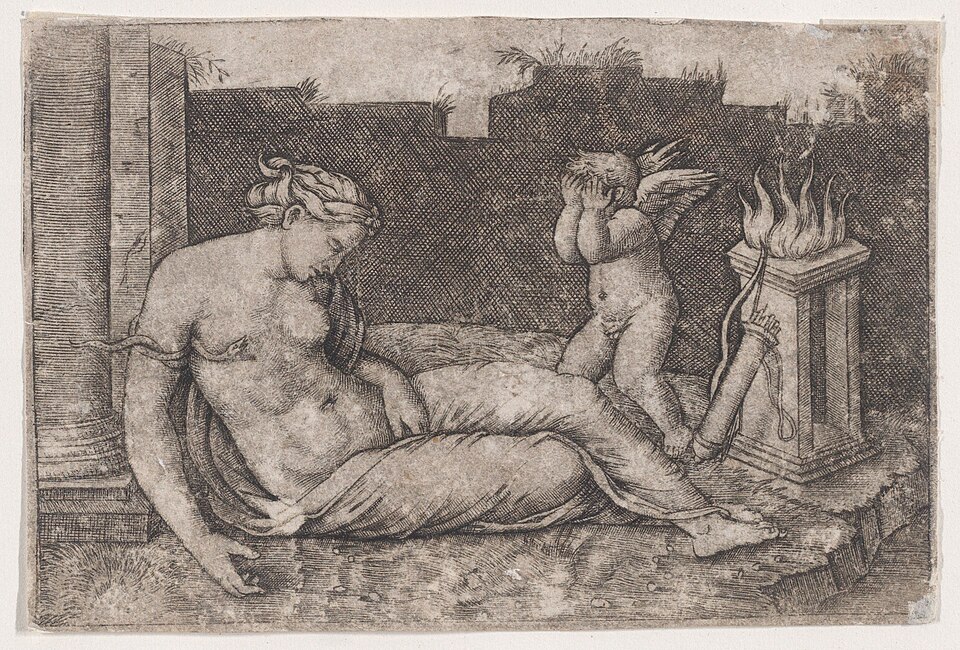
Cleopatra VII has often been remembered as a glamorous seductress who won the attention of Julius Caesar and Mark Antony. That image survived for centuries because it was dramatic, easy to repeat, and useful to her Roman enemies. But modern scholarship gives us a sharper picture. Cleopatra was a multilingual, educated, politically skilled ruler trying to protect Egypt in a dangerous world dominated by Rome.
Her relationships with powerful Roman men were not just romantic stories. They were political alliances made by a queen fighting to keep her throne and preserve her kingdom’s independence. The real secret is that Cleopatra’s reputation was shaped by propaganda long after her death. She was not powerful because of beauty alone. She was powerful because she understood strategy, image, language, and survival.
Leonardo da Vinci’s notebooks revealed a genius far beyond art.
Leonardo da Vinci was already famous for painting the Mona Lisa and The Last Supper, but his private notebooks showed a mind that reached far beyond the canvas. Inside those pages were sketches of flying machines, weapons, anatomy, water systems, muscles, bones, and strange inventions that looked centuries ahead of their time. He was not just painting the world. He was trying to take it apart and understand how it worked.
That discovery changed how people remembered him. Leonardo became more than a Renaissance artist with rare talent. He became a symbol of restless curiosity, the kind of person who could study a bird’s wing, a human heart, and a machine idea with the same fire. His secret was not scandalous, but it was stunning. He had been building the future quietly in notebooks most people never saw during his lifetime.
Nikola Tesla’s forgotten ideas made him look ahead of his century.
Nikola Tesla spent his life imagining technology that sounded impossible to many people around him. He worked on alternating current, wireless transmission, remote control, and bold ideas about invisible power moving through the world. During his lifetime, he had flashes of fame, painful setbacks, business losses, and public misunderstanding.
Years after his death, renewed interest in his papers and inventions helped rebuild his reputation. Tesla came to be seen as a visionary whose imagination stretched beyond the limits of his era. Not every idea worked, and some claims around him have grown exaggerated, but his brilliance remains difficult to ignore. His secret was that he saw a connected technological world before most people could even picture it.
Thomas Jefferson’s hidden family story complicated his image.
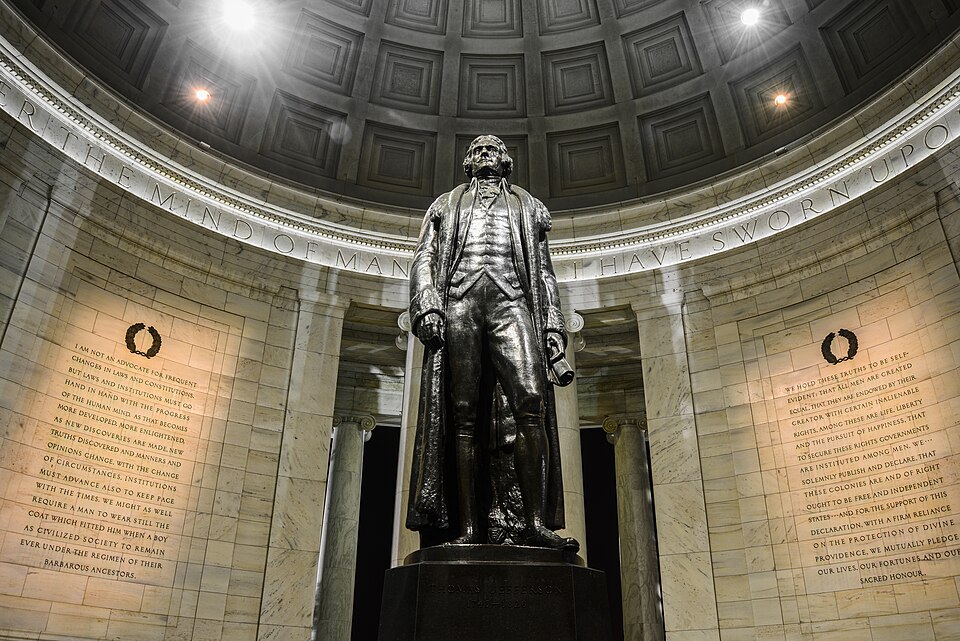
Thomas Jefferson is remembered for writing bold words about liberty and equality, yet his private life carried a painful contradiction. For generations, rumors connected him to Sally Hemings, an enslaved woman at Monticello. DNA evidence later strengthened the historical case that Jefferson fathered children with Hemings, forcing the public to revisit a story many had ignored or denied.
That revelation made it harder to place Jefferson neatly on a pedestal. He helped shape America’s language of freedom, yet he also lived inside and benefited from slavery. Sally Hemings was not a small footnote in his story. Her life exposed the gap between Jefferson’s public ideals and private reality. Once that secret became harder to dismiss, his legacy became more honest, more complicated, and far less comfortable.
Vincent van Gogh was more than the lonely, tortured artist
Vincent van Gogh is often remembered as the classic tortured artist: poor, unstable, rejected, and alone. That version is powerful, but it is incomplete. His letters, especially those exchanged with his brother Theo, show a thoughtful, hardworking, deeply emotional man who cared intensely about art, color, nature, faith, and human connection.
Theo’s support was central to Vincent’s life. He gave him money, encouragement, and emotional grounding during some of his hardest years. That bond changes the lonely myth. Van Gogh was not simply a wild genius suffering in isolation. He was a disciplined artist, a loving brother, and a man fighting to turn pain into beauty. His secret was that his life held more love and intention than the legend often admits.
Abraham Lincoln’s private sadness showed the man behind the monument.
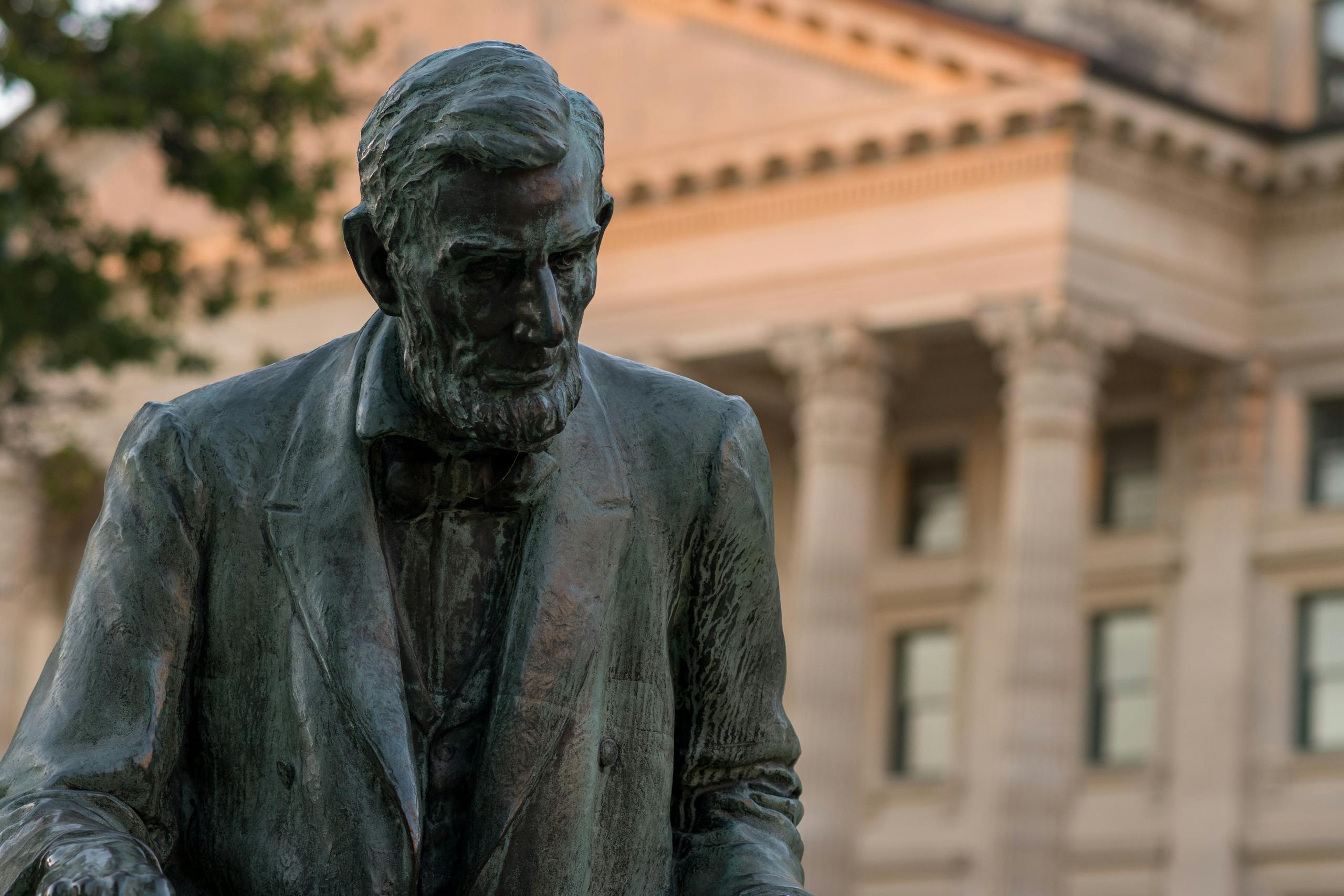
Abraham Lincoln is often remembered as steady, wise, and almost carved from stone. He led the United States through the Civil War and became a symbol of courage, patience, and moral strength. But letters and historical accounts reveal a man who lived with deep sadness and heavy emotional strain.
This hidden side of Lincoln does not weaken his greatness. It makes it more powerful. He carried grief, pressure, personal loss, public criticism, and the unbearable weight of war, yet he still led through one of America’s darkest moments. His secret was not weakness. It was the painful humanity behind the strength that people still admire.
Agatha Christie’s disappearance became her real-life mystery.
Agatha Christie built her career on clever mysteries, shocking twists, and missing people. Then, in 1926, she vanished for 11 days and became the center of a real-life mystery. Her disappearance triggered a huge search and wild public speculation, especially because she was already a famous writer.
The full truth has never felt completely settled, but many believe the episode was connected to emotional stress, grief, and trouble in her marriage. Her mother had died, and her husband’s relationship with another woman had pushed her personal life into crisis. Christie’s disappearance remains fascinating because it sounds like one of her own plots. The queen of mystery had a mystery hiding inside her own life.
King Tut’s tomb exposed a fragile young ruler behind the gold.
King Tutankhamun became famous after his tomb was discovered in 1922. The world fell in love with the golden mask, the treasures, the mystery, and the dazzling image of ancient Egypt. Before that discovery, Tut was not one of Egypt’s most famous pharaohs. The tomb turned him into a global icon almost overnight.
Later research made the story more human. Studies of his remains suggested that the young king may have struggled with health problems and physical weakness. That changed the picture from a glittering ruler to a boy caught inside royal pressure, religious change, and fragile health. The gold made him famous, but the science made him real.
Alan Turing’s secret war work changed the world.

Alan Turing was a brilliant mathematician whose work helped build the foundation of modern computing. But for years, one of his greatest achievements remained hidden because it was classified. During World War II, Turing worked at Bletchley Park, where he helped crack encrypted German messages sent through the Enigma machine.
When the truth became widely known, his legacy changed dramatically. Turing was not just a thinker ahead of his time. He was a war hero whose hidden work helped the Allies and shaped the future of computers. The tragedy is that Britain later persecuted him because he was gay. His story is both inspiring and heartbreaking because a country benefited from his genius, then failed to protect his dignity.
Key takeaway
History becomes more interesting when we stop treating famous people like flat portraits. Leonardo was more than an artist. Jefferson was more complicated than his words. Cleopatra was more strategic than the beauty myth. Tesla was more visionary than his failures. King Tut was more fragile than his treasure made him seem.
These hidden stories remind us that legacies are never frozen. New evidence can change how we remember even the most familiar names. The past still has locked doors, and every time one opens, history feels sharper, stranger, and much more human.