As of June 10, 2026, food prices in the United States remain stubbornly high, stretching household budgets to their limits. According to the latest U.S. Department of Agriculture forecasts, food at the grocery store is expected to cost about 3.2% more this year than last, while food consumed away from home, such as restaurant meals, could rise by roughly 3.5%. Those numbers may seem modest on their own, but when combined with wage growth that trails these increases and simultaneous spikes in housing, utilities, and transportation costs, the impact is anything but modest: for millions of families, grocery bills have become a source of financial strain rather than stability.
Across the country, something once ordinary, buying food for a week, now requires careful calculation, prioritization, and, for many, sacrifice.
Beef
Beef has long been synonymous with American dinner tables. Tacos, chili, roasts, burgers, these meals weren’t luxuries. But what happens when the backbone of weekly meals becomes a line item families dread?
In recent years, beef prices climbed sharply due to prolonged droughts, rising feed costs, and a contraction in the national cattle herd. The result: cuts of meat that once felt affordable now carry premium prices. For households that centered their meals on ground beef, rising costs have forced substitutions, meal reshuffling, and a greater reliance on cheaper proteins.
Chicken and Poultry
Chicken used to be the fallback protein, reliable, versatile, and cheaper than most red meats. But that safety cushion has eroded. While chicken prices haven’t spiked as dramatically as beef, they have risen enough to force families to reevaluate weekly meal plans.
Boneless breasts, wings, and tenders, once the backbone of quick dinners, are now items shoppers scrutinize before adding them to their carts. When even the traditionally “budget‑friendly” protein feels pricey, families must decide between lean protein and keeping the total grocery bill manageable.
Eggs

Eggs are more than breakfast food. They serve double duty in baking, school lunches, scrambled dinners, and quick meals in between. Once known as one of the cheapest protein sources, egg prices spiked dramatically in recent years due to disease outbreaks in poultry flocks. Even as prices have moderated from their peaks, they remain significantly higher than before, and every fluctuation hits households hard when eggs show up in so many meals.
For parents looking to stretch every dollar, the rising cost of eggs is more than an inconvenience; it’s a barrier to building inexpensive, wholesome meals.
Fresh Fruit
Fruit is supposed to be the easy yes, a snack parents feel good about offering, a bright pop of color on dinner plates, and a universally accepted after‑school choice. Yet fresh fruit prices have become highly volatile.
Weather patterns, transportation costs, and supply chain disruptions cause prices to fluctuate from week to week. Berries, grapes, stone fruits, and other favorites can disappear from carts not because families don’t want them but because those items feel out of reach when weekly totals climb.
The result? Many households are forced to prioritize calories over nutrients, a choice parents never want to make but sometimes must.
Fresh Vegetable
Vegetables, broccoli, peppers, lettuce, and tomatoes once felt like the baseline of balanced meals. But like fruit, their costs can swing widely. Families report substituting fresh produce with frozen or canned alternatives, but even those options require trade‑offs in taste, texture, and nutritional value.
Fresh vegetables have become a silent budget pressure: affordable one week, surprisingly expensive the next. And for families trying to feed growing children with limited funds, those unpredictable swings matter.
Dairy
Milk, cheese, butter, and yogurt are parts of daily life in countless households: milk for cereal, cheese for sandwiches, yogurt for snacks, butter for baking. Individually, the prices might not seem dramatic. But collectively, dairy products can form one of the largest categories on a family’s grocery bill.
Steady price bumps across milk and cheese products mean that what was once an everyday purchase now demands attention. Parents juggling breakfast, lunch, dinner, and snack planning feel the cumulative impact of rising dairy costs every single week.
Bread and Bakery Items
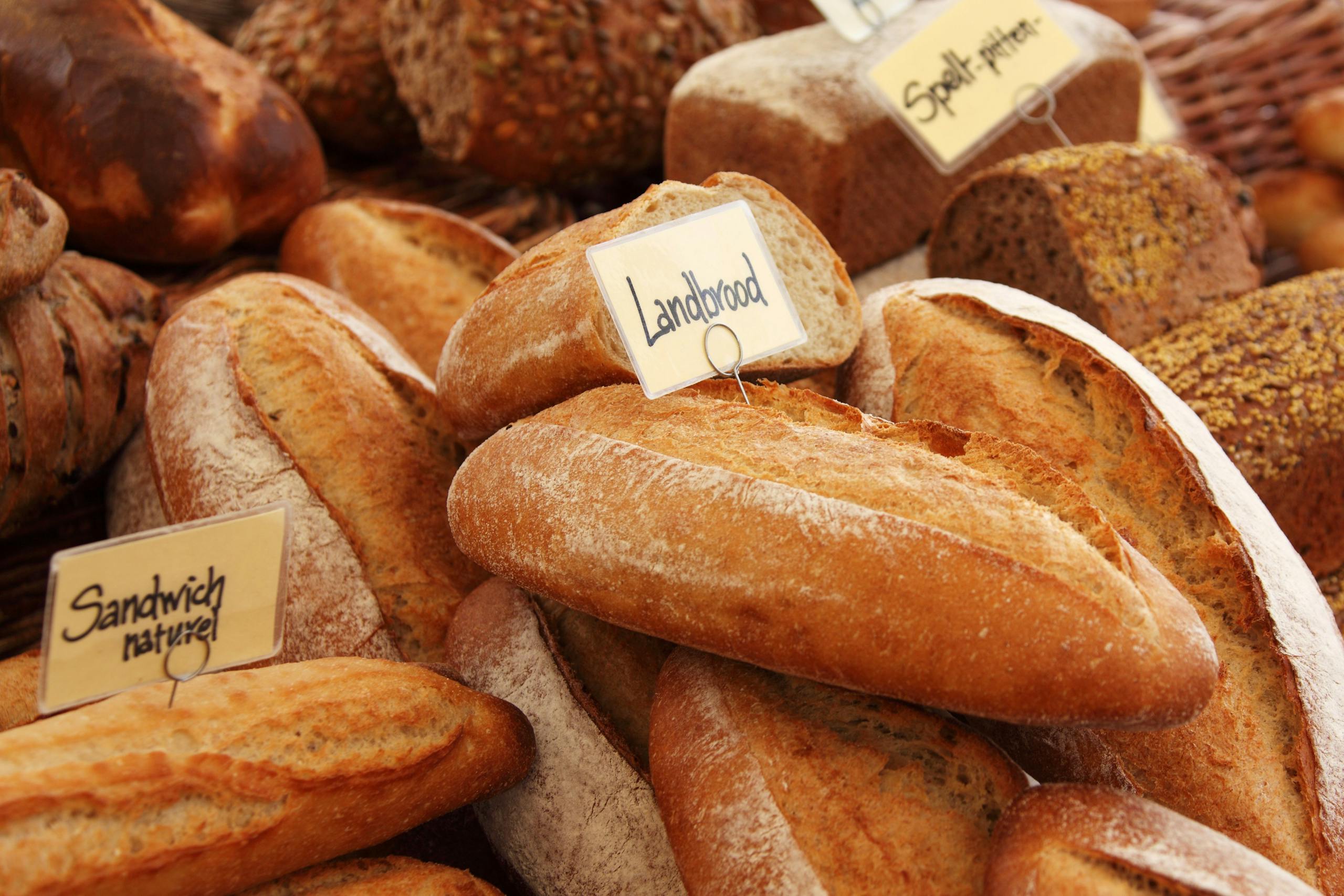
Bread is simple, and it should be inexpensive. Sandwiches, toast, burritos, warm buns these are foundational foods families return to time and again.
But bread and baked goods have also climbed in price. When loaves are bought weekly or multiple times a week for large families, even modest price increases become glaring. Muffins, rolls, bagels, and specialty breads similarly contribute to grocery totals that keep rising.
For families on tight budgets, those everyday carbs are no longer invisible costs they’re unmistakable.
Cereal
Cereal is the classic breakfast default: quick, portable, relatively affordable. But for many families, cereal is a recurring weekly purchase with multiple boxes on the list.
With cereal prices rising alongside other grocery categories, that familiar morning option no longer feels like a budget anchor. Parents find themselves pairing cost per ounce with servings per box to calculate which brand offers the most value, something they never had to think about before.
Seafood
Seafood from salmon to shrimp to cod has long been recommended as part of a balanced, nutritious diet. But in practice, it has slipped into the realm of occasional treats rather than routine options for many households.
Whether due to supply costs, demand from international markets, or pressures on fishing and farming operations, seafood prices remain elevated. For families trying to meet dietary goals without breaking the bank, seafood has become something saved for special dinners, not weeknight meals.
Snacks
Chips, crackers, granola bars, and cookies are snacks that may not be dinner staples, but they are daily essentials in many households, especially those with children. Snack foods help fill lunchboxes, curb afternoon hunger, and keep kids satisfied between activities.
But snack prices have been rising faster than many families expected. Because snacks are frequent purchases rather than occasional buys, their cumulative cost can become a major factor in weekly grocery totals.
What once felt like a small, manageable cost now adds extra pressure each time a family fills a cart.
Beyond the Price Tags
Money is quantitative dollars and cents, numbers and totals. But feeding a family is emotional: comfort, tradition, nutrition, connection at the dinner table.
When favorite foods become expensive, families don’t just feel financial strain they feel personal constraint.
- Parents trading fresh fruit for cheaper sweets.
- Households plan meals around cost per serving instead of taste.
- Beloved meals are replaced with cheaper alternatives that don’t feel quite the same.
Food prices aren’t just numbers on grocery shelf tags. They are a daily reality for millions of families who watch costs climb while incomes lag.