Honda has issued a major safety recall that extends across America’s cold-weather driving states, where road salt, winter slush, and years of harsh pavement can turn a hidden metal problem into a serious road risk. The recall affects 880,514 vehicles, including popular Honda and Acura family SUVs and trucks that many owners rely on for school runs, long commutes, weekend trips, towing, and daily transportation.
We are not looking at a cosmetic rust complaint. The issue centers on the rear subframe, a structural area tied to rear suspension mounting points. If corrosion progresses far enough, the affected metal can thin and fracture, allowing rear suspension components to fail. That can change how the vehicle handles, how stable it feels, and how safely it responds when a driver needs control most.
The recall covers certain 2016–2022 Honda Pilot, 2017–2023 Honda Ridgeline, 2019–2023 Honda Passport, and 2014–2020 Acura MDX vehicles. The affected population is tied to vehicles sold in salt-belt states and Washington, D.C., where de-icing chemicals are heavily used during winter weather.
Which Honda and Acura Vehicles Are Recalled?
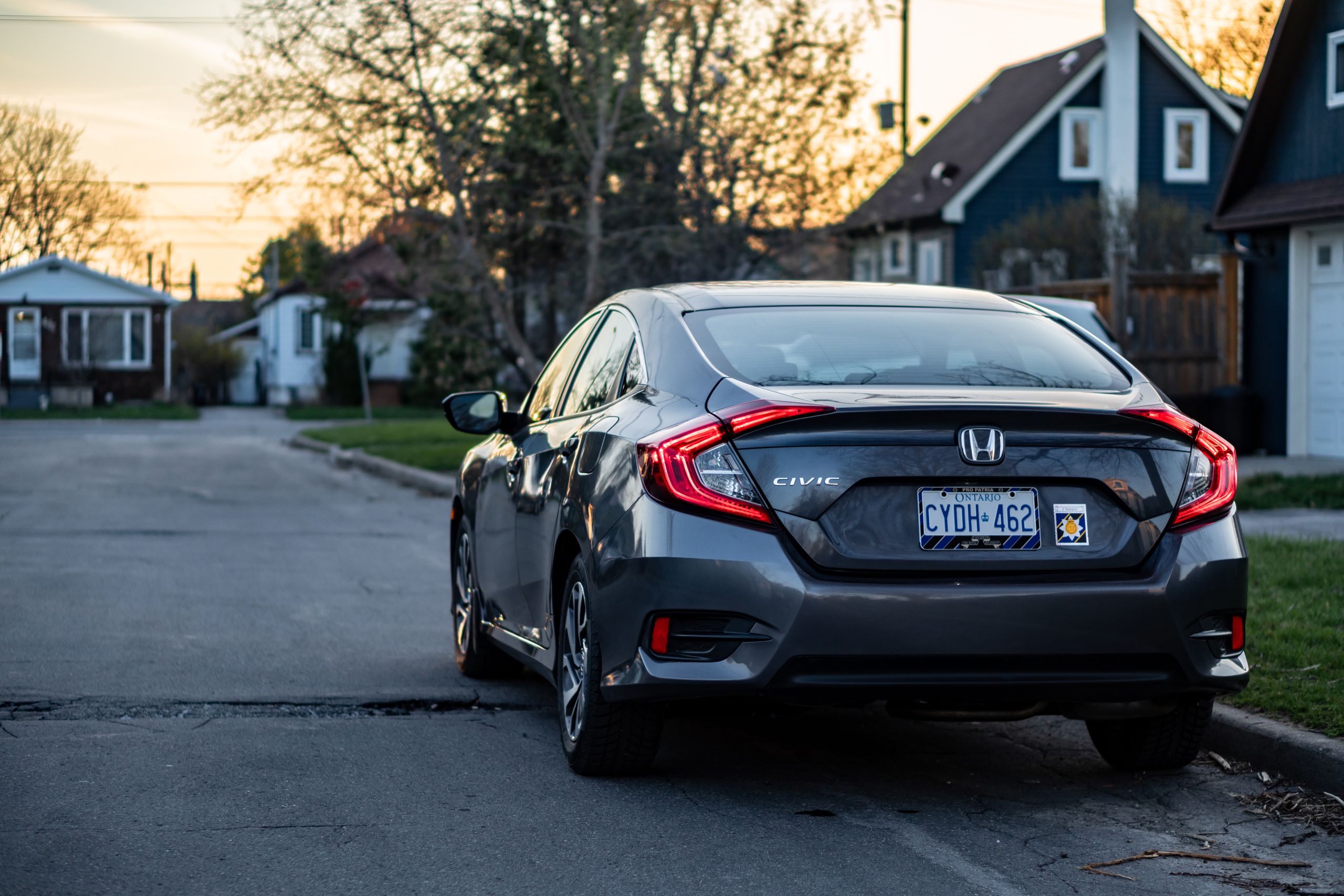
The recall population includes four model lines, all familiar names in family and utility driving. The Honda Pilot and Acura MDX are three-row SUVs often used by families. The Honda Passport is a midsize SUV built for drivers who want space and utility. The Honda Ridgeline is a pickup that blends truck function with everyday comfort.
The States Where the Recall Matters Most
This recall is tied to vehicles sold in areas where road crews regularly use de-icing agents. Those chemicals help prevent winter crashes, but they can also accelerate corrosion when vulnerable metal surfaces are exposed over time.
The affected region includes vehicles sold in:
Connecticut, Delaware, Illinois, Indiana, Iowa, Kentucky, Maine, Maryland, Massachusetts, Michigan, Minnesota, Missouri, New Hampshire, New Jersey, New York, Ohio, Pennsylvania, Rhode Island, Vermont, Virginia, West Virginia, Wisconsin, and Washington, D.C.
This state list is important because many vehicles move after the original sale. A Honda Pilot first sold in Michigan may now be parked in Georgia. A Ridgeline that spent years in New York may now be listed for sale in Florida. A used Acura MDX from Pennsylvania may now belong to a driver who has no idea the vehicle’s early life placed it in a corrosion-risk region.
That is why owners should not rely only on their current address. The smarter move is to check the vehicle identification number. The VIN tells owners whether their specific vehicle is included, regardless of where it sits today.
What Is Wrong With the Rear Subframe?
The problem begins with the rear subframe, a major structural assembly beneath the vehicle. This area supports rear suspension components and helps keep the rear wheels aligned, stable, and properly controlled while the vehicle moves.
Federal recall records describe a coating issue. Some rear subframes may have been manufactured with improper coating specifications, resulting in insufficient paint adhesion. When paint peels near the arm bracket weld area, the exposed metal becomes more vulnerable to corrosion.
In dry climates, that exposure may not create the same urgency. In salt-belt states, the combination of moisture, snow, slush, de-icing chemicals, and repeated winter driving can speed up corrosion. Over time, the metal at the suspension mounting points may thin. Add vibration from daily driving, potholes, rough roads, and highway speed, and a weakened mounting area can become a safety concern.
Why Rear Suspension Failure Is a Serious Safety Risk
Rear suspension parts do more than keep the ride comfortable. They help control wheel position, vehicle stability, braking behavior, and the vehicle’s response when the driver turns, swerves, stops, or drives over uneven pavement.
If the mounting points for the rear control arm or lower arm fail, the rear wheels may become misaligned or inadequately retained. In plain terms, the rear of the vehicle may stop behaving the way the driver expects. That can affect handling, stability, and braking performance.
The greatest concern is not only that a component could break. The greater danger is that the failure could occur while the vehicle is in motion. A driver may suddenly feel the vehicle pull, shift, vibrate, or respond unpredictably. In traffic, on a wet road, during an emergency stop, or at highway speed, that loss of predictable control can quickly become dangerous.
Warning Signs Owners Should Not Ignore
Honda’s recall materials point to warning signs that may show up during normal driving. The most important are abnormal noise or vibration from the rear suspension and changes in vehicle handling.
Owners should pay attention to any new clunking, knocking, grinding, shuddering, or vibration from the rear of the vehicle. A change in how the vehicle tracks through a turn also warrants attention. If the rear feels loose, unsettled, or different from normal, the vehicle should be checked.
Drivers should also take unusual braking behavior seriously. Since the recall risk can affect stability and braking performance, any unusual feeling while slowing down should not be brushed off as ordinary wear and tear. The same applies if the vehicle feels like it is drifting, pulling, or reacting more harshly over bumps.
We should be careful here: not every noise means this recall defect is present. Vehicles develop normal wear, tires cup, bushings age, brakes make noise, and suspension parts can wear for unrelated reasons. Still, a recalled vehicle with rear-end noise deserves prompt attention because the possible failure area is tied to vehicle control.
When Owners Will Be Notified
Dealer notification was scheduled for early June 2026, while owner notification letters are expected around July 7, 2026. That means some owners may learn about the recall from news reports, online searches, social media, or repair shops before an official letter reaches their mailbox. Waiting for the mail is not the only option. Owners can check their VIN through official recall lookup tools.
What Used-Car Buyers Should Ask Before Purchasing
This recall is also important for used-car shoppers. A used Honda Pilot, Acura MDX, Honda Passport, or Honda Ridgeline may look clean from the outside, but the risk area is underneath the vehicle.
Before buying one of the affected models, shoppers should ask for the VIN and run a recall check. They should also ask whether the recall repair has already been completed. If the seller does not know, that is not enough. The answer should be verified through service records or a dealer.
A pre-purchase inspection is also wise, especially if the vehicle came from a salt-belt state. The inspection should include the rear subframe area, suspension mounting points, and visible corrosion around rear suspension components.
What This Means for Dealers and Repair Shops
Dealers may see a wave of calls from owners asking whether their vehicle is included, when parts will be available, and how long the repair might take. Because the remedy may range from inspection to reinforcement to component repair or replacement, service time may vary.
Independent repair shops may also hear from customers first. A driver who complains of rear noise or vibration may visit a local mechanic before realizing there is a recall. Shops should be alert when one of the affected models comes in from a salt-belt state, especially if rear suspension corrosion is visible.