A buffet can feel like a little celebration. Trays of golden chicken, steaming sides, colorful salads, and desserts stretching across the counter make it tempting to fill your plate before you’ve even decided what you want.
But a good buffet experience involves more than choosing your favorite dishes. Small habits, from reusing a plate to overlooking serving utensils, can make a difference.
According to the U.S. Food and Drug Administration, hot buffet foods should generally be maintained at 140°F or above, while cold dishes should stay at 40°F or below when serving food at home. Restaurants follow applicable state and local food-service rules, which can differ from household recommendations.
Whether you’re visiting an all-you-can-eat restaurant or enjoying a special-occasion buffet, it’s worth avoiding these 11 mistakes.
Returning to the Buffet With Your Used Plate
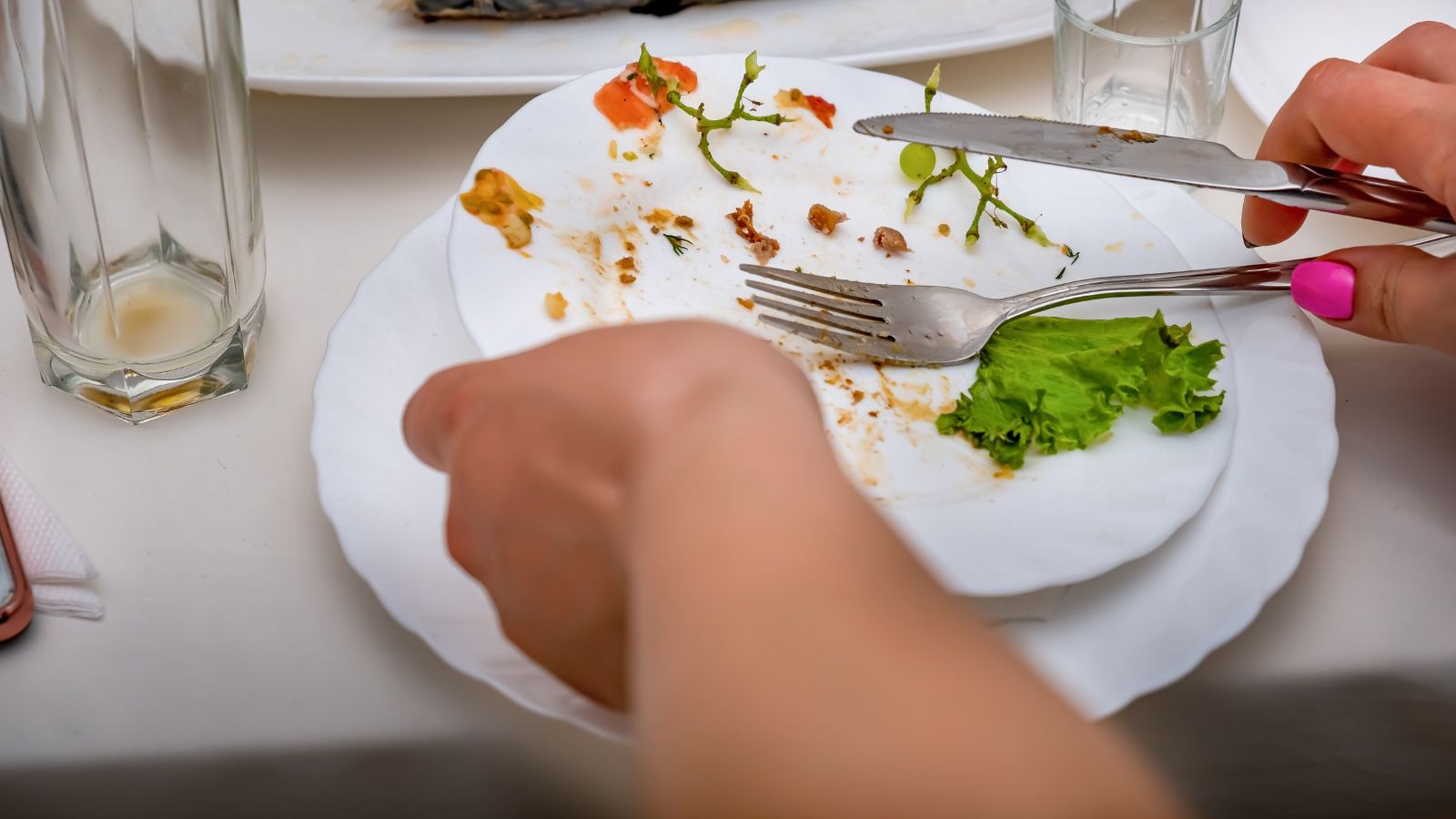
It might seem harmless to take your plate back for another helping, especially when there’s still room beside the mashed potatoes. But a used plate doesn’t belong back on a self-service line.
Oregon’s food-sanitation rules, for example, generally prohibit customers from using soiled tableware when returning for additional food, subject to specific exceptions.
The practical solution is simple: pick up a clean plate each time you return. Rules vary by jurisdiction, but using fresh tableware is an easy courtesy that helps keep shared serving areas orderly.
Skipping Handwashing Before Eating
A beautiful buffet can make people eager to eat right away. Still, don’t skip washing your hands.
The Centers for Disease Control and Prevention recommends washing with soap and water for at least 20 seconds before eating or handling food. That advice applies whether you’re preparing dinner at home or collecting a plate at a restaurant.
A quick trip to the sink might not feel like part of the dining experience, but it’s a sensible habit before handling shared serving equipment.
Assuming Hand Sanitizer Replaces Soap and Water
Hand sanitizer is convenient, especially when it’s sitting near the buffet entrance. However, it isn’t a complete substitute for handwashing.
The CDC warns that hand sanitizer doesn’t work well against norovirus. It can supplement handwashing, but the agency recommends soap and water as the primary approach. That doesn’t mean sanitizer is ineffective in every situation.
It simply means a quick squeeze from a dispenser shouldn’t automatically replace proper handwashing before your meal. Sometimes, the most useful preparation happens before you pick up a fork.
Visiting a Shared Buffet While You’re Sick
A buffet is built around people coming together, sharing a dining space, and serving themselves from common stations. That makes timing important when someone isn’t feeling well.
The CDC advises people experiencing vomiting or diarrhea to stay home and avoid preparing food for others while sick. Its norovirus guidance recommends waiting at least 48 hours after symptoms stop before resuming food-handling activities.
This recommendation isn’t a universal restaurant admission policy, but it gives you a clear reason to postpone a shared dining experience. The buffet will still be there another day, and you’ll enjoy it much more when you’re feeling better.
Moving Serving Utensils Between Dishes
A spoon resting beside the macaroni and cheese might look useful when the nearby casserole has no obvious serving utensil. Resist the temptation to borrow it.
According to Food Allergy Research & Education, shared ladles and tongs can accidentally transfer ingredients between dishes. The problem isn’t always visible. Small traces of one food can end up in another.
Keep each utensil with its intended dish. If something has been dropped or moved, let an employee know rather than casually returning it yourself. It’s a simple way to respect both the food and the next person in line.
Related: 10 Everyday Food Prep and Storage Mistakes Worth Fixing
Assuming You Know Every Ingredient in a Dish
A creamy casserole might look familiar, but appearances don’t reveal every ingredient used to make it. That’s particularly important for diners managing food allergies.
Food Allergy Research & Education explains that ingredients can transfer through shared grills, preparation surfaces, and utensils. A menu label may list the main ingredients without indicating how the food was prepared.
If you need to avoid a particular ingredient, speak with the restaurant manager about preparation methods and shared equipment. Asking before serving yourself is more reliable than guessing from the dish’s appearance.
Trusting Every Warming Tray Without Question
A steaming buffet line can look wonderfully inviting, with covered dishes and polished serving equipment keeping everything ready. But a warmer doesn’t automatically guarantee the temperature of its contents.
The FDA’s buffet guidance notes that some warming equipment holds food at only 110°F to 120°F, below its recommended 140°F hot-holding temperature for home buffets. Commercial restaurants operate under applicable local requirements and may use approved time-control procedures.
You cannot determine a dish’s precise temperature by looking at it. If something seems undercooked or under-chilled, ask an employee to check.
Judging Whether Food Is Properly Cooked by Color Alone
A beautifully browned piece of meat can look ready to eat, while another piece might appear less done. Unfortunately, appearance doesn’t provide the whole story.
The FDA explains that color and texture are unreliable indicators of whether meat, poultry, seafood, and egg dishes have reached their recommended cooking temperatures. A food thermometer provides a more reliable measurement.
Of course, restaurant customers aren’t expected to inspect every dish with their own thermometers. If something looks undercooked or raises concerns, ask the staff rather than assuming based on color alone.
Treating Raw Shellfish Like Any Other Seafood Dish
Seafood can be one of the most tempting parts of a generous buffet, especially when chilled oysters sit beside cooked shrimp and other favorites. But preparation matters.
The CDC recommends thoroughly cooking oysters and other shellfish and keeping raw seafood separate from ready-to-eat foods. That doesn’t mean every seafood item carries the same risks.
Raw oysters, steamed shellfish, and properly cooked fish are different preparations, and diners should understand what they’re choosing. If you prefer cooked seafood, ask how the dish was prepared rather than relying on an attractive display.
Forgetting About Leftovers After Leaving
A buffet meal can turn into a busy afternoon, especially if you’re shopping or running other errands afterward. If the restaurant allows take-home portions or you’ve separately purchased takeaway food, storage timing matters.
The FDA recommends refrigerating perishable leftovers within two hours, or within one hour when temperatures exceed 90°F. Leaving food in the car while running errands can easily disrupt that timeline.
But don’t assume an all-you-can-eat buffet automatically lets you take leftovers. Check the restaurant’s takeout policy first, then plan how you’ll transport and refrigerate anything you’re allowed to bring home.
Arriving Without Checking Whether Your Favorite Dish Is Available
Sometimes the disappointment has nothing to do with food handling. You arrive dreaming of a particular dish, only to discover that the restaurant isn’t serving it during your visit.
Golden Corral’s official location pages distinguish breakfast, lunch, and dinner menus, with certain offerings tied to specific service periods. That is a useful reminder that a buffet’s advertised selection isn’t necessarily available at every hour.
If you’re visiting specifically for a favorite dish, call the restaurant beforehand. A brief conversation can prevent an unnecessary trip and help you enjoy the meal you actually came for.
A Better Buffet Experience Begins With Small Habits
A buffet’s pleasure lies in its variety. You can sample familiar favorites, discover something unexpected, and enjoy several dishes without committing to just one. But that freedom works best when everyone treats the shared serving area thoughtfully.
Using clean plates, keeping utensils with their dishes, asking about ingredients, and checking menu availability are small actions that can improve the experience. While federal agencies provide useful food-handling guidance, always check the restaurant’s rules and policies for the specific location.
The next time you approach a buffet, remember that enjoying the food is only part of the experience. A little consideration can make the entire meal more pleasant.