A burger and a chicken breast are just 5°F apart on FoodSafety.gov’s cooking chart: 160°F for ground beef, 165°F for poultry. That narrow gap is a useful reminder to pay attention to the small print.
Before the pan sizzles and after the kitchen falls quiet, soaking times, storage limits, and package instructions deserve a place beside your recipe. These 10 foods offer a practical place to start.
Dried red kidney beans: skipping the soaking and boiling
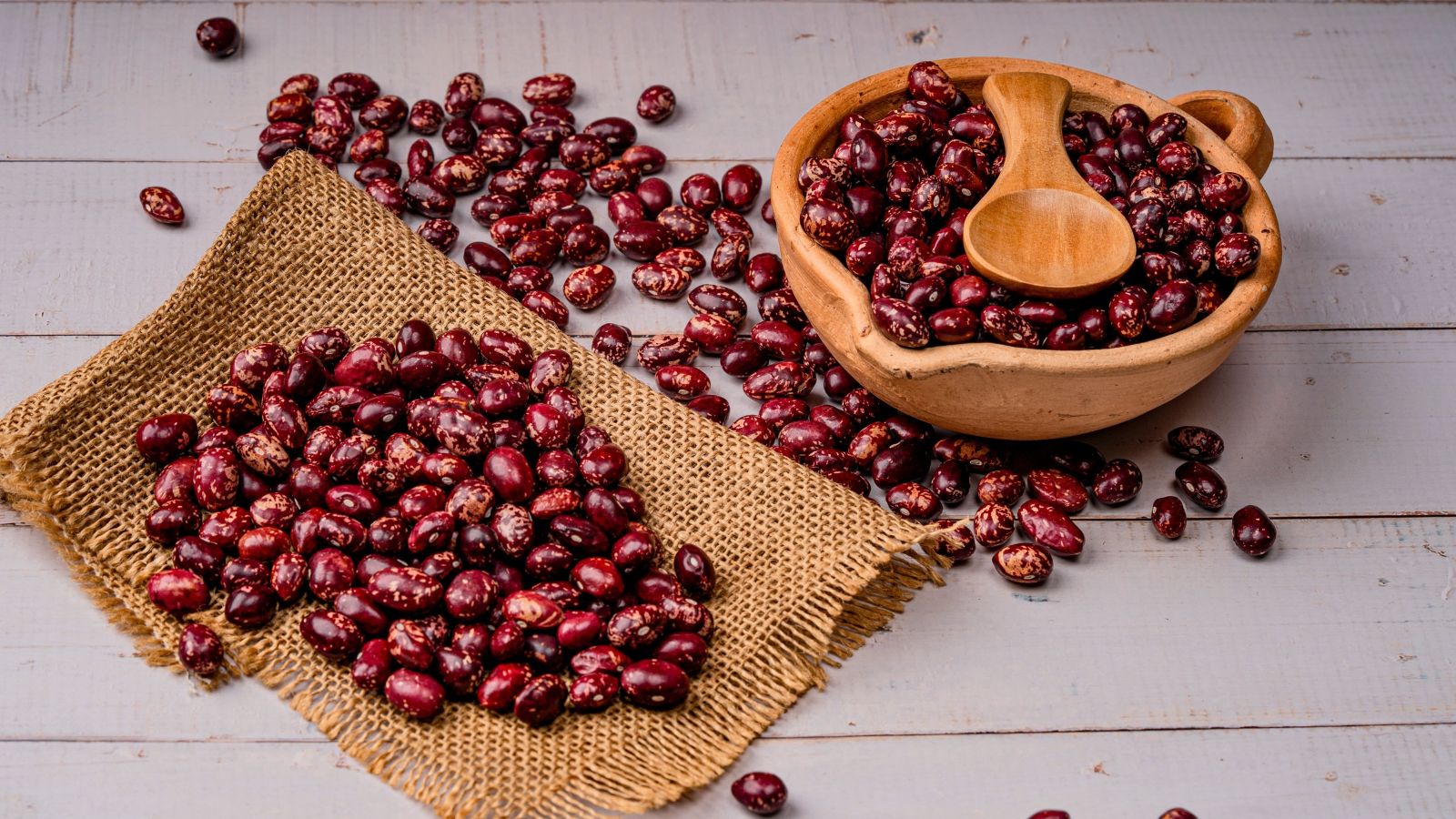
Dried red kidney beans need a little planning before the pot starts to bubble. The FDA recommends soaking for at least 5 hours, then boiling for at least 30 minutes in fresh water.
University of California Agriculture and Natural Resources advises against cooking uncooked dried red kidney beans in a slow cooker. The university explains that commercially canned kidney beans have already been processed, so they don’t require that preparation.
Cooked rice: forgetting the cooling step
When dinner winds down, reach for shallow containers: CDC recommends refrigerating leftovers within 2 hours, or within 1 hour if temperatures exceed 90°F.
For rice specifically, UK government guidance advises chilling ideally within 1 hour and keeping it refrigerated for no longer than 24 hours before reheating. It also recommends reheating rice only once, until steaming throughout. Keep those UK rice instructions distinct from CDC’s general leftover timing.
Flour and raw dough: overlooking the flour instructions
An egg-free recipe still needs a second look: CDC notes that most flour is raw. Follow the product’s cooking instructions, and choose dough explicitly labeled for eating uncooked if that’s what you want.
CDC says those edible dough products use heat-treated flour with pasteurized eggs or no eggs. FDA also advises against home heat-treating flour, so leave oven or microwave improvisation out of your no-bake plans.
Chicken: adding a rinse and guessing the finish
That pre-cooking rinse can come off your checklist: CDC says raw chicken doesn’t need washing. Keep its juices and preparation equipment separate from foods ready to serve, and use a food thermometer to check for 165°F.
CDC applies that temperature to all poultry, including ground chicken and turkey. Let the thermometer settle the question instead of relying on the meat’s color or texture.
Ground beef: borrowing the steak temperature
A burger needs its own entry in your cooking notes. USDA specifies 160°F for ground beef, while beef steaks, chops, and roasts require a minimum of 145°F, followed by at least a 3-minute rest.
Those whole-cut instructions don’t transfer to a hamburger just because both began as beef. If you switch to ground chicken or turkey, USDA’s number changes again to 165°F; check the ingredient before choosing the temperature.
Related: 10 Foods You Should Never Store in the Fridge: Here’s What to Do Instead
Eggs: using one checkpoint for every dish
A fried egg and a quiche call for different checks. FoodSafety.gov recommends cooking ordinary eggs until both the white and yolk are firm, while egg dishes such as quiche and frittata should reach 160°F. Its chart lists 165°F for casseroles containing meat or poultry. Before you slide dinner into the oven, match the instruction to the dish, rather than treating a set-looking surface as your entire cooking guide.
Sprouts: leaving their preparation until plating
A garnish deserves its own line in the cooking plan. CDC recommends thoroughly cooking sprouts rather than serving them raw or lightly cooked, and its guidance describes the endpoint as steaming hot.
Plan that cooking step before you begin plating, instead of treating sprouts as an automatic last-second scatter over a finished meal.
Homemade garlic oil: treating it as a pantry bottle
A pretty bottle doesn’t write its own storage instructions. CDC recommends refrigerating oils made with garlic or herbs and discarding unused oil after 4 days.
Marking the preparation date can help you follow that limit; keep this homemade batch separate from purchased oils, whose labels should guide storage.
Home-canned vegetables: improvising the method
For low-acid vegetables, CDC recommends pressure canning and defines low-acid foods as having a pH above 4.6. Follow a current, tested procedure matched to the food, jar size, and altitude, using the USDA guidance hosted by the National Center for Home Food Preservation.
CDC advises against substituting a boiling-water canner or electric multicooker for these foods. When you cannot confirm that the required canning procedure was followed, CDC says to discard the food without tasting it.
Foil-wrapped baked potatoes: stopping at the oven door
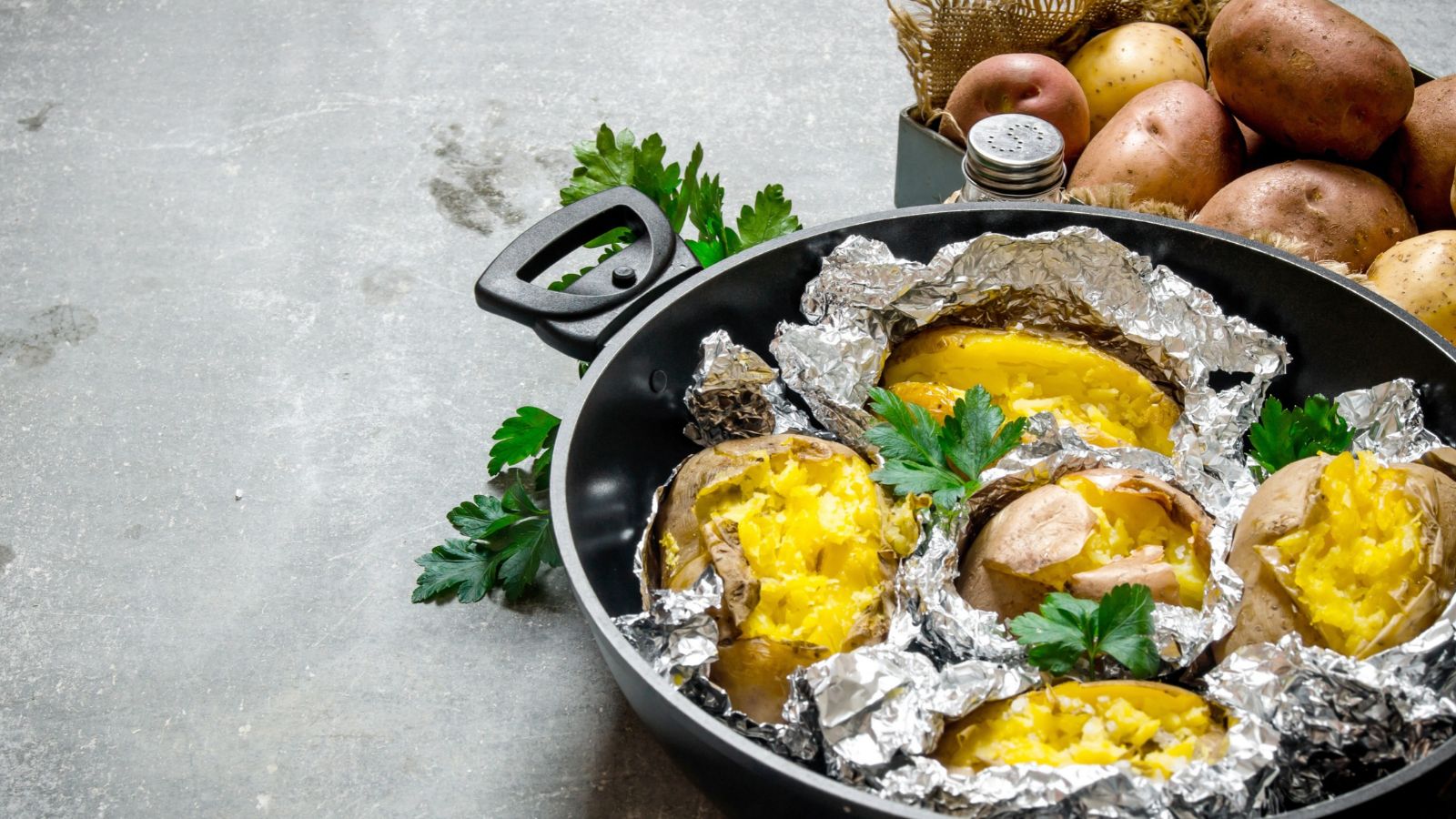
The potato’s instructions continue after baking. CDC recommends keeping foil-wrapped baked potatoes at 140°F or warmer until serving, or refrigerating them at 40°F or colder. For the refrigerator option, loosen the foil so air can reach the potato, as the agency directs. Make that small unwrapping step part of putting dinner away.
Keep CDC’s four steps beside your recipes: clean, separate, cook, and chill, leaving room at the table for pleasure.