That expiration date on your pantry staples might be costing you more money than you realize. From forgotten bags of rice to canned vegetables sitting at the back of a shelf, plenty of perfectly usable food gets tossed simply because the date on the package has passed.
Here’s something worth knowing: The U.S. Department of Agriculture (USDA) says most food date labels refer to quality, not safety. A “Best if Used By” date generally indicates when a product tastes best, not necessarily when it becomes unsafe to eat.
Storage conditions matter, and no pantry food lasts forever. But before you automatically throw something away, consider these 12 everyday staples that may have more life left in them than you think.
White Rice
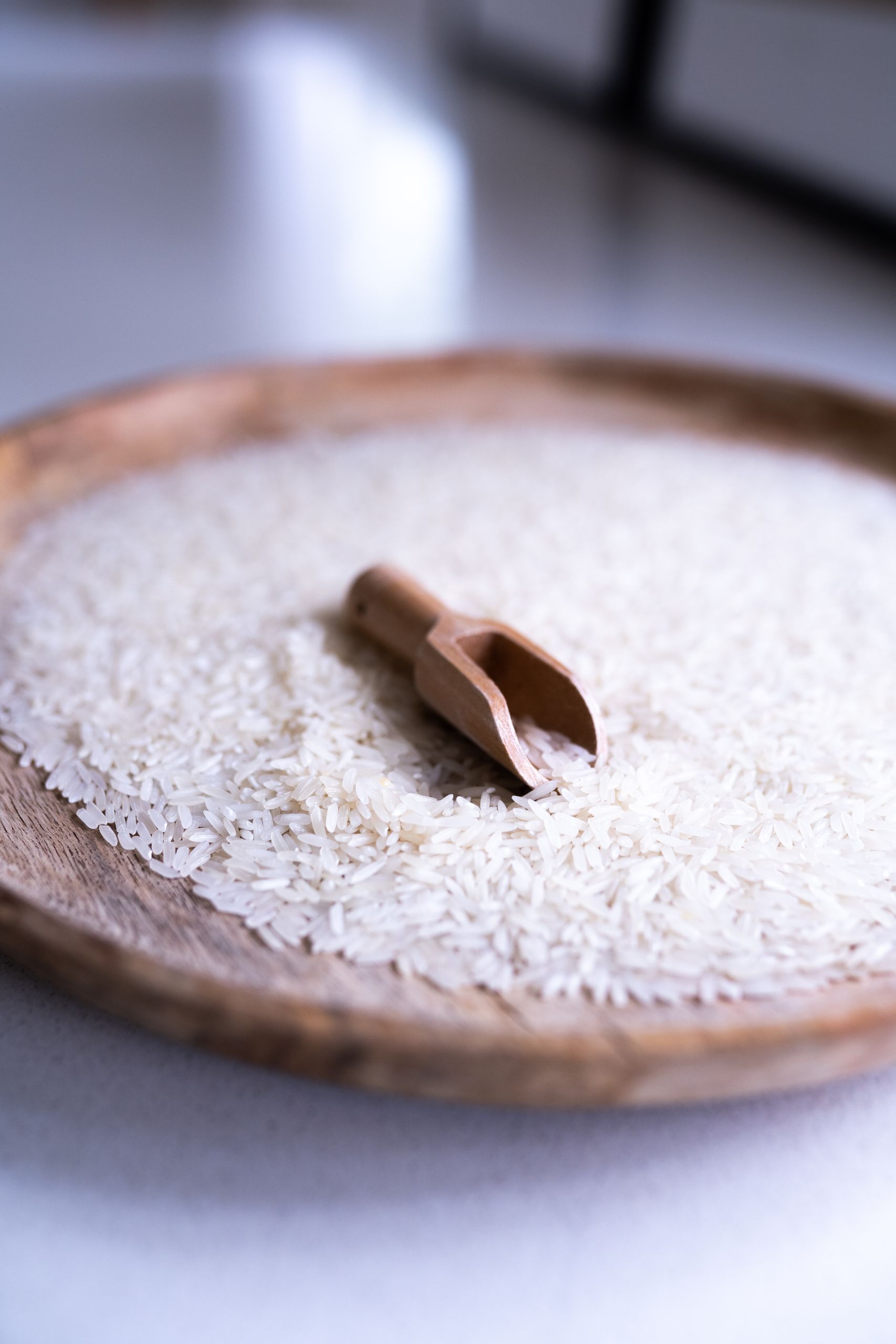
That bag of white rice hiding behind your cereal boxes might still be useful long after its printed best-by date.
Uncooked white rice stores particularly well because it contains relatively little oil. Unlike brown rice, which has natural oils that can eventually go rancid, white rice can stay fresh for a long time when stored properly.
The trick is keeping moisture and pantry pests away. Transfer opened rice into a clean, airtight container and place it somewhere cool and dry.
If you discover insects, mold, dampness, or an unusual odor, discard it. Otherwise, a slightly outdated date isn’t necessarily a reason to replace the entire bag.
Dried Pasta
Few pantry staples are as convenient as dried spaghetti, macaroni, and penne. Fortunately, these products don’t automatically become unusable when their best-by dates pass.
Regular dried pasta contains very little moisture, which helps it remain shelf-stable.
Over time, you might notice changes in flavor or texture, especially if the packaging is damaged or the pasta has absorbed moisture.
Keeping pasta in a sealed container protects it from humidity and pantry pests. Before cooking an older package, look for signs of contamination or deterioration.
Granulated Sugar
If you’ve ever discovered a hardened bag of sugar, you might have assumed it was time to throw it away.
But sugar can become lumpy simply because it has absorbed moisture from the surrounding air. That doesn’t automatically mean it’s spoiled.
Granulated white sugar can remain usable for a very long time when stored properly. A tightly sealed container helps prevent clumping and keeps out unwanted moisture and contaminants.
If the sugar is clumped but remains clean and dry, breaking up the lumps may be all that’s needed.
Honey
Honey tends to change its appearance, especially after sitting untouched for months.
You might open the jar and discover that the smooth golden liquid has turned thick, cloudy, or grainy.
That change is often crystallization, a natural process that doesn’t necessarily mean the honey has gone bad.
You can usually return crystallized honey to a more liquid consistency by placing the tightly closed jar in warm water and gently warming it.
Store honey in a sealed container and use clean, dry utensils to avoid introducing moisture or contaminants.
Dried Beans
Dried beans are another pantry staple that can remain usable beyond their best-by date.
Pinto beans, black beans, kidney beans, and other dried varieties can hold up well when protected from moisture and pests.
However, older beans can become increasingly difficult to soften, even after extended cooking.
That means an old bag may still be usable, but it may require extra soaking and cooking time.
Store dried beans in airtight containers, and discard any showing signs of mold, insects, or moisture damage. Always cook dried beans properly, especially kidney beans, which require thorough boiling.
Canned Vegetables
Finding a can of green beans or corn with an old date doesn’t automatically mean you need to change your dinner plans.
According to the USDA, commercially canned low-acid foods, including most vegetables, generally maintain their best quality for about two to five years when stored properly.
The can’s condition matters, too.
A small, smooth dent may not be a problem, but cans that are bulging, leaking, deeply dented, or heavily rusted should be discarded.
Never taste suspicious canned food to decide whether it’s safe.
Peanut Butter
Peanut butter doesn’t always need to be discarded the moment its printed date passes, especially if the jar remains unopened and is stored as directed.
You may also notice oil separating from natural peanut butter. This is normal for varieties made without stabilizers.
Stirring the oil back into the peanut butter can restore its familiar consistency.
However, peanut butter contains oils that can eventually become rancid. If it has unpleasant odors or flavors, discard it.
Once opened, follow the manufacturer’s storage instructions, including refrigeration when recommended.
Dried Herbs and Spices
That jar of oregano you’ve had for ages may have lost some of its punch, but fading flavor isn’t the same thing as spoilage.
Dried herbs and ground spices gradually lose their aroma and strength, particularly when exposed to heat, sunlight, and air.
Try rubbing a small amount of a dry herb between your fingers. If it releases little aroma, it may not add much flavor to your next recipe.
Keep spices in tightly closed containers away from the stove and other heat sources.
Discard anything contaminated by moisture, insects, or mold, but don’t assume every older spice jar belongs in the trash.
Cornstarch
Cornstarch is easy to forget until you’re making gravy, thickening a sauce, or preparing a homemade dessert.
Fortunately, this simple pantry ingredient can stay useful for a long time when kept completely dry.
Its biggest enemies are moisture and contamination.
Cornstarch that has absorbed water may clump, develop an unusual texture, or become unsuitable for use.
Store it in a tightly sealed container, and always use a dry measuring spoon.
If the powder remains clean, dry, and free from insects or suspicious discoloration, the date alone may not mean you need a new box.
All-Purpose Flour
Flour deserves a little more attention because different varieties store differently.
Refined all-purpose flour generally stays fresh longer than whole-wheat flour, which contains more natural oils that can go rancid.
A printed best-by date helps you estimate peak quality, but it doesn’t automatically tell you whether an unopened bag has spoiled.
Protect flour from moisture, pests, and heat by storing it in a suitable airtight container.
If it develops an unpleasant odor, visible mold, or evidence of insects, discard it. Remember, always cook or bake raw flour before eating.
Canned Soup
An unopened can of soup can be a lifesaver on a busy evening, and it may remain usable beyond the date stamped on the bottom.
The type of soup matters. Tomato-based soups are acidic and generally have a shorter recommended quality-storage period than wide lower-acid canned varieties.
The USDA estimates that high-acid canned foods maintain their best quality for about 12 to 18 months, while many low-acid canned products can maintain it for two to five years.
Proper storage is essential. Store canned soups in a cool, dry cabinet, not near a hot oven or in a damp garage.
Discard any can that is swollen, leaking, heavily rusted, or badly dented, especially around its seams.
White Vinegar
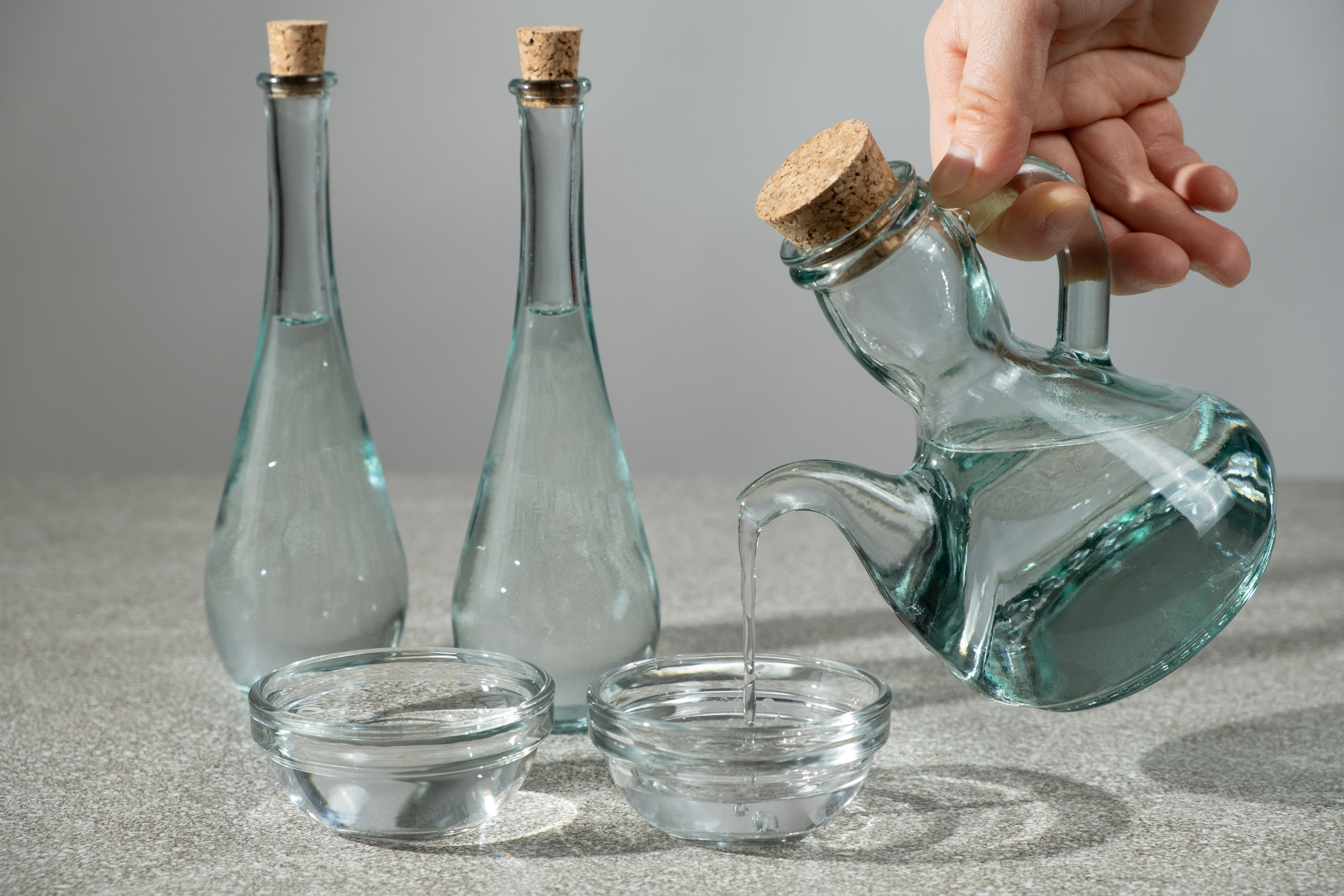
White distilled vinegar is a pantry staple that can last a long time.
Its acidity helps preserve its quality, making it a convenient staple for cooking, pickling, and household cleaning.
If you’ve kept a bottle sealed in a cool cabinet, a passed quality date alone may not justify throwing it away.
Always use food-grade vinegar for cooking, and follow tested recipes when preserving food.
Keeping the cap tightly closed also helps prevent contamination and unnecessary quality changes.
The Bottom Line
Throwing away food simply because a printed date has passed can create unnecessary waste and extra grocery expenses.
The smartest approach is to understand what the label means, store pantry staples properly, and recognize when a product genuinely needs to be discarded.
As the USDA explains, “Best if Used By” generally refers to optimal quality, not an automatic safety deadline. That distinction can help shoppers make more informed decisions about unopened, shelf-stable foods.
Still, don’t ignore damaged packaging, mold, insects, unusual odors, or signs of contamination. And remember that opening a package can change its storage requirements.
A little organization, proper storage, and careful attention to food labels can help you get more value from the groceries you’ve already purchased.
Your next money-saving grocery decision might start right in your own pantry.
Other Posts You Might Like:
foods-you-should-never-store-in-the-fridge-heres-what-to-do-instead/