Some foods have spent years being blamed for weight gain, high cholesterol, or poor eating habits. Eggs were criticized for their cholesterol, potatoes became the enemy of low-carb diets, and peanut butter was often avoided because of its fat content. But nutrition science has challenged some of these old assumptions.
The American Heart Association emphasizes that healthy eating depends on overall dietary patterns, not on labeling individual foods as good or bad. Research suggests that several foods with questionable reputations can provide valuable nutrients when eaten in reasonable portions and prepared thoughtfully.
Here are 10 familiar foods that may deserve a second chance on your plate.
Eggs
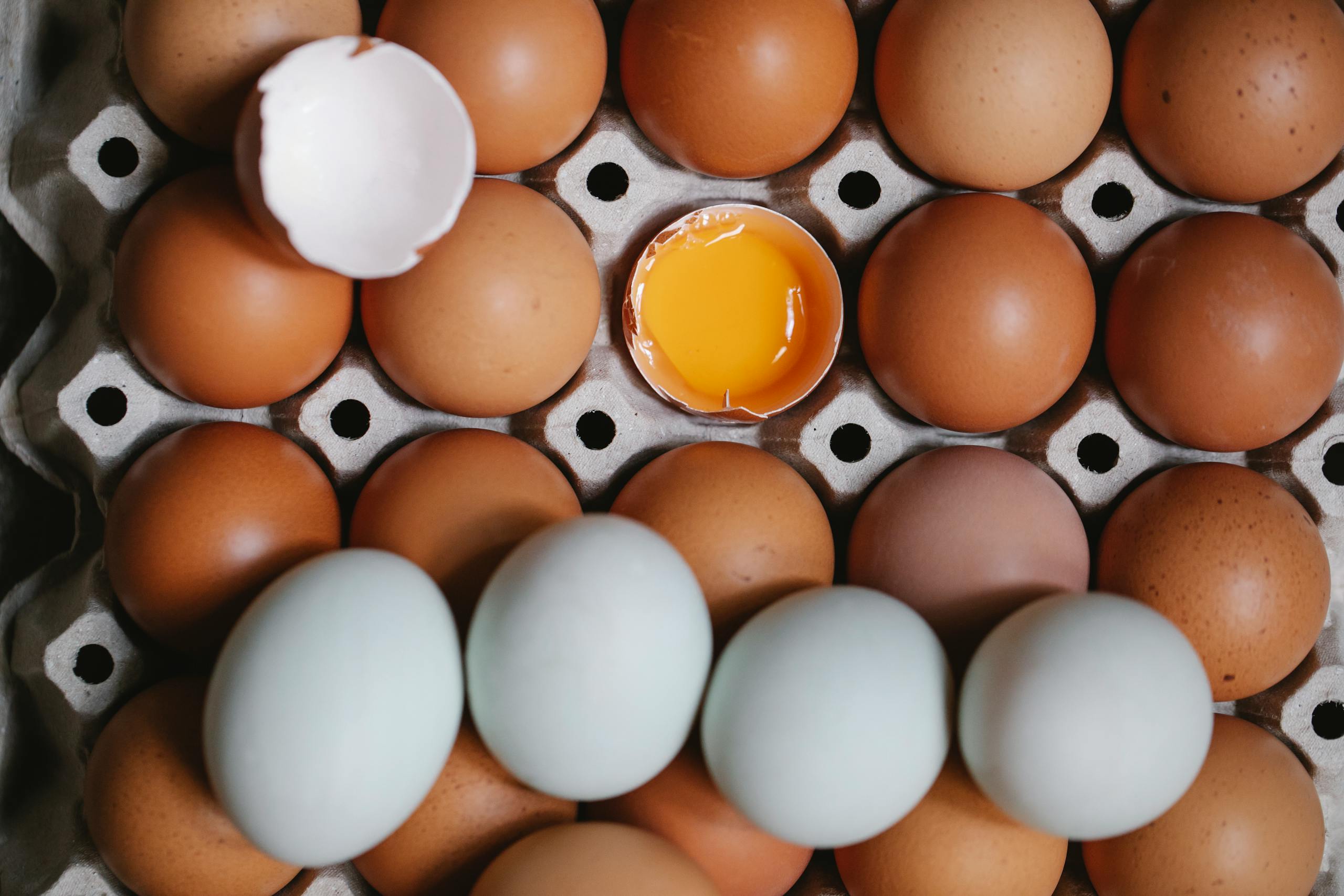
For years, people treated eggs with suspicion because their yolks contain cholesterol. Many people switched to egg whites or avoided eggs altogether, believing that eating the whole egg would automatically raise their cholesterol levels.
However, the relationship between dietary cholesterol and heart disease is more complicated than previously believed.
According to the American Heart Association, healthy individuals can generally include up to one whole egg daily as part of a balanced eating pattern. However, people with certain health conditions may need different guidance.
Eggs also provide protein, choline, and other important nutrients. The takeaway isn’t that everyone should eat unlimited eggs, but that the whole egg doesn’t deserve its old reputation.
Potatoes
Potatoes have become almost synonymous with unhealthy carbohydrates, partly because they often show up as French fries, potato chips, and heavily loaded restaurant sides.
But a plain potato tells a different story.
Harvard’s Nutrition Source identifies potatoes as sources of potassium, vitamin C, vitamin B6, and fiber, especially when you eat the skin.
That doesn’t mean potatoes are interchangeable with every vegetable. Their starch content can produce a substantial blood sugar response, and frequent consumption of fried potatoes raises additional concerns.
Still, a baked or boiled potato served alongside vegetables and protein differs greatly from a large serving of fries. Preparation and portion size matter.
Peanut Butter
Peanut butter is often criticized because it’s calorie-dense and contains plenty of fat.
But fat isn’t automatically a reason to avoid a food.
Peanuts provide protein, fiber, vitamins, minerals, and predominantly unsaturated fats. The American Heart Association includes peanuts and nut butters among foods that can fit into heart-conscious eating patterns.
The key difference is what’s in the jar. Some varieties contain added sugar, excess sodium, or additional oils.
Choosing peanut butter with a simple ingredient list and keeping portions reasonable can make this familiar pantry staple a practical choice. Two tablespoons is a standard serving.
Coffee
Coffee has experienced one of the biggest reputation changes in nutrition discussions.
It was once widely questioned for its caffeine content and possible links to disease. Yet large observational studies have associated moderate coffee consumption with several favorable health outcomes.
Harvard’s Nutrition Source explains that coffee contains naturally occurring plant compounds and that moderate drinking can fit into a healthy lifestyle.
However, caffeine affects individuals differently. Too much can disrupt sleep or cause restlessness, and sugary coffeehouse drinks aren’t nutritionally equivalent to plain brewed coffee.
The encouraging news is that many people who enjoy a morning cup don’t necessarily need to give it up.
Popcorn
Popcorn has long been associated with movie theater butter, oversized snack buckets, and salty packaged treats.
But popcorn itself is actually a whole grain.
The American Heart Association notes that air-popped popcorn provides dietary fiber and can be a satisfying snack without the heavy additions common in commercial versions.
The problem often comes from preparation, not the popcorn.
A lightly seasoned homemade bowl differs greatly from popcorn drenched in butter or coated in caramel. If you’re looking for something crunchy, plain popcorn deserves more credit than it usually receives.
Avocados
There was a time when people avoided avocados simply because they were high in fat.
Today, nutrition experts place much greater emphasis on the type of fat a food contains.
Avocados contain mainly unsaturated fats, along with fiber and other nutrients. According to the American Heart Association, these fats can be useful when they replace foods high in saturated fat.
Avocados are calorie-dense, so portion sizes still matter.
Whether mashed onto toast, sliced into salads, or served as guacamole, avocado can fit into a balanced meal without the guilt once associated with higher-fat foods.
Tofu
Tofu has attracted its share of controversy, particularly because of concerns surrounding soy and its naturally occurring isoflavones.
Some people have questioned whether eating soy products could interfere with hormones.
However, the American Heart Association reports that those fears are not supported by convincing evidence for most people eating normal amounts of soy foods.
Tofu is a plant-based protein source that contains essential amino acids and various minerals. It can also provide an alternative to some animal-based proteins.
One advantage is its versatility. It absorbs marinades and seasonings, making it useful in stir-fries, soups, and countless other dishes.
Frozen Vegetables
Frozen vegetables sometimes get unfairly criticized because shoppers assume fresh produce is automatically more nutritious.
That isn’t necessarily true.
Harvard Health explains that frozen fruits and vegetables can contain vitamin and other nutrient levels comparable to fresh produce.
Freezing also offers convenience. Vegetables can stay available for meals without frequent grocery trips or being discarded after sitting too long in the fridge.
The best choices are typically plain frozen vegetables without added sauces, excessive salt, or rich seasonings.
A bag of frozen broccoli or spinach can be just as useful in everyday cooking as fresh produce.
Canned Beans
Canned foods are frequently criticized for being overly processed, and some canned products do contain significant amounts of sodium.
But you shouldn’t automatically dismiss canned beans.
Beans provide plant protein and fiber, and can be used in soups, salads, tacos, and other easy meals.
The American Heart Association recommends including beans and legumes in a balanced eating pattern, while choosing canned products without excess salt whenever possible.
Look for no-salt-added or reduced-sodium varieties for convenience.
Sometimes, opening a can really is a sensible alternative to cooking dried beans from scratch.
Dark Chocolate
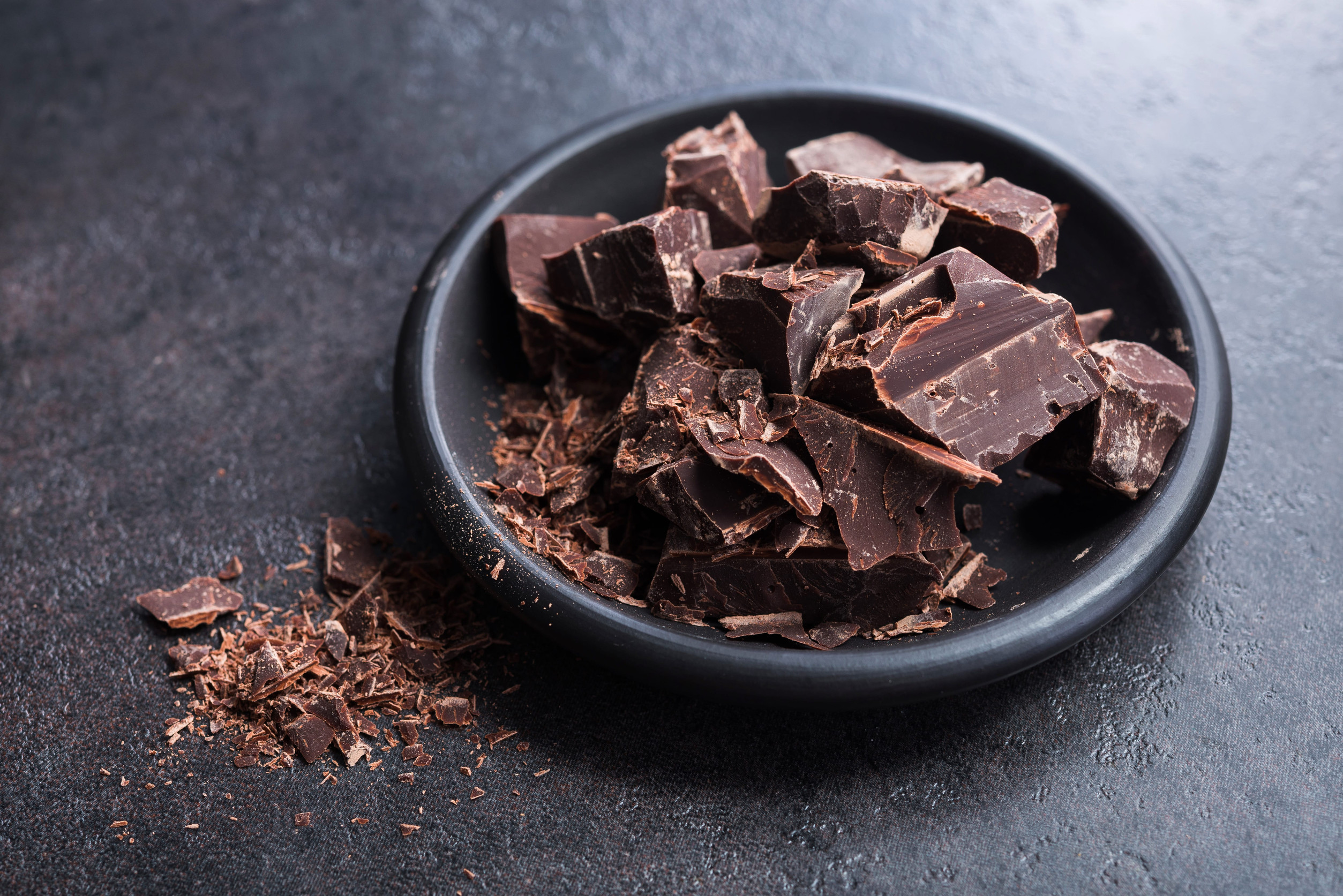
Chocolate might be the most surprising entry on this list.
It’s usually categorized as candy, and for good reason: many chocolate products contain substantial amounts of sugar and saturated fat.
However, cocoa contains flavanols, naturally occurring compounds that researchers have investigated for their potential cardiovascular effects.
The American Heart Association acknowledges this research but cautions that evidence is insufficient to recommend eating chocolate specifically to improve heart health.
Dark chocolate generally contains more cocoa solids than milk chocolate, although it can still be high in calories.
A small serving can fit into an otherwise balanced diet. Just don’t mistake an enjoyable treat for a guaranteed health booster.
The Bottom Line
The biggest lesson from these foods is that nutrition isn’t always as simple as separating everything into good and bad categories.
A potato isn’t the same as a plate of fries. Plain popcorn isn’t the same as butter-soaked movie theater popcorn. And a cup of black coffee is very different from a large, sugar-filled specialty drink.
Preparation methods, portions, individual health needs, and overall eating habits all influence how foods fit into a diet.
Before crossing a familiar favorite off your grocery list because of something you heard years ago, consider whether its bad reputation is actually supported by current evidence.
Sometimes, a food that once seemed like a poor choice may offer more than we once believed.