The latest U.S. strikes on Iran may have been described as self defense, but the fallout is already much bigger than one military operation. We are now looking at a dangerous chain reaction that can move from missile sites in Iran to gas stations in America, from the Strait of Hormuz to grocery bills, and from foreign policy briefings to family budgets.
This is not just another overseas conflict that Americans can ignore from a safe distance. When the United States hits Iranian military systems, Iran threatens shipping lanes, oil traders panic, and ordinary families are left wondering why everything keeps getting more expensive.
Here are the ugly ways this crisis could hit Americans where it hurts most.
Gas Prices Could Become the First Real Punch
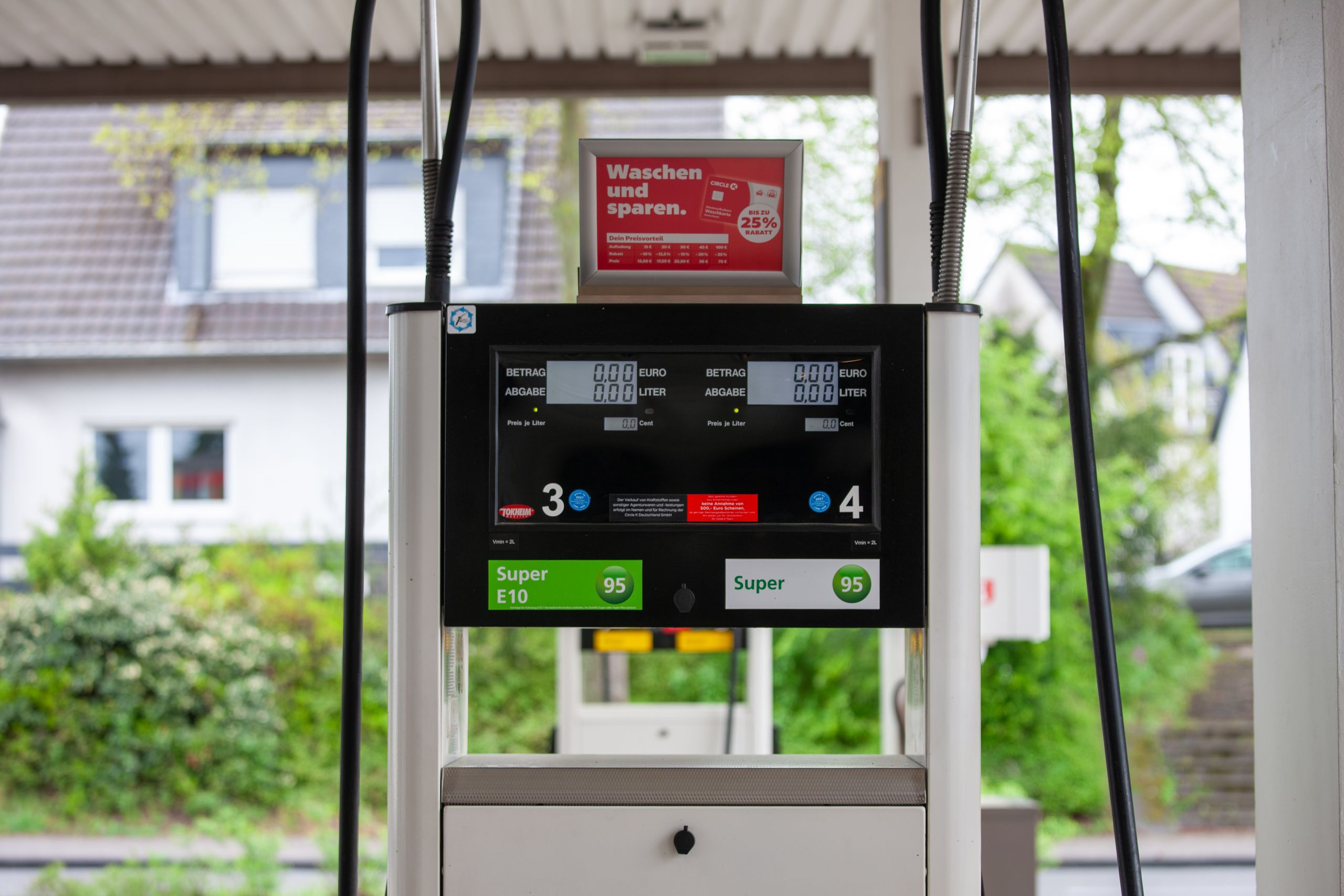
The fastest way this conflict can reach American families is through the gas pump. The Strait of Hormuz is one of the most important oil routes in the world, and any serious threat to ships moving through that waterway can make oil prices jump before a single American driver understands what happened.
That is the cruel part of energy markets. Prices do not wait for the full damage. They rise on fear, risk, threats, and uncertainty. If traders believe tankers may be delayed, attacked, escorted, rerouted, or blocked, the cost of oil can move quickly.
For working Americans, that means one more bill getting heavier. A family with two cars does not care about military language when the weekly fill up suddenly costs more. They feel the war through the receipt.
Inflation Could Get Worse at the Worst Possible Time
America has already been bruised by years of high prices, and another oil shock could make the pressure worse. Fuel touches almost everything. Food has to be transported. Packages have to be shipped. Planes need jet fuel. Stores pay more to move goods across the country.
That means an Iran crisis can quietly raise prices far beyond gasoline. It can affect groceries, delivery fees, airline tickets, household products, and business costs. The danger is not only that prices rise, but also that they rise in small, painful ways that make families feel trapped.
When inflation returns through energy costs, it feels especially unfair. People did not choose the conflict, but they may still be forced to pay for it every time they buy milk, bread, meat, or fuel.
Military Families Could Pay the Highest Human Price
For many Americans, the U.S. strike on Iran is a headline. For military families, it is a warning siren. Every new exchange between Washington and Tehran raises the risk that American service members in the region could face more danger.
Bases in the Middle East can become targets. Ships can become targets. Aircraft can become targets. Even if most attacks are intercepted or miss, one successful strike can change everything in seconds.
Military families know the emotional cost of escalation before the rest of the country catches up. They know that phrases like “regional posture,” “self defense strikes,” and “force protection” can mean sleepless nights, longer deployments, and terrifying phone calls.
The Strait of Hormuz Could Turn Into a Global Economic Trap
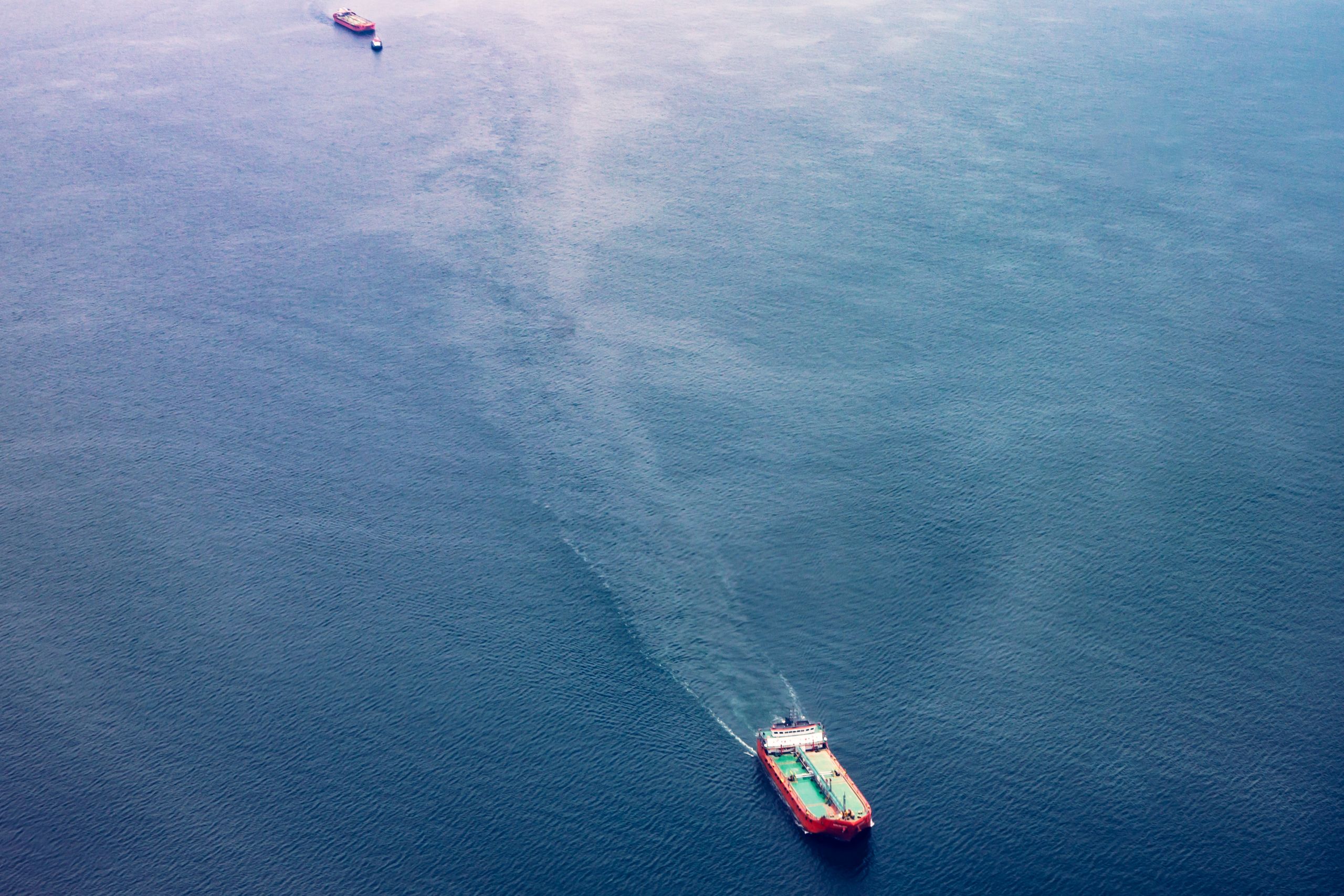
The Strait of Hormuz is a narrow waterway, but its importance is enormous. If Iran threatens it, restricts it, or tries to close it, the world economy feels the shock. Oil dependent countries panic, shipping companies reassess risk, and insurers raise costs.
That kind of pressure can quickly become a trap. The United States may feel forced to keep more ships, aircraft, and military assets in the region to protect commercial traffic. Iran may then treat that presence as provocation. Each side says it is acting defensively, but the cycle keeps getting more dangerous.
The nightmare scenario is not only a full shutdown. Even partial disruption can do damage. Slower shipping, higher insurance, nervous markets, and military escorts can all make energy more expensive.
A Limited Strike Could Turn Into an Unlimited Problem
The U.S. can describe the strikes as limited, targeted, and defensive. That may be true in the immediate military sense. But history shows that limited military action can grow when the other side refuses to absorb the blow quietly.
Iran does not have to respond in the same way or in the same place. It can use missiles, drones, naval harassment, cyber pressure, or allied groups across the region. That makes the conflict harder to control.
The danger is that Washington may believe it is managing escalation while Tehran believes it must answer back. Once both sides feel they cannot afford to look weak, the conflict becomes less about strategy and more about pride, pressure, and retaliation.
Oil Markets Could Punish Americans Before Politicians Admit It
Oil markets are ruthless because they react faster than public officials can explain. A new strike, a threat from Iran, a tanker incident, or a rumor about Hormuz can push prices higher almost instantly. By the time leaders tell the public to stay calm, traders may have already priced in the fear.
That creates a political problem and a household problem. Leaders may insist the situation is under control, but Americans judge control by what they see in their wallets. If fuel prices rise, explanations begin to sound like excuses.
This is where the conflict becomes dangerous for public trust. Americans may support protecting U.S. forces, but they may not support watching their daily costs rise while officials promise that everything is going according to plan.
Iran Could Use the Crisis to Create Maximum Pain Without a Full War
Iran does not need to defeat the United States militarily to cause pain. It only needs to make the region more expensive, risky, and unstable. That is the frightening part.
A few threats against shipping can shake oil markets. Drone activity can force defensive deployments. Missile attempts can pressure U.S. bases. Cyber activity can create fear far from the battlefield.
This kind of pressure is hard to stop because it does not always look like a traditional war. It can be scattered, deniable, and constant. The result is a slow burn crisis that drains money, attention, and patience.
The Conflict Could Become a Political Disaster at Home
Foreign policy can change elections when it hits everyday life. If gas prices rise, inflation worsens, or U.S. troops are placed in greater danger, the Iran conflict could become a major domestic problem.
Voters may start asking hard questions. Why are we striking Iran again? What is the end goal? How long will this last? What does victory look like? How much will it cost? Who benefits if American families are paying more?
Those questions become even sharper when leaders connect military action to negotiations. If strikes are meant to force a deal, Americans will want to know whether the deal is actually getting closer or whether the country is just being pulled deeper into another costly confrontation.
A Shipping Crisis Could Spread Beyond Oil
The public often hears about Hormuz and thinks only about oil, but shipping instability can have wider consequences. Commercial ships carry goods, raw materials, equipment, and energy products that affect many industries.
When a waterway becomes risky, companies do not just shrug and continue as normal. They reroute, delay, pay higher insurance, demand security guarantees, or pass costs to customers. The final bill often lands on ordinary people who had no role in the crisis.
This is how a military flashpoint becomes an economic tax. No one calls it a tax, but families still pay it through higher prices.
The Worst Risk Is One Deadly Mistake
The most frightening part of this crisis is how easily one mistake can change everything. A missile can hit the wrong target. A drone can be misidentified. A tanker can ignore an order. A commander can act too quickly under pressure. A base can be struck in a way that causes American casualties.
Once lives are lost, the political pressure for revenge becomes much stronger. Leaders who once talked about restraint may feel forced to respond harder. Iran may then answer again. That is how countries slide into larger wars while still claiming they never wanted one.
This is the real danger behind the latest U.S. strikes. The situation does not need a grand plan for war to become a disaster. It only needs one bad night, one wrong calculation, or one attack that goes further than expected.
The U.S. strikes on Iran may be presented as a necessary response to threats against American forces and commercial shipping, but the darker reality is impossible to ignore. This crisis can hurt Americans through higher gas prices, deeper inflation, greater danger for troops, unstable markets, and a growing risk of wider conflict.
We are not just watching a military operation overseas. We are watching a pressure point that connects war, oil, politics, and household survival. The Strait of Hormuz may be thousands of miles away, but the consequences can land directly on American families.
If this conflict keeps escalating, the question will no longer be whether the United States can hit Iran hard. The harder question will be how much Americans are forced to pay after the missiles stop flying.