A mother in Ohio does not care which cartel owned the shipment. A paramedic in West Virginia does not check a patient’s criminal history before administering naloxone. A teacher in Los Angeles does not need a crime documentary to know what drugs can do to a neighborhood.
America’s drug crisis has always felt painfully local, but behind the overdoses, emergency calls, prison sentences, and broken families were people who turned addiction into a business empire.
The money was obscene, but the damage was worse. In 2023, about 105,000 people died from drug overdoses in the United States, and nearly 80,000 of those deaths involved opioids, based on federal overdose data.
These 10 drug dealers who destroyed America did not act alone, but their networks helped flood U.S. streets with cocaine, heroin, meth, marijuana, and crack that scarred cities, suburbs, and small towns for decades.
Joaquín “El Chapo” Guzmán

Estimated wealth: Billionaire-level personal wealth, with $12.6 billion ordered in forfeiture
Known for: Sinaloa Cartel drug routes into the United States
Joaquín “El Chapo” Guzmán became a name Americans recognize, even if they never followed cartel news closely. His empire looked less like a street operation and more like a ruthless multinational corporation, with tunnels, trucks, aircraft, shell businesses, corrupt allies, armed guards, and border routes built to keep drugs moving.
His organization trafficked cocaine, heroin, methamphetamine, marijuana, and other drugs into the United States at a scale that made the old drug-war playbook look painfully outdated.
The court record captured the machine’s size. After his U.S. conviction, Guzmán was sentenced to life in prison plus 30 years and ordered to pay more than $12.6 billion in forfeiture.
That figure says more than any mansion, prison escape, or cartel nickname ever could. El Chapo did not just sell drugs. He helped build a supply chain that pushed addiction into American homes with terrifying efficiency.
Griselda Blanco
Estimated wealth: Often reported around $2 billion, though exact figures remain disputed
Known for: Cocaine trafficking into Miami and New York
Griselda Blanco was not background noise in the cocaine era. She was one of its most brutal architects. Known as the “Godmother of Cocaine,” Blanco helped shape the routes that turned Miami into a battlefield of cash, bullets, and paranoia.
Long before true-crime television made her famous again, her operation was already part of the blood-soaked history of America’s cocaine boom.
Her wealth estimates vary because cartel money is hidden, laundered, seized, and often mythologized. Better documented is the scale of her criminal case.
She was tied to a major federal cocaine conspiracy after an indictment charged her and dozens of others with conspiring to manufacture, import into the United States, and distribute cocaine. Her story reads like a crime drama until you remember that real U.S. drug markets paid the price.
Amado Carrillo Fuentes
Estimated wealth: Up to $25 billion in reported criminal earnings
Known for: Juárez Cartel cocaine air routes
Amado Carrillo Fuentes was nicknamed the “Lord of the Skies,” and the name was not empty theater. He used fleets of aircraft to move enormous cocaine shipments, helping turn Mexico into a central corridor for drugs headed into the United States. His genius was not glamorous. It was logistics that made him dangerous.
Some analysts claimed Carrillo Fuentes made as much as $25 billion during his criminal career. That kind of money did not come from one lucky shipment. It came from turning the drug trade into a transportation empire. His death left a power vacuum, but the system he helped strengthen did not die with him. It kept feeding America’s appetite and America’s pain.
Pablo Escobar
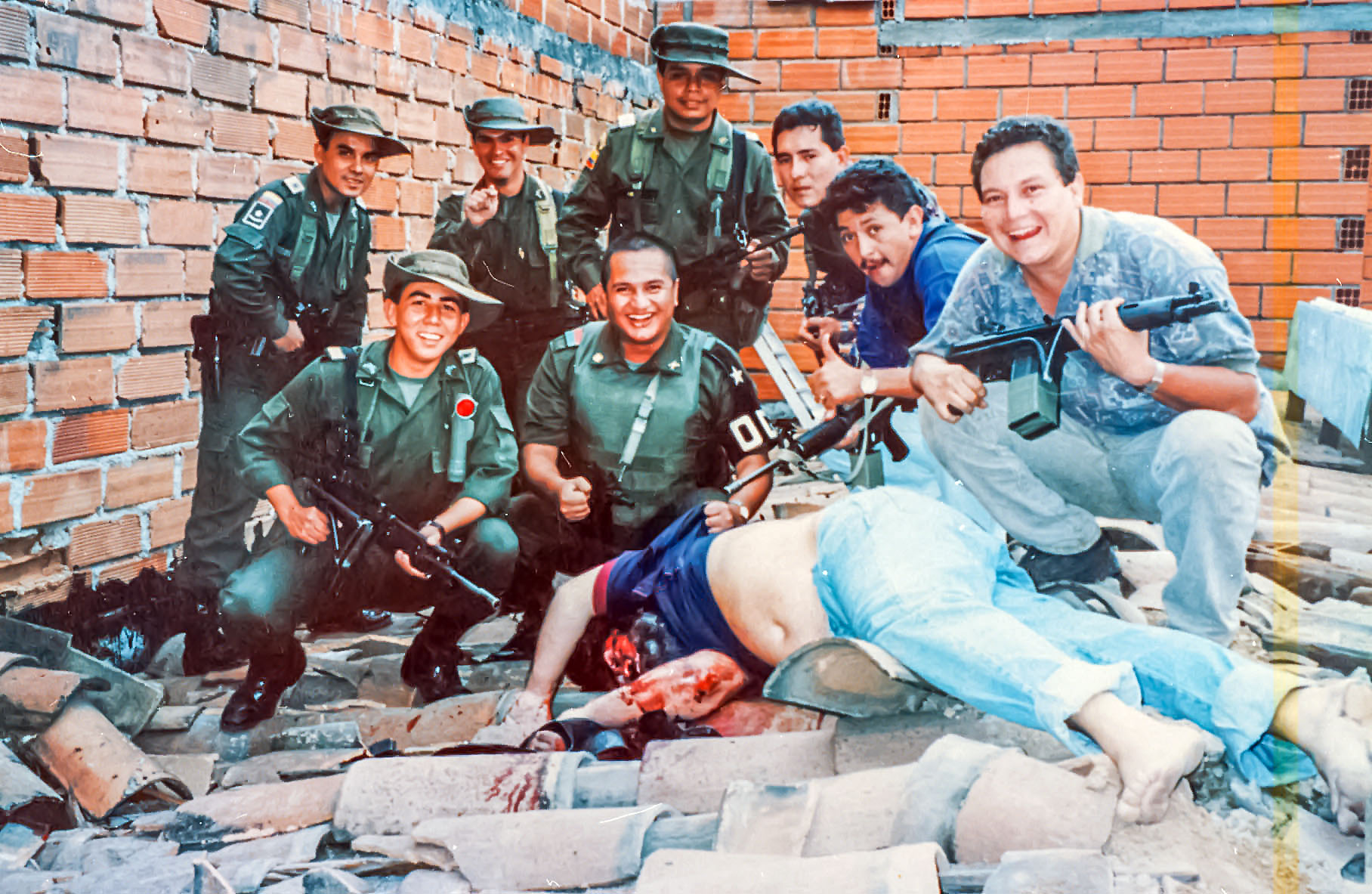
Estimated wealth: More than $2 billion by older billionaire-list estimates
Known for: Medellín Cartel cocaine flooding U.S. cities
Pablo Escobar became the face of the cocaine nightmare that haunted America in the 1980s. His Medellín Cartel helped turn cocaine from a luxury party drug into a national crisis, feeding violence, addiction, corruption, money laundering, and fear across U.S. cities. If America’s cocaine era had a villain on the poster, Escobar was the man staring back.
His fortune was so large that he appeared on billionaire rankings, with his net worth once estimated at more than $2 billion. That number sounds unreal until you remember what cocaine did to American life.
It changed policing. It changed sentencing. It changed neighborhoods. It turned families into collateral damage in a business where every shipment carried a hidden body count.
Miguel Ángel Félix Gallardo
Estimated wealth: More than $500 million
Known for: Guadalajara Cartel and Mexico to U.S. drug corridors
Miguel Ángel Félix Gallardo, known as “El Padrino,” helped create the cartel structure that later became a nightmare for the United States. He controlled key corridors along the Mexico-U.S. border and helped turn Mexican trafficking groups into major players in the cocaine, marijuana, and heroin trade.
Before the cartel map splintered into names Americans know today, Félix Gallardo helped write the blueprint.
His net worth was estimated to exceed more than $500 million after authorities seized assets linked to him, including businesses, bank accounts, properties, homes, and ranches. His damage was not limited to what he moved during his own reign.
His real legacy was the system he helped build. The routes, alliances, and cartel logic that followed him continued shaping the drug trade long after his arrest.
Fabio Ochoa Vásquez
Estimated wealth: Billionaire-level family fortune
Known for: Medellín Cartel cocaine distribution in Miami
Fabio Ochoa Vásquez may not be as famous to casual readers as Escobar, but his role in the Medellín Cartel was deeply tied to America’s cocaine flood. He and his brothers became wealthy during the late 1970s and early 1980s as cocaine poured into the United States. Ochoa lived in Miami and operated on the U.S. side of the Medellín machine.
His family’s wealth was so large that the Ochoa brothers appeared on a billionaire list in 1987, during the same era when cocaine money was reshaping organized crime across the Americas. After serving 25 years of a 30-year U.S. prison sentence, Ochoa was released and deported, with his role described as part of the Medellín cocaine network.
His story proves the cocaine crisis was not built by one kingpin. It was built by families, distributors, financiers, and quiet operators who made the machine run.
Carlos Lehder
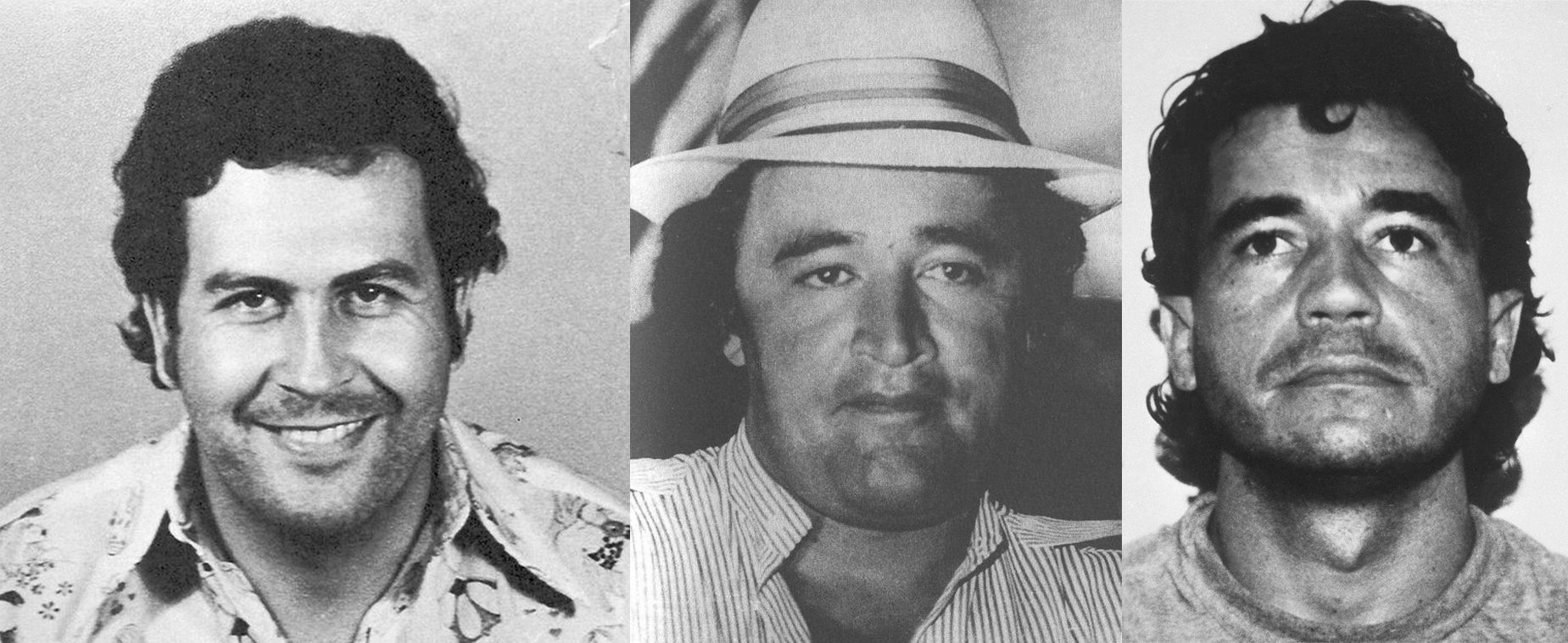
Estimated wealth: About $2.7 billion in peak estimates
Known for: Medellín Cartel air routes through the Bahamas
Carlos Lehder helped make cocaine trafficking faster, cleaner, and more terrifyingly efficient. He used Norman’s Cay in the Bahamas as a launchpad, sending cocaine-loaded planes toward hidden airstrips in the United States. If Escobar was the face of the Medellín Cartel, Lehder was one of the men who helped engineer its delivery system.
His estimated fortune was about $2.7 billion, but logistics mattered even more than the money. Lehder’s network helped move cocaine into America with stunning speed, turning the drug trade into something closer to an airline route than a back-alley hustle. That was not a footnote. That was a pipeline into a national crisis.
Frank Lucas
Estimated wealth: More than $52 million at his peak
Known for: Harlem heroin empire
Frank Lucas turned Harlem heroin into a national crime legend. He was not a cartel boss hiding in the mountains or commanding private armies. He was an American trafficker who understood supply, branding, and street control.
His heroin empire became famous for cutting out middlemen and bringing drugs straight into communities already under pressure from poverty, racism, unemployment, and urban neglect.
At the height of his power, Lucas reportedly had more than $52 million in Cayman Island banks and about 1,000 kilograms of heroin on hand.
That sounds like gangster mythology, but the damage was painfully real. Heroin did not arrive in Harlem as an abstract headline. It arrived on stoops, in apartments, inside families, and across blocks where addiction became a daily emergency.
Leroy “Nicky” Barnes
Estimated operation value: About $50 million
Known for: Harlem heroin network called The Council
Leroy “Nicky” Barnes became known as “Mr. Untouchable,” a nickname that sounds almost comic until you understand what it meant. It meant fear. It meant power. It meant a heroin network so confident that even national attention did not immediately bring it down. Barnes helped run The Council, a structured heroin operation that treated addiction like a business plan.
He was eventually sentenced to life in prison for operating a $50 million drug ring. That number mattered, but the bigger story was what his network did to New York communities. Heroin drained paychecks, emptied homes, filled courtrooms, and left neighborhoods fighting a problem that had already made traffickers rich.
“Freeway” Rick Ross
Estimated criminal revenue: More than $1 million a day at his peak by reported accounts
Known for: Crack cocaine distribution in Los Angeles
“Freeway” Rick Ross became one of the names most closely tied to the crack era in Los Angeles. His story sits at the center of a chapter Americans still argue about because crack not only destroyed bodies.
It reshaped policing, sentencing, housing, schools, and the way entire communities were portrayed on the evening news. Ross was not the only figure in that era, but his operation became one of the most infamous.
A federal review described Ross as a Los Angeles drug lord who once said his cocaine empire grossed more than $1 million a day. The number is staggering, but the setting matters even more. South Central Los Angeles was not just a market. It was a community. The crack trade turned ordinary blocks into battlegrounds and left a legacy that policy debates still have not fully healed.
Conclusion

These drug dealers became rich because America became their marketplace. They did not just move cocaine, heroin, meth, and crack across borders or city blocks.
They built systems that fed addiction, rewarded violence, corrupted officials, and turned vulnerable neighborhoods into profit zones. Their net worth figures may look shocking, but the real cost was never counted in dollars.
The damage showed up in emergency rooms, broken families, crowded prisons, grieving parents, abandoned homes, and communities forced to rebuild after traffickers disappeared, died, or went to prison.
El Chapo, Escobar, Blanco, Lucas, Barnes, Ross, and the others left behind more than criminal legends. They left behind a warning about what happens when greed meets addiction, and nobody pays attention until the damage is already everywhere.
America is still living with the consequences. The names, drugs, and routes may change, but the pattern remains the same. Drug empires rise by selling escape, then leave ordinary people to carry the pain.