A group of friends can turn a simple night out into a debate the moment someone mentions getting new ink. One person starts showing tattoo ideas on their phone, another talks about a sleeve they want someday, and someone else quietly says they could never do it.
The room may laugh, but that answer usually comes from somewhere deeper than fear of needles. For some people, the thought of putting something permanent on their body feels less like self-expression and more like a decision they could regret every time they look in the mirror.
That is what makes people who never get tattoos interesting. They are not always boring, judgmental, conservative, or afraid of creativity. Many love art, admire others’ tattoos, and understand why body ink can carry deep meaning. Still, their minds often stop at permanence, cost, health risks, family judgment, job perceptions, and the strange pressure to make identity visible.
Tattoos have become normal in American life, with about 32% of adults saying they have at least one. That makes the tattoo-free person stand out in a different way now. Years ago, tattoos were treated as rebellious. Today, skipping them can feel like its own quiet statement.
This article is not about shaming tattooed people or praising people with bare skin as wiser. It is about the mindset behind saying no to something millions of people happily choose. In a world where trends move fast, money feels tight, jobs can be judgmental, and personal style changes every decade, people who never get tattoos often think through the cost of permanence in ways others may miss.
They See Permanence Before They See Art
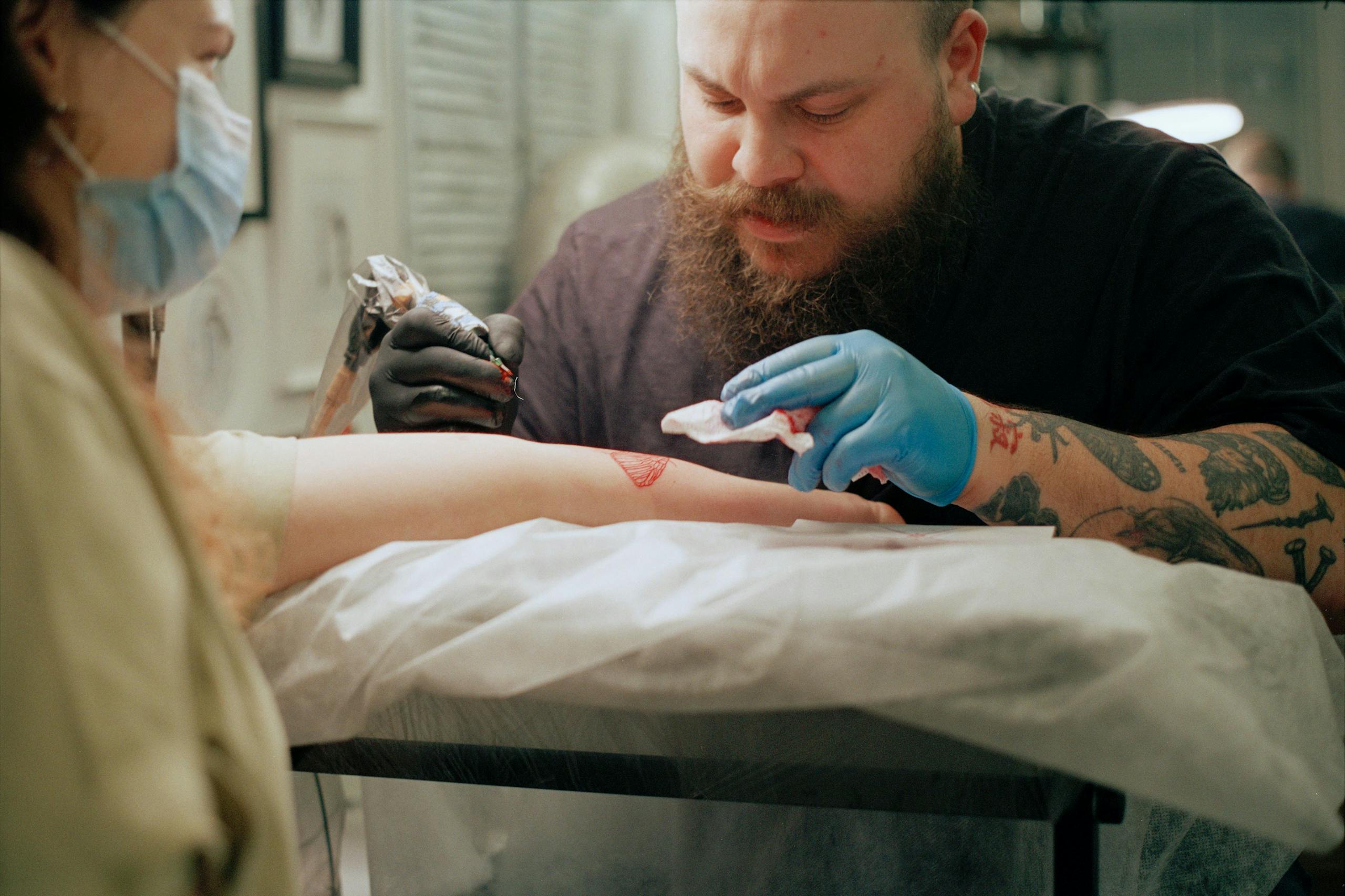
Some people look at a tattoo and see beauty, memory, rebellion, grief, love, or personality. People who never get tattoos often see permanence first.
Before they admire the design, they imagine aging skin, changed beliefs, future relationships, job interviews, medical appointments, and the possibility of waking up years later with a symbol that no longer feels like them. That does not make them cold. It means their mind runs ahead.
This way of thinking can make them cautious with many life choices, not just body art. They may hesitate before signing leases, buying cars, changing careers, marrying too quickly, or spending money on trends. In families where one wrong financial move can create months of stress, permanence feels serious. A tattoo may be art, but to them, it is also a lifetime receipt.
They Fear Regret More Than Missing Out
People who never get tattoos may not be afraid of tattoos as much as they are afraid of regret. They may imagine loving an idea at 25 and cringing at it by 45. A name, quote, symbol, trend, or matching design can feel powerful in the moment but become complicated later. That fear can keep them from joining the excitement, even when friends insist they should loosen up.
Regret also feels different when it is visible. You can change clothes, delete photos, leave a bad job, repaint a room, or stop wearing a certain style. A tattoo asks for more work. Some people later seek regret and removal after their feelings about a tattoo change, which confirms what tattoo avoiders already fear. They would rather miss a trend than carry a permanent reminder of a temporary version of themselves.
They Think About Money After the First Appointment
A tattoo may seem like a one-time purchase, but people who avoid them often see the full financial picture. There is the artist’s fee, the tip, aftercare products, touch-ups, possible cover-ups, and the cost of removing or changing it if life moves in a different direction. For someone living with rent pressure, medical bills, childcare costs, car repairs, or student loans, that calculation can quickly kill the romance of the idea.
This does not mean they think tattoos are a waste for everyone. Many people spend money on travel, hair, clothes, hobbies, collectibles, beauty treatments, or home decor. The difference is that tattoos sit on the body, not in a closet. People who never get tattoos may prefer spending on things they can sell, replace, cancel, or walk away from without needing a laser.
They Worry About Health Risks Others Brush Off

A tattoo-free person may focus on the parts of tattooing that many people rush past: needles, ink, skin, healing, and infection. They may wonder how clean the studio is, what is in the ink, how their skin will react, and what happens if the tattoo heals badly. Even if the risk is manageable with a reputable artist, their mind stays on the worst case. That concern can make the whole idea feel too risky.
That caution is not completely irrational. Tattoo inks have been linked to infections and reactions, including problems tied to contaminated inks and allergies. Some people also develop skin reactions long after getting tattooed, and darker inks may require extra discussion before certain scans because some contain metal. For someone already anxious about health, those possibilities can outweigh the appeal.
They Do Not Want Their Identity Frozen in One Era
People change. That fact sits heavily on the mind of someone who never gets tattoos. They may have loved a band, quote, relationship, faith expression, political idea, hobby, or aesthetic at one point, then outgrown it. The idea of permanently marking one chapter of life can feel emotionally risky. They do not want their skin to become a museum of past versions of themselves.
This mindset can make them seem less spontaneous, but it can also reveal self-awareness. They know their taste shifts. They know grief changes people. They know love can end, friendships can fade, and values can sharpen with age. Their blank skin may not mean they lack story. It may mean they do not want every story turned into a public exhibit.
They Notice How Quickly People Judge Visible Choices
Even as tattoos become more accepted, some people still judge them. People who never get tattoos may pay close attention to that judgment. They think about older relatives, conservative workplaces, school parents, church communities, courtrooms, client meetings, and small towns where appearance still carries weight. They may not agree with the judgment, but they know it exists.
The workplace picture is more complicated than old stereotypes suggest. Some research has found that tattooed workers had employment and wages similar to workers without tattoos, which shows the stigma is not as simple as it used to be. Still, people who avoid tattoos may not want to depend on every manager, client, relative, or stranger being open-minded. Their choice is less about shame and more about avoiding another thing people can use against them.
They Prefer Private Meaning Over Public Symbols

Some people use tattoos to honor loved ones, mark survival, celebrate identity, or carry memories on the body. People who never get tattoos may feel those same things deeply but prefer to keep them private. They may store meaning in photos, jewelry, letters, songs, rituals, old recipes, family objects, or quiet traditions. To them, a feeling does not become more real because strangers can see it.
This difference can create tension with people who see tattoos as brave or expressive. A tattoo-free person may not want grief turned into a visible question or love turned into a design everyone can comment on. Their private style can be misread as emotional distance. In reality, they may feel everything intensely. They just do not want their body to become the announcement board.
They Think Removal Sounds Worse Than Waiting
Some people comfort themselves by saying a tattoo can always be removed. Tattoo avoiders often hear that and become even more certain they want no part of it. Removal sounds painful, expensive, slow, and uncertain. The idea of spending money twice, first to get the tattoo and later to erase it, feels like a warning. They would rather sit with indecision than pay for regret.
Modern removal has improved, but it still is not magic. Today’s tattoo removal lasers can remove ink more safely and effectively than older methods, yet the process can require multiple treatments and careful aftercare. That is enough to make cautious people step back. If the exit plan sounds harder than the original decision, they may decide the safest tattoo is no tattoo.
They Resist Turning Every Feeling Into a Permanent Statement
Some people process big emotions by doing something visible. They cut their hair, buy new clothes, move cities, post online, or get tattoos. People who never get tattoos often distrust decisions made in emotional weather. They may love the feeling behind a tattoo idea, but wait until the intensity passes. If the idea still matters months later, they may still choose another way to express it.
This habit can make them less impulsive in other areas, too. They may wait before sending angry texts, making major purchases, accepting dramatic invitations, or ending relationships in the heat of a fight. Their hesitation can frustrate more expressive friends, but it protects them from choices made while hurt, excited, lonely, or trying to prove something. Their body is one place they refuse to let a temporary mood leave permanent evidence.
People Who Never Get Tattoos Often Fear Being Misread
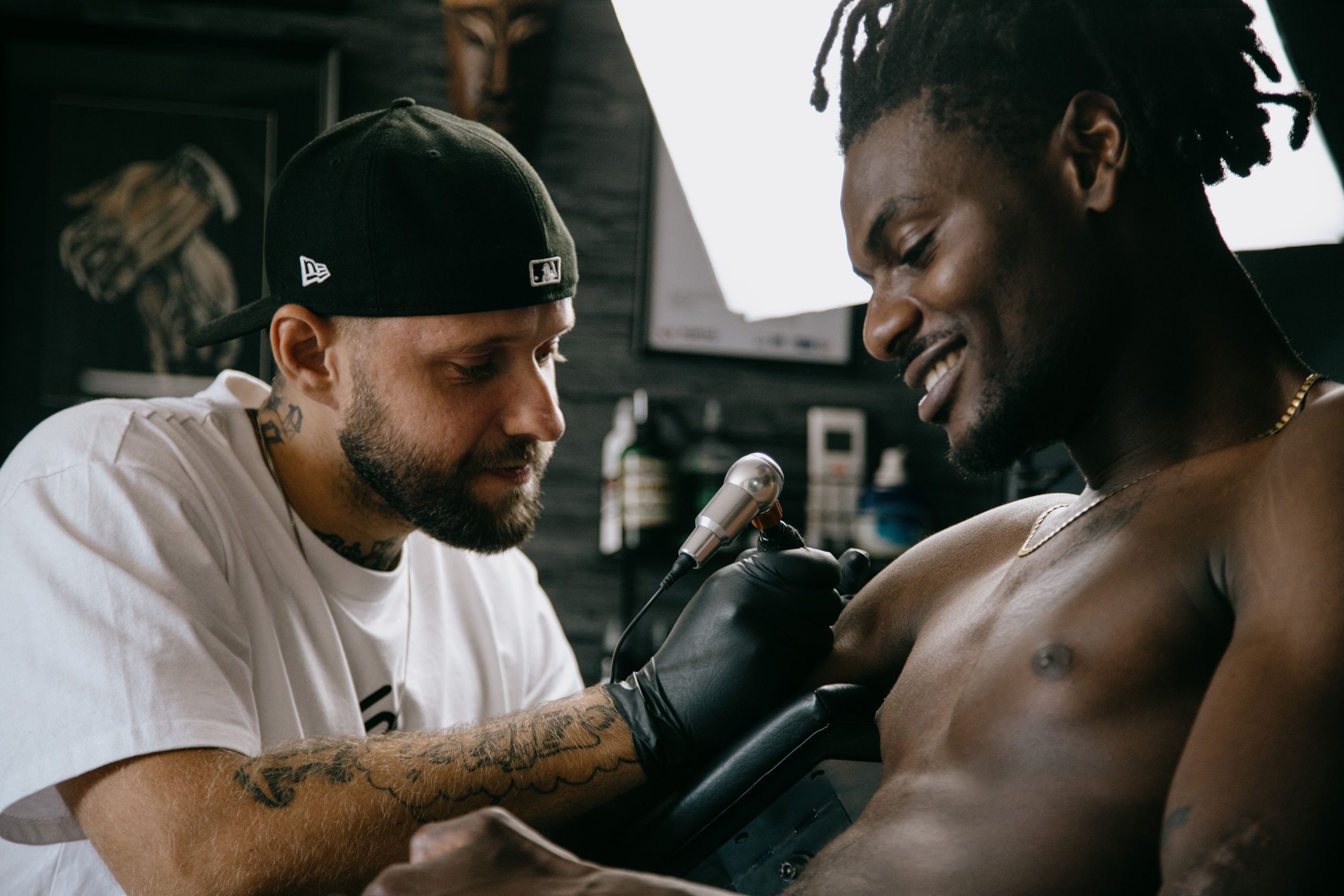
People who never get tattoos may worry that ink could say something they never intended. A design meant to look bold could come off as aggressive. A meaningful symbol could be misunderstood. A small tattoo could invite questions.
A visible one could become the first thing people remember. That fear of being misread can matter in families, careers, dating, parenting circles, and public spaces where first impressions move fast.
This is the deeper tension behind people who never get tattoos. They are not always rejecting art, risk, or self-expression. Many are rejecting the idea that one visible choice should speak for them forever. Some want their story to stay flexible.
Some want fewer public judgments. Some want control over what strangers learn. In a culture that keeps pushing people to brand themselves, blank skin can be its own kind of boundary. Is avoiding tattoos a fear of regret, or is it one of the last quiet ways people refuse to turn themselves into a billboard?