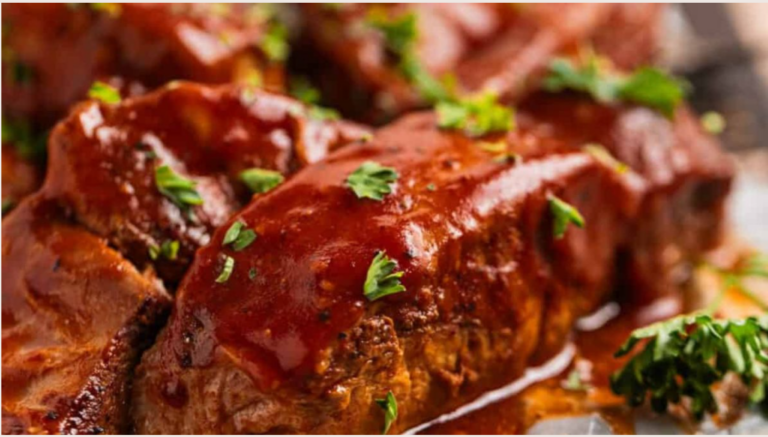
Creamed chipped beef on toast is the old-school breakfast worth reconsidering here: thin pieces of dried beef folded into a creamy white sauce and spooned over toasted bread. It is savory, straightforward, and considerably less interested in looking fashionable than in getting you fed. Butter, flour, milk, beef, and bread do most of the work. A little pepper supplies the finishing touch. The result belongs firmly in the comfort-food category, not the delicate brunch-plate department.
Calling it “forgotten” needs a qualification. No reliable national measure shows that Americans have collectively abandoned the dish, and it remains part of regional breakfast culture. Philadelphia chef Joncarl Lachman recommended it in a Serious Eats guide to his favorite local meals, specifically directing readers toward the Dutch Eating Place at Reading Terminal Market. The truth is that an older breakfast, one some readers may have overlooked, exists, not a vanished food awaiting discovery.
A Breakfast With More History Than Glamour
Chipped beef is dried, thinly sliced beef, and the familiar breakfast preparation combines it with white sauce over toast. That distinguishes it from corned beef hash, roast-beef gravy, or sausage gravy, even when those dishes share a similarly hearty mood. Modern recipes vary in their proportions and seasoning, but the basic structure is consistent. No elaborate garnish is required, no poached egg to balance, and no need to persuade a sauce to stay elegantly inside a tiny circle on the plate.
Its military association is well documented. HistoryNet identifies a chipped-beef recipe in the 1910 Manual for Army Cooks, a large-scale preparation calling for 15 pounds of beef, butter or fat, flour, evaporated milk, parsley, pepper, and beef stock. That is evidence of military use, not proof that the Army invented every version of creamed beef. It also shows why a modern milk-based recipe should not be presented as an exact reproduction of the earliest documented Army formula.
The dish later acquired the famously unflattering nickname “S.O.S.,” a military expression commonly expanded into a phrase involving toast and language unsuitable for a breakfast menu. Its reception was not universally affectionate: historical accounts describe both fond memories and fatigue from repeated servings. That mixed reputation matters. A dish can become familiar through institutional meals without everyone remembering it fondly, and a badly made version can color someone’s opinion long after the original plate is gone.
The preparation changed, too. HistoryNet reports that an August 1944 Army recipe removed parsley and beef stock from the earlier formula to produce a creamier result. Cooks were reminded to soak the dried beef to reduce the preservative salt. Later military versions also used ground beef or turkey. Those are related preparations, but they are not identical to chipped beef on toast. The shared nickname can conceal meaningful differences in the meat, sauce, and way the meal was made.
Why It Is Worth Trying Again
The strongest case for another try is the food itself, not nostalgia alone. Creamy sauce and toasted bread offer contrasting textures, while dried beef gives the sauce a savory, salty character. The idea is easy to grasp if you already enjoy biscuits and gravy: a substantial sauce served over a bread base. That is a comparison of formats, not a claim that the dishes taste the same. Chipped beef has its own identity, and the meat you choose makes a noticeable difference.
It has also earned an endorsement beyond military memories. In his 2018 Serious Eats interview, Lachman named the Dutch Eating Place as a runner-up among his old-school breakfast favorites and advised, “Try the creamed chipped beef on rye toast.” This quote is a historical recommendation, not a guarantee of today’s exact menu or pricing. Reading Terminal Market’s current merchant page still describes the establishment as a diner serving hearty Pennsylvania Dutch fare at a counter shared by locals and visitors.
Another attraction is its short ingredient list. Published recipes from Allrecipes, Southern Living, and U.S. Dairy build the sauce around butter, flour, and milk, then add dried beef and serve it over toast. Their proportions differ substantially, so note them before cooking. Some versions are more generously filled with meat; others make a larger volume of sauce. Choose one complete recipe rather than borrowing the milk quantity from one and the beef quantity from another, then blaming breakfast for the result.
Related: 10 Reasons Why Millennials and Gen Z Blame Boomers for the Broken American Dream
The Details That Make a Better Plate
Start with the sauce technique. The butter and flour form a roux, a cooked mixture that thickens the milk. Allrecipes instructs cooks to whisk the flourinto melted butter, add milk gradually while whisking, and cook until thickened before incorporating the beef. U.S. Dairy similarly calls for cooking the flour briefly, then whisking in milk. Gradual addition and attention to the pan work better than dumping everything together and hoping the lumps disappear.
Salt deserves particular care because the beef already supplies it. For that reason, Garlic & Zest recommends unsalted butter, while historical Army instructions addressed saltiness by soaking the meat. Follow the recipe and the product instructions for the beef you buy, and taste the finished sauce before adding extra seasoning. “Hearty” does not have to mean aggressively salty. Black pepper or a small pinch of cayenne can contribute flavor without automatically reaching for more salt.
Finally, give the toast some attention. Southern Living suggests Texas toast, Lachman recommended rye, and U.S. Dairy uses sourdough, evidence that the bread choice is flexible. Toast it properly and assemble when you are ready to eat, following recipes that serve the warm sauce over freshly toasted bread. The point is contrast: creamy sauce against bread that still has structure. Creamed chipped beef will never need a fashionable makeover to justify breakfast. It needs thoughtful seasoning, a smooth sauce, and someone willing to judge the plate, not its nickname.