Your casserole smells wonderful. Your friends are happy to see you. Then you ask the host where to put it, and you’ve got another hour of baking.
The oven is occupied. The counter is crowded. Your generous contribution has just become another item on someone else’s dinner schedule.
Friendsgiving does not require a perfect dish. It requires a little coordination. A purchased contribution can be thoughtful, while an ambitious homemade one can arrive with more work than anyone expected.
These eight foods are not unwelcome by definition. They become awkward when preparation, timing, or serving needs have not been discussed. Here is how to avoid making your dish the evening’s unexpected project.
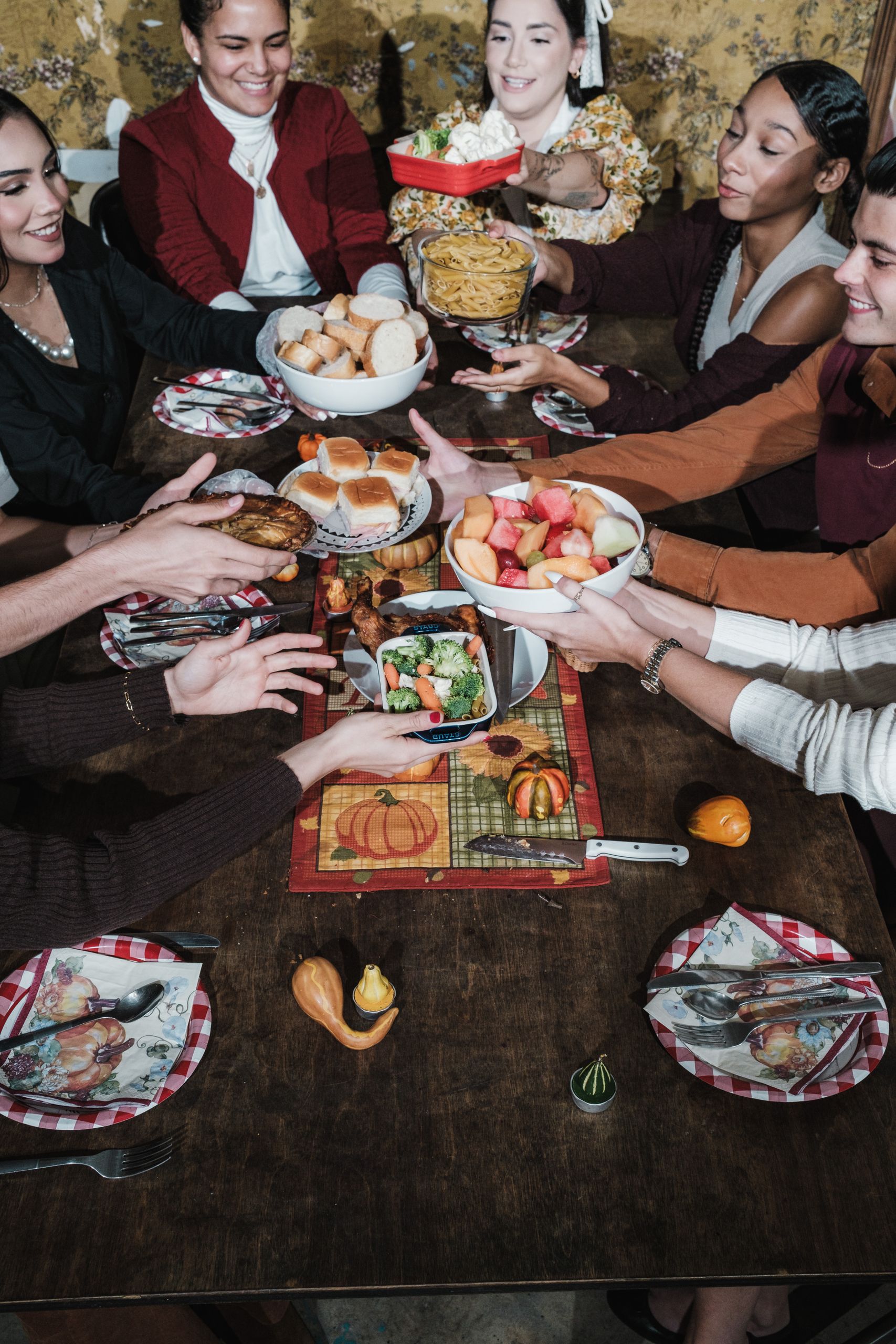
An Uncooked Casserole
The problem is not the casserole. It is the baking time that arrives with it.
A dish that needs substantial oven time asks the host to rearrange a schedule you may know nothing about. “It just needs to go in for a bit” is not enough information to make that work.
Arrive with the cooking completed whenever possible. If reheating is necessary, discuss it beforehand, including the temperature and approximate time.
These potluck preparation guidelines emphasize doing the work before arrival. Your contribution should come with fewer decisions for the host, not another set of instructions.
A Soufflé That Cannot Wait
A soufflé makes an impressive entrance, but its schedule is less flexible than a casserole’s.
A classic cheese soufflé recipe calls for immediate serving and notes that the rise begins to settle shortly after baking. That is a demanding arrangement for a meal with several arriving guests.
Bringing the batter does not solve the problem. It means borrowing the oven and coordinating the finish at the gathering.
Choose a soufflé only when everyone agrees on the timing. Otherwise, save it for a dinner where you control when the food reaches the table.
A Green Salad Already Tossed With Dressing
A salad offers a welcome change of pace, but it does not need to spend the entire journey mixed with its dressing.
Keep the dressing separate and toss the salad just before serving. Bring the bowl and utensils, too, so that finishing it remains a brief task.
That distinction matters. A ready-to-toss salad is a contribution. Bags of ingredients, plus requests for a knife, cutting board, and mixing bowl, are unfinished preparation.
Make the final step easy enough that you can do it without taking over the kitchen.
Related: 4 “Polite” Thanksgiving Habits Everyone Secretly Finds Rude
A Second Pumpkin Pie Nobody Requested
A favorite pie can be a lovely gift. It can also duplicate the one already promised while leaving another part of dinner uncovered.
Before baking, ask what the table needs. If dessert is settled, offer something else rather than assuming more pie is the most useful contribution.
The Thanksgiving guest guidance here recommends offering to contribute without dictating the menu.
There is no need to retire your signature dessert. Give it an occasion where it fills a gap instead of competing with someone else’s planned offering.

A Surprise Whole Turkey
A whole turkey is a substantial contribution, which is exactly why it shouldn’t be a surprise.
The host may already have organized dinner around a main dish. Another centerpiece raises practical questions: where it will go, who will carve it, and what equipment it will need.
Ask before committing. If a second main would be useful, agree on how it will be served. If not, put that effort toward something the host actually requested.
Generosity does not have to be measured by the size of the serving platter.
Pasta That Still Needs Boiling and Finishing
Pasta is easy to imagine as a contribution. It becomes less straightforward when you arrive needing a pot, a burner, a colander, and space to finish the sauce.
That is a cooking session, not a quick finishing touch.
Choose a preparation you can complete beforehand, or explain the full process to the host before making your plan. Be specific about equipment and timing.
Do not rely on “it only takes a few minutes.” Even a short task needs somewhere to happen, especially when several dishes are approaching the table at once.
Crostini You Plan to Assemble in the Host’s Kitchen
Small toasts with toppings can make an attractive appetizer. They are less convenient when the host’s counter becomes your assembly line.
If each piece needs individual attention, plan the prep before you leave. Bring the components ready and discuss any space you will need for the final assembly.
Better still, choose a presentation that keeps the finishing work manageable.
The question is not whether the appetizer looks impressive. It is whether you can serve it without spreading an entire project across a kitchen someone else is already using.
A Cake You Still Need to Frost
An unfrosted cake may be nearly finished in your mind. At the gathering, it still needs a workspace, equipment, and your attention.
If decorating is part of the plan, arrange it with the host beforehand. Do not assume there will be a clear counter waiting beside the dinner preparations.
Otherwise, finish the cake at home and bring the utensils needed to portion it. A simpler decoration is a reasonable trade for arriving ready to join the party.
The dessert should be something you share, not something that keeps you working through the welcome.
Bring the Dish, Not Another Assignment
The common thread is not that these foods are bad choices. A little planning changes how they arrive.
Check the menu, share any kitchen needs, and finish what you can before you leave. Then bring something you are happy to share, whether homemade or purchased. Which would make your contribution more memorable: the elaborate presentation, or the thoughtfulness that lets everyone enjoy the evening together?