California inspires awe from a distance. Its sun-soaked beaches, Silicon Valley wealth, Hollywood allure, and scenic vistas paint a dreamlike image. Yet when Americans examine life there, glossy facades clash with stark realities: sky-high rent, unbearable traffic, recurring disasters, and social tensions.
From suburban kitchens to office break rooms, California sparks debate. To some, it represents freedom and ambition; to others, it’s a state where life feels unaffordable, overstimulating, and constantly pressured. The reasons Americans dislike California are multifaceted, stretching beyond mere envy or political disagreement.
Tech Hype Overshadows Daily Struggles
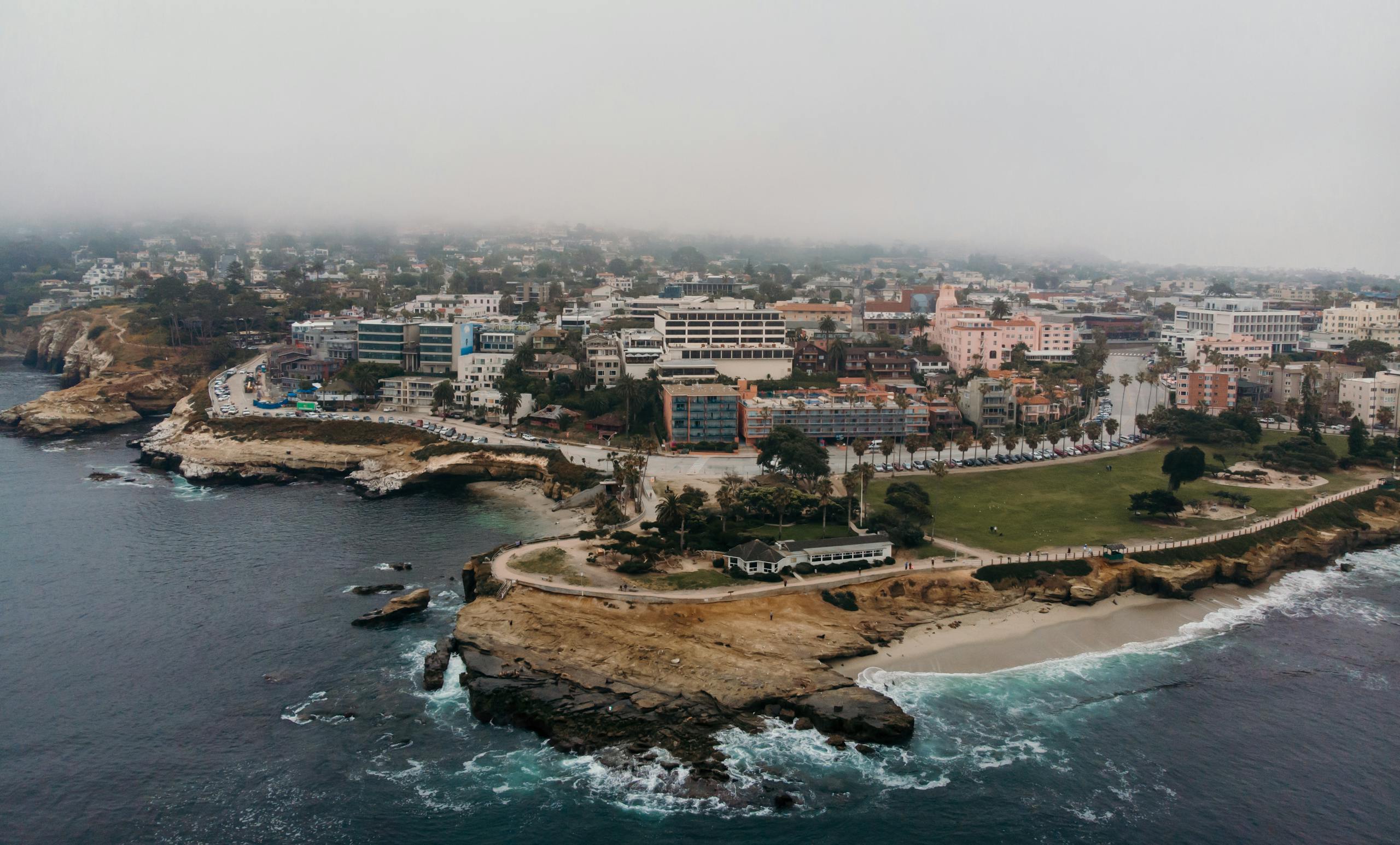
California’s tech boom has created enormous wealth, yet the benefits often bypass everyday residents. Tech salaries inflate housing prices and local service costs, pushing long-term residents out of neighborhoods they’ve called home for decades. Outsiders see a place where innovation thrives, but inequality thrives alongside it.
This gap fuels resentment nationwide. Stories of workers commuting for hours for modest pay stand in sharp contrast to stories of startup millionaires, creating a narrative in which California’s growth feels both spectacular and socially uneven.
Extreme Weather Shifts Make Life Unpredictable
Beyond wildfires, California’s climate presents additional challenges. Intense heat waves, droughts, and occasional flash floods make planning daily life complicated and costly. Americans watching from other states may perceive California as a place where the environment is as unpredictable as it is beautiful.
High temperatures drive energy bills up and strain water resources, reinforcing a sense that California asks residents to pay for its climate while enjoying its scenery. For outsiders, it’s a state where natural beauty comes with daily inconvenience.
Earthquake Risk Adds Constant Anxiety
Living in California comes with seismic concerns few other states share. Earthquake preparedness is a daily consideration for homeowners, renters, and businesses alike. Even a minor tremor triggers widespread media attention, emphasizing the fragility of life in an otherwise glamorous setting.
This looming threat feeds a perception of vulnerability. Americans see California as high-risk territory, where the costs of safety structural upgrades, insurance premiums, and emergency supplies add another layer of stress to daily life.
Overcrowded Schools Strain Families
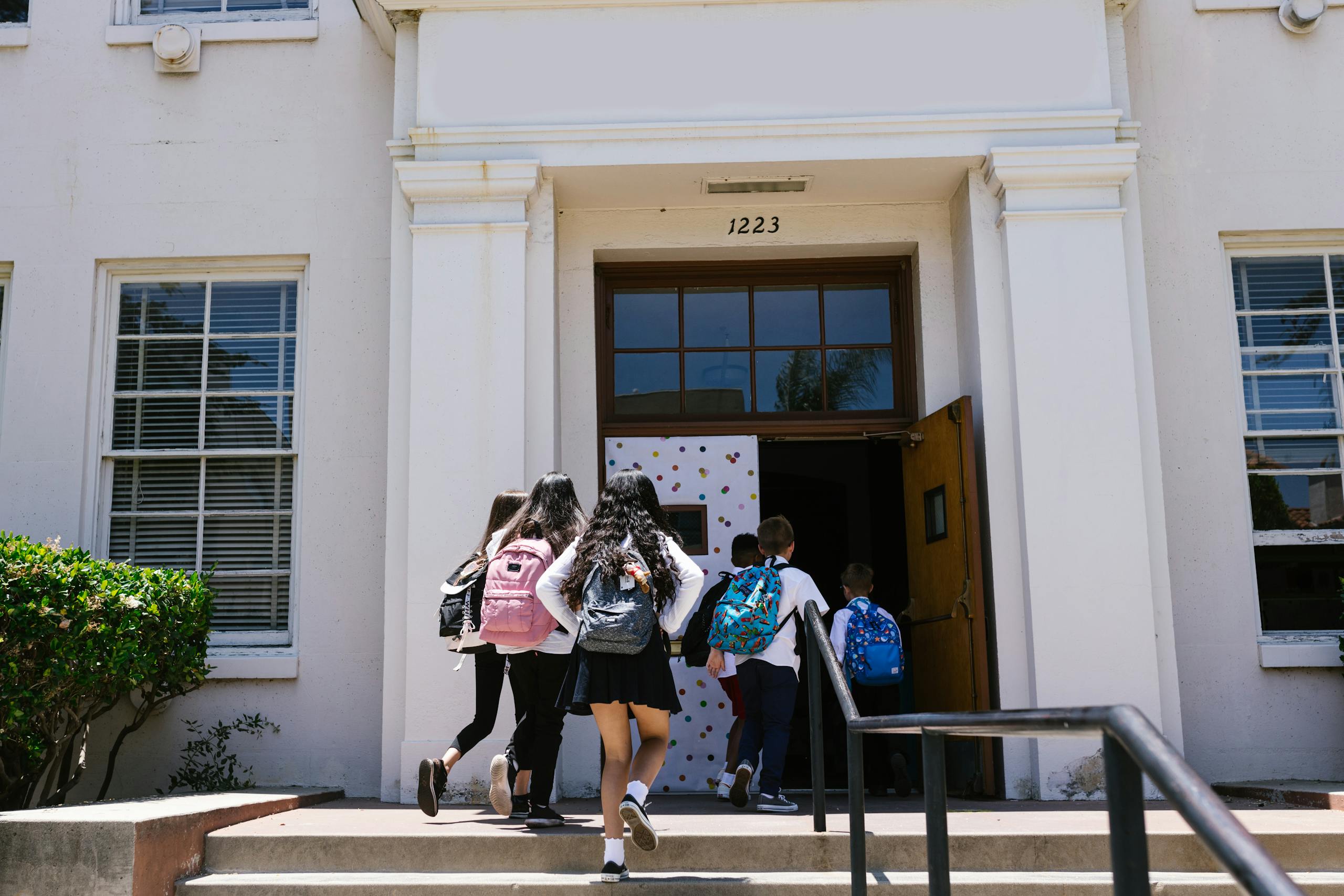
California’s population pressures extend into education. Many schools are overcrowded, resources are stretched thin, and parents face challenges securing quality education for their children. Class sizes and budget constraints make it harder for students to receive individualized attention.
This reality resonates with families nationwide. Outsiders view it as a cautionary tale: despite the state’s wealth and prestige, public infrastructure often fails to keep pace with growth, challenging assumptions that California is ideal for raising children.
Wildly Expensive Healthcare Frustrates Residents
Healthcare costs in California outpace the national average, affecting residents from young adults to retirees. Insurance premiums, medical fees, and prescription costs create a daily financial burden. Even moderate injuries or routine care can strain household budgets, undermining the state’s reputation as a land of opportunity.
High healthcare costs, combined with living expenses, reinforce the impression that California’s lifestyle is luxuriously priced. Outsiders see a state where wellness and ambition come with a constant financial balancing act.
Extreme Income Inequality Creates Visible Divides
Income inequality in California is among the highest in the country. Luxury high-rises and sprawling mansions sit alongside modest apartments and underfunded neighborhoods. For Americans looking in, this stark contrast can feel jarring and morally frustrating.
The juxtaposition amplifies resentment. Wealth seems concentrated in tech and entertainment sectors, while many struggle to cover basic needs, creating a narrative of California as a land of abundance with few safeguards for the average resident.
Public Transport Often Fails to Deliver
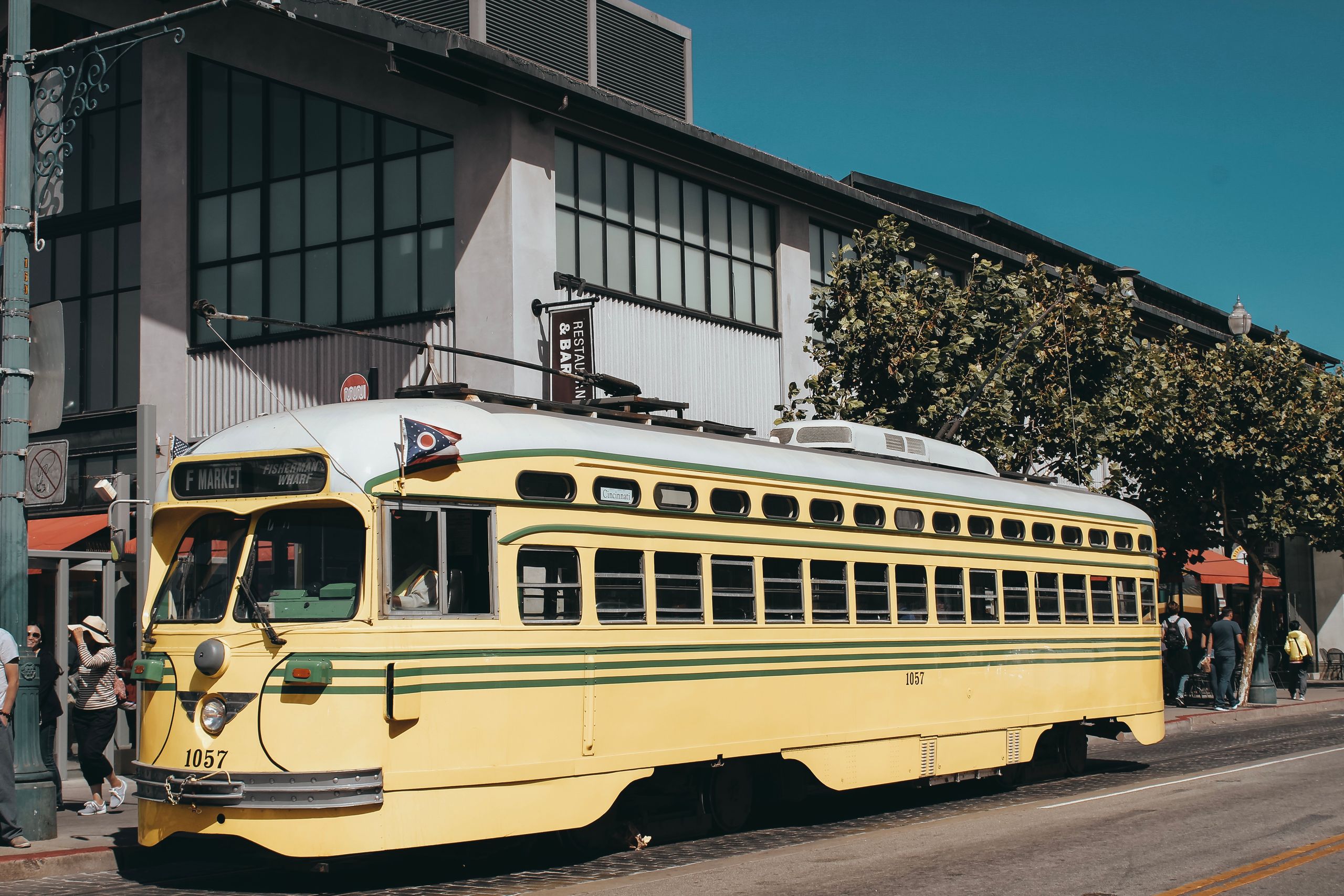
Despite urban density, California’s public transportation is underdeveloped compared to other global cities. Commuters often rely on cars, enduring long drives and limited rail coverage. For outsiders, the idea of commuting daily in traffic-heavy areas with subpar public transit reinforces perceptions of inefficiency.
These gaps make the state less accessible and sustainable than its reputation suggests. Americans see a place where car dependence is mandatory, adding cost, time, and stress to daily life.
Cultural Polarization Sparks Friction
California’s cultural diversity can lead to tension. Different lifestyles, political perspectives, and social norms collide in dense urban areas, creating friction among residents. For outsiders, this paints a picture of a state where tolerance is tested daily, and debates are constant.
Cultural prominence, while impressive in Hollywood or Silicon Valley, also feeds frustration. Americans often perceive the state as dictating social trends and standards, provoking skepticism or annoyance about its influence.
Infrastructure Struggles Undermine Glamour
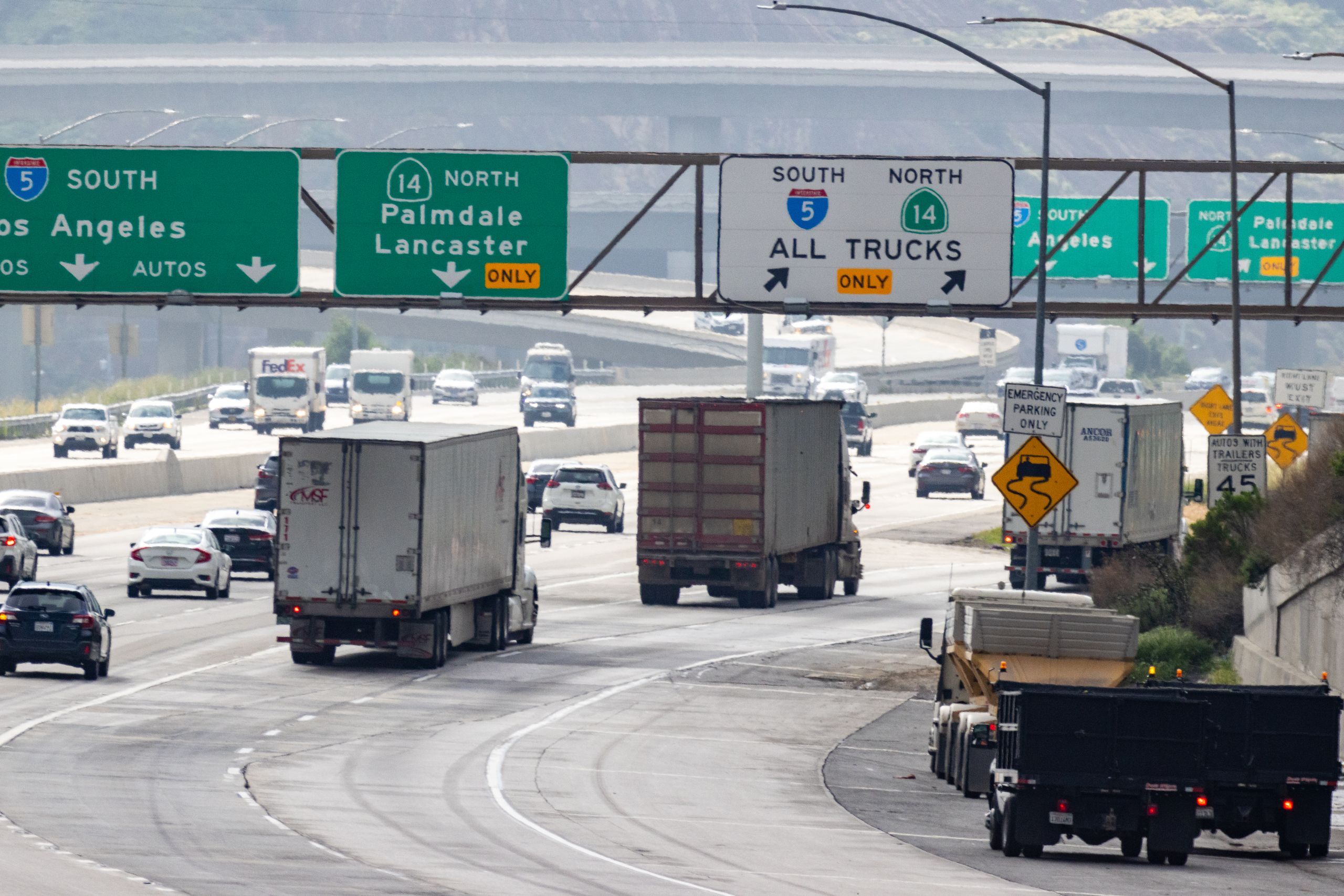
Aging roads, inconsistent utilities, and public services create daily inconveniences. Earthquake retrofitting, water shortages, and local construction projects often slow movement and increase costs for residents. Outsiders notice the irony: a state that dazzles with luxury also struggles with basic infrastructure.
This disconnect adds to frustration. For Americans evaluating the quality of life, California’s aesthetic appeal contrasts sharply with the practical challenges of living there.
Rapid Migration Shifts Local Dynamics
California’s population churn affects other states. Residents moving out bring higher housing prices, political changes, and cultural shifts to their new communities. Locals in destination states often react negatively, associating California with disruption rather than opportunity.
This migration narrative reinforces nationwide perceptions. California is admired for its appeal yet criticized for exporting pressures, leaving Americans torn between fascination and resentment.
Conclusion
California captivates with innovation, natural beauty, and cultural influence, but extreme costs, environmental hazards, and social divides make life challenging. The state’s contradictions, glamour alongside struggle, wealth alongside risk, explain why Americans admire it but hesitate to embrace it fully.