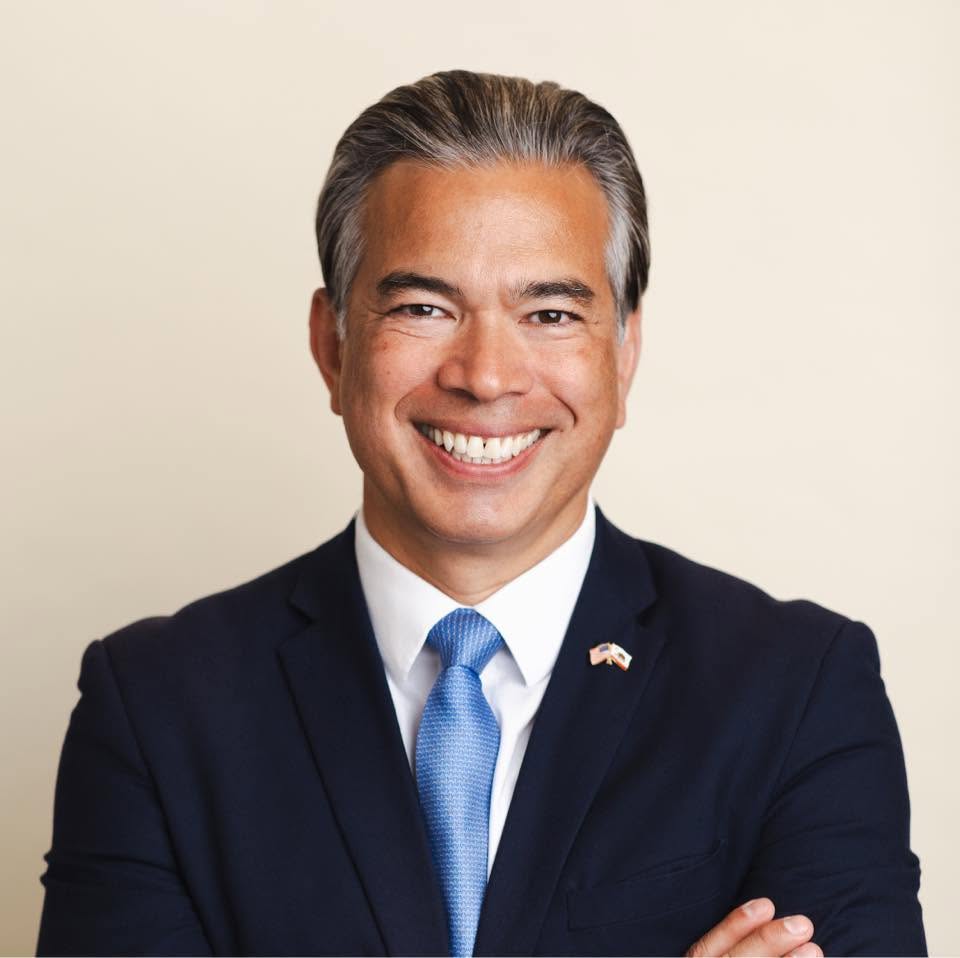
California Attorney General Rob Bonta is celebrating a significant federal court victory that limits how President Donald Trump’s administration can cancel grants already promised to states.
The July 17 ruling came from U.S. District Judge Indira Talwani in Massachusetts. She rejected the administration’s broad interpretation of a federal regulation that officials had used to terminate funding after the officials changed their policy priorities. The decision protects billions of dollars in active grants supporting public safety, education, scientific research, food programs, and other state services.
It is a major legal setback for the administration. However, the ruling is more precise than some celebratory social media posts suggest: It does not prevent federal agencies from canceling a grant at any time, and it does not automatically restore every grant previously terminated.
What it does is establish a clear boundary. An agency cannot award money under one set of priorities, change those priorities later, and then use the new political agenda to cancel the original agreement.
Five Words Became a Powerful Funding Weapon
The dispute centered on a regulation known as 2 C.F.R. § 200.340. The language allows an agency to terminate funding when an award “no longer effectuates the program goals or agency priorities.”
That wording first appeared in federal guidance issued in 2020 during Trump’s first administration. It was revised in 2024 to emphasize that any termination must follow the terms and conditions attached to the award.
After Trump returned to office in January 2025, federal agencies began using the phrase to cancel grants that no longer aligned with the administration’s positions. The targeted funding included programs connected to climate preparedness, diversity initiatives, universities, food assistance, and crime prevention.
The states argued that the administration had transformed a limited termination provision into something resembling a blank check. Under that interpretation, federal agencies could promise money, encourage states to hire employees or begin projects, and then withdraw the funding because a new administration preferred different policies.
Bonta’s office said agencies had cited the clause when cutting billions of dollars in previously awarded funding. According to the court record, the plaintiffs identified at least 1,180 active grants totaling more than $5.39 billion that they believed remained vulnerable.
Judge Says Priorities Cannot Change After the Deal.

Talwani concluded that the administration’s interpretation was not supported by the regulation’s wording, its history or the broader federal grant system.
Federal agencies are required to explain a program’s goals, funding priorities and termination conditions before awarding money. States then decide whether to accept the grant, budget around it and agree to the government’s conditions.
Allowing an agency to replace those conditions halfway through the agreement would undermine that process. Talwani wrote that the clause “does not permit agencies to terminate grants” based on priorities created after the awards were issued.
The court also pointed to the Constitution’s Spending Clause. When the federal government attaches conditions to money offered to states, those conditions must be communicated clearly. States cannot knowingly accept requirements that did not exist when the agreement was made.
“Defendants’ interpretation of the Termination Clause is not clearly supported by the text,” Talwani wrote, adding that it also conflicted with the regulatory structure and constitutional notice requirements.
The judge granted summary judgment to the states on the central legal question and denied the administration’s request to dismiss that claim. Two alternative claims remained pending when the order was issued.
What the Victory Means for States
The lawsuit was brought by 20 states, three governors acting for Pennsylvania, Kansas, and Kentucky, and the District of Columbia. California participated alongside New Jersey, Massachusetts, New York, Illinois, Maryland, Michigan, and other states.
Bonta described the decision as closing a widely used route for withholding money from California.
“This funding directly supports public safety, addresses food insecurity, and protects public health,” Bonta said. He accused the administration of treating federal funding as a political weapon and promised additional legal challenges when necessary.
New Jersey Attorney General Jennifer Davenport similarly called the ruling a victory for programs involving disaster preparation, clean water, research, and public safety. She argued that states should not have vital funding withdrawn because of political disagreements with the White House.
The ruling does not stop the president from establishing priorities for future grants. Agencies may still design new programs, change upcoming funding opportunities, and terminate awards for legitimate violations of established conditions. The court simply held that officials must disclose the rules before the money is awarded.
It also does not directly return funding from grants that have already been canceled. The plaintiffs focused this claim on preventing future terminations, rather than seeking damages or restoration of previously withdrawn awards.
Still, the decision sends a forceful message: Federal grants are legal commitments, not political favors that can be withdrawn whenever the White House changes its mind. Congress controls federal spending, agencies must follow announced conditions, and presidents remain bound by the same rules they expect states to obey.