A conflict that began as a domestic power struggle in Yemen has evolved into a wider geopolitical challenge involving Saudi Arabia, Iran, global shipping routes and the future stability of the Middle East.
The Houthi conflict is no longer viewed as only a Yemen based crisis. The group has grown into a powerful regional actor capable of influencing international trade, energy markets and diplomatic relations. What happens in Yemen now carries consequences far beyond the country’s borders.
The latest tensions involving Yemen’s Houthi rebels, Saudi Arabia and Iran highlight how quickly regional conflicts can expand. Smaller armed groups with advanced weapons can now challenge powerful nations and disrupt global systems. The situation has become a major test for Middle Eastern security and international diplomacy.
The Houthis Have Become More Than a Yemen Problem
Henry Ridgwell (VOA), Public domain, via Wikimedia Commons
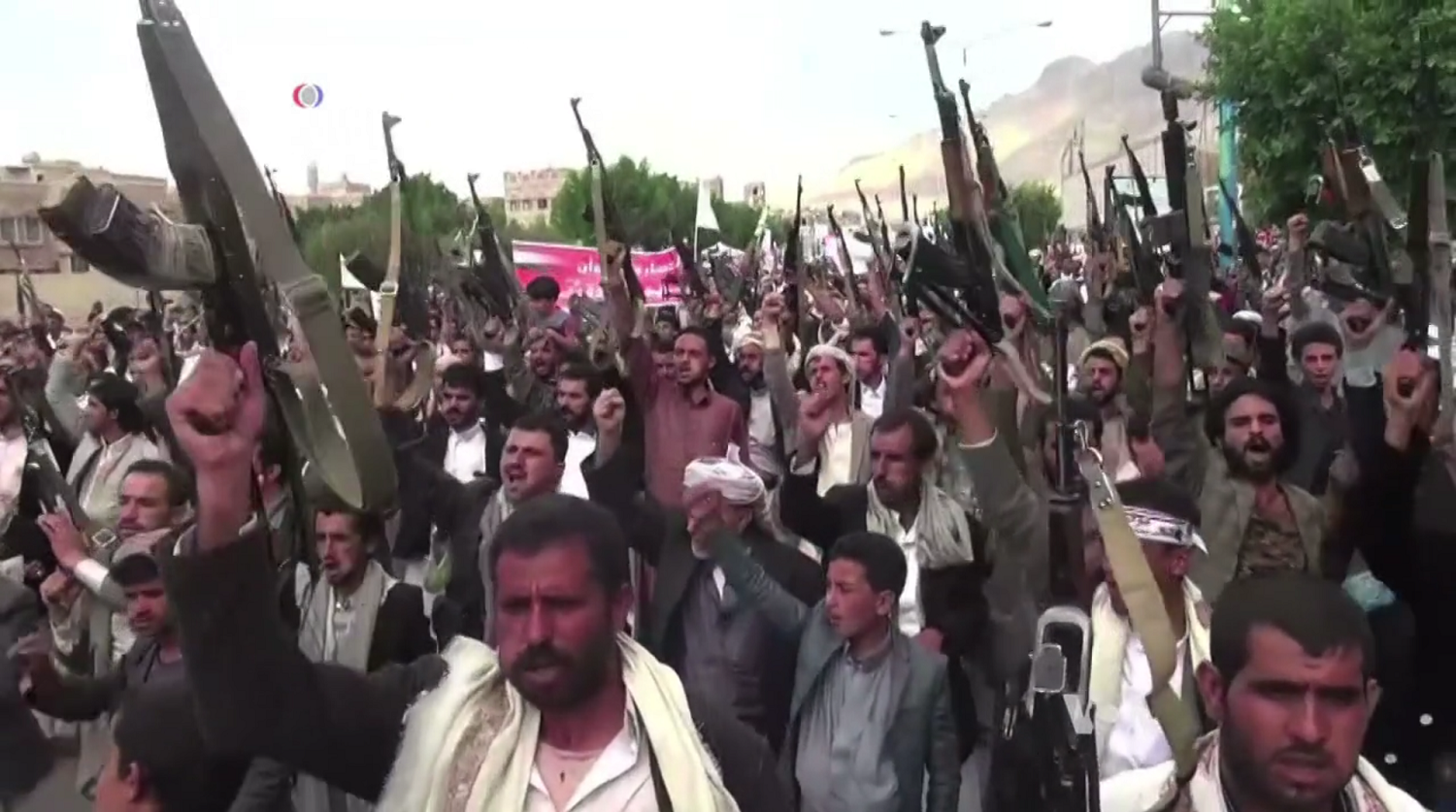
The Houthi movement, also known as Ansar Allah, began as a political and religious movement among Yemen’s Zaidi Shia community. The group gained support by opposing Yemen’s government and criticizing foreign influence in the country. Over time, it developed into one of the most influential forces in Yemen’s political landscape.
In 2014, the Houthis captured Yemen’s capital, Sanaa, forcing the internationally recognized government to flee. The takeover led Saudi Arabia to launch a military intervention in 2015 to support the government and counter what it viewed as growing Iranian influence. The conflict created years of instability and one of the world’s worst humanitarian crises.
The Houthis have since expanded their military capabilities through drones, missiles and other weapons systems. Their ability to strike targets beyond Yemen has changed the way regional powers view the group. They are no longer seen as only a local faction but as a major security challenge in the Middle East.
Iran’s Role Has Increased Regional Tensions
Iran’s relationship with the Houthis has become one of the most controversial aspects of the conflict. Tehran has denied directly controlling the group but has been accused by Saudi Arabia, the United States and other governments of providing military support. Iran has maintained that its relationship with the Houthis is based on political and regional cooperation.
The Houthi movement fits into Iran’s broader strategy of building partnerships with allied groups across the Middle East. These relationships extend Tehran’s influence in countries such as Lebanon, Iraq and Syria. The strategy allows Iran to compete with regional rivals without always entering direct military confrontations.
For Saudi Arabia, the Houthi presence represents a serious security concern because Yemen shares a long border with the kingdom. Missile and drone attacks from Yemen have previously targeted Saudi cities and energy infrastructure. The threat has forced Saudi Arabia to invest heavily in defense systems and security measures.
The Red Sea Conflict Has Global Consequences
One of the biggest reasons the Houthi conflict has gained international attention is its impact on global shipping. The Red Sea and the Bab el Mandeb Strait are among the world’s most important maritime trade routes. Millions of barrels of oil and billions of dollars in goods pass through these waters every year.
Attacks on commercial vessels linked to the conflict forced several shipping companies to change their routes. Some ships began traveling around Africa’s Cape of Good Hope instead of using the Red Sea route. The longer journeys increased fuel expenses, delivery times, and transportation costs.
The consequences have reached businesses and consumers around the world. Higher shipping costs can contribute to increased prices for imported goods and create additional pressure on global supply chains. A conflict in Yemen has therefore become an issue affecting international markets.
Saudi Arabia Faces a Difficult Balancing Act
Saudi Arabia’s concerns involve both national security and economic development. The kingdom is investing heavily in its Vision 2030 plan, which aims to expand tourism, technology, and other industries beyond oil. Regional instability could threaten investor confidence and slow those economic ambitions.
The Saudi government has also shown interest in reducing tensions with Iran through diplomacy. Restoring relations with Tehran in 2023 was viewed as an important step toward regional stability. However, ongoing disputes involving the Houthis continue to test whether that cooperation can survive.
Saudi Arabia must now balance military preparedness with diplomatic efforts. A stronger military response could increase tensions, while ignoring security threats could create additional risks. The kingdom’s approach will likely influence the future direction of the region.
The Conflict Shows How Modern Warfare Is Changing
The Houthi conflict demonstrates how technology has transformed modern warfare. Armed groups can now use relatively inexpensive drones and missiles to threaten powerful countries and critical infrastructure. This has changed traditional ideas about military strength and security.
A low cost drone can force governments to spend millions of dollars on detection and defense systems. The imbalance between inexpensive attacks and expensive protection has become a major challenge for governments worldwide. Similar trends have appeared in other modern conflicts involving drone technology.
The Houthis have shown that smaller groups can create significant geopolitical pressure. Their ability to disrupt shipping routes and threaten regional targets has given them influence far beyond Yemen. The conflict represents a new era where technology allows smaller actors to shape international events.
Yemen’s Humanitarian Crisis Remains the Greatest Cost
While regional powers compete for influence, ordinary Yemenis continue to suffer the consequences of years of conflict. Millions of people have faced food shortages, displacement, and limited access to healthcare. The humanitarian impact remains one of the most serious issues connected to the war.
Any renewed escalation could make conditions worse for civilians. Damage to infrastructure and continued fighting would make recovery more difficult. International organizations have repeatedly warned that Yemen remains vulnerable to further humanitarian emergencies.
The political struggle between regional powers often dominates headlines, but Yemen’s population carries the heaviest burden. Peace efforts remain critical for addressing both security concerns and human suffering. A lasting solution will require more than military action.
Could the Conflict Become a Wider Regional Crisis?
The biggest question is whether the Houthi conflict remains contained or becomes part of a larger Middle East confrontation. The region has a long history of conflicts spreading through alliances and competing interests. Rising tensions between Iran and Saudi Arabia could create new risks.
A direct military conflict between Iran and Saudi Arabia would have major consequences because both countries are among the most influential powers in the region. Such a confrontation could affect energy markets, global security and diplomatic relationships. However, both nations also understand the enormous costs of a full scale war.
The more likely scenario may involve continued competition through indirect conflicts, negotiations and limited military actions. Regional governments will continue trying to protect their interests while avoiding a wider crisis. The coming months could determine whether diplomacy or confrontation shapes the future of the Middle East.
Why the World Is Watching Closely
The Houthi conflict represents a much larger challenge than a dispute inside Yemen. It has become connected to global shipping, energy security, and the balance of power in the Middle East. The crisis demonstrates how local conflicts can create international consequences.
For the United States and its allies, the challenge is protecting trade routes while avoiding actions that could trigger a broader war. For regional powers, the priority is maintaining security while pursuing economic growth and diplomatic stability. The decisions made now could shape the region for years.
The Houthis may operate from Yemen, but their influence reaches far beyond the country’s borders. A conflict that started as a domestic struggle has become a global reminder that modern security threats are deeply connected. The future of the Middle East may depend on whether diplomacy can succeed before tensions escalate further.