Kensington has become one of the most disturbing warnings in modern America, and we should stop pretending it is only Philadelphia’s problem. What people see in Kensington is not just addiction on sidewalks, tents near businesses, exhausted police officers, or residents begging for normal life to return.
It is a harsh picture of what happens when drugs, poverty, untreated mental illness, homelessness, weak public policy, and community neglect all crash into the same neighborhood at once.
Many Americans may look at Kensington and feel distant from it, but that comfort is dangerous. The same ingredients already exist in many cities, from rising rents and opioid deaths to overwhelmed hospitals and shrinking trust in local government. Kensington feels shocking because the crisis is visible, but the conditions behind it are quietly growing across the country.
The Drug Crisis Has Moved From Private Pain To Public Collapse
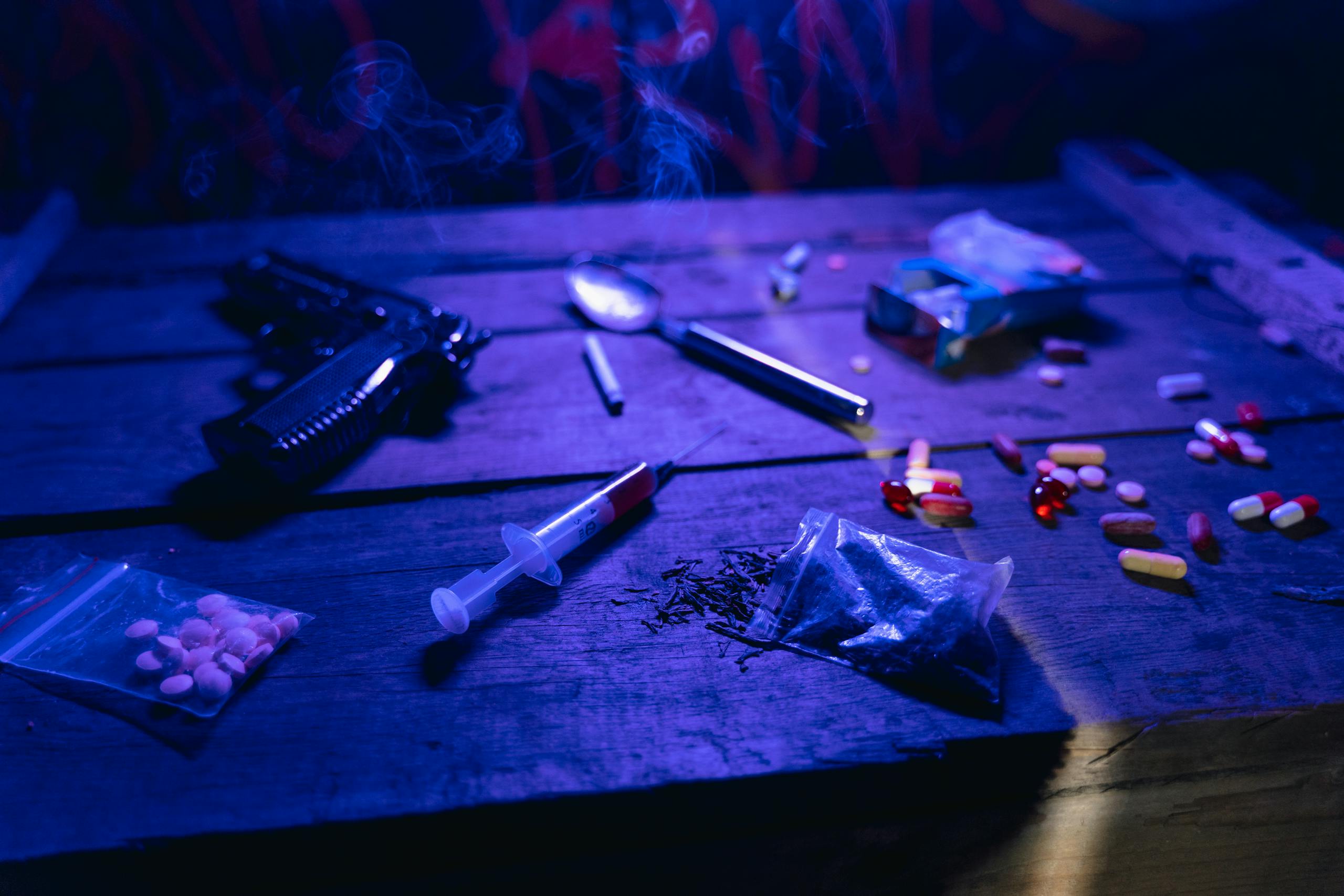
Addiction used to be seen as something hidden inside homes, back alleys, motels, or private family shame. Kensington shows a darker version of the crisis, where the pain spills into broad daylight and becomes part of daily public life. People overdose in the open, sleep outside storefronts, and struggle through dangerous withdrawals while the rest of the city argues over what to do.
That kind of public collapse scares Americans because it destroys the basic feeling of safety. Parents should not have to explain open drug use to children on the way to school. Workers should not have to step around needles before clocking in. Residents should not have to feel guilty for wanting compassion and clean sidewalks at the same time.
Fentanyl Turned An Already Bad Problem Into A Deadly One
Kensington became more terrifying because the drug supply changed. Fentanyl is powerful, cheap, and unpredictable, which means one bad dose can end a life in minutes. It has made addiction more dangerous, recovery more urgent, and emergency response more complicated.
This is one reason the Kensington nightmare feels so hopeless to many people watching from outside. The crisis is no longer just about people using drugs. It is about a toxic street supply that can kill fast, spread quickly, and trap people in a cycle where survival becomes the only goal of the day.
The Neighborhood Is Paying For A Crisis It Did Not Create Alone
Kensington residents are often left carrying the weight of a national failure. People travel there for drugs, dealers exploit the chaos, public services become overwhelmed, and families who simply want peace are expected to endure conditions that would outrage wealthier neighborhoods. That double standard is one of the ugliest parts of the story.
Americans can relate to that anger because every city has neighborhoods that get ignored until the damage becomes too visible to hide. When communities are poor, working class, or politically exhausted, their complaints often get treated like background noise. Kensington reminds us that neglect has a price, and eventually that price becomes impossible to contain.
Compassion Without Order Leaves Everyone Trapped
We need compassion for people suffering from addiction, but compassion alone cannot restore a neighborhood. If public spaces become unsafe, if dealers control corners, if residents feel abandoned, and if businesses cannot operate, then the community itself begins to collapse. Nobody wins when kindness becomes an excuse for disorder.
At the same time, enforcement alone cannot solve addiction. Arresting people without treatment, housing, and follow up only moves the crisis from one block to another. Kensington needs both humanity and boundaries because a serious response must protect people in addiction and the residents who have been forced to live inside the emergency.
Homelessness Makes The Crisis Harder To Escape
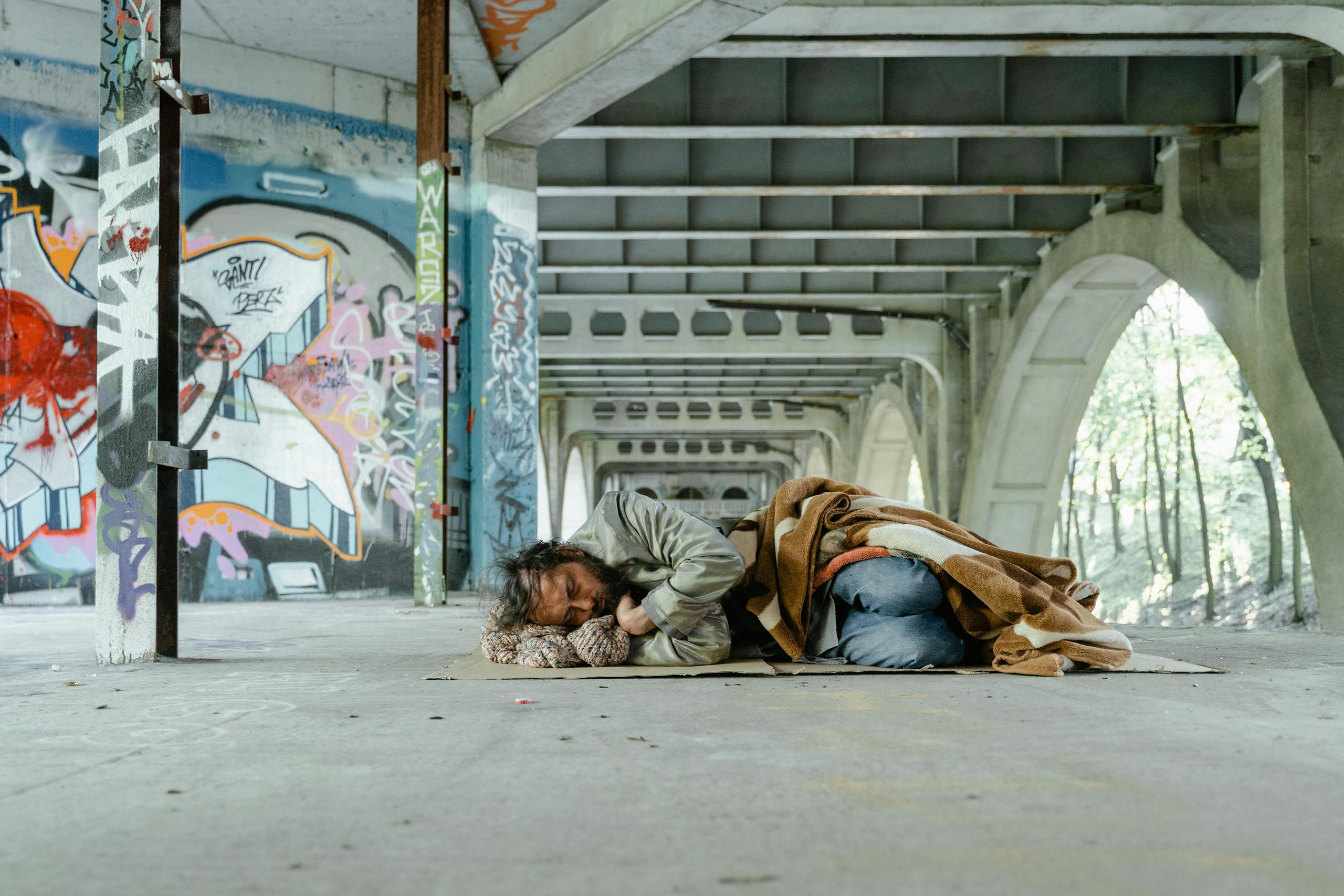
Kensington also exposes America’s housing problem in the most painful way. Addiction becomes harder to treat when people have nowhere stable to sleep, recover, shower, store medicine, or feel safe. A person living on the street is not starting recovery from zero. They are starting from exhaustion, fear, exposure, hunger, and survival mode.
This is where many American cities should feel nervous. Rents are high, shelters are stretched, mental health services are thin, and many families are one job loss away from disaster. Kensington is an extreme case, but the warning is simple. A country that cannot keep people housed will struggle to keep people healthy.
The Residents Deserve More Than Sympathy
People living in Kensington deserve more than pity from outsiders. They deserve safe streets, working businesses, clean parks, strong schools, reliable police response, and leaders who do not treat their neighborhood like a permanent sacrifice zone. They should not have to sound heartless just to ask for basic public order.
Their frustration is not a rejection of compassion. It is a demand for balance. A healthy city should be able to help people struggling with addiction without abandoning the families who live nearby. When residents are forced to choose between empathy and safety, the system has already failed them.
The Real Fix Must Be Tough, Human, And Consistent

Kensington needs a response that is strong enough to disrupt the drug market and human enough to save lives. That means targeting dealers and violent crime while expanding treatment that people can access immediately. It means clearing encampments only when there is real shelter and service support, not just a temporary push from one street to another.
It also means rebuilding the ordinary life of the neighborhood. Clean sidewalks, lighting, trash removal, business support, school safety, youth programs, and mental health outreach may not sound dramatic, but they matter. A neighborhood does not heal only through press conferences. It heals when daily life becomes livable again.
Kensington is not just a Philadelphia tragedy. It is a warning sign for America, especially for cities pretending they can ignore addiction, homelessness, crime, and poverty until the damage becomes impossible to hide. The nightmare is not only what we see on the street. The real nightmare is how long a country can watch a neighborhood suffer before deciding that ordinary people deserve better.
We should not look at Kensington with disgust and then turn away. We should look at it with urgency because the same crisis is already knocking on doors across America. If leaders keep choosing delay, excuses, and half measures, Kensington will not remain an exception. It will become a preview.