America loves a simple villain. When homelessness spills into train stations, parks, downtown sidewalks, and neighborhoods where families are just trying to live, the easiest explanation is often the loudest one. Many people look at the crisis and decide that drugs must be the main reason people are sleeping outside.
A major California homelessness study makes that story harder to repeat without question. Researchers found that about 37% of surveyed homeless adults in California reported regular illicit drug use in the previous six months. That number is serious, but it also means most unhoused people in the study were not regular illicit drug users during that period.
That is where the national conversation gets uncomfortable. Americans are right to be frustrated by tents, public drug use, rising crime fears, sanitation problems, and the feeling that cities have lost control. Still, if we keep blaming the wrong single cause, we will keep paying for the same crisis without solving it.
We Keep Turning a Housing Crisis Into a Morality Test
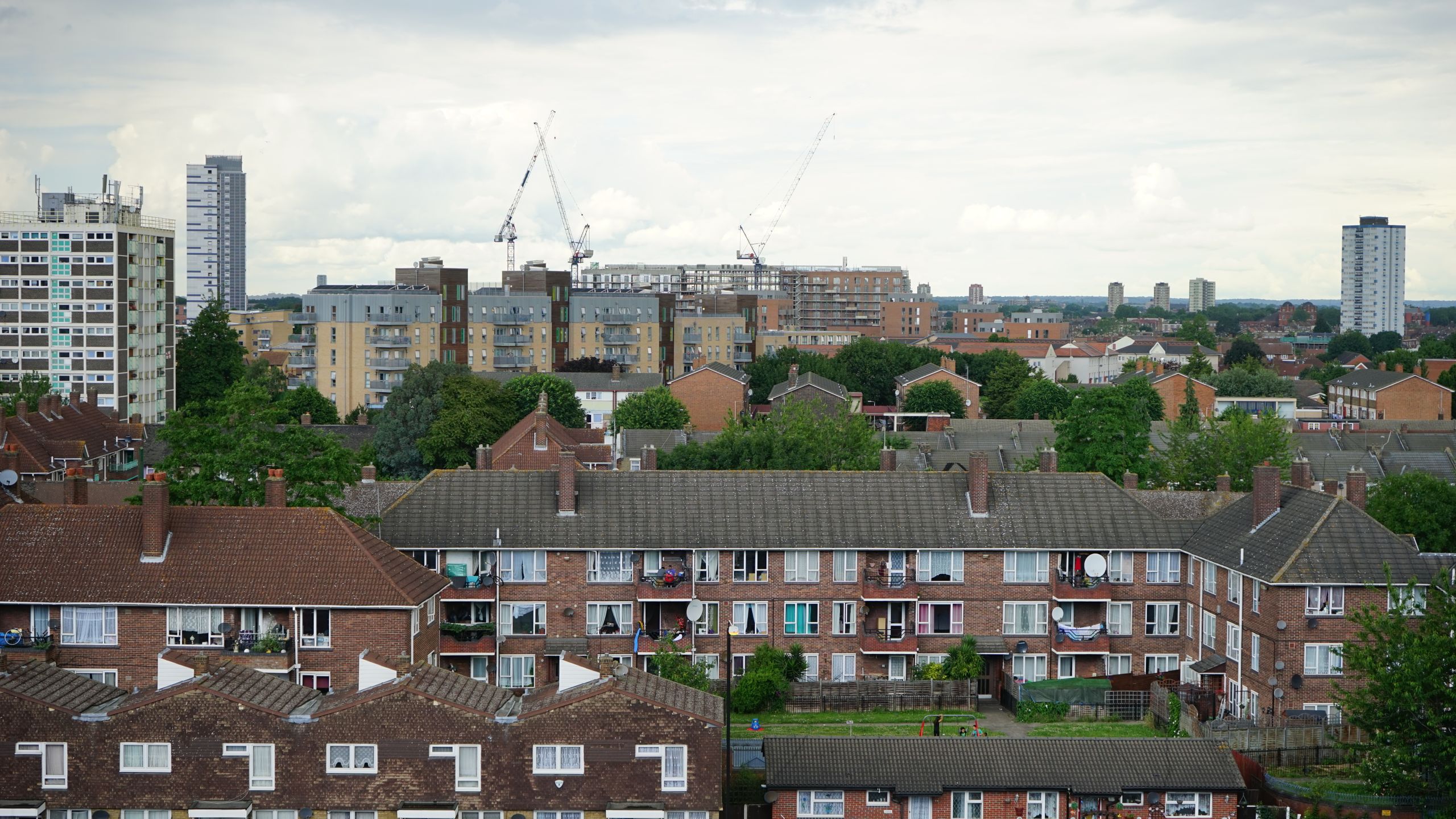
The first mistake America keeps making is treating homelessness like a personal failure before treating it like a public emergency. That approach feels satisfying to people who are tired of disorder, but it does not explain why so many working people, seniors, veterans, families, and disabled adults are losing stable housing.
It also does not explain why homelessness grows fastest in places where rent has outpaced wages and affordable units are scarce.
California’s study does not say drug use is imaginary. It says the public story is incomplete. When only about 37% of surveyed unhoused adults report regular illicit drug use, a drug-only explanation leaves out the larger group of people who are homeless for other reasons.
That matters because a bad diagnosis leads to bad policy. If a city assumes most unhoused people are simply choosing drugs over housing, it will focus on sweeps, citations, and public pressure. If a city admits that housing costs, weak safety nets, mental health gaps, and substance use all overlap, it has to build a much smarter response.
We Notice the Most Visible People and Forget Everyone Else
Most Americans do not see homelessness equally. They see the person yelling at a bus stop, the tent blocking a sidewalk, the open drug use near a store, or the encampment beside a freeway. Those scenes are real, and residents should not be mocked for being upset by them.
The problem is that the most visible cases can distort the whole picture. Many homeless people are not standing in public view. Some sleep in cars, shelters, motels, hospital waiting areas, hidden camps, or temporary arrangements that fall apart every few days.
That hidden population rarely becomes the face of the crisis. They are less likely to appear in viral videos or political ads. Yet they still need housing, income support, health care, legal help, and a faster way back indoors before their situation gets worse.
We Pretend Drug Use Explains Everything
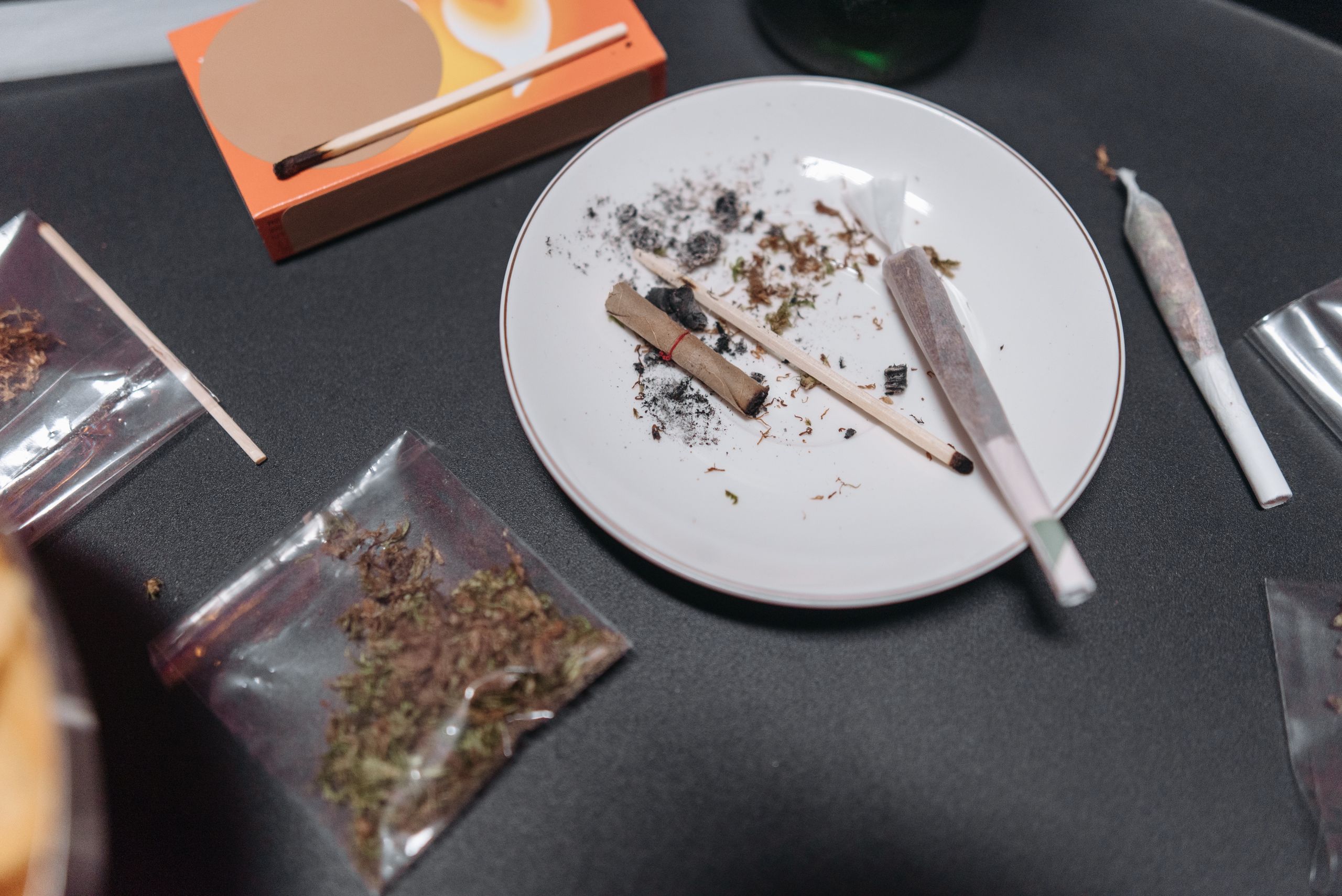
Drug use is part of the homelessness crisis, and no serious person should deny it. Addiction can destroy income, relationships, health, housing stability, and public safety. It can also make it harder for someone to accept shelter rules, keep appointments, or move through complicated aid systems.
But the California findings show why the national debate needs more precision. If most surveyed unhoused people were not regular illicit drug users in the recent period studied, then drugs cannot be the blanket explanation for homelessness. The crisis is bigger than the stereotype.
This does not make the 37% figure small. It means treatment access should be stronger, not symbolic. People with regular drug use need realistic treatment options, not a political speech and a waiting list.
We Ignore How Homelessness Can Make Addiction Worse
One of the most damaging assumptions is that substance use always comes before homelessness. Sometimes it does. But sometimes homelessness comes first, and life outside pushes people toward drugs as a way to stay awake, numb fear, manage pain, or survive unsafe conditions.
That reality should bother everyone. If living outside can increase drug use, then delaying housing does not just prolong homelessness. It can deepen the health crisis that the public later blames on the individual.
This is where America’s response often becomes backward. We wait until someone is visibly broken before acting. Then we complain that the person is too unstable to help, even though the system allowed the instability to grow.
We Spend Too Much on Movement and Too Little on Exit Doors

Cities often respond to homelessness by moving people from one block to another. Tents are cleared, belongings are removed, citations are issued, and residents get a brief sense that something happened. Then the same people appear somewhere else because the underlying problem never changed.
This cycle wears everyone down. Business owners feel ignored. Families feel unsafe. Taxpayers feel cheated. Unhoused people lose documents, medication, clothing, phones, and trust.
A real exit door requires more than a cleanup. It requires housing placement, treatment access, case management, mental health care, and prevention before eviction turns into street homelessness. Without those pieces, enforcement becomes theater with an expensive invoice.
We Argue Housing Versus Treatment When We Need Both
America wastes too much time pretending housing and treatment are enemies. Some people need housing first because stability gives them a chance to recover, attend appointments, store medication, sleep, and rebuild routines. Others need urgent treatment because addiction or severe mental illness is driving dangerous behavior.
The correct answer is not one side winning the argument. The correct answer matches the response to the person. A senior living in a car does not need the same intervention as someone in active addiction on a sidewalk.
California’s study makes this clearer. The state has people who need treatment badly, and it also has many unhoused people whose recent homelessness cannot be explained by regular illicit drug use. A serious system would be flexible enough to serve both groups without forcing everyone into one political category.
We Let Public Anger Replace Public Strategy
Americans are tired of watching billions of dollars move through homelessness programs with little visible change in many cities. That anger is understandable. People want clean streets, safer neighborhoods, working public spaces, and leaders who can explain where the money went.
But anger alone is not a strategy. It can produce harsher policies, louder speeches, and more dramatic crackdowns. It does not automatically produce more housing units, better treatment capacity, faster intake systems, or stronger accountability.
The smarter response is tougher and more honest. We should demand results from homelessness programs, but we should also demand policies that fit the facts. Blaming every unhoused person for the most visible street disorder may feel direct, but it keeps America stuck in the same expensive loop.
The California homelessness study does not give anyone an easy excuse. It does not say drugs are harmless, and it does not say public frustration is wrong. It says the crisis is more complicated than the stereotype Americans have been sold for years.
That should change the way we talk about homelessness. If about 37% of surveyed unhoused adults reported regular illicit drug use, then treatment must be part of the answer. But if most did not report regular illicit drug use during that period, then housing costs, income instability, health problems, and weak public systems must be part of the answer, too.
America keeps losing this fight because it keeps demanding one villain for a crisis built from many failures. The country can keep clearing tents, trading blame, and acting shocked when the problem returns. Or it can finally admit the harder truth: homelessness will not shrink until we stop using stereotypes as policy.