There’s something almost magical about opening a kitchen cupboard and finding an ingredient that’s been quietly waiting for its moment. A forgotten bag of rice, an old jar of honey, or a box of pasta might have more life left in it than you realize.
And those little dates printed on packages don’t always tell the story we think they do. According to the U.S. Department of Agriculture, canned tomatoes generally retain their best quality for 12 to 18 months, while many low-acid canned foods have a recommended quality window of two to five years.
The important distinction is between food safety, flavor, and quality. A best-by date often marks when a manufacturer expects the best experience, not the exact day a food becomes unusable.
Here are nine familiar pantry staples with surprisingly long shelf lives, provided they’re stored and handled correctly.
Dry White Rice
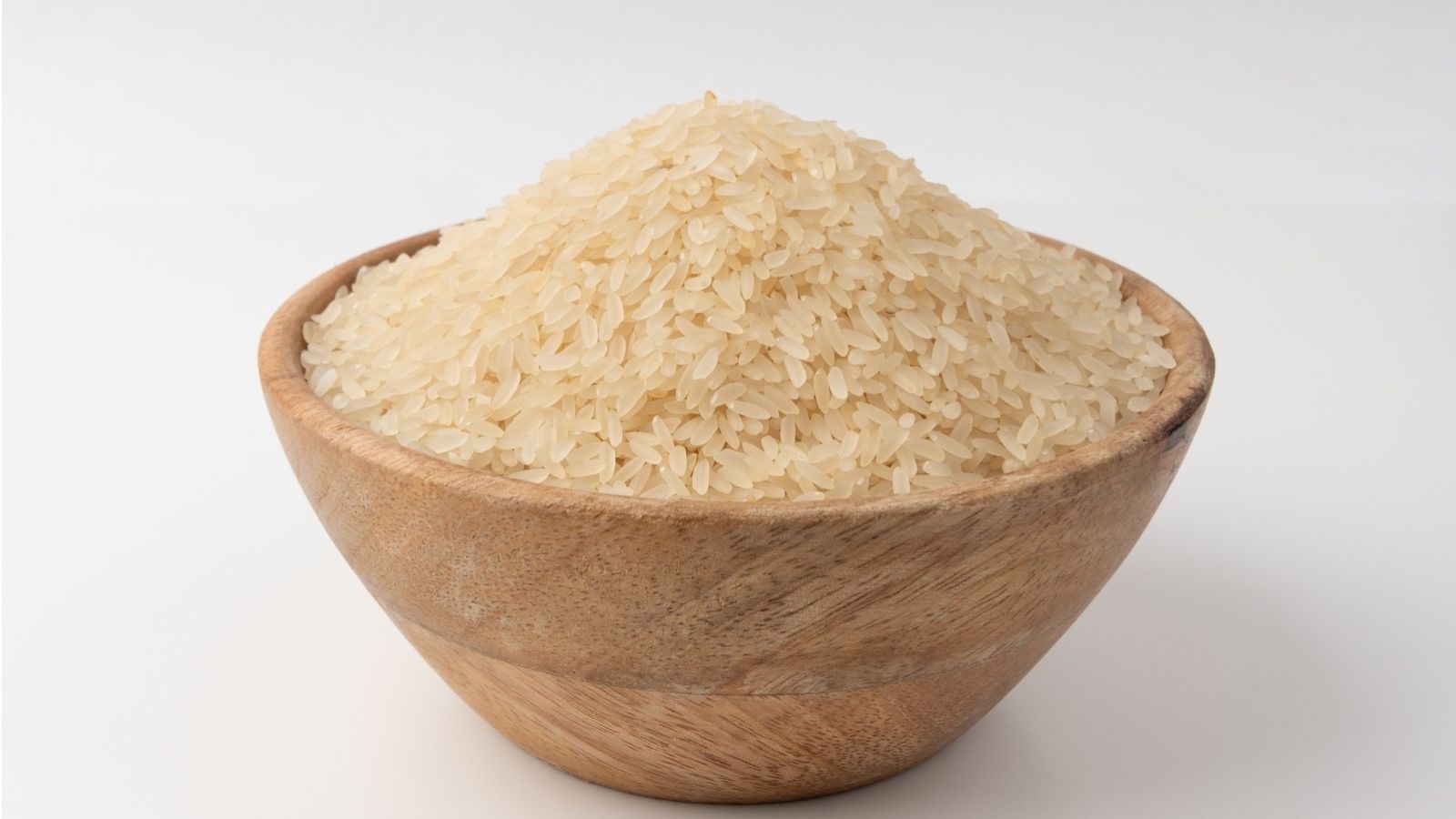
White rice might be one of the most patient ingredients in your pantry. That ordinary bag sitting behind the pasta can remain useful far longer than many people expect.
According to USA Rice, properly stored milled white rice can keep almost indefinitely on the pantry shelf. The organization recommends keeping it in a tightly closed container, protected from moisture, dust, and other contaminants.
Brown rice is a different story. USA Rice gives it an approximate six-month pantry shelf life because of the oils in its bran layer. The takeaway? Store dry white rice properly, and it can stay a dependable ingredient long after other pantry items lose their freshness.
Granulated Sugar
Granulated sugar can stay useful with little attention. But the secret is keeping moisture out.
Domino Sugar says sugar stored in an airtight container in a cool, dry place has an indefinite shelf life under those conditions. That doesn’t mean a forgotten sugar container will always look exactly as it did when purchased. Moisture exposure can cause clumping, making it harder to scoop and measure.
Domino also advises against refrigerator storage. If your sugar stays dry and protected, there’s little reason to replace it just because you’ve owned it a long time.
Plain Salt
Plain salt may be the quiet champion of pantry longevity. While other ingredients gradually change, the salt itself doesn’t have a conventional expiration date.
Morton Salt’s expiration guide distinguishes between salt and products with additives. The company recommends a five-year quality window for many table, kosher, and sea salts, partly because anti-caking ingredients can lose effectiveness. Iodized salts may also change as their iodine content diminishes over time.
Some products without anti-caking additives have shorter recommended quality periods because they can clump. Keep plain salt sealed, cool, and dry, away from cooking steam. And remember, this longevity advice doesn’t automatically apply to seasoning blends or specialty mixtures.
Distilled White Vinegar
Distilled white vinegar is another cupboard staple that rarely asks for much attention. Its sharp, familiar character makes it useful in dressings, sauces, and countless everyday recipes.
According to the Vinegar Institute, commercially produced vinegar has an almost indefinite shelf life because of its acidity. Iowa State University Extension explains that properly stored white distilled vinegar remains virtually unchanged for extended periods. Other vinegar varieties may develop changes in color, clarity, or sediment.
Store vinegar tightly closed in a cool, dark cupboard, away from heat and direct sunlight. One qualification matters: don’t assume homemade vinegar or diluted preparations behave exactly like commercially produced distilled vinegar.
Plain Honey
Honey has a lovely way of surprising people. One day it’s golden and flowing; months later, the same jar might contain thick, cloudy crystals.
That transformation doesn’t automatically mean the honey has spoiled. Troy Greek Raw Honey’s storage guide explains that crystallization is a natural physical change. The producer recommends keeping honey sealed at room temperature, away from heat and direct sunlight.
Moisture is the complication. Introducing water or food particles into the jar can encourage fermentation, so use a clean, dry spoon. Crystallization alone isn’t a reliable test of authenticity, either. The practical lesson is simple: honey can keep remarkably well, but only when the jar and its contents receive proper care.
Related: What Food Should You Stock Up on for an Emergency? Start With These Essentials
Dried Beans
Dried beans are a pantry classic, but their long shelf life comes with an interesting catch: older beans don’t always cook like newer ones.
Utah State University Extension reports that dried beans in ordinary food-grade polyethylene bags generally last one year or more. Under specialized storage conditions, including suitable sealed containers with oxygen removed, that period may stretch to ten years or longer.
The university also cites research in which more than 80% of consumers accepted pinto beans stored for up to 30 years for emergency use. That’s not a promise for an ordinary supermarket bag. Older beans may become harder and take longer to soften, even when stored properly.
Dry Pasta
Dry pasta waits quietly until someone needs dinner fast. According to Barilla, opened and unopened boxes of dry pasta belong in a cool, moisture-free pantry. The company recommends following the best-if-used-by date for optimal quality and taste. That date doesn’t guarantee freshness after it passes.
USDA’s shelf-stable food guidance lists approximately two years for dried pasta under suitable storage conditions. The key distinction is that these recommendations apply to dry pasta, not fresh refrigerated pasta or cooked leftovers.
For the best results, protect your spaghetti, macaroni, and other dry shapes from moisture, and follow the manufacturer’s guidance.
Commercially Canned Beans
Canned beans offer a different kind of pantry convenience. Unlike their dried counterparts, commercially canned beans are ready to use.
The USDA classifies beans as low-acid canned foods, with a recommended best-quality storage period of about two to five years. That window assumes the cans remain unopened, properly stored, and in good condition.
A best-by date passing doesn’t automatically make a sound can unusable, but damaged packaging is another matter entirely. The guidance also differs from home canning. USDA recommends using home-canned foods within one year rather than applying commercial storage periods to homemade jars.
Canned Tomatoes
Canned tomatoes might be the foundation of your next pot of chili, pasta sauce, or homemade soup, but their shelf-life story differs from canned beans.
According to the USDA, tomatoes fall into the high-acid canned-food category. Their recommended best-quality storage period is approximately 12 to 18 months. That’s considerably shorter than the two-to-five-year window listed for many low-acid vegetables.
It doesn’t mean every tomato can becomes unusable immediately afterward. It means the expected quality period is different. Store unopened cans properly, inspect their condition, and don’t assume every canned ingredient follows the same timetable.
A Long Shelf Life Still Requires Good Storage
The most useful pantry habit isn’t keeping food forever. It’s understanding which ingredients last, what changes over time, and when storage conditions matter more than the printed date.
USDA advises against using cans that are swollen, leaking, heavily rusted, or badly dented. Suspect canned foods shouldn’t be tasted to determine whether they’re suitable, and long-life guidance doesn’t apply to cooked versions of dry staples.
Most importantly, remember that infant formula is an exception to ordinary food-date guidance and should not be used beyond its specified use-by date. A thoughtful pantry is more than a collection of forgotten packages. It’s a cupboard where ingredients are stored carefully, checked regularly, and brought into the kitchen before their best qualities fade.