A restaurant doesn’t need fancy décor, expensive table settings, or a trendy menu to serve a good meal. What matters more is how it handles the basics, from keeping food at the right temperature to fixing mistakes when things go wrong.
One disappointing dish doesn’t automatically mean a restaurant is poorly run. But repeated problems, visible lapses in food handling, and staff who dismiss reasonable concerns deserve a closer look. Here are eight warning signs to watch for before you decide whether to return.
An Overloaded Menu Comes With Other Problems
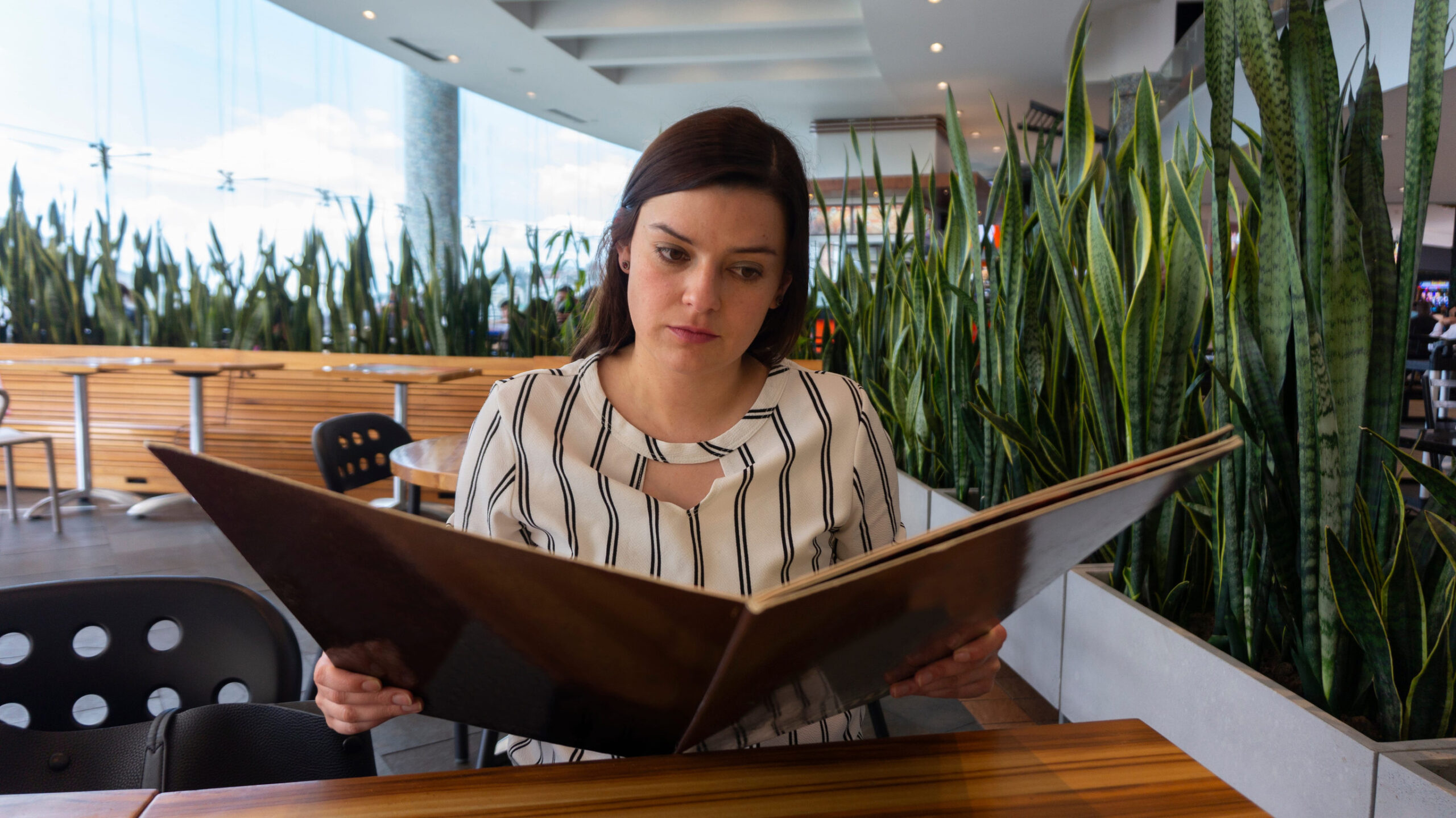
A menu offering everything from sushi to steak to dozens of pasta dishes isn’t automatically a bad sign. Some restaurants manage broad menus successfully, especially when dishes share ingredients or preparation methods.
The concern grows when an extensive menu includes repeatedly unavailable items, staff who cannot explain the dishes, or inconsistent preparation.
Chef Alan Gosker and restaurateur Mike Bausch prefer focused menus because they’re easier to execute consistently. That’s professional judgment, not proof that every large menu signals trouble.
Repeated Critical Violations in Recent Inspection Reports
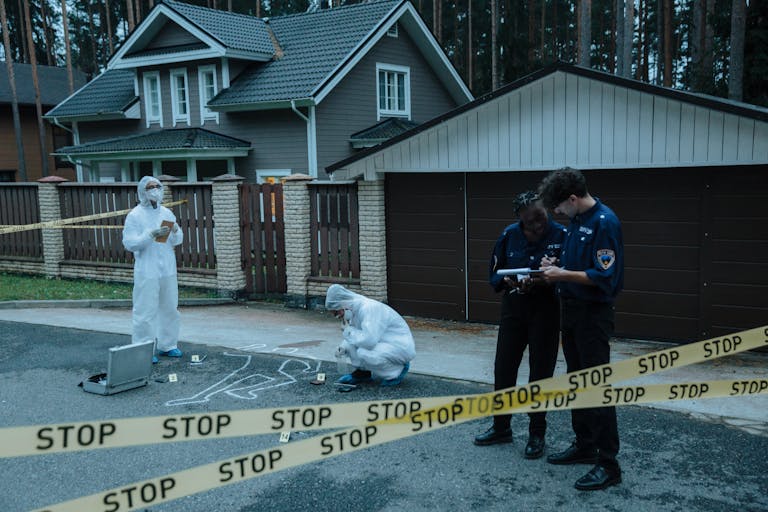
A restaurant’s appearance can tell you very little about what happens in its kitchen, but recent inspection reports may offer useful evidence.
Look for recurring problems involving food temperatures, contamination prevention, or food handling, and check whether follow-up inspections document corrections.
The CDC recommends checking restaurant inspection information through the establishment or local health department. Remember that scoring systems vary by location, so read the actual findings and dates rather than treating one old score as a permanent verdict.
Food Arrives at the Wrong Temperature
Hot soup that arrives lukewarm or a chilled dish that feels unexpectedly warm deserves a polite question. The CDC advises diners to expect hot foods to be served hot and cold foods to be served cold, including at buffets.
Some dishes are deliberately served cool or at room temperature, so context matters. You cannot determine a food’s exact temperature or storage history by touch alone, but an unexpected change is worth raising with your server.
Visible Cross-Contamination or Careless Food Handling
Watch for obvious handling problems, such as someone touching raw meat and then handling ready-to-eat salad without changing gloves or properly washing their hands. FDA food-protection materials emphasize handwashing and preventing cross-contamination.
Gloves alone don’t guarantee good handling, and their absence isn’t automatically a warning sign.
The key question is whether staff use appropriate practices for the food they’re preparing, especially when handling food that won’t be cooked further.
Dirty Tableware Is Presented as Clean
You shouldn’t have to overlook a fork with food residue, a glass with lipstick on the rim, or visibly dirty utensils to enjoy your meal. Restaurant professionals interviewed by Mashed identify dirty flatware and glasses as warning signs because they suggest that basic attention to detail may be slipping.
One isolated item that staff promptly replace doesn’t prove the entire restaurant is poorly managed. Repeated problems, especially when employees dismiss the concern or return another dirty item, are more revealing than mismatched plates or ordinary water spots.
Related: If you want to spot the difference between a busy dining room and genuinely frustrating service, read 8 Things You Do at Restaurants That Servers Say Make Their Job Harder.
Staff Cannot Answer Ingredient or Allergy Questions
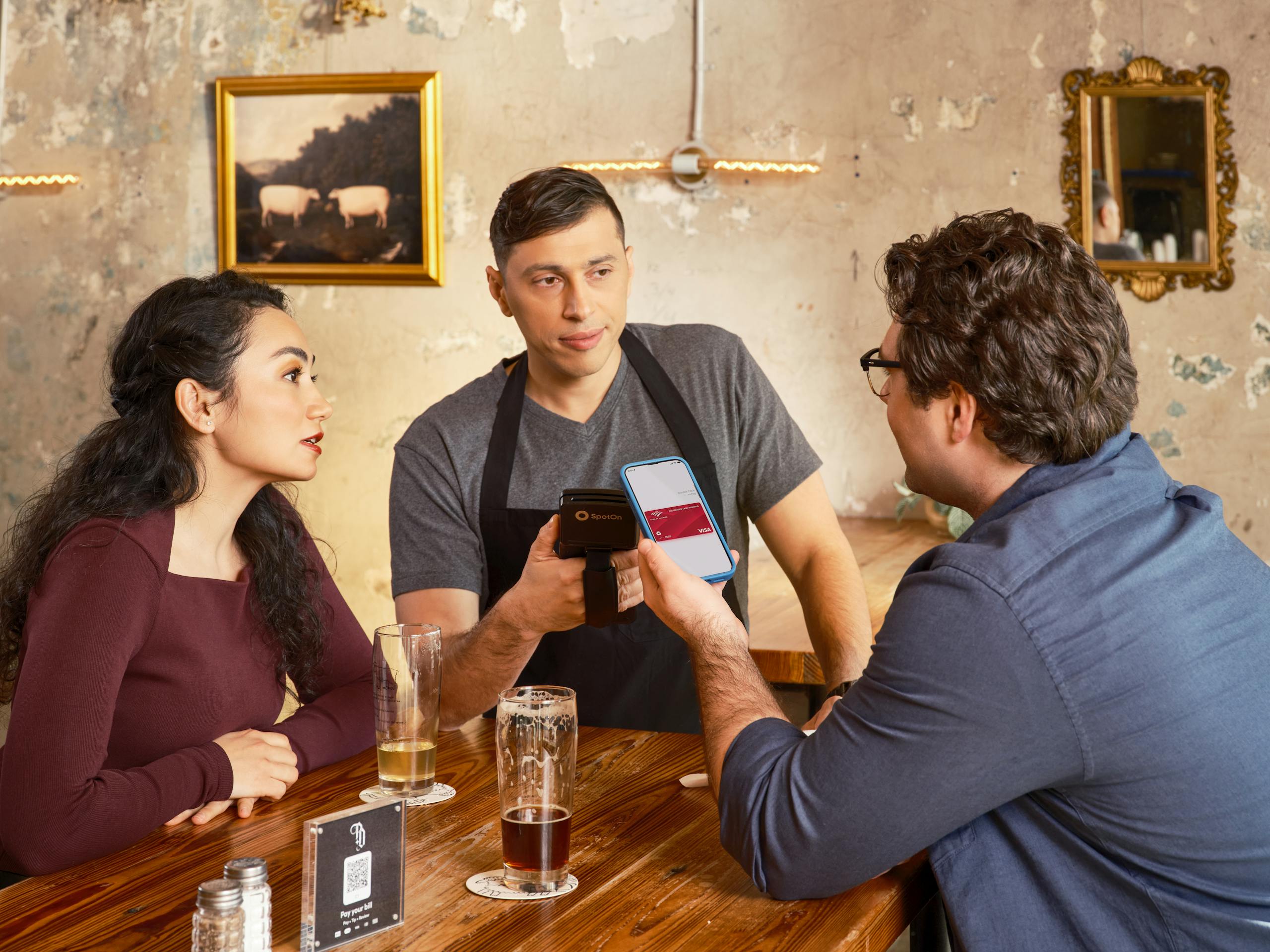
A server doesn’t need to know every ingredient by memory, but guessing about a dish or dismissing a customer’s allergy concern is a different matter.
Sauces, dressings, marinades, and shared cooking equipment can make ingredient questions more complicated than a menu description suggests.
The CDC recommends staff training and clear procedures for handling food-allergy concerns, while Food Allergy Research & Education explains that shared utensils and equipment can cause allergen cross-contact.
A restaurant that checks with the kitchen and honestly explains its limitations is showing more responsibility than one that offers unsupported reassurance.
The Dining Room Is Disorganized, Not Simply Busy
A full dining room doesn’t automatically signal poor management. More telling signs include repeated order confusion, tables left uncleared while staff struggles to coordinate, conflicting wait-time information, or dishes repeatedly reaching the wrong guests without anyone fixing it.
Restaurant professionals interviewed by Mashed identify disorganized service and poorly managed course timing as potential warning signs.
Still, a single delay during a busy evening isn’t enough to judge a restaurant. Look for a pattern, and give staff credit when they communicate clearly and work to fix mistakes.
Reasonable Complaints Are Dismissed
Even a well-run restaurant can send out the wrong dish or miss a cooking preference. What matters is how staff respond when you raise a specific, reasonable concern.
A restaurant that listens, checks what happened, and offers an appropriate correction shows that it takes the dining experience seriously.
By contrast, dismissing a clearly incorrect order or giving unsupported assurances about an ingredient deserves attention.
You don’t automatically deserve a free meal for every disappointment, but you should be able to ask a question and receive a respectful response.
The Restaurant Treats Every Problem as the Customer’s Fault
A final warning sign is a pattern of defensiveness whenever something goes wrong. If staff repeatedly refuse to investigate incorrect orders, blame diners without checking the facts, or offer no explanation for a concern, the problem may extend beyond one imperfect meal.
That doesn’t mean the customer is always right. Some complaints involve personal preferences, and not every request can be accommodated.
The difference is whether the restaurant communicates its policies clearly and makes a reasonable effort to resolve genuine mistakes.
A Better Way to Judge Your Next Restaurant Visit
Pay attention to what you can actually observe: recent inspection findings, food served at an unexpected temperature, visible handling problems, dirty tableware, and how staff respond to concerns. Treat décor, menu size, and a single slow service experience as context rather than proof.
The best restaurants aren’t necessarily flawless. They’re the ones that take the basics seriously and genuinely try to make things right when something goes wrong.