Love can feel powerful when it arrives like a storm. The calls stretch late into the night, the texts become the highlight of the day, and one person suddenly carries the emotional weight of your entire world. At first, that intensity feels romantic because many people have been taught to believe real love should feel urgent, consuming, and impossible to ignore.
But the wrong kind of passion can become a relationship trap. It can make anxiety feel like chemistry, jealousy feel like devotion, and emotional dependence feel like proof that the love is special. That is why the most dangerous relationships do not always begin with obvious red flags, because sometimes they begin with fireworks.
Emotional dependence starts looking like devotion.
One of the first signs of unhealthy passion is when your mood depends completely on your partner’s behavior. A fast reply makes you feel chosen, but a slow reply can ruin your entire day. That kind of emotional dependence can look sweet at first, but it slowly turns one person into the manager of another person’s peace.
This becomes exhausting because no partner can carry that much emotional responsibility forever. Healthy love offers comfort, but it should not become the only thing keeping someone steady. When one person needs constant reassurance just to feel safe, the relationship can start feeling less like love and more like emotional survival.
Anxiety gets mistaken for chemistry.
Some people think a relationship is intense because it keeps them nervous. The guessing, overthinking, waiting, and fear of being replaced can feel like proof that the connection is deep. In reality, anxiety can imitate passion so convincingly that people confuse emotional distress with attraction.
A healthy relationship can still feel exciting without making someone feel unsafe. There should be desire, curiosity, and longing, but there should also be calm, trust, and emotional steadiness. If the relationship feels more powerful when it hurts, that may not be chemistry because it may be your nervous system asking for relief.
Jealousy turns into a fake version of love.
Jealousy often enters quietly. It starts with small questions about who liked a photo, why someone replied late, or why a partner still follows a certain person online. Before long, love becomes surveillance, and one partner starts mistaking control for commitment.
This is especially risky in a digital world where people can monitor each other almost constantly. Social media makes it easy to check likes, comments, followers, story views, and old photos until suspicion becomes a habit. The problem is that checking rarely creates peace because it usually feeds the fear it was supposed to calm.
Your world gets smaller without you noticing.
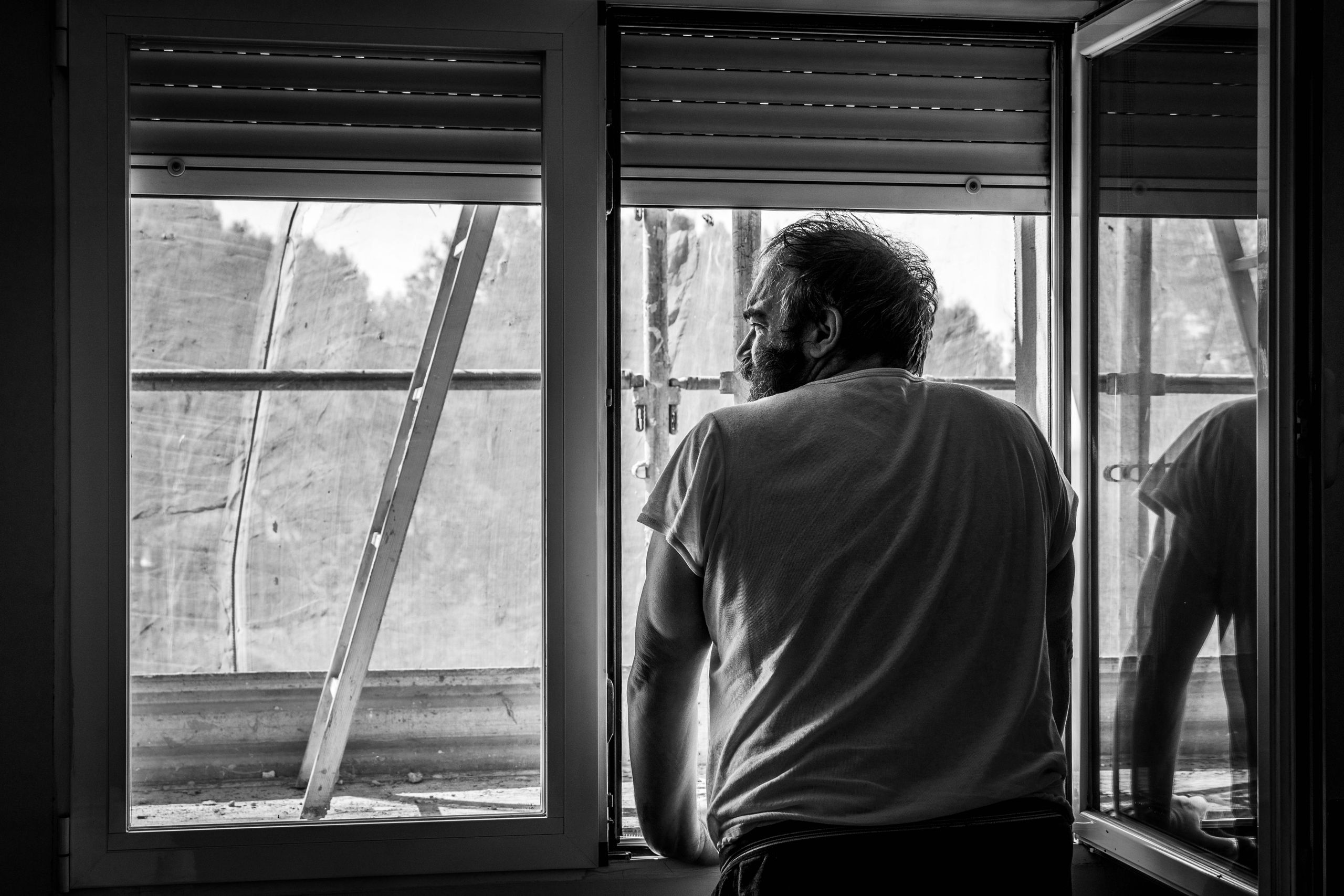
Unhealthy passion often makes people abandon the life they had before the relationship. Friends get fewer calls, hobbies lose importance, goals get delayed, and personal routines start disappearing. At first, this feels like a romantic sacrifice because the relationship seems more exciting than everything else.
But a relationship should expand your life, not quietly shrink it. When one person becomes your only source of happiness, comfort, attention, and identity, the relationship becomes too heavy to carry. Love works better when two people still have their own friendships, interests, dreams, and private space outside the romance.
Chemistry hides character problems
Strong attraction can make people overlook serious compatibility issues. A person may ignore disrespect because the connection feels rare, excuse inconsistency because the apology sounds sincere, or dismiss bad behavior because the passion is intense. This is how chemistry can become a beautiful distraction from someone’s actual character.
The deeper question is not just whether the relationship feels exciting. It is whether the person is kind under pressure, honest when it costs them, responsible with promises, and respectful during conflict. Passion may start the relationship, but character decides whether it can survive ordinary life.
Arguments become emotional emergencies.

In an unhealthy passionate relationship, every disagreement can feel like a threat. A small conflict can turn into panic when one person fears rejection, abandonment, or the end of the relationship. Instead of solving the issue, the couple may fall into attacking, begging, shutting down, blaming, or chasing each other emotionally.
This pattern can damage love faster than people realize. Couples do not break down only because they argue, but because of how they argue. When criticism, defensiveness, contempt, or silence become normal, even strong attraction cannot protect the relationship from emotional damage.
Staying feels painful, but leaving feels impossible
The final trap is staying too long because the attachment feels too strong to break. Some people believe they cannot leave because they love the person deeply, but sometimes the bond is made of fear, hope, memory, chemistry, and emotional habit. That mix can feel like destiny, even when the relationship is slowly draining them.
This is where passion becomes most dangerous. A relationship can be intense and still be wrong, unforgettable and still be unhealthy, passionate and still be unsafe for your peace. The pain of leaving does not always mean the relationship is worth saving because sometimes it means the attachment has become too consuming.
The best kind of passion does not make people disappear into each other. It gives room for desire, laughter, affection, independence, repair, and emotional safety. It allows two people to want each other deeply without losing themselves in the process.
Conclusion
Passion is not the enemy of love, but the wrong kind of passion can quietly turn a relationship into an emotional trap. When desire starts feeding anxiety, jealousy, dependence, and fear, the relationship may still feel powerful, but that power can begin pulling people away from themselves. Real love should not make someone feel like they must shrink, chase, monitor, or panic just to keep the connection alive.
The healthiest relationships still have fire, but they also have peace. They make room for independence, honest communication, emotional safety, and personal growth. If passion makes you feel alive but also leaves you exhausted, the real question is not how intense the love feels, but whether it is helping you become stronger or slowly teaching you to disappear.