Americans are already tired of walking into grocery stores and feeling like their paycheck shrinks before they even reach the checkout line. Eggs, cereal, meat, fruit, paper towels, baby formula, and basic cleaning supplies have all become part of a weekly budget battle that many families never asked for.
Now, digital price tags are adding a new fear to the shopping trip: what if the price on the shelf becomes easier to change, harder to trust, and more profitable for the store than for the shopper?
Digital price tags may look harmless at first. They are small screens replacing paper labels, and retailers say they can save time, reduce errors, and help workers update prices faster.
That sounds practical until shoppers realize the same technology could also make it easier for stores to change prices quickly, push app based deals harder, and blur the line between fair pricing and algorithmic pressure. For Americans already frustrated by high grocery bills, this feels less like innovation and more like another way to lose control at the checkout line.
Prices Could Start Feeling Like A Moving Target
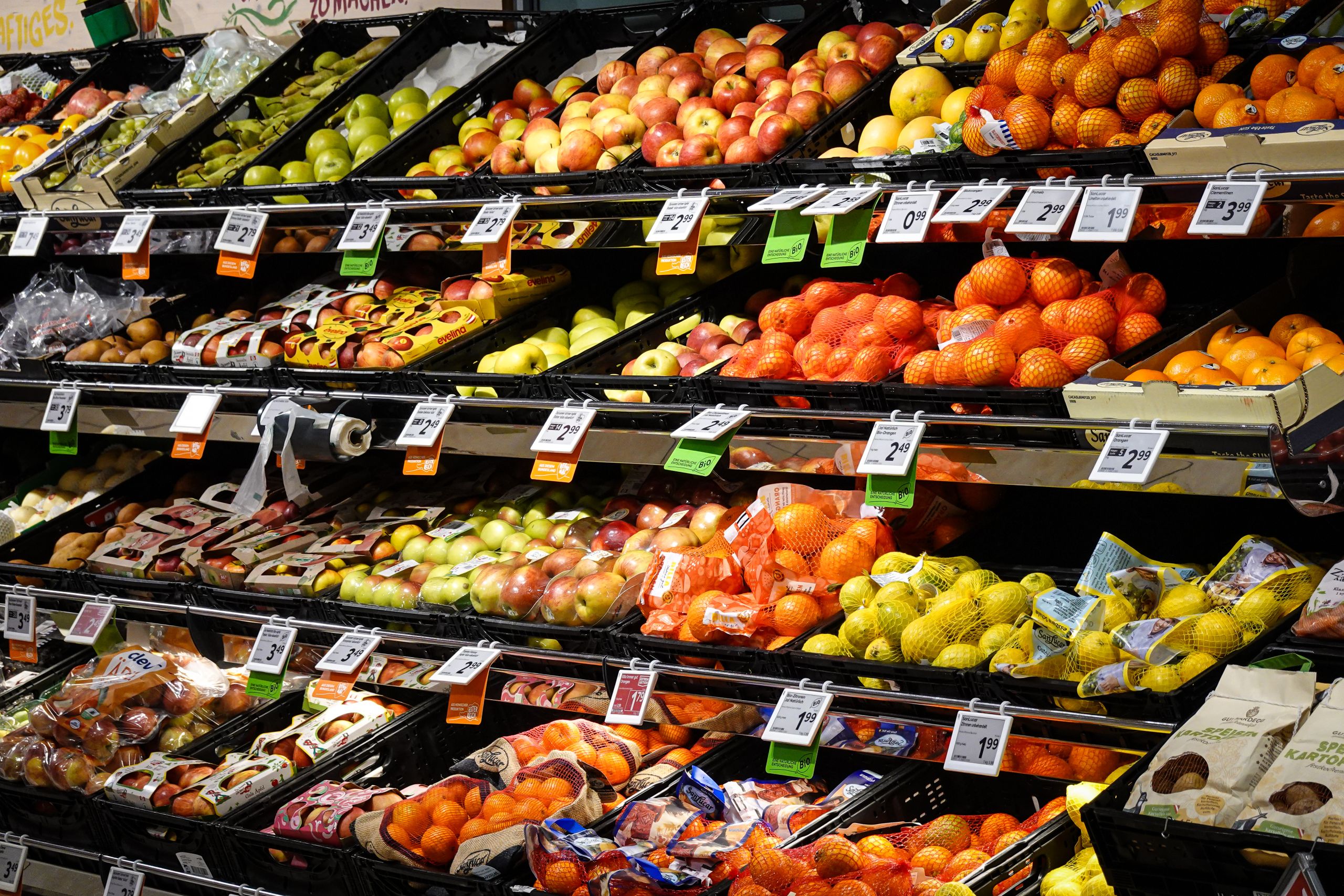
The biggest fear with digital price tags is simple: shoppers may no longer feel sure that the price they saw is the price they will pay. Paper tags create a sense of stability because someone has to physically print, place, and remove them.
Digital tags remove that friction, which means stores can update prices far more easily than before. That may help with honest markdowns and corrections, but it also creates anxiety for people who already shop with a calculator mindset.
For many families, grocery shopping is a tight routine. They compare brands, skip favorite items, check unit prices, and build meals around what they can afford that week. If prices can change too quickly, even the feeling of control disappears.
A shopper should not have to wonder whether cereal, bottled water, or chicken breasts could cost more by the time they reach the register. In a country where many households already feel squeezed, a moving price tag feels like one more insult.
Grocery Surge Pricing Could Become A Real Fear
Americans understand surge pricing when they see it on ride share apps, flights, hotels, and event tickets. They may hate it, but they expect it in those industries. Groceries are different because food is not a luxury. No family should have to worry that bread, milk, diapers, or bottled water might become more expensive because a store’s system notices high demand, bad weather, or a busy shopping hour.
That is why digital price tags make people nervous. The technology itself does not automatically mean surge pricing is happening, but it could make faster price changes easier. Before a snowstorm, a holiday weekend, a heat wave, or a local emergency, shoppers may fear that essentials could climb at the exact moment people need them most.
Even if retailers insist that it is not the plan, Americans have learned to be skeptical when big companies say a new system is “for convenience.”
Shoppers May Feel Trapped Between The Shelf And The Register
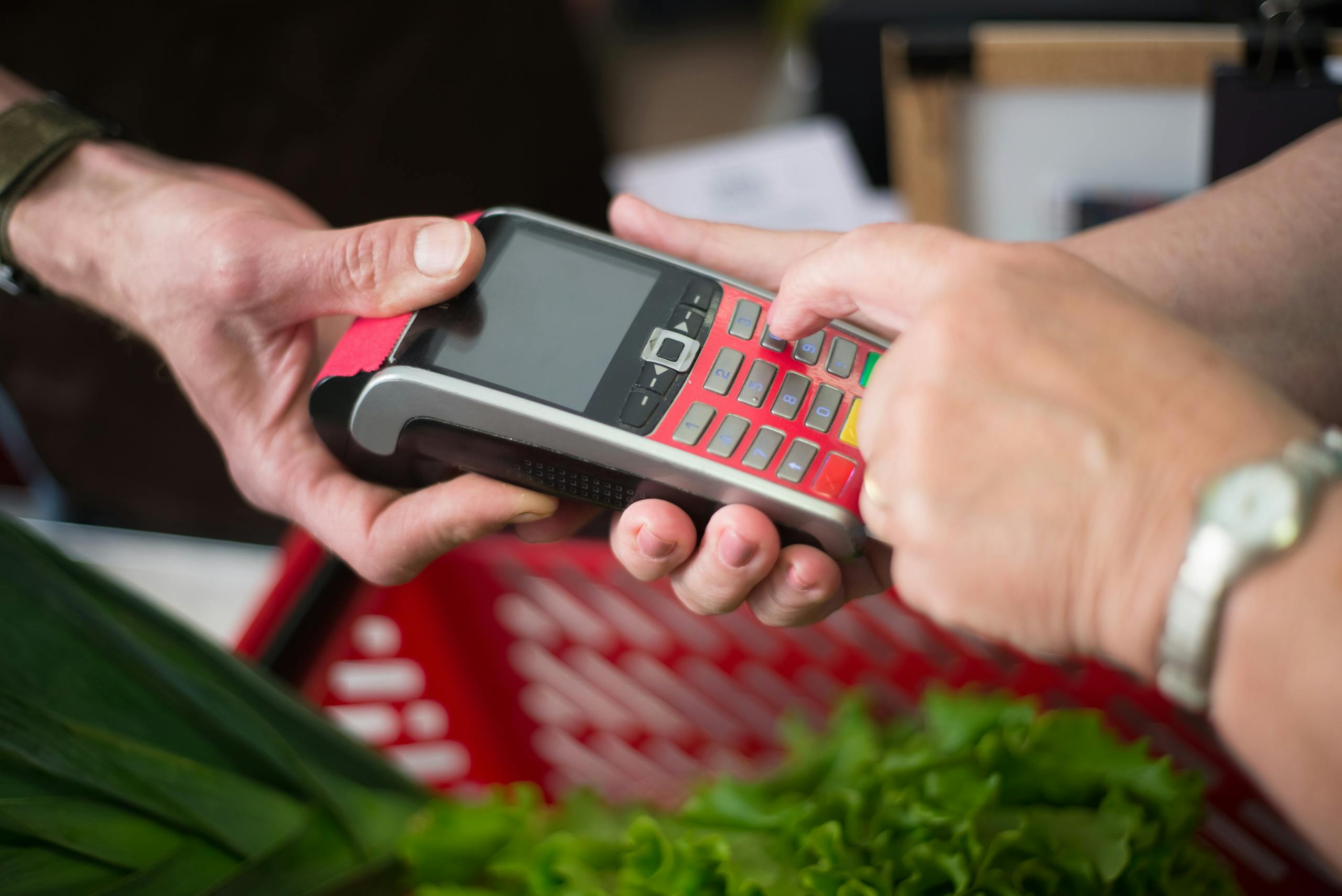
Few things irritate shoppers more than seeing one price on the shelf and another at checkout. It already happens with paper tags when sales expire, labels get misplaced, or discounts fail to scan. Digital price tags could reduce some of those mistakes if used properly, but they could also create a new kind of confusion if prices update too often or if store systems do not match perfectly.
The real problem is trust. Shoppers should not have to take photos of every shelf label just to protect themselves at checkout. They should not have to argue with a cashier over a price that changed, disappeared, or failed to match the register.
When grocery bills already feel painful, even a small mismatch can make people feel cheated. Digital pricing only works if the store proves that the price shoppers see is the price they can count on.
Digital Coupons Could Become Even More Annoying
Digital coupons already frustrate many shoppers because the deal often looks simple on the shelf but becomes complicated at the register. A customer may need a store account, a phone app, an internet connection, a loyalty card, a clipped digital offer, or a barcode scan to access the advertised price.
For tech savvy shoppers, that may feel normal. For seniors, low income shoppers, busy parents, or people who do not want another app tracking them, it can feel like punishment.
Digital price tags could make this worse if stores use them to push more app only deals and personalized offers. Imagine seeing a low price on the shelf, only to learn it applies only after downloading an app, joining a rewards program, or activating a digital coupon before checkout.
That kind of system turns grocery savings into homework. Americans do not want to solve a tech puzzle just to buy pasta sauce, laundry detergent, or orange juice at the advertised price.
Privacy Could Become Part Of The Grocery Bill
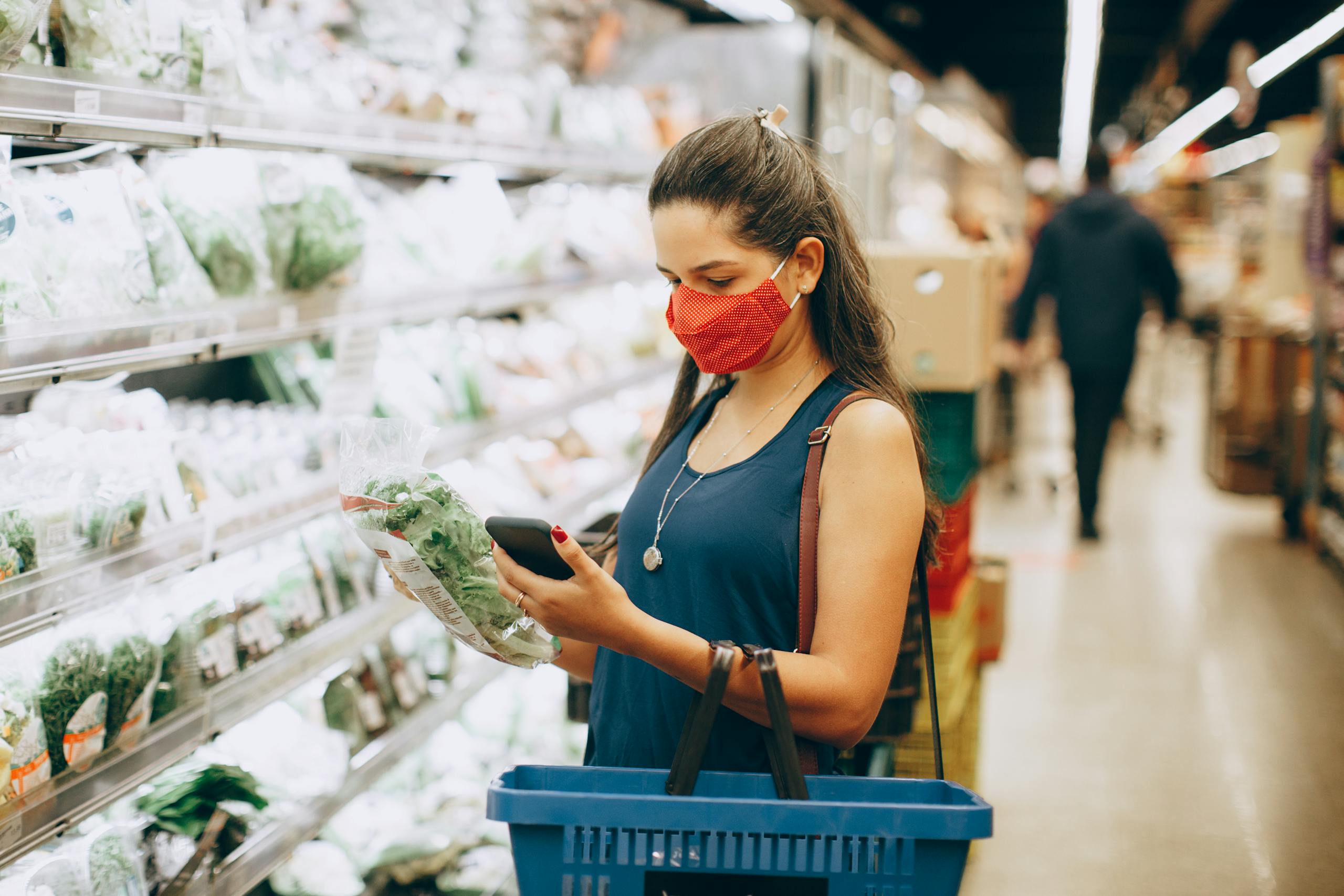
The darker concern is surveillance pricing. That means a company could use personal data to decide what price or offer a shopper sees. The data could come from loyalty cards, store apps, browsing habits, location signals, purchase history, or other digital clues.
In the worst version of this future, two people could shop for the same product and receive different prices because a system believes one person is willing to pay more.
That idea feels deeply unfair because grocery prices should not depend on how much a company knows about someone. A shopper buying baby formula, cold medicine, or cleaning supplies should not have to wonder whether their data profile is working against them.
Americans already feel watched online. Bringing that same feeling into the grocery aisle makes the shopping trip feel colder, creepier, and less honest.
Big Retailers Could Gain Even More Power Over Everyday Prices
Digital price tags may be sold as a store-efficiency tool, but they also increase the power of large retailers. A national chain can update thousands of prices across many locations much faster than smaller stores can manage with paper labels.
That kind of speed may help a giant retailer compete, but it could also make the grocery market feel more controlled by companies with the biggest systems, deepest data, and strongest pricing software.
Smaller grocers may feel pressure to adopt the same tools just to keep up. Once that happens, the entire shopping experience could shift from visible, stable pricing to a more automated environment where prices are easier to adjust behind the scenes.
For shoppers, that creates a familiar American frustration: technology arrives with promises of convenience, then somehow ordinary people end up with less control and more confusion.
Workers Could Face More Pressure, Not Less

Retailers often say digital price tags free workers from the boring task of changing paper labels by hand. That may be true in some stores. Employees could spend more time helping customers, stocking shelves, preparing online orders, or keeping aisles organized. But workers may also face new pressure if digital systems speed up expectations without improving pay, staffing, or conditions.
When pricing confusion happens, frontline workers are usually the ones who get blamed. A shopper angry about a mismatched price is unlikely to call corporate headquarters or the software vendor. They will ask the cashier, the floor associate, or the customer service desk.
Digital tags may save time in one part of the job, but they could create more tense conversations if shoppers believe prices are being changed too quickly or unfairly.
The Grocery Aisle Could Feel Less Human
The grocery store used to be one of the most ordinary places in American life. People compared prices, grabbed their usual brands, checked weekly deals, and moved through the aisles without feeling like they were being studied by a machine.
Digital price tags change that mood. Even if the screens are small, they remind shoppers that the store is becoming more automated, more data driven, and more connected to systems they cannot see.
That matters because grocery shopping is already stressful for millions of people. A family trying to stretch $100 across a week does not want to feel like a pricing experiment. A retiree on a fixed income does not want to fight with an app for a discount.
A parent shopping after work does not want to wonder whether a price changed because demand went up. When basic shopping starts to feel like a game the customer cannot win, resentment builds fast.
Digital price tags are not automatically evil, but Americans have every reason to question them. Retailers may see faster updates, lower labor costs, fewer paper labels, and cleaner pricing systems. Shoppers see something more personal: another screen between them and a fair grocery bill.
In an economy where people already feel nickel and dimed at every turn, even a small digital label can become a symbol of something much bigger.
The future of digital price tags will depend on trust. If stores use them to improve accuracy, make discounts clearer, and protect shoppers from checkout surprises, Americans may eventually accept them.
If they become a gateway to surge pricing, confusing digital coupons, surveillance based offers, or fast moving grocery bills, lawmakers and consumers will push back harder. At the end of the day, shoppers do not want fancy price tags. They want one clear price, one fair deal, and a checkout total that does not feel like a trap.