Alcohol rarely becomes a problem overnight. Instead, the body often whispers first, then raises its voice. A rough morning may seem normal after a night out. However, repeated symptoms can point to something deeper. If drinking keeps leaving physical, emotional, or social damage behind, your body may be asking for a change.
Many people notice the signs before they admit the pattern. First, sleep gets worse. Then, anxiety rises. After that, energy drops, stomach issues appear, and relationships feel strained. These warning signs do not mean someone has failed. Rather, they mean that the body is providing useful information before the damage worsens.
You Keep Waking Up Tired After Drinking
Alcohol can make people feel sleepy at first. However, it often disrupts deeper sleep later in the night. As a result, you may wake up tired, foggy, and restless. This can happen even after a full night in bed.
Over time, poor sleep affects mood, focus, appetite, and patience. Therefore, repeated exhaustion after drinking deserves attention. If alcohol keeps stealing your mornings, it may be costing more than one fun evening.
Your Anxiety Feels Worse the Next Day
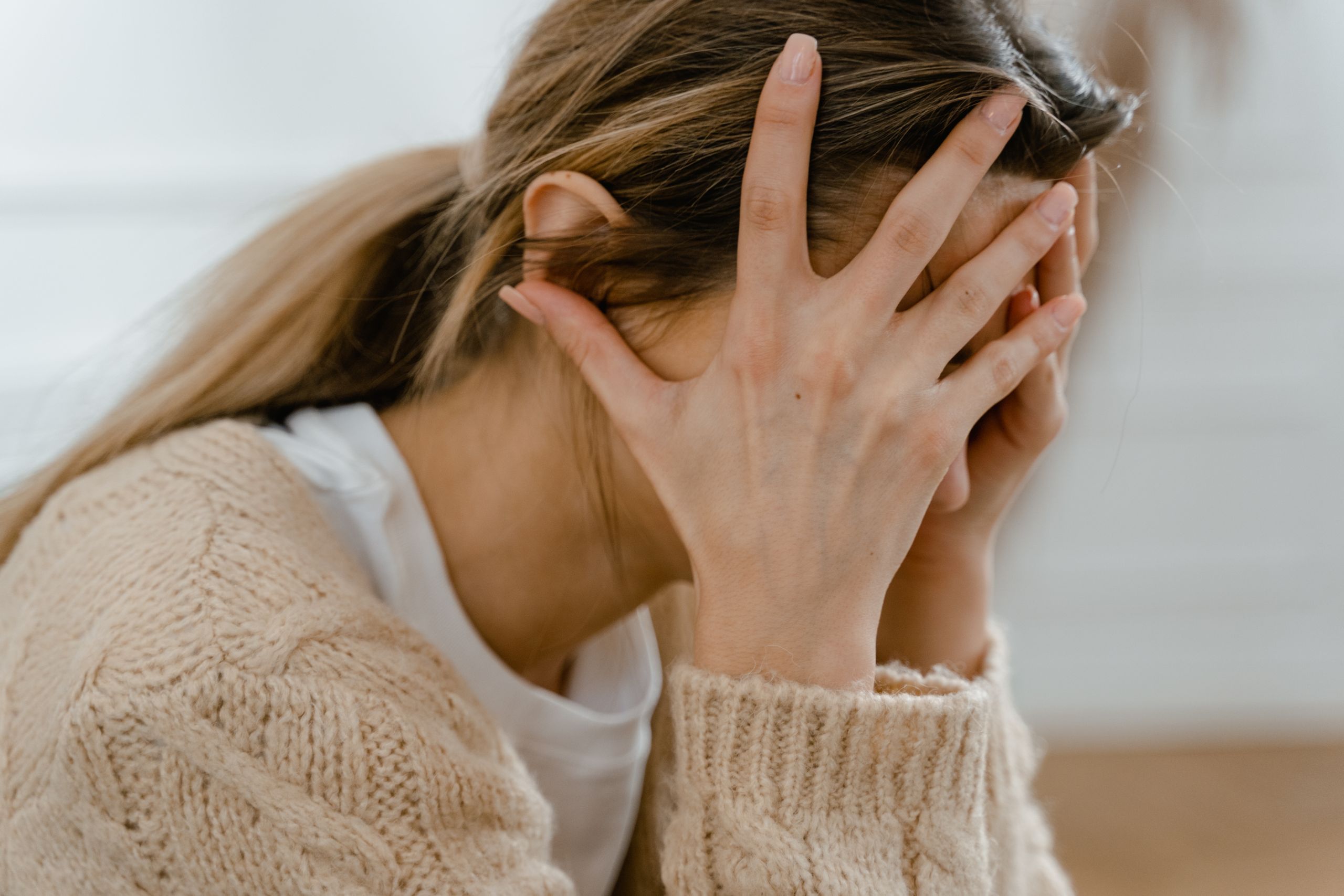
Some people drink to relax. Yet, alcohol can make anxiety feel sharper after it wears off. The next day may bring racing thoughts, regret, irritability, or sudden sadness.
This “hangxiety” can become a cycle. First, someone drinks to calm down. Then, anxiety returns stronger. Eventually, alcohol starts creating the feeling it once seemed to fix.
Your Stomach Keeps Rebelling
Frequent nausea, acid reflux, bloating, or diarrhea can be a warning sign. Alcohol can irritate the digestive system and trigger inflammation. Therefore, your stomach may start protesting before other organs do.
Many people ignore these symptoms because they seem minor. However, recurrent digestive discomfort can affect eating, energy levels, and daily confidence. If every drink comes with stomach trouble, the pattern matters.
Your Skin and Face Look Different
Alcohol can dehydrate the body and affect skin appearance. Consequently, some people notice puffiness, redness, dullness, or frequent breakouts. These changes may appear slowly, making them easy to dismiss.
Still, your face often reflects internal stress. If your skin looks tired after drinking, your body may be struggling to recover. A healthier glow often returns when alcohol intake drops.
You Need More Alcohol to Feel the Same Effect
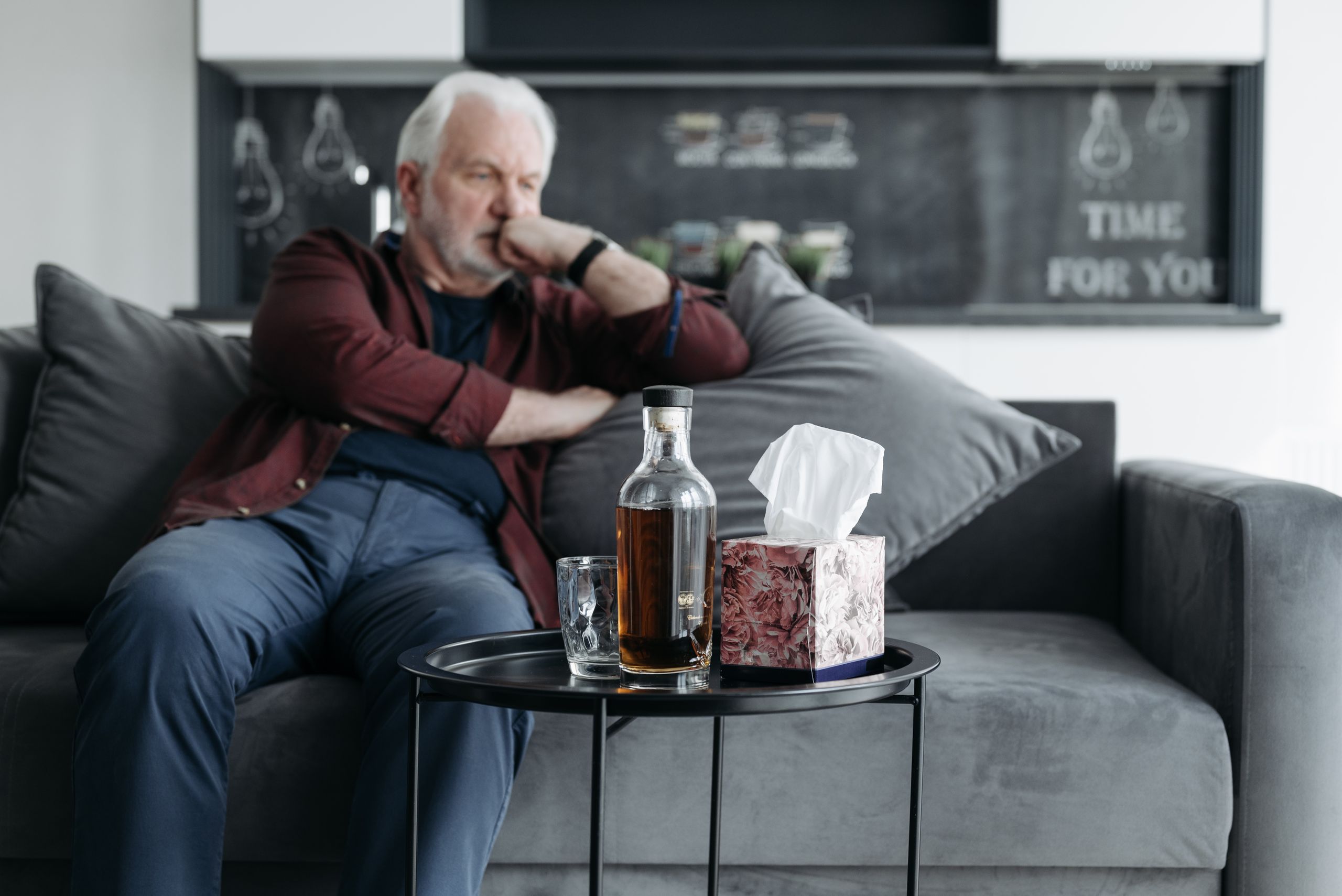
Tolerance is one of the clearest warning signs. At first, one or two drinks may feel enough. Later, the same amount barely registers. So, you pour more to chase the old effect.
This shift can quietly raise health risks. More alcohol means more strain on the liver, heart, brain, and sleep cycle. Therefore, growing tolerance should never be treated as a strength.
You Feel Shaky, Sweaty, or Sick Without It
Withdrawal symptoms are serious. Shaking, sweating, nausea, restlessness, a racing heart, or poor sleep can appear when alcohol leaves the body. These signs may mean your body has adapted to regular drinking.
This is the moment to be careful. People who drink heavily should not always quit suddenly without medical guidance. Withdrawal can become dangerous, especially with confusion, seizures, or hallucinations.
Your Blood Pressure or Heart Health Is Changing
Alcohol can affect blood pressure and heart health. Therefore, repeated heavy drinking may show up during routine checkups. A doctor may notice rising numbers before you feel obvious symptoms.
This warning sign can feel invisible. However, invisible does not mean harmless. If your health readings are changing, alcohol may be one factor worth examining.
Your Memory and Focus Are Slipping
Forgetting conversations, losing track of tasks, or feeling mentally slow can be a red flag. Alcohol affects brain communication and coordination. As a result, thinking may feel cloudy long after the drink is gone.
At first, this may seem like normal tiredness. Then, it can affect work, school, driving, and relationships. If drinking repeatedly leaves gaps in your memory, the risk has already moved beyond casual use.
Drinking Is Starting to Cost You Peace
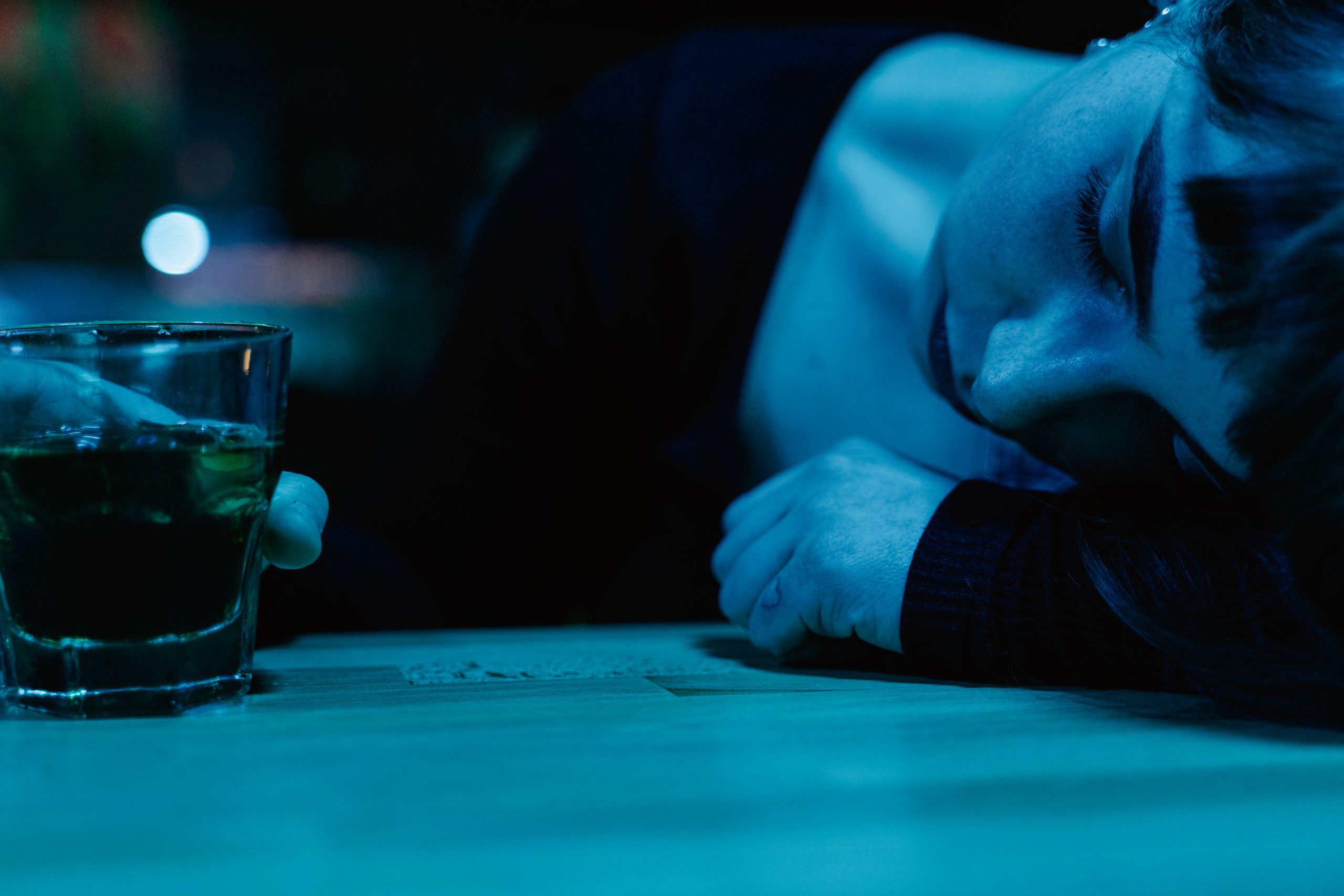
The biggest warning sign may not be physical. It may be emotional. If alcohol creates arguments, shame, missed plans, money stress, or broken promises, it has crossed into daily life.
This does not require a dramatic crisis. Sometimes, the clearest sign is quieter. You keep telling yourself you will drink less, yet the pattern continues. That moment deserves honesty, support, and action.