Making a will sounds simple until one missing signature, forgotten account, vague instruction, or outdated beneficiary form turns a family’s grief into a legal storm. We often think of a will as a final piece of paperwork, but it is really a map for the people we leave behind. When that map is unclear, missing, hidden, or legally weak, the people we love can end up guessing, arguing, paying unnecessary fees, and waiting months for answers.
The biggest will mistakes rarely come from bad intentions. They usually come from delay, assumptions, cheap shortcuts, family silence, and the belief that “everyone will know what I meant.” A strong will removes doubt. A weak one creates confusion at the worst possible time. If we want our final wishes to protect our loved ones rather than burden them, we need to avoid the mistakes that quietly destroy estate plans.
Believing a Will Is Only for Wealthy People
One of the most dangerous will mistakes is assuming we do not own enough to need one. A will is not only for mansions, stock portfolios, vacation homes, or families with generational wealth. It also covers personal belongings, bank accounts, vehicles, heirlooms, pets, sentimental items, guardianship wishes, and instructions that can prevent painful family disputes.
When we die without a will, the state’s intestacy laws decide who receives our property. That process may look fair on paper, but it may ignore unmarried partners, stepchildren, close friends, charities, caregivers, or relatives we actually wanted to protect. Even a modest estate can become messy when several people believe they deserve the same item, account, or keepsake. A simple, valid will gives our voice legal weight when we are no longer there to explain ourselves.
Using a Generic Online Template Without Understanding State Law
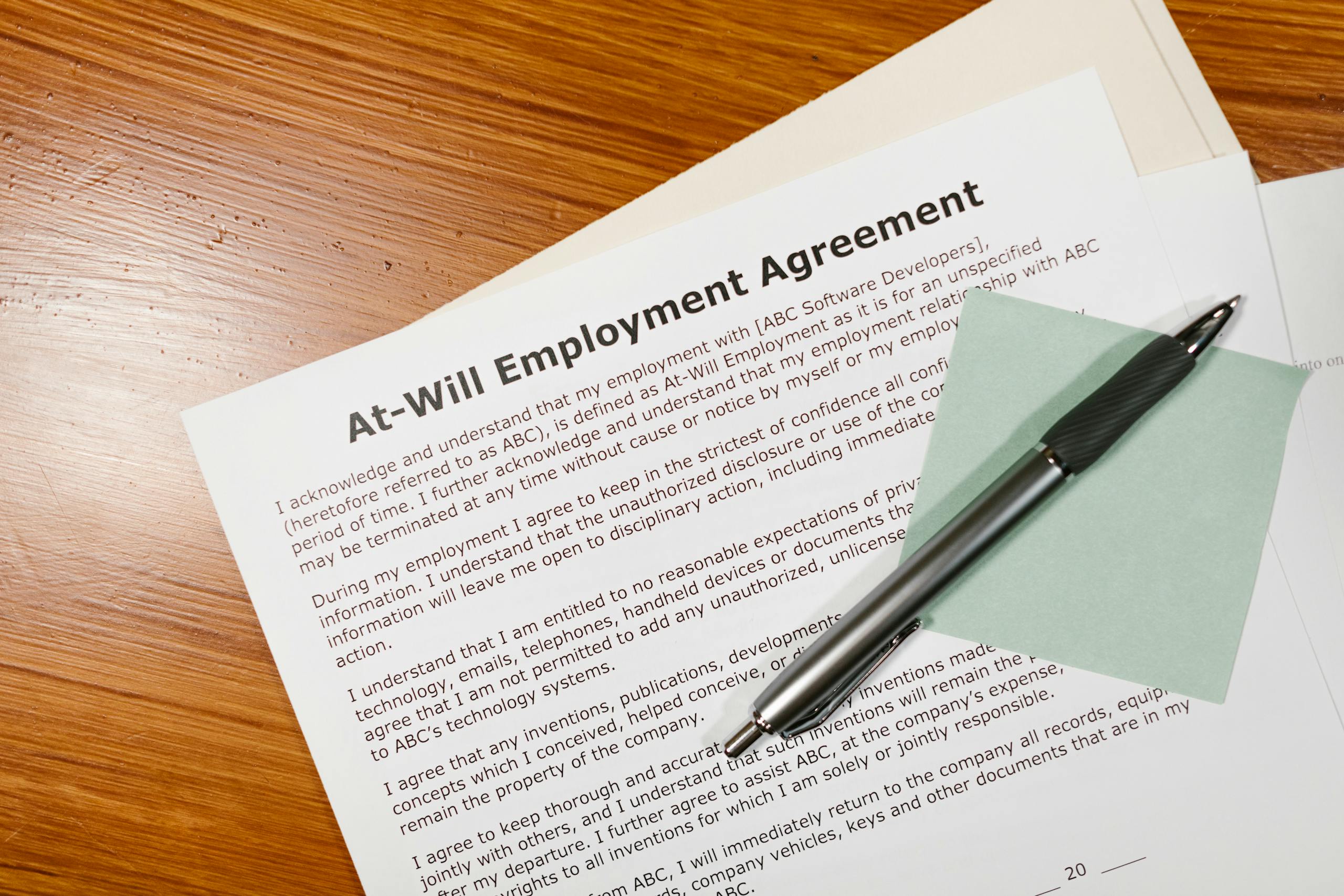
Online will templates can look convenient, especially when they promise quick results for a low price. The risk is that estate law is not one-size-fits-all. Each state can have its own rules about signatures, witnesses, notarization, self-proving affidavits, spousal rights, community property, guardianship language, and how certain assets pass after death.
A template may be better than doing nothing in a very simple situation, but it can also create a false sense of security. We may fill in blanks without realizing that a blended family, a minor child, a disabled beneficiary, a business interest, out-of-state property, or an outdated beneficiary form may require special planning. A cheap will becomes expensive when heirs must hire lawyers to interpret, defend, or fix it in probate court.
Forgetting the Signature and Witness Rules
A will is not just a written wish list. It must be properly executed. That usually means the person making the will must sign it, and competent witnesses must also sign it in the required way. If the signing process fails, the document may be challenged or rejected, even if the instructions inside are clear.
This is one of the cruelest will mistakes because it often surfaces after death, when no one can correct it. A family may find a typed document, handwritten note, or downloaded form that expresses real wishes, only to discover that it does not meet legal requirements. We should treat the signing ceremony as seriously as the document itself. The best-written will can be invalid if it is not properly signed and witnessed.
Naming the Wrong Executor

The executor carries the weight of the estate. This person may need to locate assets, file court papers, communicate with heirs, pay debts, handle taxes, protect property, sell assets, distribute inheritances, and keep records. Naming someone because they are the oldest child, the closest relative, or the most emotionally involved person can backfire.
A good executor should be honest, organized, calm, available, financially responsible, and willing to ask for professional help when needed. The wrong executor may delay the process, ignore instructions, hide information, favor certain relatives, or become overwhelmed. We should choose the person who can do the job, not simply the person who expects the title.
Leaving Minor Children Without Clear Guardianship Instructions
For parents, one of the most important reasons to create a will is to name a guardian for minor children. This decision should never be left to assumption. Family members may disagree about who should raise the children, where they should live, what values should guide them, or who should take on the responsibility.
A guardianship clause does not eliminate every court process, but it provides the court with strong evidence of the parents’ wishes. We should also think beyond love. A guardian should be stable, in good health, have a stable temperament, be in a suitable location, have financial sense, and have a parenting style suited to caring for children. Naming a guardian is not just about who loves the child. It is about who can raise the child well.
Giving Young Heirs Too Much Too Soon

Leaving money directly to young beneficiaries can create problems. A teenager or young adult may not be ready to manage a lump sum, especially after losing a parent or relative. Even responsible young people can face pressure from friends, partners, creditors, or poor timing. Money meant to protect them can disappear quickly without structure.
Trust provisions can help solve this problem. We can direct assets to be managed for a child’s education, housing, health care, and support until they reach a more suitable age. We can also stagger distributions, such as a portion at one age and the rest later. This approach protects young heirs from receiving too much responsibility before they are ready.
Forgetting That Beneficiary Forms Can Override a Will
A will does not control everything. Retirement accounts, life insurance policies, payable-on-death bank accounts, transfer-on-death brokerage accounts, and jointly owned property may pass outside the will. If the beneficiary form says one thing and the will says another, the beneficiary form often wins.
This mistake can produce shocking results. An ex-spouse may receive a retirement account. One child may receive an entire life insurance policy while the others receive nothing. A deceased beneficiary may still be listed, which can cause delays. We should review beneficiary designations whenever we create or update a will, especially after marriage, divorce, birth, death, estrangement, or major financial change.
Putting Life Insurance Proceeds Into the Estate by Mistake

Life insurance is often meant to provide fast financial support to loved ones. Naming individual beneficiaries directly can help the proceeds avoid probate. Naming the estate as beneficiary may pull the money into the probate process, where it can be exposed to estate expenses, creditor claims, delays, and administrative costs.
This does not mean the estate should never be named, because some complex plans may require it. It does mean we should understand the consequences before doing it. If the purpose of life insurance is to quickly support a spouse, child, dependent, or caregiver, beneficiary designations should be carefully reviewed with that goal in mind.
Ignoring Advance Directives and Powers of Attorney
A will works after death. It does not solve every crisis that can happen while we are alive. If we become seriously ill, injured, or unable to make decisions, loved ones may need legal authority to manage health care, finances, bills, property, and medical choices. Without the right documents, they may need court involvement at an already painful time.
A complete plan usually includes more than a will. We should consider durable financial power of attorney, health care power of attorney, living will, HIPAA authorization, and other state-specific documents. These tools help trusted people act on our behalf during incapacity, not just after death.
Leaving Digital Assets Out of the Estate Plan

Modern estates include more than houses and bank accounts. We may own digital photos, cloud storage, email accounts, social media pages, domain names, online businesses, cryptocurrency, payment apps, loyalty points, subscription accounts, digital wallets, and password-protected files. If no one knows these assets exist or has the legal authority to access them, they can be lost, frozen, or exploited.
A digital estate plan should list important accounts, explain what should happen to them, and give the executor legal authority where allowed. We should not place passwords in a will, as a probated will can become part of the public record. A password manager, secure digital vault, or sealed instruction letter may be a safer option when paired with proper legal guidance.
Conclusion
A will is more than a legal form. It is the last act of organization we leave behind. Done well, it gives loved ones clarity when they are grieving, protects sentimental items from becoming family battlegrounds, and keeps assets moving in the direction we intended. Done carelessly, it can create the very chaos we hoped to prevent.
The most expensive will mistakes are often the easiest to avoid. We need a valid document, the right executor, updated beneficiaries, clear personal property instructions, accessible records, digital asset planning, and health care documents that work while we are still alive. A strong estate plan does not remove grief, but it can remove confusion. That alone can be one of the most generous gifts we leave behind.