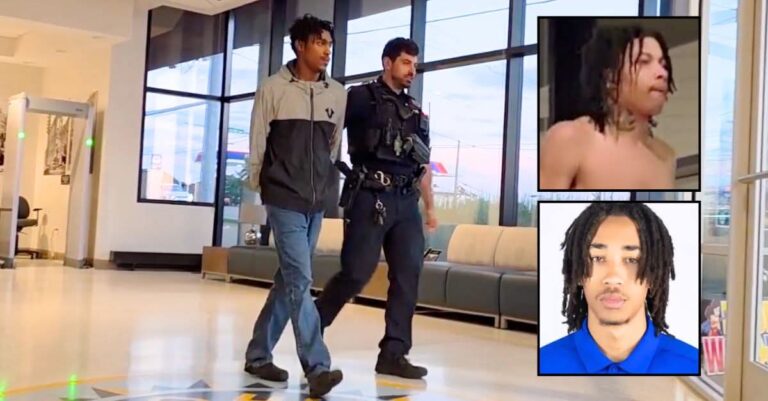
College is supposed to feel like a launchpad, not a crime scene. We send young people into dorms, apartments, fraternity houses, libraries, campus walkways, and late-night study sessions, hoping they are stepping into independence, friendship, and a future that still has room to surprise them.
That is why college crimes feel different. They not only break families. They shake campuses, expose weak safety systems, and turn familiar places into national symbols of grief. A dorm room becomes a headline. A walk home becomes a warning. A college town becomes a place parents suddenly search online with fear in their stomachs.
The most shocking college crimes in America reveal a painful truth. Danger does not always arrive from a stranger hiding in the dark. Sometimes it comes from a roommate, a classmate, an ex-partner, a party culture that ignores obvious risk, or a system that misses warning signs until it is too late.
Why College Crimes Hit the Public So Hard
College communities are built on trust. Students share rooms, attend crowded events, live near strangers, walk home late, and often rely on school systems to protect them before they fully understand the risks around them. When a violent crime happens near a campus, the fear spreads fast because the setting feels painfully ordinary.
We also pay attention because these victims are often at the beginning of adulthood. They are students with majors, plans, friendships, family group chats, graduation dreams, and ordinary routines that should never have become evidence in a criminal case.
Their stories remind us that campus safety is not just about locked doors and emergency alerts. It is about accountability, prevention, honest reporting, and a culture that takes danger seriously before tragedy forces everyone to listen.
Campbellsville University Dorm Death
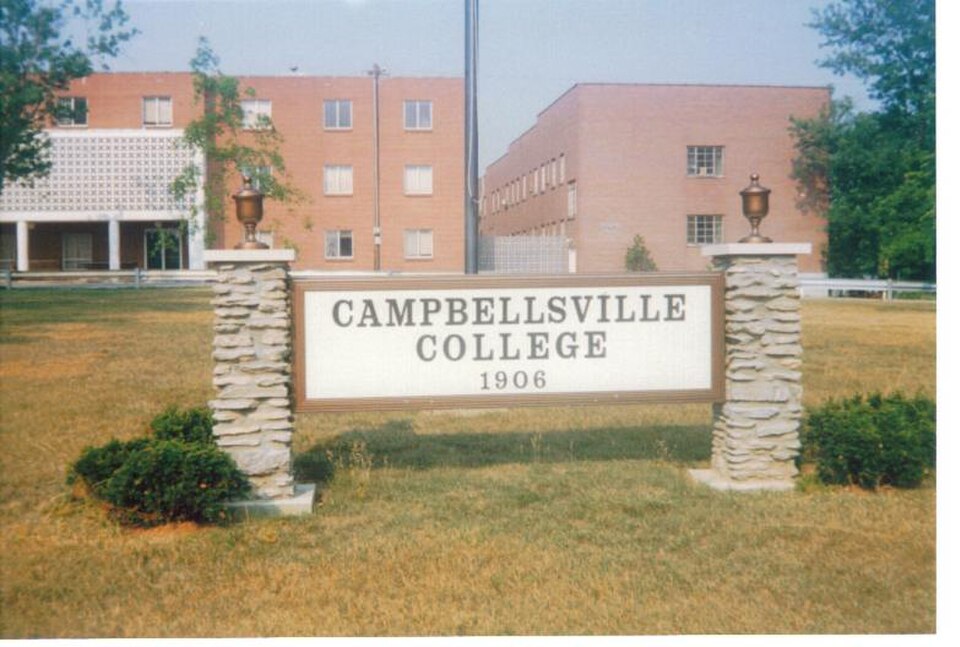
The death of Josiah Malachi Kilman at Campbellsville University stunned the Kentucky campus because it happened in the place students usually trust most. Kilman, an eighteen-year-old freshman and wrestler, was found unresponsive in his dorm room in February 2024 and later died after being taken to a hospital.
Authorities said he died from manual strangulation, turning what first looked like a medical emergency into a murder investigation. A fellow student and wrestling teammate, Charles E. Escalera, was arrested the same day after police said he was found hiding on a farm.
He has pleaded not guilty to charges that include murder, and his trial has been scheduled for July 2026. We include this case because it highlights one of the most frightening realities of campus life: danger can exist inside the same student community where young people train, study, eat, and sleep.
University of Idaho Murders
Few college crime cases in modern America have haunted the public like the University of Idaho murders. In November 2022, Ethan Chapin, Madison Mogen, Kaylee Goncalves, and Xana Kernodle were stabbed to death inside an off-campus rental home in Moscow, Idaho. Two surviving roommates were inside the house, and the violence turned a quiet college town into the center of a national investigation.
Bryan Kohberger, a former criminology Ph.D. student, was arrested weeks later and eventually pleaded guilty in 2025. He received four consecutive life sentences without parole, plus additional time for burglary.
The case became deeply unsettling because it combined a familiar student setting with extreme violence, digital evidence, DNA evidence, unanswered motive questions, and a public hunger for justice that a plea deal could not fully satisfy.
University of West Georgia Incoming Student Anna Jones

Anna Jones was only eighteen and preparing to begin her life at the University of West Georgia when she was killed in August 2022. Authorities said former professor Richard Sigman had been involved in a dispute at a restaurant before he went into a parking deck and fired into a vehicle, striking Jones. The horror of the case rests in its randomness. She was not part of the dispute that reportedly sparked the violence.
Sigman later pleaded guilty to murder and other charges and received a life sentence with the possibility of parole. This case belongs in any serious discussion of college crimes because it shows how campus-connected tragedies can begin just beyond classroom walls. For students and families, the lesson is brutal: safety planning cannot stop at the edge of campus property.
University of Vermont Murder Suicide
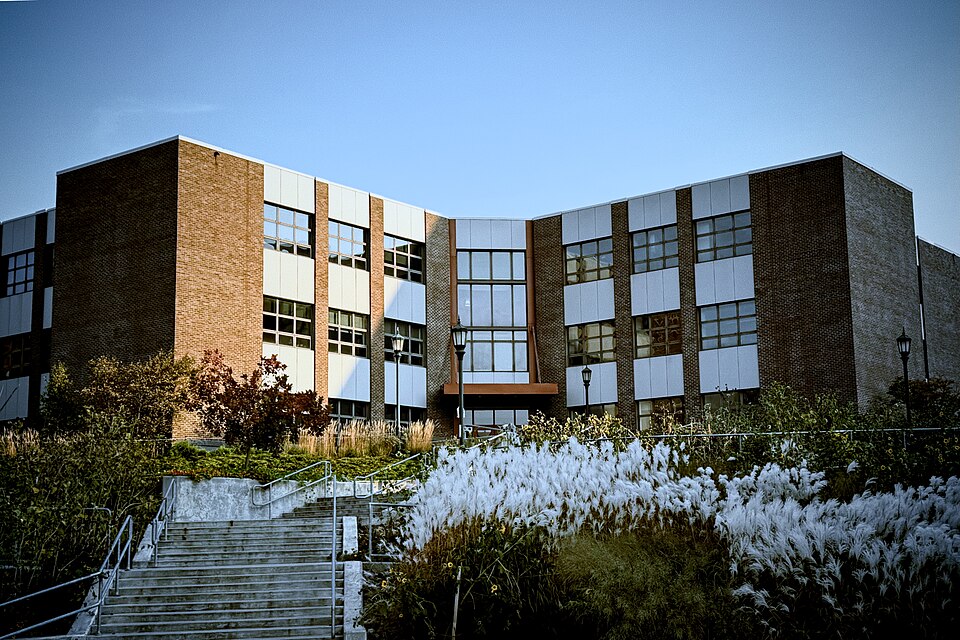
Kayla Noonan, a rising senior at the University of Vermont, was killed in Burlington in July 2022 in a case police later described as connected to domestic violence. Authorities said Mikal Dixon entered an apartment through a broken window with a short-barreled rifle, shot Noonan, injured another woman, and then killed himself.
The violence unfolded off campus, but its impact reached the university community immediately. This case matters because many college safety conversations focus on strangers, yet relationship violence remains one of the most dangerous threats facing young adults.
It can follow students from social circles into apartments, dorms, parking lots, and shared spaces. We cannot talk about campus safety honestly without talking about stalking, coercion, warning signs, and how quickly private conflict can become public tragedy.
Ole Miss Student Jay Lee’s Disappearance
Jimmie Jay Lee, a University of Mississippi student, disappeared in July 2022. Prosecutors alleged that Sheldon Timothy Herrington Jr., another Ole Miss student, killed Lee to hide a relationship between them. For years, the case carried the agony of uncertainty because Lee’s body had not been found, and an earlier trial ended without a conviction.
In 2025, Lee’s remains were discovered in a dumping ground, and Herrington later pleaded guilty to second-degree murder and tampering with evidence. He was sentenced to forty years in prison. Lee’s case is especially painful because it blends disappearance, secrecy, identity, fear, and delayed closure. It also reminds us that justice can move slowly even when a campus community is desperate for answers.
Anita Knutson’s Cold Case in North Dakota
Anita Knutson was eighteen when she was found stabbed to death in her off-campus apartment near Minot State University in 2007. Her case went unsolved for fifteen years, leaving her family and community trapped between grief and unanswered questions. In 2022, her former roommate, Nichole Rice, was charged with murder after investigators revisited the case.
Rice was acquitted in 2025 after trial. That outcome makes the case even more complicated, as it underscores the emotional weight of cold-case prosecutions. Families want answers, investigators work with aging evidence, and juries must decide whether the state has met the burden of proof.
Knutson’s story remains one of the most haunting college crime cases because legal closure did not erase the mystery around her death.
Lincoln University Dorm Stabbing
In February 2022, three Lincoln University students were stabbed during a fight in a dormitory, and twenty-one-year-old Jawine Evans died at the scene. Two other students survived their injuries. Nydira Smith, the sister of one student involved in the fight, was later convicted of involuntary manslaughter and other offenses and sentenced to three to six years in prison.
The case shows how fast a campus conflict can escalate when outsiders, weapons, and group confrontation enter student housing. Lincoln University faced another wave of tragedy in October 2025 when a homecoming shooting killed one person and injured several others.
Together, these incidents raise hard questions about event security, residence hall access, crowd management, and how schools prepare for violence that may involve people who are not enrolled students.
Gallaudet University Dorm Murders
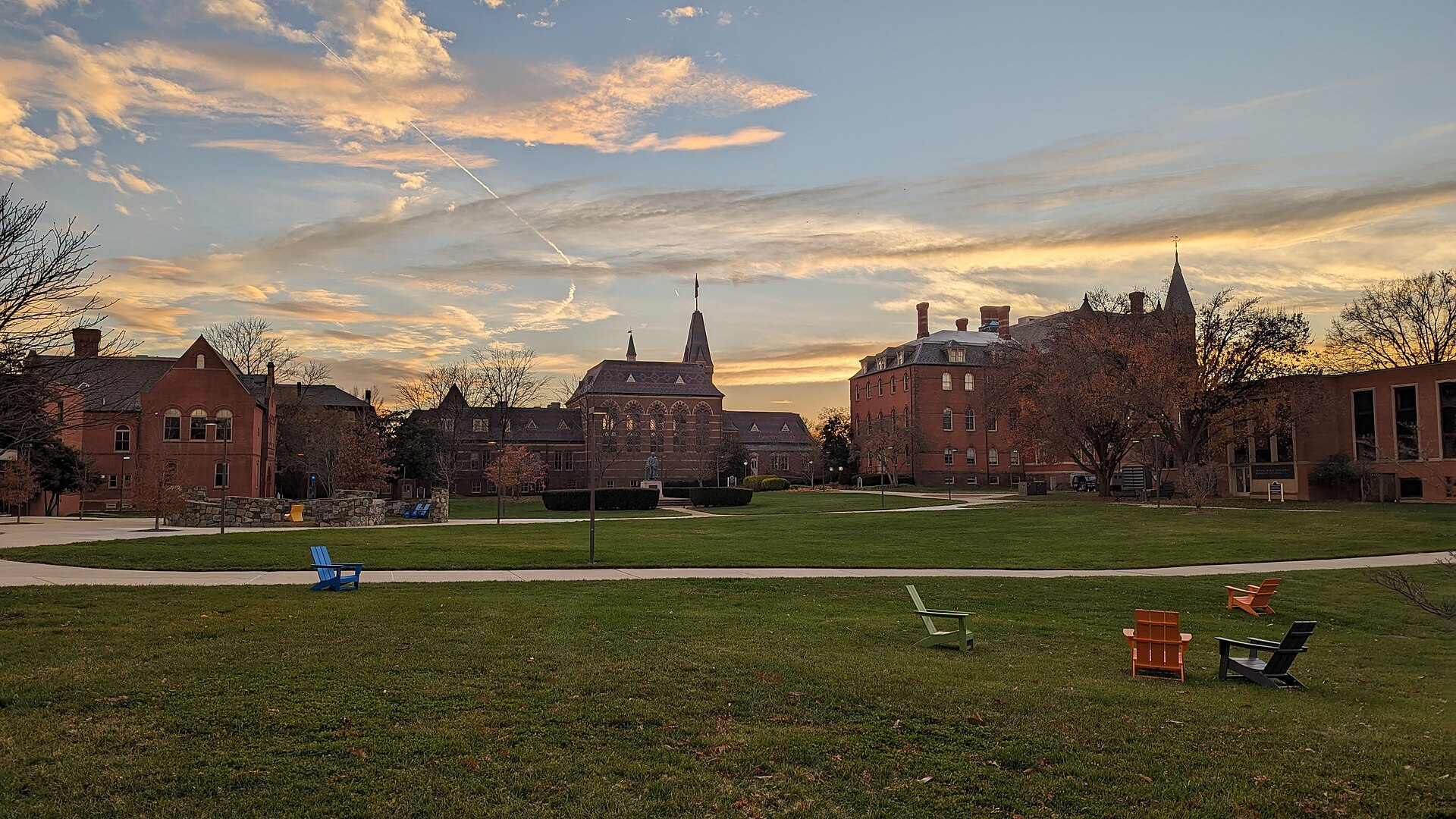
The murders of Eric Plunkett and Benjamin Varner at Gallaudet University shook a campus designed for deaf and hard-of-hearing students. Plunkett was killed in his dorm room in September 2000, and Varner was killed months later in the same dormitory. Both victims were nineteen.
The fear intensified because two young men were killed in the same residential setting where students were supposed to feel secure. Former student Joseph M. Mesa Jr. was sentenced to life in prison without parole for the murders.
This case stands out because it shattered trust inside a specialized campus community where students often rely on shared identity, access systems, and close social networks. When violence repeats in the same building, it does more than frighten students. It makes everyone question what warnings were missed between the first tragedy and the second.
Barnard College Student Tessa Majors
Tessa Majors was an eighteen-year-old Barnard College student when she was fatally stabbed during a robbery in New York City’s Morningside Park in December 2019. The case drew national attention not only because of the brutality of the attack, but also because the assailants were minors.
Two teenage boys pleaded guilty in connection with the murder, and a third boy was sentenced through the juvenile system. Majors’ case devastated students across Barnard and Columbia because Morningside Park was woven into daily life around campus. It was not an unknown alley or distant danger zone.
It was a familiar public space near the school. The case reminds us that campus safety includes the streets, parks, subway stops, and neighborhoods students use every day.
The Gainesville Ripper Murders That Inspired Scream
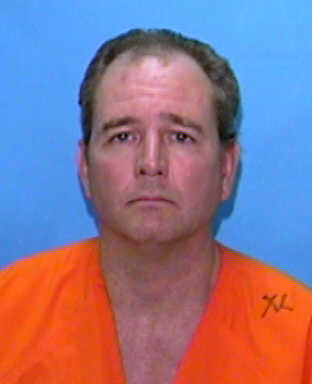
In August 1990, Gainesville, Florida, became the center of a terrifying serial murder case that targeted students near the University of Florida. Danny Rolling, later known as the Gainesville Ripper, murdered five students: Sonja Larson, Christina Powell, Christa Hoyt, Tracy Paules, and Manny Taboada.
The brutality of the killings frightened an entire college town and changed how students thought about apartments, locks, roommates, and nighttime safety.
Rolling was convicted and sentenced to death, then executed in 2006. The case later became part of popular culture because it helped inspire the horror film Scream, but the real story was never meant to be entertainment.
It was a nightmare for families, students, and the city that suddenly saw ordinary student housing as vulnerable. We remember it here because it remains one of the most infamous examples of how a college community can be psychologically transformed by violent crime.
Conclusion
The most shocking college crimes in America are not just stories about violence. They are stories about trust, access, youth, responsibility, and the painful distance between what a campus promises and what can happen when danger slips through the cracks.
Each case leaves behind more than a headline. It leaves behind families who must live with absence, classmates who carry trauma, and institutions forced to answer questions they should have asked sooner.
We should remember these students by refusing to reduce them to crime lists. Their names matter. Their futures mattered. Their stories should push colleges, parents, students, police departments, and communities to take safety seriously before another dorm, apartment, party, walkway, or college town becomes the next national warning.