A woman leaves Target after sunset and goes through the little routine so many women know all too well. She grips her keys between her fingers, checks the back seat before getting in, locks the door fast, and only relaxes after the car starts moving.
Another woman sends her best friend the name, photo, and location of a man she is meeting for dinner. Someone else pretends to be on the phone while walking through a parking garage because the footsteps behind her feel a little too close.
That is why true crime hits differently for many women. It is not just entertainment. It is fear with a storyline, danger with a timeline, and suspicion with receipts. The genre can be disturbing, but it also explains the kind of risks women have been quietly trained to think about since childhood.
True crime pulls women in because it turns the scariest “what if” questions into stories they can study from the safety of home.
It Turns Everyday Fear Into Something Women Can Understand

Many women carry a quiet fear that is hard to explain without sounding dramatic. They know which gas station feels safer, which sidewalk looks too empty, and which stranger’s tone suddenly changes the mood. True crime gives that fear a shape.
It takes the blurry anxiety many women feel in daily life and turns it into a case with names, clues, motives, and warning signs.
That structure can feel strangely calming. A random fear becomes easier to handle when it has a beginning, middle, and end. Women are often told to “be careful,” but that advice is usually vague. True crime feels more specific because it shows how danger can begin, escalate, and what people missed before things went wrong.
It Feels Like Survival Training Disguised as Entertainment
Many women do not watch true crime shows only because they enjoy mystery. They watch it with a mental checklist running in the background. They notice how the victim was approached, how trust was built, how manipulation started, and which red flags seemed small at first. The story becomes more than a case. It becomes a lesson.
Of course, true crime is not a perfect safety manual. It can exaggerate danger and make the world feel darker than it really is. Still, many women use it as emotional preparation. They are not watching because they enjoy suffering. They are watching to recognize danger before it gets close.
It Makes Women Feel Less Alone in Their Suspicion
Every woman has had a moment where something felt wrong, even if she could not prove it. A man stood too close. A date ignored a boundary. A coworker’s “joke” felt more like a warning. A neighbor seemed friendly in public but unsettling in private. Saying that out loud can make a woman feel paranoid, especially when others brush it off.
True crime often validates that gut feeling. It shows that danger does not always arrive wearing a villain’s costume. Sometimes it looks polite, charming, successful, helpful, or completely ordinary. That is one reason women keep watching. The genre tells them that instinct matters, even when the rest of the room refuses to listen.
It Reveals How Charm Can Hide Something Rotten
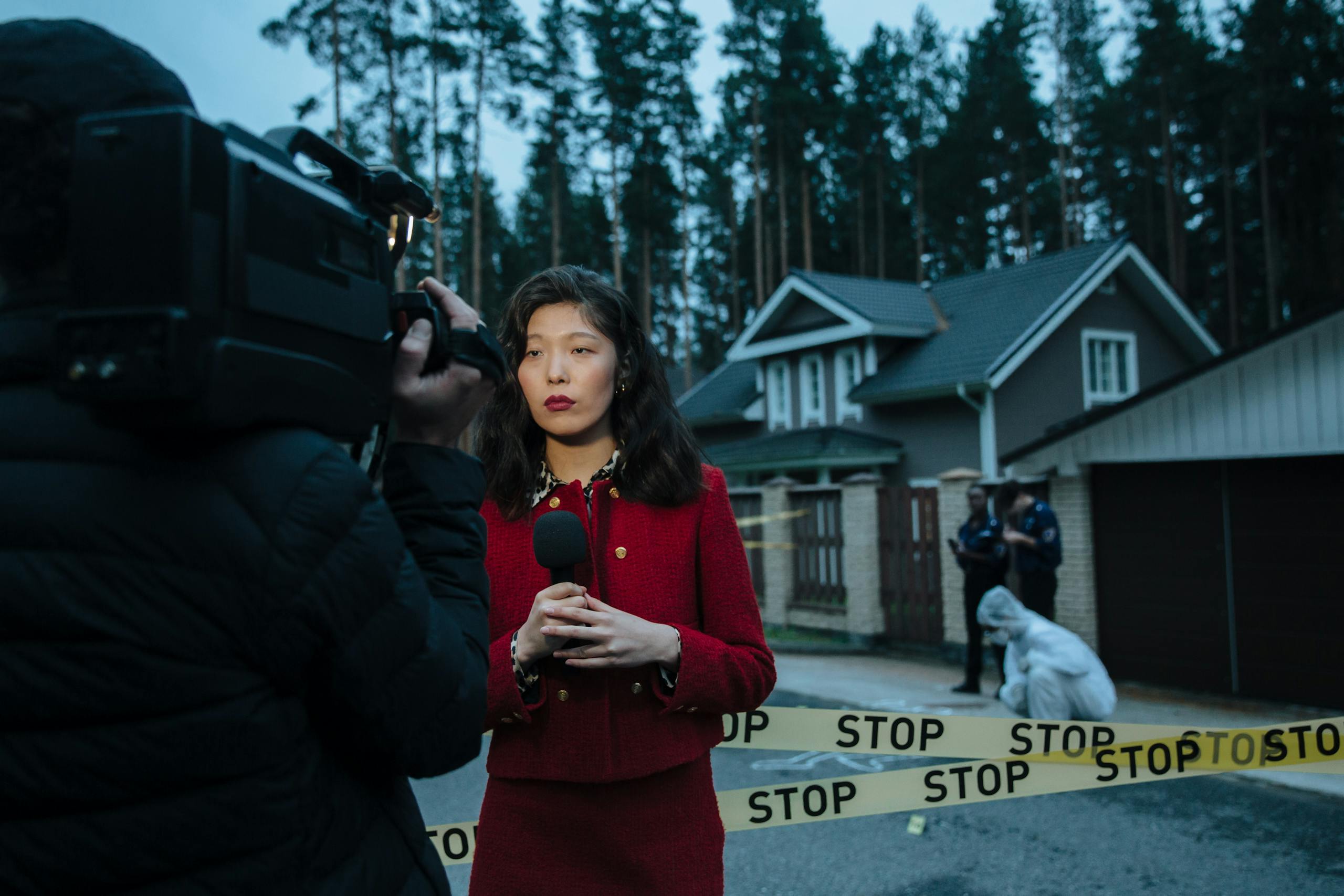
Some of the most unsettling true crime stories involve people who looked perfectly normal from the outside. They had jobs, families, homes, friends, and clean public images. They smiled in photos. They made small talk. They seemed harmless enough to be trusted. That contrast is what makes the stories so gripping.
For women, that part can feel especially chilling. Many are taught to be polite, forgiving, and patient, even when someone makes them uncomfortable. True crime exposes how dangerous that social pressure can be. It reminds readers that charm is not character, and a good reputation does not always mean a good person.
It Gives Names to Red Flags Women Already Recognize
Words like gaslighting, coercive control, stalking, grooming, love bombing, and escalation have become more common because true crime keeps pulling hidden patterns into public view. Many women may have experienced those behaviors before they had the language to describe them. They simply knew something felt wrong.
That language is powerful. Once a pattern has a name, it becomes easier to explain and harder to ignore. True crime often shows that danger does not always start with violence. Sometimes it starts with jealousy, isolation, constant checking, pressure, guilt, or a partner who calls control “love.” For many women, those stories connect dots they have seen in real life.
It Turns the Group Chat Into a Detective Room
True crime rarely stays on the screen. One woman watches a documentary, then texts her sister. A podcast episode becomes a lunch break debate. A shocking case turns into a group chat full of theories, screenshots, and “I knew something was off” messages. The genre becomes social because the fear feels familiar and the mystery feels personal.
That community is part of the pull. Women are not just discussing crimes. They are testing instincts together. They are asking what they would have noticed, what they would have done, and why certain people were ignored. It becomes a strange mix of bonding, warning, and emotional processing.
It Lets Women Face Darkness From a Safe Place
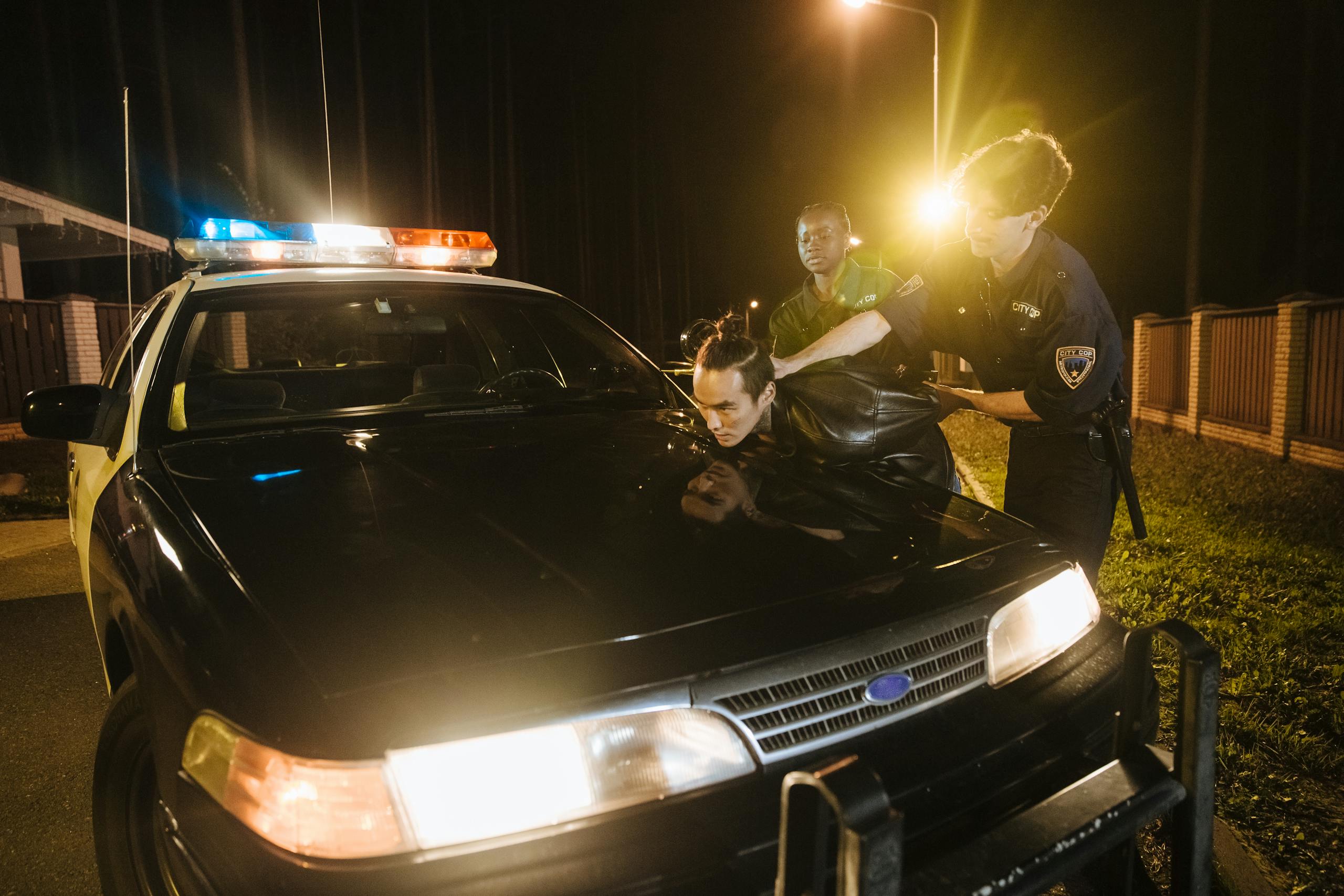
There is something oddly controlled about true crime. The story may be terrifying, but the viewer is safe on the couch, in the kitchen, or in the car with the doors locked. The episode can be paused. The lights can be turned on. The phone can be put down. The danger is close enough to study but far enough away to survive emotionally.
That distance matters. True crime allows women to look directly at frightening realities without being trapped inside them. It offers fear in a container. That is why it can feel both disturbing and comforting at the same time. The viewer feels shaken, but also informed.
It Mirrors the Safety Math Women Do Every Day
Many women calculate risk automatically. They choose where to park based on lighting. They avoid headphones in certain places. They send locations before dates. They watch drinks at parties. They look over their shoulders without even thinking about it. These habits can become so normal that they barely feel like habits anymore.
True crime speaks directly to that hidden safety math. The cases are extreme, but the settings are often ordinary. A college dorm. A quiet neighborhood. A hiking trail. A dating app. A family home. A workplace.
The familiarity makes the stories harder to ignore because they do not feel completely distant. They feel like something that could begin in a place everyone recognizes.
It Exposes How Often Victims Are Dismissed
One of the darkest parts of true crime is how often victims are ignored before the worst happens. A woman reports stalking and gets told there is not enough evidence. A family begs for help, only to be dismissed. A victim’s behavior is judged more harshly than that of the person who harmed her. Warning signs appear, but no one connects them until it is too late.
That failure makes many women angry, and that anger keeps them watching. True crime is not always about the criminal. Sometimes it is about the system that moved too slowly, listened too late, or cared too little. For women who have ever felt dismissed, those stories hit with extra force.
It Gives Women a Sense of Control Over Chaos

True crime cannot undo tragedy. It cannot make every street safe or every person honest. But it can give women a sense of control, even if that control is emotional. They can study the warning signs. They can understand the timeline. They can question the motive. They can imagine what they would do differently.
That is the complicated heart of the obsession. True crime feeds fear, but it also organizes it. It shows the darkness, but it also gives viewers a flashlight. Women keep watching because the genre helps them make sense of a world that often asks them to stay alert without ever admitting how exhausting that alertness can be.
Conclusion
Women do not keep watching true crime because they love violence. Many keep watching because the genre speaks to fears they already carry. It turns whispered warnings, gut feelings, bad dates, parking lot anxiety, and ignored red flags into stories with meaning. It makes private fear feel public, shared, and easier to name.
The genre is at its best when it respects victims, avoids glorifying killers, and treats real pain with care. When handled well, true crime becomes more than a guilty pleasure. It becomes a dark classroom, a warning signal, and a mirror for the survival instincts many women learned long before they ever pressed play.