Laws shape how we live, guiding our behavior from the mundane to the extraordinary. While most of us strive to follow the law, certain actions in our daily routines might break it without us even realizing it. Whether it’s a harmless habit or a widely accepted practice, some common behaviors can lead to unexpected legal consequences. In this article, we explore 12 everyday activities that you might be unknowingly breaking the law with and why these actions are considered illegal.
Feeding Pigeons

It might seem harmless to feed pigeons in the park, but did you know that in several cities, feeding pigeons is prohibited? Cities like San Francisco, Las Vegas, and even parts of New York have ordinances banning the feeding of pigeons. The reason? Public health concerns and the risk of attracting large pigeon populations, which can damage property and create sanitation problems.
Why It’s Illegal
Pigeons are known to carry diseases, and their droppings can damage infrastructure, including historic buildings, statues, and vehicles. As a result, these municipalities impose fines on those who feed pigeons.
Collecting Rainwater
In many states, collecting rainwater from your roof or property is heavily regulated. While it may sound surprising, places like Colorado, Utah, and parts of Nevada regulate rainwater harvesting. This is because rainwater is considered a natural resource that belongs to the watershed and can’t be diverted without a permit. Large rain barrels and water storage tanks are especially subject to regulation.
Why It’s Illegal
Water rights in certain states are closely controlled to preserve local ecosystems and ensure that every drop of rain is allocated properly. In states with limited water resources, rainwater harvesting can interfere with water management systems.
Sharing Streaming Accounts

In the digital age, sharing a Netflix, Hulu, or other streaming account has become common. While it might feel harmless, account sharing can be deemed illegal in several jurisdictions. Legally, using someone else’s password without their consent may fall under “unauthorized access,” which some states classify as a form of theft. Even when you share your own account, platforms have tightened their terms of service, making account sharing without permission a violation of their user agreements.
Why It’s Illegal
Streaming services like Netflix, Amazon Prime, and Hulu have strict terms that prohibit account sharing, as it bypasses their payment model. Some regions even consider this a form of “theft of services” because others benefit from the service without paying.
Driving Barefoot
While driving barefoot isn’t explicitly illegal in most states, it can lead to reckless driving charges if your actions cause an accident or if your lack of proper footwear is deemed a safety risk. In some states, if your bare feet slip off the pedals, you may face fines or penalties.
Why It’s Illegal
Driving barefoot can impair control over the vehicle, especially in emergencies. A lack of adequate footwear may increase the risk of accidents, which could lead to legal consequences, even though the practice itself isn’t universally banned.
Throwing Batteries in the Regular Trash
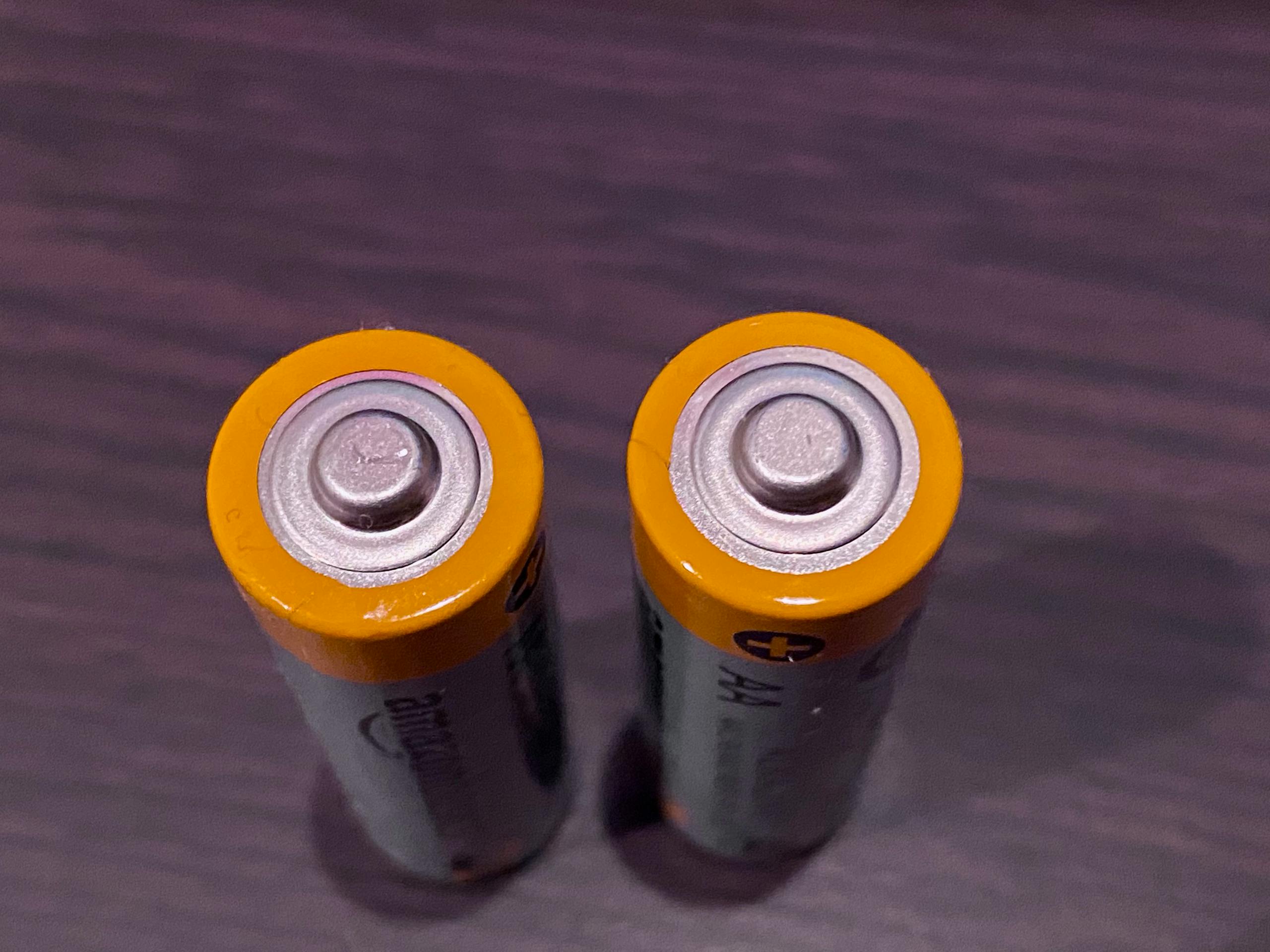
Batteries, particularly those containing toxic materials like mercury and cadmium, are classified as hazardous waste in many parts of the United States. Disposing of them in regular trash violates environmental regulations in states like California, New York, and Minnesota. Batteries can contaminate soil and groundwater when not disposed of properly.
Why It’s Illegal
The toxic chemicals in batteries can leach into the environment, causing long-term damage. Many states have laws that mandate battery recycling to mitigate these risks.
Using Public Wi-Fi Without Permission

It’s tempting to log into a nearby café’s Wi-Fi to save your data, but doing so without permission may be illegal. Unauthorized access to someone else’s Wi-Fi, even if it’s unprotected, is considered a crime in some states. If you don’t have explicit consent, you may be subject to fines or legal action for “unauthorized network access.”
Why It’s Illegal
Unauthorized access to a network is considered hacking under certain laws, and accessing someone’s Wi-Fi without permission can lead to charges of identity theft or fraud if the network is used for malicious purposes.
Carrying Spray Paint or Large Markers in Certain Areas
In cities with high levels of graffiti, carrying spray paint, markers, or other potential tools for vandalism may be illegal. In places like New York, Los Angeles, and Chicago, laws restrict minors (and sometimes adults) from carrying these items in public unless they have a legitimate reason.
Why It’s Illegal
The intent behind the law is to prevent graffiti and reduce vandalism in urban areas. Carrying tools that can be used for graffiti is seen as a preventive measure to reduce these crimes.
Driving with Objects Hanging from Your Rearview Mirror
From air fresheners to graduation tassels, objects hanging from your car’s rearview mirror can block your view of the road, and in states like Minnesota, California, and New York, this is considered a violation of traffic laws.
Why It’s Illegal
Objects hanging from your rearview mirror can obstruct your view, creating a dangerous driving environment. To prevent accidents, traffic laws prohibit any obstruction that could impair your ability to drive safely.
Selling Used Mattresses Without Proper Labels

Selling a used mattress is not as simple as putting it up for sale. States like Connecticut, California, and Texas have strict regulations about how used mattresses should be cleaned, sanitized, and labeled. Failure to follow these guidelines could result in fines.
Why It’s Illegal
Used mattresses may contain allergens, bed bugs, or bacteria, posing a health risk. Regulations ensure that mattresses are properly cleaned and sanitized before resale to protect public health.
Leaving Your Car Running Unattended
In many places, leaving your car running unattended, even on cold days, is illegal. Commonly referred to as “puffing,” this behavior is banned in areas like Washington, D.C., Ohio, and Maryland. It’s often linked to car theft and environmental concerns.
Why It’s Illegal
Allowing your car to run while unattended creates an easy opportunity for theft, and the idling car emits harmful pollutants. As a result, these puffing laws aim to improve safety and reduce emissions.
Mailing Hazardous Items Without Declaring Them
Many everyday products are classified as hazardous materials, including perfume, nail polish, and some household cleaning products. Mailing these items without declaring them, properly packaging them, or following postal regulations is illegal.
Why It’s Illegal
Improperly packaged hazardous materials can cause dangerous leaks, fires, or explosions. The United States Postal Service has strict regulations in place to ensure these items are mailed safely.
Conclusion
Everyday habits we often consider normal can be illegal for public safety, environmental protection, or digital regulations. From seemingly harmless actions like feeding pigeons to more serious violations such as using someone else’s Wi-Fi or driving with obstructed visibility, it’s essential to stay aware of the laws that govern these routine actions.
Understanding these regulations can help you avoid fines or legal trouble and ensure you’re complying with the law, even when you least expect it.