Even a stack of dirty plates can divide a restaurant staff. In a July 2022 TODAY column, manager Sarah Davey Cahill reported an even split among her staff: half welcomed guest-made stacks to spare an awkward reach, while the other half objected.
Those were views from one restaurant, not a survey of servers everywhere. The ten habits below deserve a closer look because they can create inconvenience; think of courtesy as helping everyone find a comfortable rhythm around the table.
Letting a reservation lapse
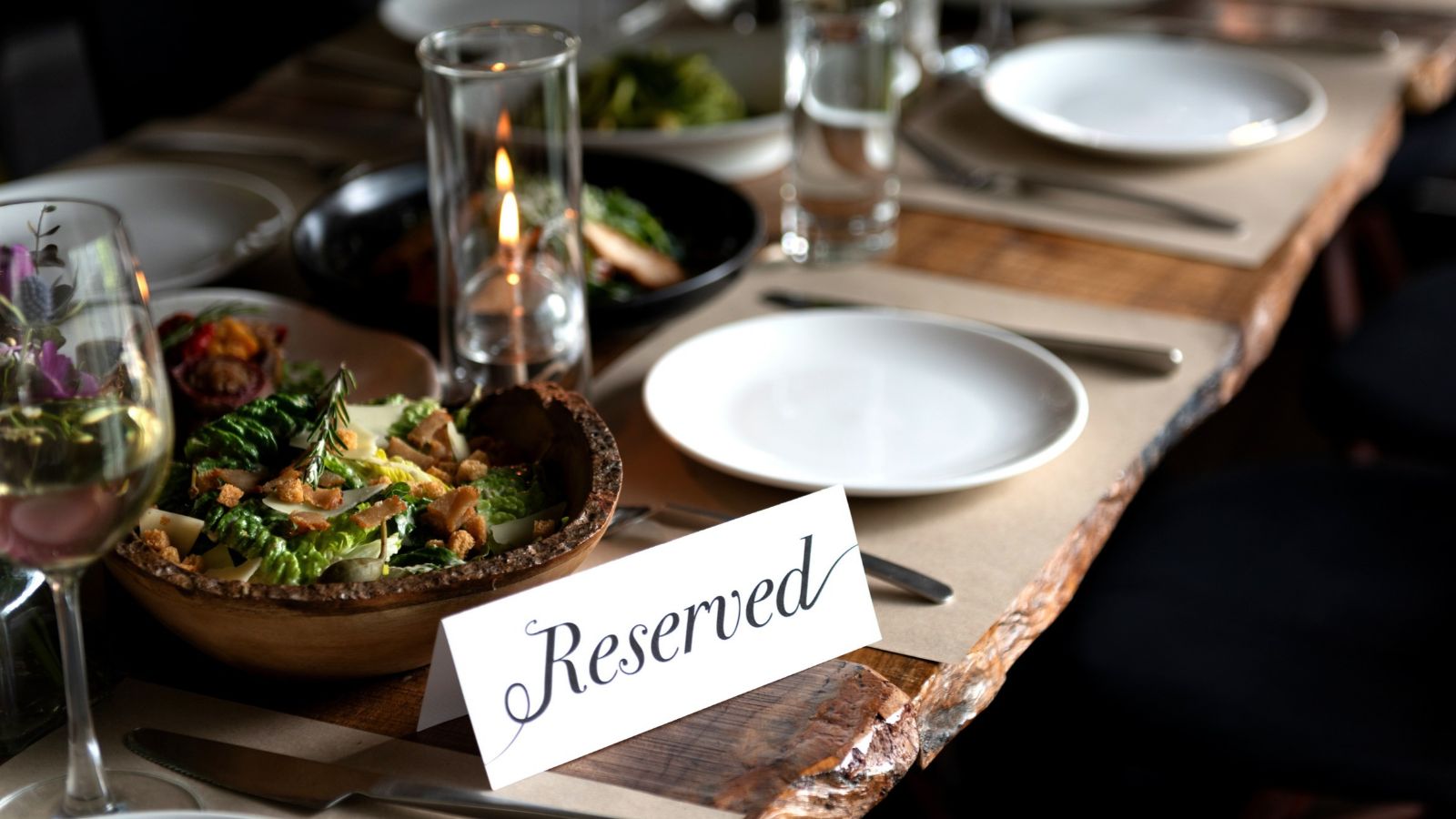
Cancel as soon as you know dinner plans have changed. OpenTable’s help guidance explains that cancellation terms come from the restaurant, so check your confirmation email and the restaurant’s profile for its deadline and any fee.
In OpenTable’s operator interviews, restaurateurs explain that bookings influence staffing and food purchasing. Give the restaurant a clear answer while it can still adjust its plans; an empty chair can mean more than an unfinished place setting. help.opentable.com
Arriving late without making contact
Running behind deserves a quick call to the restaurant. OpenTable says an arrival can be marked as a no-show when the restaurant can no longer hold the table. Explain the delay and ask what the restaurant can accommodate instead of assuming your reservation will remain available indefinitely.
Follow the answer you receive and the policy attached to your booking, rather than relying on a supposed grace period that may not apply.
Checking your phone throughout the meal
Let the conversation hold your attention. The Emily Post Institute recommends silencing phones and putting them away during meals. If you’re expecting a necessary call, tell your companions; the courtesy is to stay present while making room for an important interruption.
Taking a call at the table
Even a short call brings another conversation into the meal. Emily Post’s phone guidance advises against taking or making calls from a restaurant table and recommends excusing yourself to another space, such as the lobby or outside.
For a necessary call, step away and keep your voice low so the conversation stays with you. This is professional courtesy advice: use it to give your companions and nearby diners room to enjoy their own evening.
Stacking dirty plates to help
Good intentions still need a little direction. In Thomas P. Farley’s 2022 TODAY interviews, William Bonilla, then service captain at Dirty Habit, said guest-made stacks could complicate clearing because plates and silverware needed careful arrangement.
Cahill’s divided staff at Davey’s Irish Pub and Restaurant showed that the response can vary even within one establishment. When you’re unsure, ask whether stacking would help, and let staff organize the clearing if they prefer.
Related: 8 Things You Do at Restaurants That Servers Say Make Their Job Harder
Reaching across someone else’s plate
The bread basket can wait for a polite request. Emily Post advises asking for shared items to be passed instead of reaching across the table or another person’s place setting. Ask for the bread, salt, or shared dish you need, and give the person beside you room to pass it along.
Keep the exchange simple: a request and a thank-you let dinner continue without your arm stretching through someone else’s space.
Answering before you finish a bite
A question can wait until you finish the bite. Emily Post suggests a small hand gesture to show you heard, then answer after you swallow. Make room for individual eating needs; courtesy should make people feel welcome, not watched.
Picking your teeth or brushing your hair
Save personal grooming for a brief trip away from the table. Emily Post’s table-manners guidance places teeth-picking, hair-brushing, and applying makeup in the restroom. Excuse yourself, take care of it, and return to the conversation without making it part of everyone’s meal.
Eating far ahead of everyone else
Dinner doesn’t need a finish line. Emily Post advises fast eaters to slow down and explicitly says slower diners shouldn’t be rushed. Aim for a comfortable shared rhythm, allowing space for bites and conversation without turning another person’s plate into a countdown.
Withholding the tip without raising a problem
If service disappoints you, give the restaurant a chance to hear the problem. Emily Post’s October 2025 guide recommends leaving 15% for poor sit-down service and speaking to the manager instead of leaving nothing. It describes 15%–20% as a common range for standard service, so keep those figures attached to the institute’s U.S. etiquette guidance.
Tell management what went wrong and give it something specific to address; silently withholding the tip leaves that conversation unfinished. Make room for the people around your plate, and give a good meal the chance to become a good memory.