Most Americans do not wake up planning to break the law. They are not wearing ski masks, planning heists, or whispering in parking lots like movie criminals. More often, the risky stuff looks painfully ordinary: tossing a neighbor’s mail, sharing a leftover pain pill, recording a heated phone call, downloading a movie, or slipping a flyer into someone’s mailbox.
That is what makes these “small crimes” so dangerous. They feel harmless because people see them as shortcuts, favors, jokes, or everyday mistakes. But the law does not always care that someone meant well. Rules vary by state and city, so this is not legal advice. Still, these are the kinds of actions that can quietly put regular Americans on the wrong side of the law.
Opening or Throwing Away Someone Else’s Mail
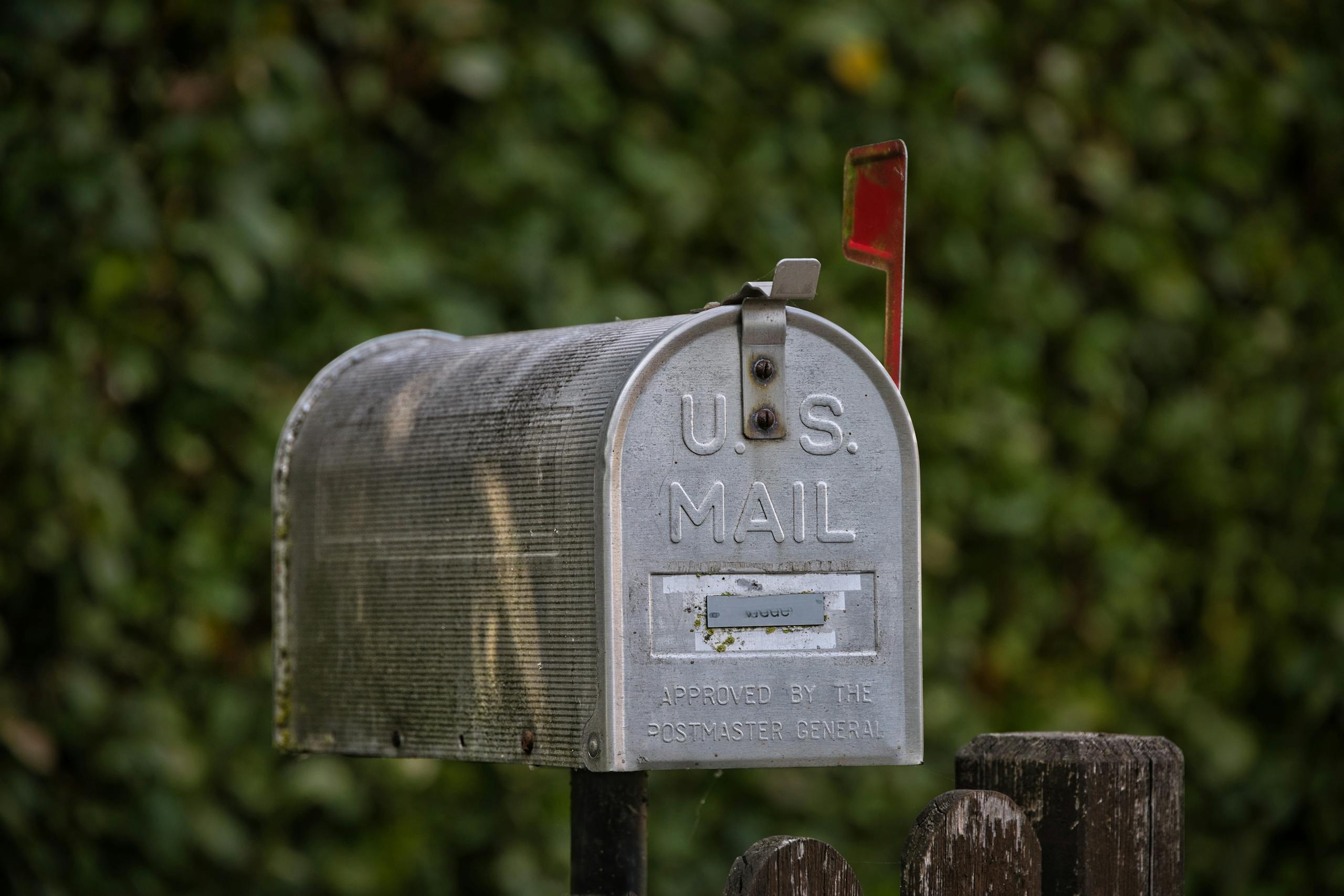
A letter lands in the wrong mailbox. A package arrives for a former tenant. A neighbor’s envelope gets mixed with your own stack. Many people think, “I’ll just open it,” or “I’ll toss it since they don’t live here anymore.” That can become a much bigger problem than it seems.
Mail is protected by federal law, and opening someone’s mail before it reaches the intended person can carry serious consequences when done to obstruct correspondence or pry into another person’s business. The safest move is simple: mark it as the wrong address, return it, or give it back to the carrier, rather than treating it like junk.
Putting Flyers in Someone’s Mailbox
This one surprises people all the time. A small business owner, campaign volunteer, church group, school fundraiser, or neighborhood organizer may think they are saving money by sliding flyers into mailboxes. It feels harmless because the mailbox is right there.
But mailboxes are not free advertising boxes. They are intended for postage-paid mail, and only authorized delivery personnel may place items inside them. Leaving flyers on doors may be different, depending on local rules, but putting them inside the mailbox can cross a legal line.
Sharing Prescription Medication
This usually starts as kindness. A friend has back pain, so someone offers an old pain pill. A student needs to focus, so a roommate shares medication. A family member cannot sleep, so someone hands over a prescription sedative. Nobody thinks of themselves as a criminal. They think they are helping.
The problem is that prescriptions are written for specific people, doses, conditions, and risks. Sharing medication can be dangerous medically and legally, especially when controlled substances are involved. The person receiving the drug may have allergies, interactions, addiction risks, or health conditions the giver knows nothing about.
Not Reporting Cash Income or Side Hustle Money
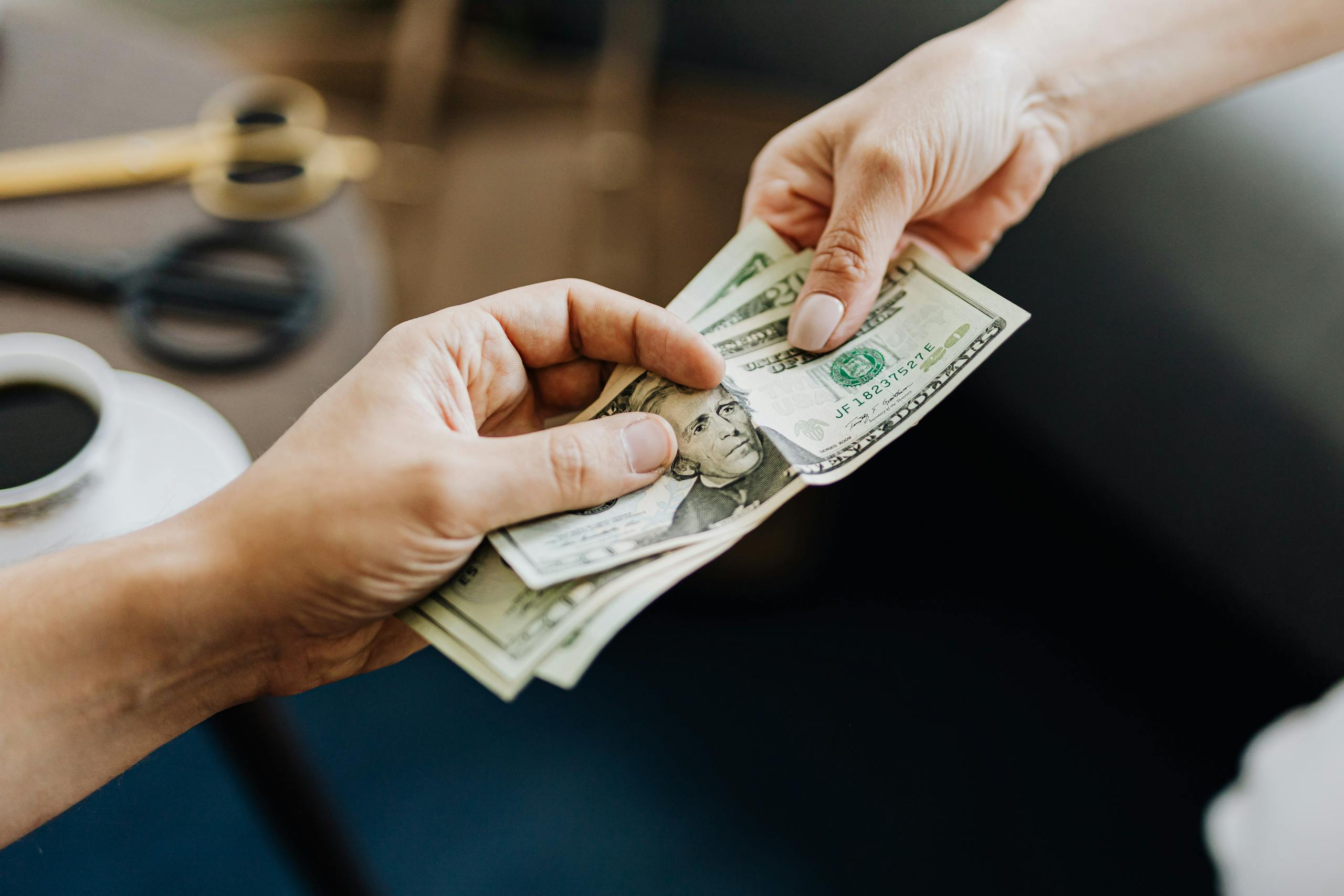
A neighbor pays cash for babysitting. Someone sells homemade desserts. A driver picks up gig work. A server earns tips. A handyman gets paid through an app. Many Americans assume small amounts do not matter, especially when no tax form arrives.
That assumption can get expensive fast. Even when no form is required, gig income tax rules can still apply to part-time work, temporary jobs, side work, cash payments, goods, property, or app-based earnings. The issue is not only with large businesses. It can include the side money people casually treat like “just a little extra.”
Pirating Movies, Music, Sports, or Software
Streaming a bootleg fight, downloading a movie from a sketchy site, using cracked software, or sharing copyrighted material can feel like a victimless shortcut. People tell themselves the company is rich, everyone does it, or one download cannot matter.
Copyright law says otherwise. Copying, distributing, or using protected content without permission can create legal trouble, and willful copyright infringement can become especially serious when done for commercial advantage or private financial gain. The internet makes piracy feel casual, but easy access does not make it legal.
Secretly Recording Calls in the Wrong State
A heated phone call happens. A workplace dispute gets ugly. A relationship argument turns serious. Someone hits record because they want proof. In some states, that may be legal if one person in the conversation consents. In other states, it can become a serious legal problem.
Recording laws vary sharply across the country. Some places require every party in the conversation to consent before recording. That means a person may think they are protecting themselves, only to create a new legal issue. The risk gets even messier when the people on the call are in different states.
Taking Rocks, Plants, or Artifacts From National Parks

A pretty rock from a national park may look like the perfect souvenir. So does a flower, feather, arrowhead, pottery shard, or tiny piece of history found on a trail. People often think, “It’s just one little thing.”
But protected land is not a souvenir bin. Visitors are told to leave cultural artifacts where they find them and to leave rocks, plants, and other natural objects in place. The rule protects parks from being slowly picked apart by millions of “just one” moments.
Pretending a Pet Is a Service Animal
Some people buy a vest online, call their dog a service animal, and walk into restaurants, stores, apartments, or public places that normally do not allow pets. They may see it as a harmless convenience. They may even think emotional attachment is enough.
The legal reality is more complicated. Service animals have a specific role, and many states punish people who knowingly misrepresent pets as service animals. This is not just about rules. Fake service-animal claims can make life harder for people who rely on trained service animals for real disabilities.
Leaving After Hitting a Parked Car
A driver bumps a parked car in a grocery lot. The damage looks small. Nobody saw it. They are late. They drive away and tell themselves the scratch was probably there all along. That tiny decision can become a hit-and-run problem.
State laws vary, but leaving the scene after damaging property is treated seriously in many places. Even if the damage seems minor, drivers are usually expected to stop, provide information, report the incident when required, or make a reasonable effort to notify the owner. The mistake is thinking “small damage” means “no responsibility.”
Feeding Wildlife Where It Is Prohibited

Feeding ducks, squirrels, deer, raccoons, bears, or roadside wildlife may feel sweet, especially when kids are watching. People think they are being kind. But in parks and many public spaces, feeding wildlife can be illegal or even punishable, as it alters animal behavior and poses a danger to both people and animals.
Wildlife that learns to approach humans can become aggressive, dependent, sick, or unsafe around roads and crowds. In protected areas, rules often exist because one person’s cute moment can become a long-term problem. The snack may disappear in seconds, but the behavior it teaches the animal can last.
Conclusion
The crimes Americans commit without knowing are usually not dramatic. They look like favors, shortcuts, assumptions, or tiny acts that feel too ordinary to matter. But the law often lives in the details: whose mail it was, whose prescription it was, where the recording happened, whether the income was reported, and whether the “small souvenir” came from protected land.
The safest rule is simple. Do not treat protected things as casual. Mail is not trash. Prescriptions are not shareable snacks. National parks are not gift shops. Private calls are not always free to record. Side hustle money is still income.
Most people are not trying to be criminals. They are trying to be practical, helpful, cheap, quick, or careless for one minute. But one ordinary minute can create a legal problem that is expensive, embarrassing, and hard to undo. When in doubt, pause before assuming “everybody does it” means “it’s allowed.”