America’s drug crisis does not always look like a police chase on the evening news. Sometimes it looks like a fake pill at a house party, a powder passed around in a club bathroom, a tablet at a music festival, or something a teenager thinks is harmless because it came from someone they know.
That is the terrifying part: the black market does not come with ingredient labels, safety seals, refunds, or second chances.
The danger is not only the drug name. It is the uncertainty. A pill may not be what it claims to be. A powder may be mixed with a stronger substance. A familiar substance may hide a newer chemical most people have never heard of. In today’s street supply, the most dangerous phrase may be, “I thought I knew what it was.”
Nitazenes
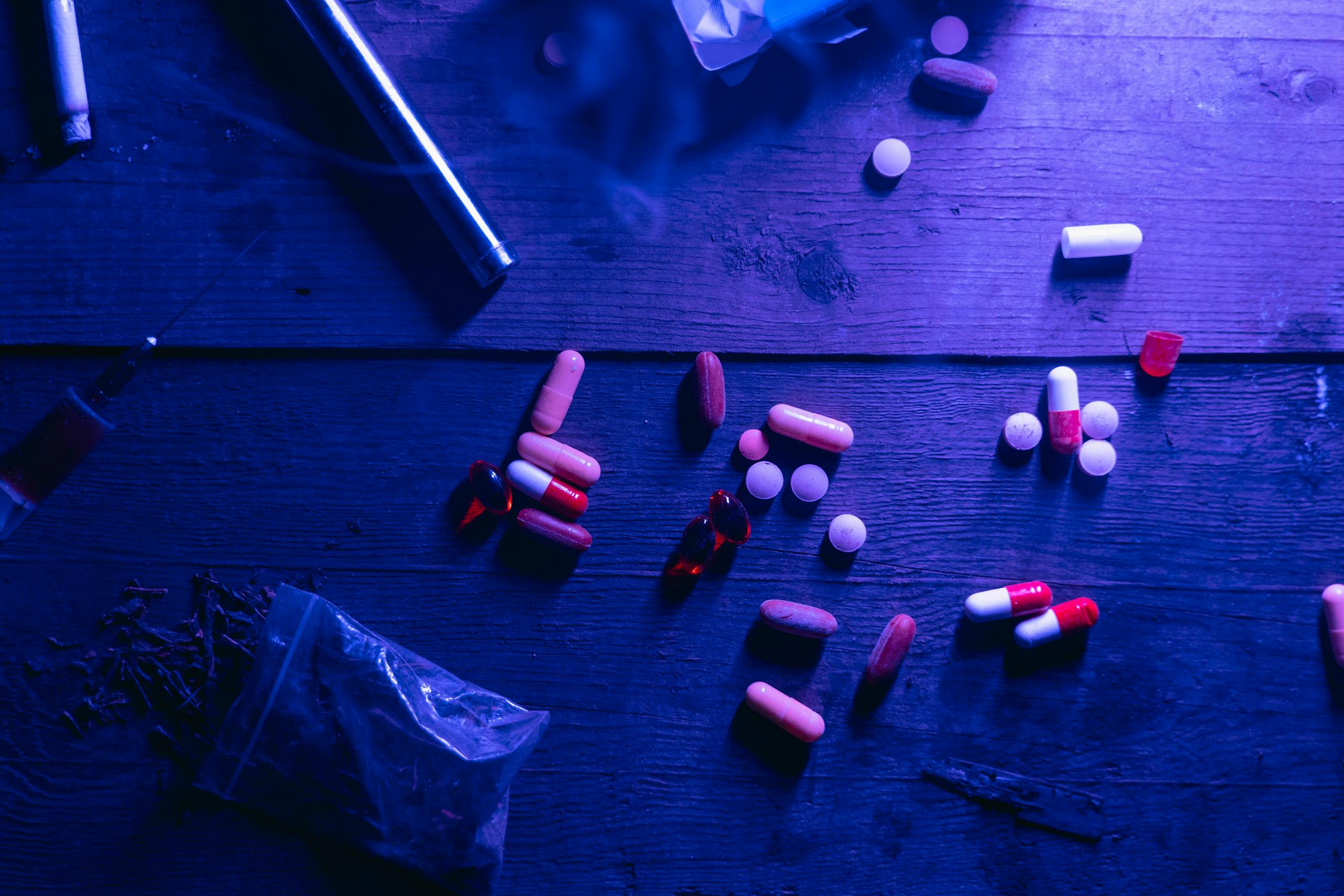
Nitazenes are not as well known as fentanyl, and that is part of what makes them so alarming. Many Americans have never heard the name, yet these synthetic opioids have appeared in illicit drug supplies and overdose warnings in recent years. When a dangerous drug moves faster than public awareness, the risk becomes even harder to control.
The danger is simple: a person may think they are taking one substance but end up exposed to a much stronger opioid. These drugs can be extremely potent, and they may appear in counterfeit pills or mixed supplies. Public-health warnings about new synthetic opioids show how quickly the street market keeps changing while ordinary people are still trying to understand yesterday’s threat.
Cocaine and Crack Cocaine
Cocaine never really left America. It still carries the old image of Wall Street parties, club bathrooms, music scenes, and crime movies, but the modern danger is sharper than nostalgia makes it seem. Powder cocaine and crack cocaine still circulate, often wrapped in a false sense of control.
The drug can put serious strain on the heart and blood vessels. It can raise blood pressure, disturb heart rhythm, and increase the risk of heart attack or stroke. The danger becomes even more frightening when users do not know what else may be mixed into the supply.
GHB
GHB often gets discussed like a party drug, but that casual label hides how dangerous it can be. It can cause sedation, confusion, memory gaps, slow breathing, unconsciousness, and loss of control. In a crowded social setting, that danger can turn frightening fast.
The risk becomes worse when GHB is mixed with alcohol or other depressants. Illicit use has been linked to reduced consciousness, breathing problems, coma, and death. That is why this drug should never be treated like just another nightlife substance.
Methamphetamine
Methamphetamine can make danger look like energy at first. It can keep people awake, wired, restless, and talkative, while convincing them they are in control. Then the body starts paying the price through addiction, paranoia, sleep loss, heart strain, dental damage, and mental-health breakdowns.
Meth still moves through America because it feeds a culture that already worships speed, hustle, and never stopping. But the drug twists that pressure into something brutal. Long-term use can lead to anxiety, confusion, severe dental problems, weight loss, and violent behavior, while the meth health effects can damage far more than one bad night.
LSD
LSD is often remembered through old rock posters, college stories, and jokes about “tripping,” but it still appears in the illegal market. It can sharply alter perception, mood, time, and reality. That can become frightening when someone is in the wrong setting, already struggling mentally, or using something with unknown strength.
The danger is not that every person reacts the same way. The danger is that nobody can fully predict the experience once reality starts bending. Federal drug scheduling places LSD in a category tied to high abuse potential and no currently accepted medical use under that classification, which explains its Schedule I status outside narrow research contexts.
Heroin
Heroin is one of America’s oldest illegal opioid threats, but the modern supply has become more dangerous because it is often no longer only heroin. It may be mixed with fentanyl or other synthetic opioids that raise overdose risk without warning. That uncertainty makes an already dangerous drug even more unpredictable.
Heroin can slow breathing, cause unconsciousness, and lead to fatal overdose. The name may sound familiar, but the danger has not become old news. It remains one of the street drugs that still haunts families, hospitals, and communities.
Ketamine

Ketamine is complicated because it has legitimate medical uses under professional supervision. Doctors use it as an anesthetic, and controlled clinical settings may use related treatments for certain mental-health conditions. But street ketamine is a different story.
Outside medical care, dose, setting, purity, and health risks become uncertain. Ketamine can cause dissociation, confusion, memory problems, and reduced awareness of surroundings. Someone who feels detached from reality may be less able to protect themselves or recognize danger.
PCP
PCP is one of the more unpredictable drugs still found in illegal circulation. It can distort reality, detach users from their surroundings, and trigger confusion, agitation, panic, hallucinations, or violent behavior. That unpredictability makes it dangerous for the person taking it and for people nearby.
The medical risks can become severe. PCP toxicity can involve seizures, coma, and death at high exposure levels. The danger is why the drug’s reputation is not just old-school fear. It remains a serious emergency when the body and mind lose control at the same time.
MDMA, Ecstasy, or Molly
MDMA often travels with softer branding. People connect it with festivals, concerts, clubs, dancing, friendship, and emotional closeness. That image can make it seem less dangerous than opioids or meth, but street pills do not care about vibes.
The biggest problem is uncertainty. A pill sold as MDMA may contain a different drug, a stronger amount than expected, or a mixture the user never agreed to take. MDMA can increase body temperature, heart rate, and blood pressure, especially in hot, crowded spaces, which makes the risk of overheating harder to ignore.
Fentanyl

Fentanyl remains the drug many Americans fear most because it can turn one hidden ingredient into a fatal mistake. It can appear in counterfeit pills, powders, and drug mixtures where the person taking it may not know it is there. That is what makes it so frightening: the danger can be invisible until it is too late.
The overdose crisis has improved in some recent data, but the numbers remain devastating. Synthetic opioids other than methadone were involved in 47,735 overdose deaths in 2024, down from 72,776 in 2023. That decline matters, but fentanyl still leaves an enormous trail of grief across American homes, schools, and neighborhoods.
Conclusion
Dangerous street drugs still haunt America because the illegal market is built on uncertainty. A pill may not be what it claims to be. A powder may contain something stronger. A familiar name may hide an unfamiliar chemical. The person using it may think they understand the risk, but the substance may tell a very different story.
Nitazenes, cocaine, GHB, meth, LSD, heroin, ketamine, PCP, MDMA, and fentanyl are not just names in police reports. They are part of a shifting public-health crisis where one bad assumption can end a life. The blunt truth is this: in the street supply, nobody really knows what they are getting, and that uncertainty may be the deadliest drug in the room.