Scrambled eggs seem like one of the easiest breakfasts to prepare. Crack a few eggs into a bowl, whisk them, pour them into a pan, and stir until they are cooked. Yet getting that soft, creamy texture you enjoy at a good breakfast restaurant can be surprisingly tricky. Sometimes the eggs turn out dry, rubbery, or watery, even when you follow the same routine every morning.
One simple ingredient can make a difference: butter. Instead of relying on milk or cream to improve your scrambled eggs, try using a little butter and paying attention to how you cook them. It adds richness, helps prevent sticking, and gives the eggs a lovely flavor without requiring a long list of ingredients.
Butter Gives Scrambled Eggs a Richer Flavor
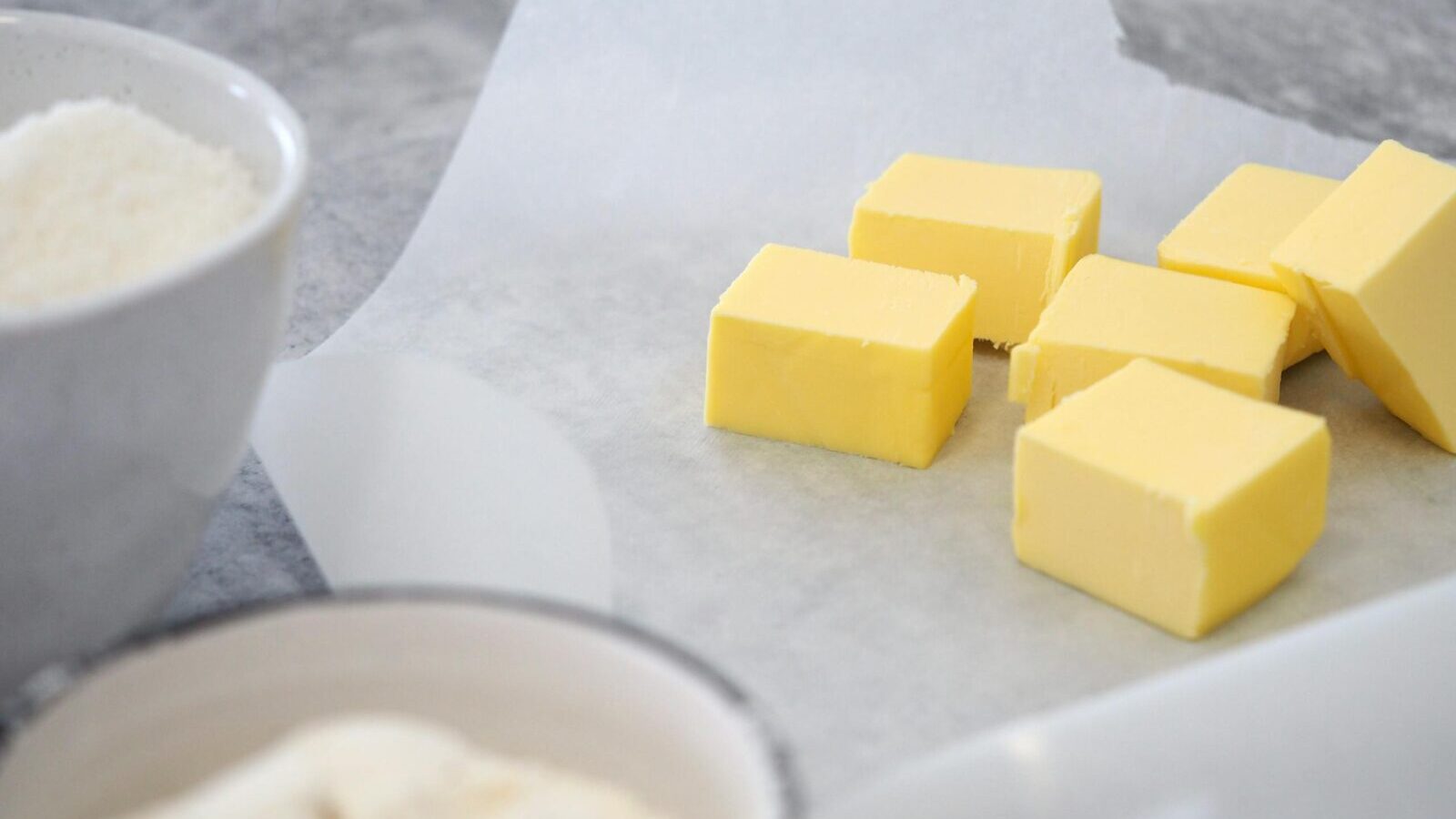
Butter and eggs are a natural combination, but butter does more than keep your breakfast from sticking to the pan. It adds a rich, savory flavor that makes even a simple plate of scrambled eggs taste more satisfying. Since eggs have a fairly mild flavor on their own, a little butter can make a noticeable difference without overpowering them.
Professional chefs have long appreciated this combination. The James Beard Foundation shares a scrambled egg method inspired by the celebrated American chef James Beard, who recommended mixing softened butter into eggs when an especially rich result was desired. You can also use butter directly in the pan, letting the eggs cook in the melted fat. Either approach gives you a flavorful breakfast without needing milk or cream.
Why Milk and Cream Are Not Always Necessary
Many home cooks grew up believing that adding milk or cream was the secret to fluffy scrambled eggs. The idea makes sense because these ingredients add moisture and, in the case of cream, additional fat. However, they aren’t essential for a soft, enjoyable scramble.
Adding too much liquid can actually work against the texture you want. The extra moisture may separate from the eggs during cooking, leaving an unwanted watery layer on your plate. Butter offers a different approach because it adds fat and flavor without adding much liquid. According to Bon Appétit, its test kitchen prefers making scrambled eggs without milk or cream, although it recommends butter for an especially rich result.
Low Heat Is the Secret to Soft, Tender Eggs
Even the best butter cannot rescue eggs that have been cooked for too long over excessive heat. Eggs contain proteins that change structure as they cook and form the soft curds that make scrambled eggs what they are. When exposed to excessive heat, these proteins tighten, pushing out moisture and creating a firmer, sometimes rubbery texture.
Cooking over low or medium-low heat gives you more control. The eggs have time to set gradually, allowing you to move them around the pan without quickly drying out the entire mixture. Food Network’s cooking guide also recommends using medium-low heat and adding butter before the eggs. Once the eggs begin to form soft curds, gently move them with a spatula rather than stirring aggressively.
How to Make Scrambled Eggs With Butter
You do not need a complicated recipe or expensive kitchen equipment to try this method. For one serving, start with 2 large eggs, 1 tablespoon of butter, a pinch of salt, and freshly ground black pepper. You will also need a small nonstick skillet, a bowl, a fork, and a flexible spatula. The ingredient list is short, but the cooking technique makes all the difference.
Crack the eggs into a bowl and whisk until the yolks and whites are evenly combined. Place your skillet over medium-low heat, add the butter, and let it melt without browning. Pour in the eggs and let them sit briefly before gently moving the mixture from the edges toward the center.
Continue folding the eggs as soft curds form, then remove the pan from the heat while they still look slightly glossy. The remaining warmth will finish cooking them, leaving you with a softer texture.
Avoid These Common Scrambled Egg Mistakes
One of the biggest mistakes people make is turning the heat up because they want breakfast ready quickly. High heat can cook the outside of the eggs before the rest of the mixture has properly set. The result is often a dry scramble with unevenly cooked pieces. A little patience usually produces a much better breakfast.
Another mistake is leaving the eggs in the pan after they appear cooked. Eggs continue cooking from the heat retained by the skillet, even after you turn off the stove. Transferring them to a plate while they are still slightly moist helps prevent overcooking. Also, avoid using too much butter, since too much can leave the finished eggs greasy rather than pleasantly rich.
Easy Ways to Make Your Buttered Eggs Even Better
Once you have mastered the basic method, you can experiment with a few simple additions. Fresh chives, parsley, black pepper, and a little grated cheese can give scrambled eggs more flavor without making the recipe complicated. If you enjoy a heartier breakfast, serve them with toasted bread, avocado, sautéed mushrooms, or cooked tomatoes.
You can also experiment with adding a small piece of cold butter toward the end of cooking. Stir it into the eggs as you remove the pan from the heat for an extra glossy finish. The butter should complement the eggs, not overwhelm them. Sometimes, the simplest combination of eggs, butter, salt, and pepper is all you need.
A Better Breakfast Does Not Require a Complicated Recipe
Scrambled eggs prove that a few basic ingredients can make a delicious meal when handled properly. Butter adds flavor and richness, while gentle cooking keeps the eggs soft instead of dry and rubbery. You don’t need special ingredients or extra cream to enjoy a satisfying breakfast.
The next time you prepare scrambled eggs, leave the milk carton in the refrigerator and reach for the butter instead. Keep the heat gentle, avoid overcooking, and serve the eggs as soon as they are ready. That small adjustment could make your usual breakfast considerably more enjoyable.