A police encounter can turn tense in seconds, especially when nerves take over before common sense gets a chance to speak. Many people do not get into trouble because they are guilty of something serious. They get into trouble because they panic, argue, overshare, joke badly, or say something that sounds worse than they meant it.
The safest words in a stressful moment are usually calm, short, and respectful. That does not mean giving up your rights or acting powerless. It means knowing which phrases can make a roadside stop, street questioning, or late-night encounter much harder than it needs to be.
Why are you harassing me?
This phrase may come from fear or frustration, but it can sound like an accusation before you even know why the officer stopped you. Once the conversation becomes emotional, the original reason for the stop can get buried under tone, tension, and defensiveness. That is how a small encounter starts to feel bigger than it needs to be.
A better approach is to ask, “Officer, can you tell me why I was stopped?” That question keeps the focus on the reason for the encounter instead of turning it into a personal argument. It also makes you sound alert, calm, and aware without adding unnecessary drama.
I did nothing wrong, so search whatever you want.
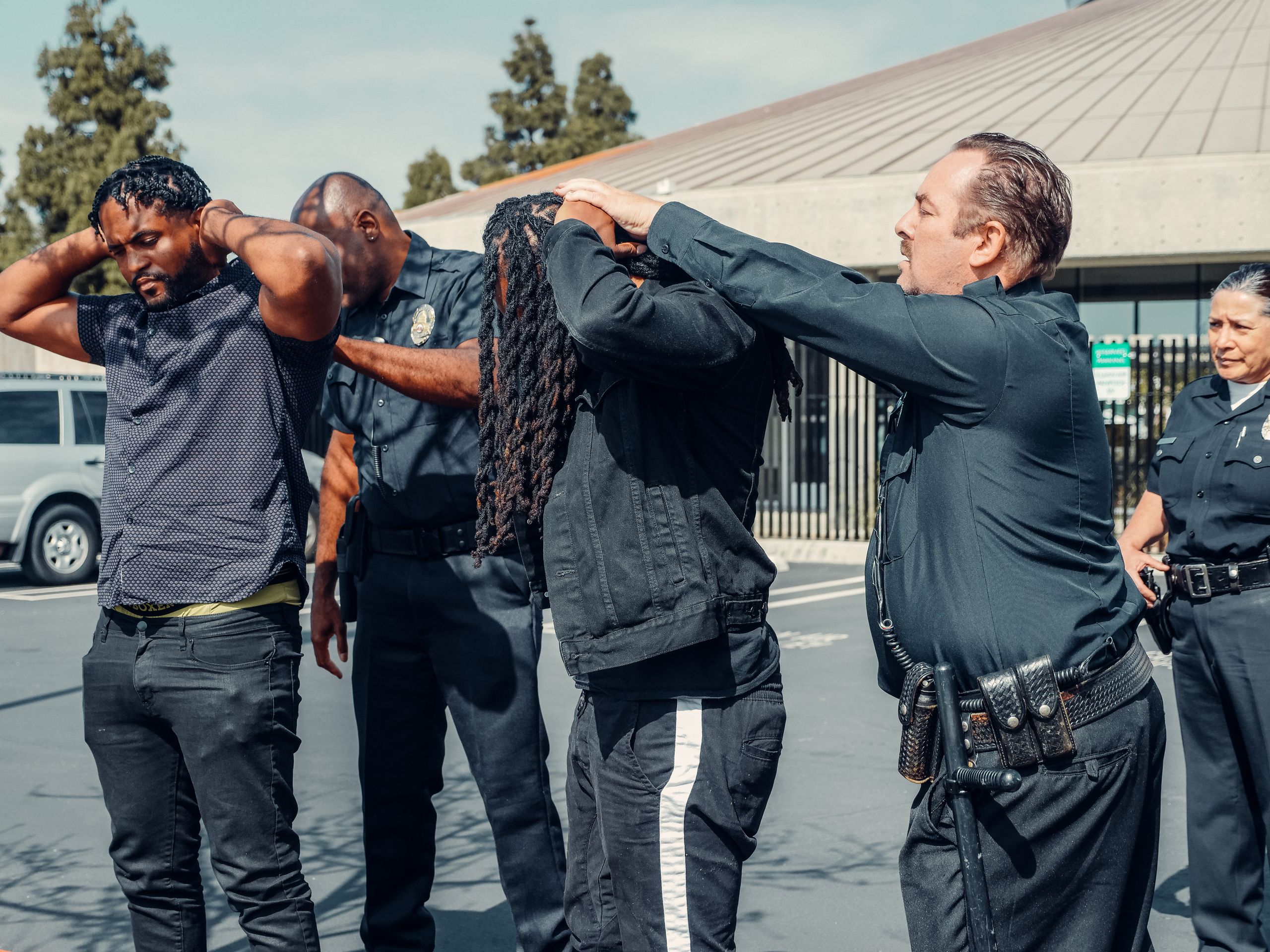
This sounds innocent, but it can create problems. Many people think cooperation means saying yes to everything, yet consent can matter later if something unexpected arises, if an officer misunderstands, or if another person’s belongings are involved. Being polite does not require opening the door to every request.
A safer response is, “I do not consent to a search.” Say it calmly, without pulling away, grabbing anything, or arguing. If officers search anyway, do not physically resist, but make your position clear with your words.
Go ahead, arrest me then.

This sentence may come out as sarcasm, but it can sound like defiance. Police encounters are not the place to test how far a heated comment can go. Even when you feel the stop is unfair, daring an officer to act can make you look careless and aggressive.
It is better to stay quiet than to throw out a challenge. If you are being detained, ask, “Am I free to leave?” If the answer is no, keep your words limited and do not help the situation spiral.
My taxes pay your salary.
This line almost never helps. It may feel satisfying for two seconds, but it usually makes the speaker look angry, entitled, and uninterested in resolving the encounter. It also distracts from the issue that actually matters: why the stop is happening and how to end it safely.
Respectful does not mean weak. You can ask questions, assert your rights, and refuse consent without insulting anyone. The goal is not to win a debate on the street. The goal is to get through the moment with as little damage as possible.
I know the law, you can’t touch me.
This may feel strong in your head, but it often comes across as a challenge. Even when someone is correct about their rights, saying it with an attitude can make the encounter feel like a fight rather than a conversation. A calmer version works better because it protects your position without turning up the temperature.
A smarter line is, “I would like to remain silent” or “I do not consent to a search.” Those words are clear, simple, and harder to twist. You can be firm without sounding combative, and that matters when every second of the encounter may later be remembered differently by both sides.
I only had a little bit.
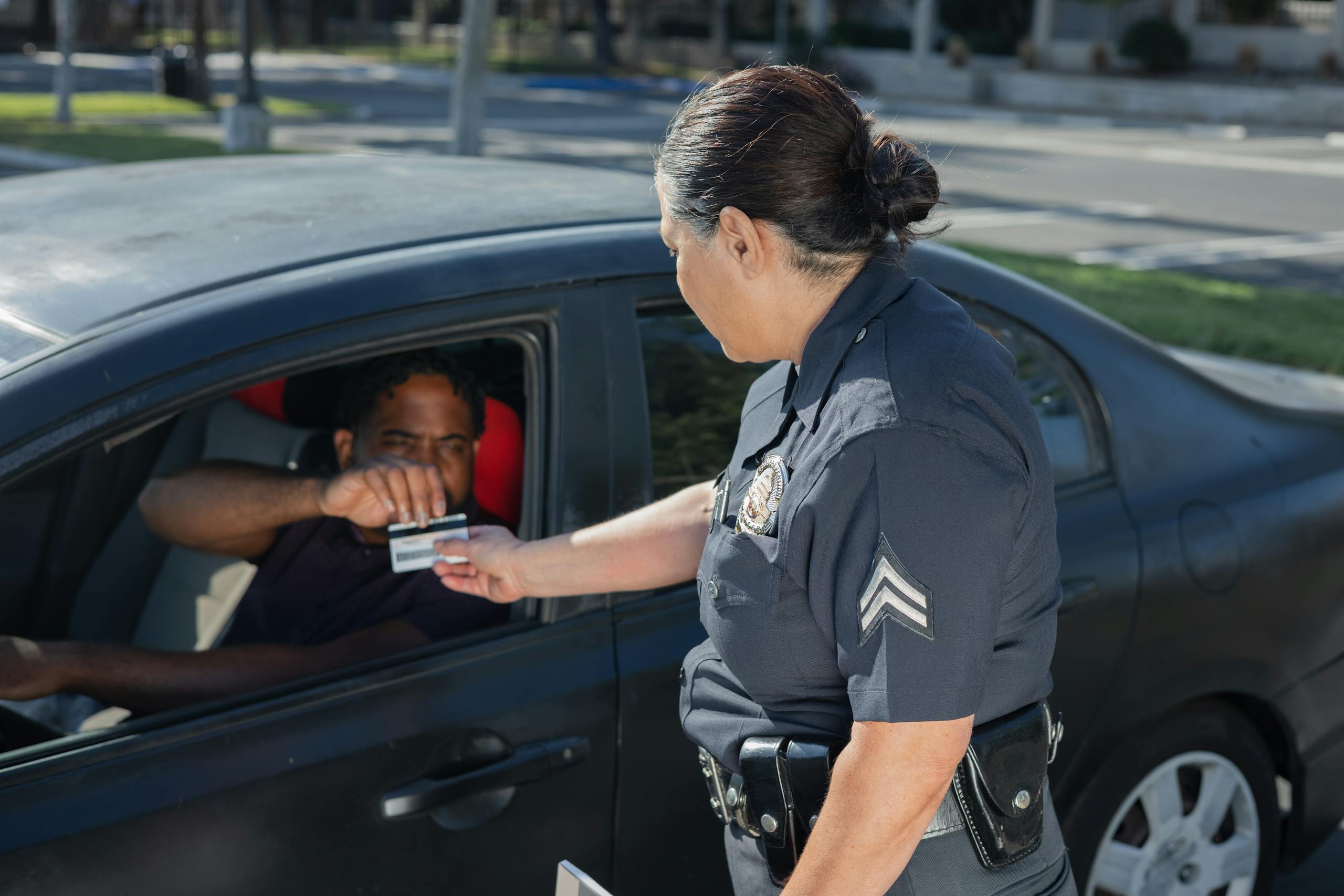
This is one of the most dangerous phrases during a traffic stop. People often say it because they think honesty will make them look reasonable, but it can give officers more reason to investigate. Even a casual admission about alcohol, drugs, speeding, or another issue can become part of the record.
You do not need to explain everything on the spot. Provide required documents when asked during a traffic stop, stay calm, and avoid filling the silence with nervous confessions. If questions turn serious, clearly say that you want to remain silent and speak with a lawyer.
You have no idea who I am
This phrase can make a normal stop sound like a power struggle. Mentioning status, connections, money, job title, family name, or social influence rarely softens the situation. It can make the officer more determined to treat the encounter strictly.
A calmer tone is much stronger than name-dropping. Keep your answers short, keep your hands visible, and avoid trying to impress or intimidate anyone. The moment becomes safer when it stays boring.
I’m not answering anything.
The idea may be legally understandable, but the wording can sound hostile. There is a major difference between calmly invoking a right and snapping at an officer. The first sounds controlled. The second can escalate tension fast.
A cleaner phrase is, “I am choosing to remain silent.” If you want a lawyer, say, “I want to speak with an attorney.” These statements are direct without sounding like a fight.
That’s none of your business.
This may be true in some situations, but it is not the best way to say it. Questions like “Where are you coming from?” or “Where are you headed?” can feel intrusive, especially during a stop. Still, a sharp answer can make the encounter more tense.
A safer response is, “I prefer not to answer questions.” That sentence is calm and clear. It protects your privacy without sounding insulting, and it gives you a better chance of keeping the exchange under control.
I’m recording you, so don’t try anything.
Recording may be allowed in many public situations, but announcing it like a threat can raise the temperature immediately. The goal of recording should be documentation, not provocation. A tense tone can make the officer focus more on your behavior than on the original reason for the encounter.
If you record, do it calmly and safely where legally allowed. Do not interfere, block movement, reach suddenly, or shove the phone into anyone’s face. A steady hand and a quiet voice are more useful than a dramatic warning.
You’re only stopping me because of my race.
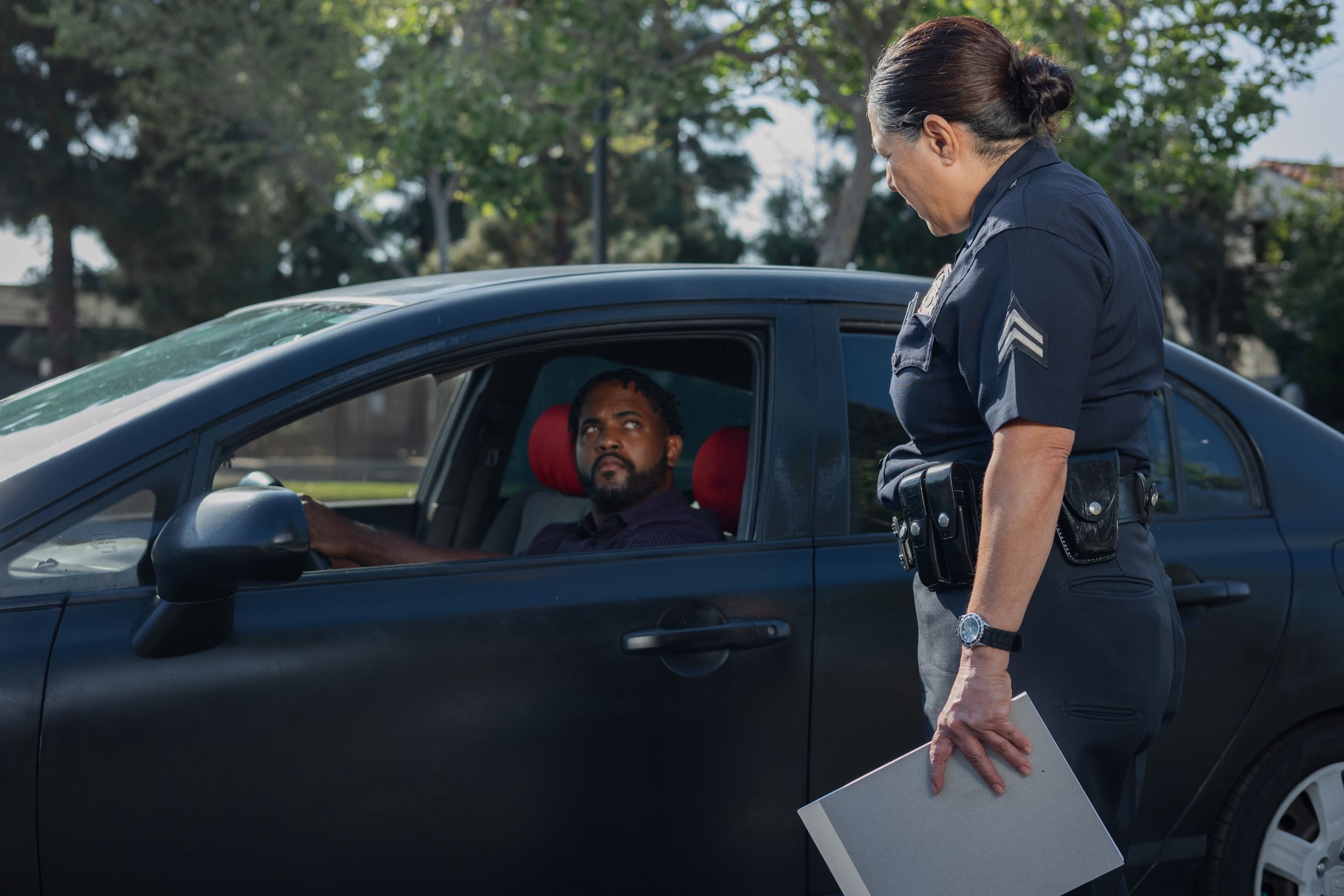
This is a painful and serious concern for many Americans, and it should not be dismissed. But during the encounter itself, saying it in anger may not make the moment safer. It can shift the conversation from the stop to a heated argument about motive, tone, and accusation.
A safer strategy is to remain calm, observe details, and document what happened afterward. Note the location, time, badge number if visible, patrol car number, witnesses, and what was said. If you believe your rights were violated, that record may matter more than an argument on the street.
Conclusion
Every word you choose during a police encounter can either keep the situation calm or make it spiral out of control. Staying respectful, concise, and aware of your rights protects you far more than arguing, joking, or overexplaining. Remember, the goal isn’t to win a debate on the street—it’s to get through the moment safely and handle any disagreements afterward through the proper channels.