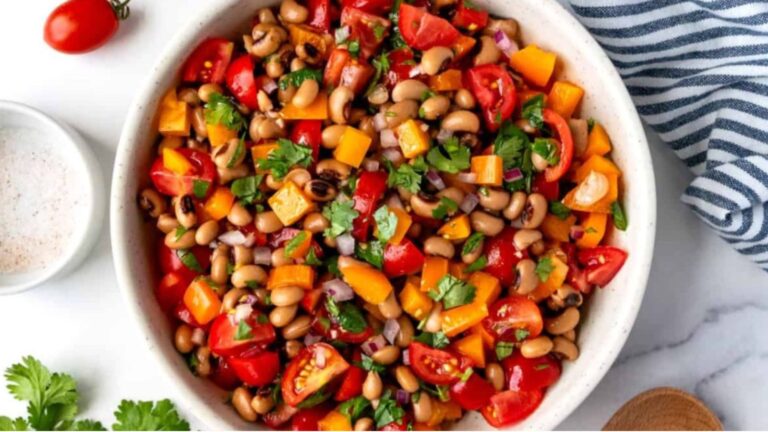
A meal can bring people together, create memories, and turn an ordinary day into something special. But when contaminated food carries a hidden parasite, that same meal can quickly become a serious health concern. Recent concerns surrounding Cyclospora infections, a foodborne illness caused by a microscopic parasite, have pushed many Americans to rethink what they put on their plates.
Cyclospora can contaminate fresh produce, especially foods that are eaten raw. The infection, known as cyclosporiasis, often causes persistent watery diarrhea, stomach cramps, nausea, bloating, fatigue, and loss of appetite. Unlike common stomach bugs that disappear quickly, symptoms can last for weeks without proper treatment.
Food safety experts emphasize that prevention starts with smarter choices in the kitchen. Understanding which foods carry higher risks and which options offer better protection can help families reduce exposure while still enjoying fresh and nutritious meals.
Why Cyclospora Is Raising Food Safety Concerns
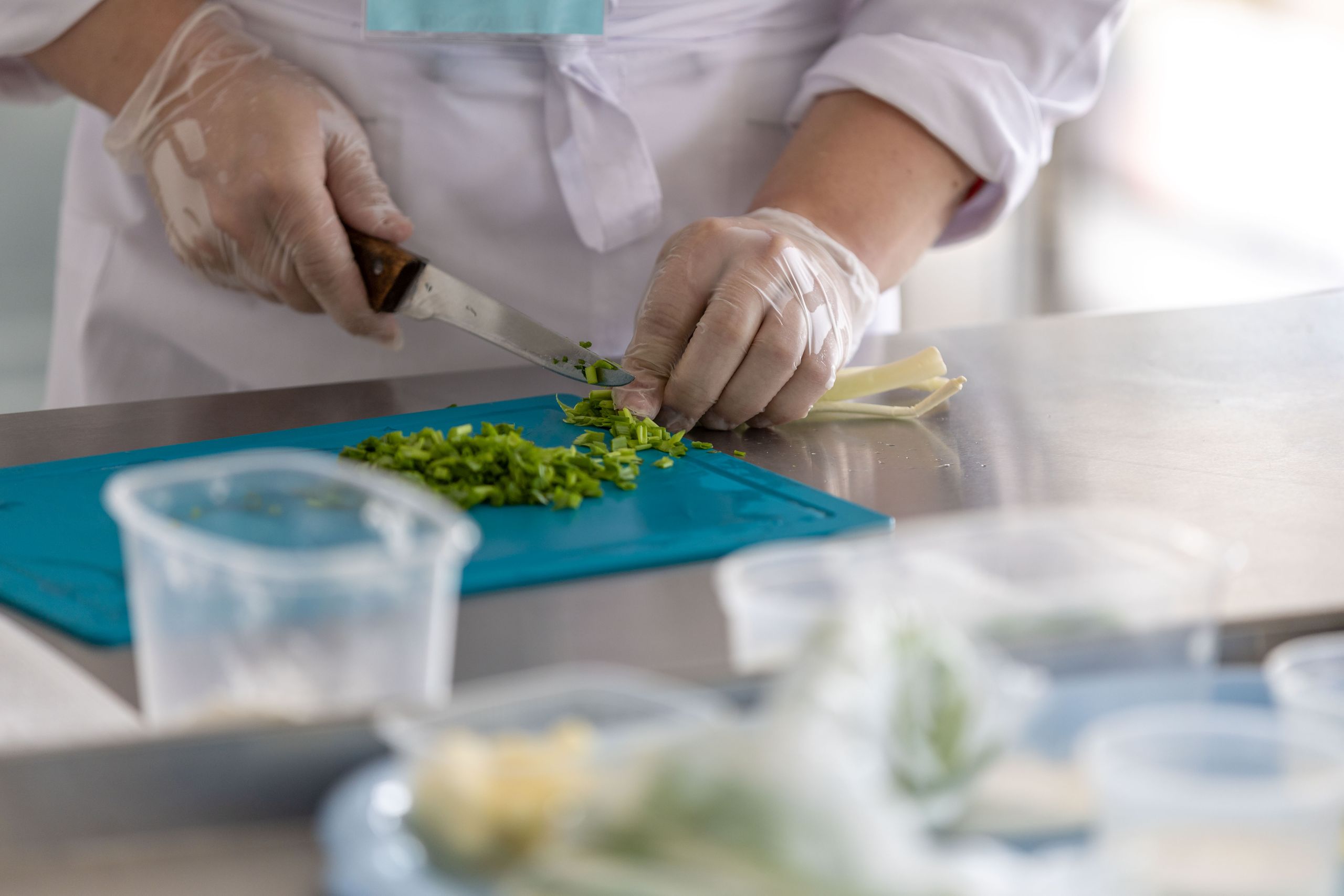
Cyclospora cayetanensis is a parasite that spreads when people consume food or water contaminated with microscopic organisms called oocysts. The parasite is most commonly associated with fresh produce because many fruits, vegetables, and herbs are eaten without cooking.
The challenge with Cyclospora is that contamination is often invisible. Food can look fresh, smell normal, and taste completely fine while still carrying harmful organisms. Washing produce helps reduce risk, but it does not always eliminate the parasite because Cyclospora can cling tightly to surfaces.
Health officials have investigated multiple outbreaks linked to imported and locally distributed produce over the years. Leafy greens, herbs, berries, and other raw foods have repeatedly appeared in investigations because they often undergo many handling steps before reaching consumers.
The good news is that consumers can lower their risk by choosing safer preparation methods, cooking certain foods, and being more careful about foods that have historically been linked to outbreaks.
Foods Better Left Off the Plate During Cyclospora Concerns
Bagged Salad Kits Can Carry Hidden Risks
Prepackaged salad kits are convenient, but convenience sometimes comes with additional handling risks. These products often contain several ingredients that have already been washed, chopped, mixed, and packaged before they reach grocery shelves.
Every additional processing step creates more opportunities for contamination. Salad kits containing lettuce, herbs, vegetables, and toppings may also be difficult for consumers to clean again because many ingredients are already prepared.
During periods of heightened Cyclospora concerns, preparing salads at home with whole vegetables can provide greater control. Consumers can remove outer leaves, wash produce carefully, and keep preparation surfaces clean.
Fresh salads are not inherently dangerous, but ready-to-eat products require extra caution because they usually lack an additional cooking step that would destroy parasites.
Bagged Lettuce Deserves Extra Attention
Leafy greens have frequently appeared in investigations involving foodborne illnesses. Lettuce grows close to the ground, where contaminated water, soil, or animal waste can introduce harmful organisms.
Bagged lettuce creates another challenge because the leaves are cut and handled during processing. If contamination occurs before packaging, the parasite can spread across multiple pieces inside the bag.
A safer alternative is choosing whole heads of lettuce. Removing the outer leaves and washing the remaining layers under clean running water can reduce the risk of exposure.
Consumers should also avoid assuming that a label saying “prewashed” means a product is completely free from microorganisms. Washing reduces risk, but proper food handling remains essential.
Unwashed Berries Have Been Linked to Past Outbreaks
Berries are popular because they are nutritious, colorful, and easy to snack on. Unfortunately, their delicate surfaces make them difficult to clean thoroughly.
Raspberries, in particular, have been connected to past Cyclospora investigations. Their small spaces and fragile texture make aggressive washing difficult without damaging the fruit.
Fresh berries should always be handled carefully. Washing them before eating is important, but during outbreak concerns, some consumers may choose cooked, frozen, or canned alternatives instead.
Frozen berries used in smoothies or desserts can provide a safer option when they have been commercially processed under controlled conditions.
Fresh Herbs Can Be More Risky Than They Appear
A small amount of fresh basil, cilantro, or parsley can transform a meal. However, herbs have historically been involved in some foodborne illness investigations.
The problem is that herbs are often eaten raw. A few leaves added after cooking do not receive the heat treatment that kills parasites.
Fresh herbs also have many small surfaces where contamination can remain hidden. Consumers should wash herbs carefully and consider cooked alternatives during periods of increased concern.
Dried herbs, frozen herbs, or cooked versions can provide similar flavors with potentially lower risk.
Raw Snow Peas May Increase Exposure Risk
Snow peas are often served raw as snacks, salad ingredients, or dipping vegetables. That makes them appealing but also increases the possibility of consuming harmful microorganisms.
Raw vegetables do not receive the heat treatment that destroys parasites. Even careful washing cannot guarantee complete removal.
Cooking snow peas before eating them provides an extra layer of protection. A quick stir-fry or steaming process can preserve their flavor while reducing health risks.
Safer Foods to Choose During a Cyclospora Outbreak
Bananas Offer Natural Protection
Bananas are among the easiest fruits to enjoy safely because their thick peel creates a natural barrier between the outside environment and the edible fruit inside.
The peel helps protect the inside portion from contamination during transportation and handling. However, consumers should still wash their hands and rinse the outside of bananas before peeling them.
This prevents bacteria or parasites on the peel from being transferred to the fruit during handling.
Bananas also provide potassium and carbohydrates, making them a useful choice for someone recovering from a digestive illness who needs gentle foods.
Whole Melons Are Safer When Prepared Correctly
Melons such as watermelon, cantaloupe, and honeydew have a protective outer rind. When consumers buy whole melons and cut them at home, they have more control over preparation.
The rind should always be washed before cutting because contaminants on the outside can be transferred to the inside by the knife.
Using a clean cutting board and knife is equally important. Once cut, the melon should be refrigerated promptly to prevent bacterial growth.
Whole melons demonstrate an important food safety principle: foods with natural protective barriers often provide advantages when handled correctly.
Avocados Have Their Own Protective Layer
Avocados are another example of a food with built-in protection. Their thick skin separates the edible portion from potential contaminants.
Before cutting an avocado, washing the outside surface helps prevent contamination from reaching the flesh through a knife.
Clean hands and kitchen tools matter just as much as the food itself. A contaminated cutting board can quickly undo the protection provided by a fruit’s peel.
Avocados also offer healthy fats and nutrients, making them a practical choice for balanced meals.
Canned and Frozen Produce Can Be Smart Alternatives
Consumers do not have to completely abandon fruits and vegetables due to food safety concerns. Canned and frozen options can provide safer alternatives.
Commercial processing often includes steps that reduce harmful microorganisms. Frozen fruits and vegetables can also maintain nutritional value while offering convenience.
Frozen berries, canned peaches, frozen spinach, and other processed options can still support healthy eating habits without relying entirely on raw produce.
The key is choosing preparation methods that reduce exposure while keeping meals enjoyable.
Cooked Fruits and Vegetables Provide Extra Protection
Heat remains one of the strongest defenses against foodborne parasites. Cooking fruits and vegetables can dramatically reduce the risk of consuming harmful organisms.
Cyclospora is sensitive to high temperatures, and thoroughly cooking food can help destroy the parasite.
Roasted vegetables, cooked greens, soups, stews, and baked fruits can all provide nutritious alternatives during outbreaks.
For people who love fresh produce, temporarily shifting toward cooked meals can be a simple adjustment that provides greater peace of mind.
Simple Kitchen Habits That Lower Cyclospora Risk
Food safety depends on more than choosing the right ingredients. Everyday kitchen habits play an important role in preventing illness.
Consumers should wash hands before preparing food, clean knives and cutting boards between ingredients, and avoid cross-contamination between raw and ready-to-eat foods.
Produce should be stored properly, and refrigerators should remain cold enough to slow the growth of harmful organisms.
The following habits can make a major difference:
- Wash fruits and vegetables under clean running water.
- Scrub firm produce such as melons before cutting.
- Keep raw and cooked foods separate.
- Clean kitchen tools after preparing fresh produce.
- Cook high-risk foods when possible.
- Avoid eating questionable produce that looks damaged or spoiled.
Protecting Health Without Giving Up Fresh Food
Food safety concerns can make people nervous about eating fruits and vegetables, but avoiding all fresh produce is unnecessary. The goal is not fear. The goal is smarter choices.
Cyclospora outbreaks highlight an important reality about modern food systems. Produce often travels long distances and passes through many hands before reaching consumers. That makes careful preparation more important than ever.
Choosing whole foods over heavily processed raw products, cooking certain ingredients, and practicing good kitchen hygiene can greatly reduce risk.
A safer approach does not mean giving up enjoyable meals. It means understanding where risks exist and making small changes that keep food both delicious and healthier.